Reviewed · COLOMBO TOURS
Three Ancient Kingdoms Tour | from Colombo
The most interesting thing here is the chance to see three former Sri Lankan capitals in one long day, including places that receive far less attention than Sigiriya or Anuradhapura. You move from Dambadeniya’s royal remains to Yapahuwa’s dramatic rock staircase, then on to Panduwasnuwara’s broad archaeological site.
I like the private format, since your group controls the experience rather than following a large coach. I also like the focus on lesser-known sites, especially the excavated Temple of the Tooth remains and Panduwasnuwara’s early reservoir. The drawback is clear: a 6:00 am start, several hours in the vehicle, and a climb at Yapahuwa make this a demanding day.
Key points
- Three medieval and ancient capitals in one day: See Dambadeniya, Yapahuwa, and Panduwasnuwara from Colombo.
- Yapahuwa’s stone staircase: Climb toward the old fortress and summit stupa on a granite rock nearly 100 meters above the surrounding lowlands.
- Royal sites tied to the Tooth Relic: Learn how the sacred relic shaped the movement of Sri Lanka’s capitals.
- Private transport: Your group travels in an air-conditioned vehicle with an English-speaking chauffeur guide.
- Early departure: Pickup begins at 6:00 am, with a packed breakfast recommended for the first two-hour drive.
- Good value for a full day: The $85 price includes hotel transport, the vehicle, guide service, and one liter of water, but not admission fees or meals.
Three capitals, one very full day
This is not a polished parade of Sri Lanka’s most famous sights. It is a history-heavy road trip through former capitals, scattered ruins, old religious centers, and one memorable rock fortress.
The three main stops tell a connected story. Dambadeniya served as a royal seat in the thirteenth century. Yapahuwa followed it as a defensive capital after invasions from South India. Panduwasnuwara reaches much farther back, with remains linked to a capital in the fifth century BC, as well as later work from the twelfth century.
That range is the real appeal. You are not simply looking at three sets of broken walls. You are seeing how rulers moved capitals, protected the Tooth Relic, built irrigation works, and adapted older places for later religious use.
The day lasts about 10 hours. Since the pickup from Colombo begins at 6:00 am, you have a reasonable chance of reaching the first site before the heat becomes too strong. Still, this is a packed schedule. The drives between locations are part of the experience, but they also limit the time available at each ruin.
Other Colombo days worth booking alongside this:
- Colombo: Private Tuk-Tuk City Tour with All Entry Fees
★ 4.9 · 2,154 reviews - Sri Lanka Personal Tour Driver in private vehicle
★ 5.0 · 747 reviews - Colombo Tuk Tuk City Tour -Sightseeing Entry Fees & Food Included
★ 5.0 · 678 reviews
Leaving Colombo at 6:00 am
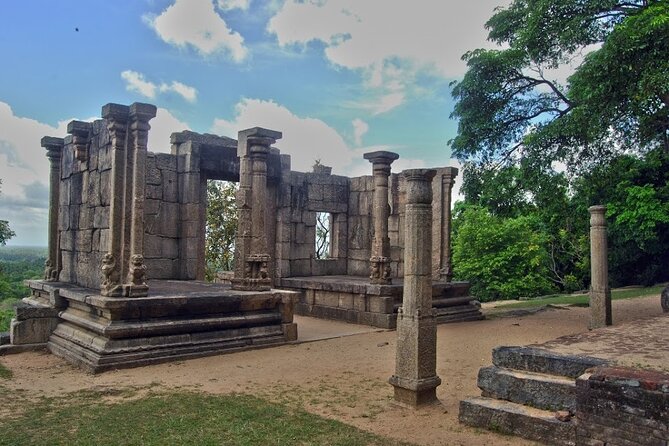
Pickup is offered from Colombo hotels, and the tour uses an air-conditioned vehicle. That matters here. You will spend roughly two hours reaching Dambadeniya, up to an hour and a half traveling onward to Panduwasnuwara, and additional time moving between the sites.
Bring a packed breakfast. Food and drinks are not included, so planning ahead is sensible, especially with such an early start. One liter of water per person is provided, but you may want more for the climb and outdoor walking.
The tour is private, meaning only your group participates. This gives you a more personal setup than a shared excursion. You can ask the English-speaking chauffeur guide to explain a confusing ruin or clarify how the kingdoms connect. No guide name is provided, so you should not expect a named specialist in advance.
The early hour is both a strength and a burden. It gets the day moving before the worst heat, but it also means this is not a relaxed holiday morning. If you prefer slow breakfasts and late starts, the schedule may feel severe.
Dambadeniya and the palace of Parakramabahu II
After about two hours on the road, the first stop is Dambadeniya Ancient Kingdom Museum and the nearby royal complex. Plan on about one hour here.
Dambadeniya reached its height in the mid-thirteenth century under King Parakramabahu II. He is remembered not only as a peaceful ruler but also for supporting Sinhalese literature. His works, including Kavisilumina and Visuddi Marga Sannasa, connect this political center with an important period of literary activity.
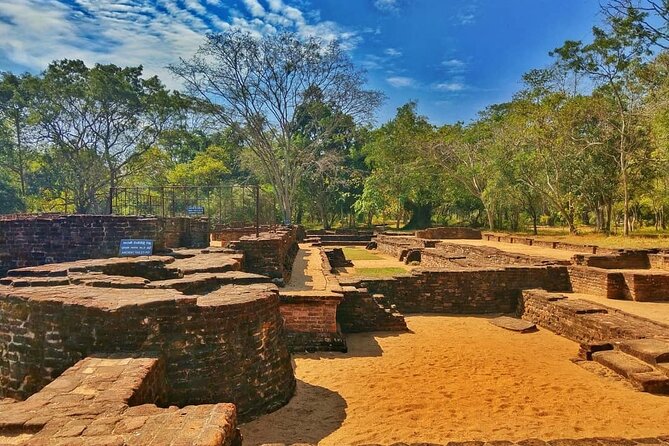
The physical remains are the main reason to stop. You can see the recently excavated remains of the old Temple of the Tooth, where the sacred relic was previously kept. The royal palace complex includes traces of gardens, walls, and moats, giving you more than a single isolated monument.
Dambadeniya is not presented as a grand, complete palace. Much of the experience comes from reading the ground plan and picturing how the complex worked. Walls marked power and defense. Gardens softened the royal enclosure. Moats added protection. The temple linked kingship with Buddhism and the Tooth Relic.
Admission is listed as free for this stop, which helps the value of the day. Your one-hour visit is fairly short, but it gives you a useful introduction before the more dramatic rock setting at Yapahuwa.
Yapahuwa’s staircase and granite citadel
You leave Dambadeniya at about 9:00 am and reach Yapahuwa around 10:30 am. This is the visual highlight for many people, but it is also the most physically demanding stop.
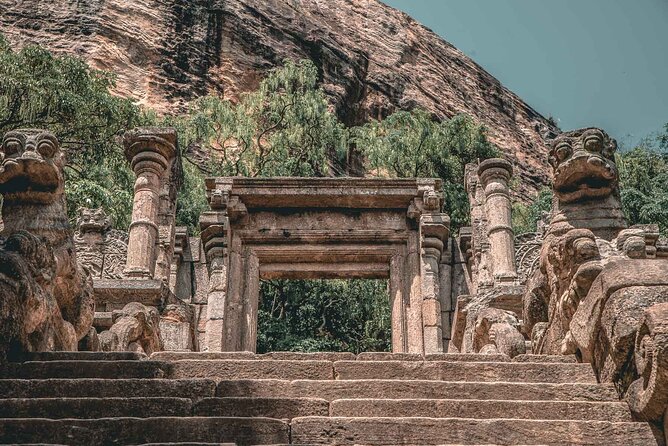
Yapahuwa was built on a huge granite rock, rising almost 100 meters above the lowlands. Its design recalls Sigiriya in the broad sense that a capital and fortress occupy a high rock. The details are different. Yapahuwa is especially known for its wide staircase, stone sculptures, and finely worked carvings on pillars.
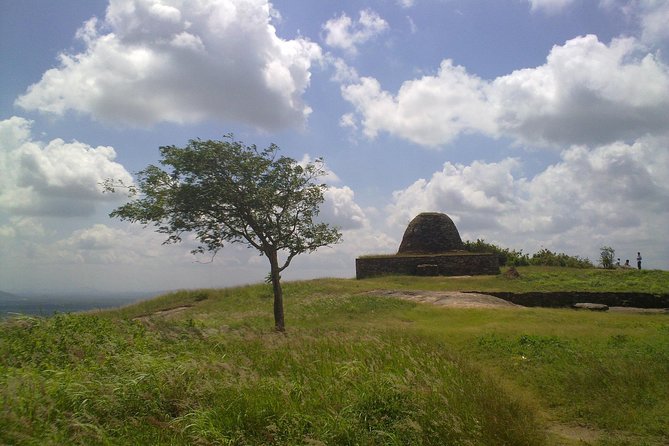
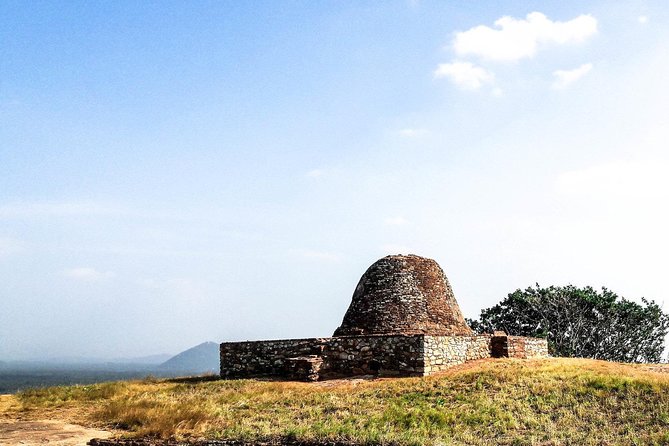
You will spend about two hours here. That longer visit makes sense because the site has both a lower architectural zone and an uphill section. You can climb toward the old fortress and see the ruins of the stupa on the summit. The climb is a key part of the stop, not an optional detail to ignore when planning your day.
The remains also reflect a later religious chapter. After its royal role faded, Buddhist monks used the fortress area as a monastery. The summit stupa includes notable statues and imagery associated with the Kandyan era, showing that the site continued to matter after the capital had been abandoned.
Yapahuwa’s political story is striking. In 1272, King Bhuvenakabahu moved the capital there from Polonnaruwa because of Dravidian invasions from South India. He brought the Sacred Tooth Relic with him. After his death in 1284, the Pandyans invaded again and captured the relic. Yapahuwa then largely lost its royal purpose and became a place for monks and religious ascetics.
Admission is not included, so set aside money for the entrance fee. The supplied details do not state the amount, so you should check the current charge before departure.
You should also take the physical requirement seriously. The tour calls for a moderate level of fitness, and Yapahuwa is the reason. The route involves climbing and outdoor walking on an ancient fortress site. Wear practical shoes and avoid treating this as a drive-up sightseeing stop.
Same island, a completely different kind of day:
- Udawalawe National Park: Elephant Safari with Expert Guide
★ 4.9 · 641 reviews - Colombo Private Tuk-Tuk City Tour with All Entry Fees Included
★ 5.0 · 524 reviews - Colombo: Private Tuk-Tuk City Tour with Guide & All Tickets
★ 4.9 · 471 reviews - 08 Nights in Magical Sri Lanka
★ 5.0 · 443 reviews
Panduwasnuwara’s long span of time
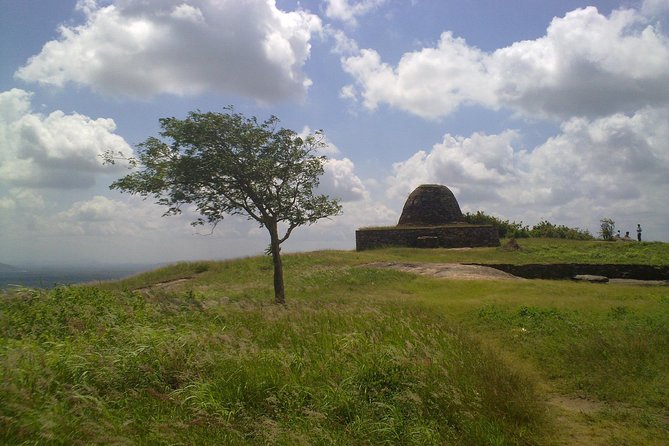
The final major stop takes up to an hour and a half to reach from Yapahuwa. You have about one hour at Panduwasnuwara, a site spread across nearly 12 hectares.
Panduwasnuwara is different from Dambadeniya and Yapahuwa because its story stretches across a much longer period. It was one of Sri Lanka’s early kingdoms and served as a capital in the fifth century BC. The area was used again in the twelfth century, so the ruins combine remains from widely separated periods.
That mixture rewards a slower eye. You are not looking at one single royal era. You are seeing how a place can be reused, altered, and remembered over centuries.
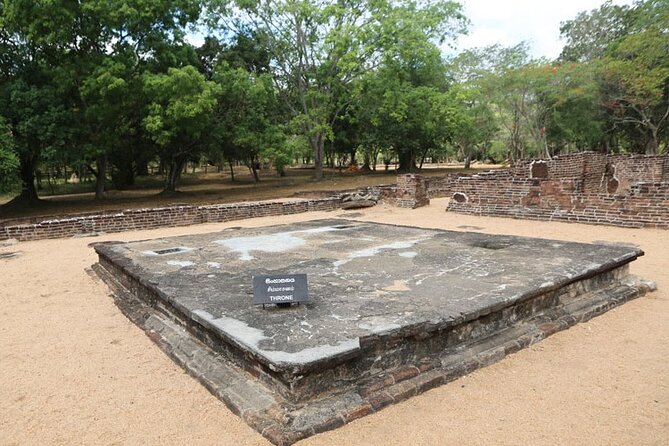
The most notable remains include a recently restored two-story former Temple of the Tooth and the ruins of the royal palace. You will also see Panda Wewa, an artificial reservoir considered one of the earliest irrigation systems made by humans. The reservoir gives the site practical meaning. Ancient capitals needed more than palaces and temples. They also needed water management, food production, and planned settlement.
A museum is part of the visit, although the available details do not specify its collection or layout. The museum can help put the scattered remains into order, especially after a long day of outdoor stops. Admission is not included here either.
One hour is enough for an introduction, but not for a slow study of a 12-hectare site. You will need to follow the guide’s priorities. If your main interest is archaeology and you want time to examine every ruin, this schedule may feel too tight.
Why Yapahuwa appears twice
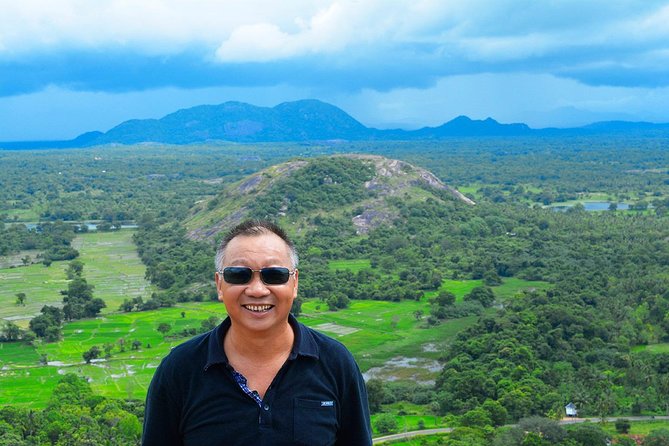
The itinerary includes both a two-hour stop at Yapahuwa Rock Fortress and a separate 30-minute entry titled Yapahuwa Ancient Kingdom. These descriptions refer to the same historical center rather than two unrelated destinations.
The longer stop covers the physical visit, including the rock, staircase, carvings, fortress ruins, and summit stupa. The shorter section explains Yapahuwa’s role as a short-lived capital and the fate of the Tooth Relic after the Pandyan invasion.
That distinction is useful when planning. Do not expect four completely separate archaeological sites. Instead, think of the day as three kingdoms, with Yapahuwa receiving extra attention because it combines dramatic scenery, architecture, and an important political story.
What the $85 price really covers
At $85 per person, this tour is priced as a full private day from Colombo rather than as a simple admission-based outing. The fee includes hotel pickup and drop-off from Colombo hotels, air-conditioned transport, an English-speaking chauffeur guide, and one liter of water per person.
It does not include food, drinks beyond the supplied water, or entrance fees. Those extras can affect your final cost, so include them when comparing this tour with other day trips.
The value is strongest if you are traveling with people who want a private vehicle and a focused historical route. You are covering long distances without arranging separate transport, and you get a guide for three difficult-to-reach former capitals.
The value is weaker if you want only one major monument or dislike long drives. A full day devoted to three sites means less time at each one. You are paying for the route, transport, and access to a connected story, not for extended time at any single attraction.
Group discounts are available, which may improve the per-person cost if you are booking for several people. Confirmation is provided at booking, and the tour is typically reserved about seven days ahead, so leaving it until the final day of your trip may not be wise.
Who will get the most from this tour
I would choose this tour if you have already seen Colombo’s main sights and want a day built around Sri Lankan political and religious history. It suits you if ancient capitals, ruins, temples, and irrigation works interest you more than shopping or beach time.
It also fits a private group that wants control over the pace within a fixed schedule. The English-speaking chauffeur guide can explain the sites while someone else handles the long road sections.
You should think twice if you have limited mobility or do not manage climbs comfortably. The tour requires moderate physical fitness, and Yapahuwa includes an uphill route. The 6:00 am start and 10-hour duration also make this a poor match for a low-key day.
Families with older children may find the variety useful, but the ruins are not presented as a specially designed family activity. Since the supplied information does not give age guidance, you should judge the walking, heat, and long vehicle time for your own group.
Practical advice for a smoother day
Pack breakfast before pickup. You leave Colombo at 6:00 am, and there is no included food service.
Wear shoes suited to uneven outdoor surfaces, especially for Yapahuwa. Bring sun protection and extra water beyond the included one-liter bottle if you expect the climb to be strenuous.
Ask the guide to frame the sites as a sequence. Dambadeniya introduces the royal and religious setting. Yapahuwa shows a defensive capital built around a rock and later used by monks. Panduwasnuwara widens the story across more than two thousand years and adds the practical question of irrigation.
Keep your expectations realistic. These are archaeological sites, not fully rebuilt palaces. Their appeal comes from the surviving foundations, stairways, carvings, reservoirs, and the history you can reconstruct from them.
The experience requires good weather. If poor weather causes cancellation, you are offered another date or a full refund. You can cancel without penalty up to 24 hours before the start time. Changes or cancellations made less than 24 hours before departure are not accepted for a refund.
Should you book the Three Ancient Kingdoms Tour?
Book it if you want a private, history-focused day from Colombo and are willing to trade comfort and free time for access to three less-visited royal centers. Dambadeniya gives you palace grounds and Temple of the Tooth remains. Yapahuwa supplies the memorable climb and the strongest architecture. Panduwasnuwara adds an expansive site with an early reservoir and ruins from several eras.
Skip it if you want an easy excursion with minimal driving or if a steep climb is a serious concern. The tour is long, the admissions and meals cost extra, and one hour at each main stop leaves little room for wandering.
For the right person, the $85 cost is sensible because the route would be awkward to arrange independently in one day. Bring breakfast, wear sturdy shoes, and treat Yapahuwa as the centerpiece. If that sounds like your kind of Sri Lankan history lesson, this is a strong choice.
FAQ
What time does the tour start?
Pickup begins at 6:00 am from Colombo hotels.
How long does the tour last?
The experience lasts approximately 10 hours.
Which ancient kingdoms are included?
The tour visits Dambadeniya, Yapahuwa, and Panduwasnuwara.
Is hotel pickup and drop-off included?
Yes. Pickup and drop-off from Colombo hotels are included.
Is this a private tour?
Yes. Only your group participates in the activity.
What transport is provided?
Transport is provided in an air-conditioned vehicle.
Is a guide included?
Yes. An English-speaking chauffeur guide is included.
Are meals and entrance fees included?
No. Food, drinks, and entrance fees are not included. One liter of water is provided per person.
Is the tour physically demanding?
A moderate level of physical fitness is required. The visit to Yapahuwa includes a climb to the fortress and summit area.
Just added around Colombo
- Yala Full Day Safari with Picnic Lunch – Private & All Inclusive★ 5.0 · 8 reviews
- Yala National Park Full-Day Jeep Safari with Lunch★ 5.0 · 8 reviews
- White Water Rafting at Kitulgala★ 4.0 · 9 reviews
- Sri Lanka: 8 Day Tour with Rich Cultural Experiences★ 5.0 · 14 reviews
- Colombo Tuk Tuk Tour★ 4.5 · 15 reviews
- Colombo Shore Excursion from Cruise Port – Private Small Group★ 5.0 · 6 reviews
- Colombo city tour by car ( Private )★ 5.0 · 36 reviews
- A Udawalawa Park safari, Tour from Colombo/Galle- (All inclusive)★ 4.5 · 6 reviews
Colombo Tours, compared.
Private Tuk-Tuk City Tour with All Entry Fees
Read our review →
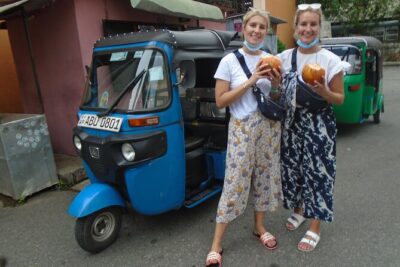
Colombo Tuk Tuk City Tour -Sightseeing Entry Fees & Food Included
Read our review →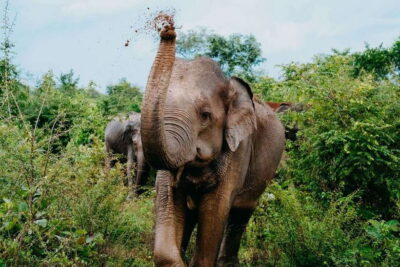
Udawalawe National Park: Elephant Safari with Expert Guide
Read our review →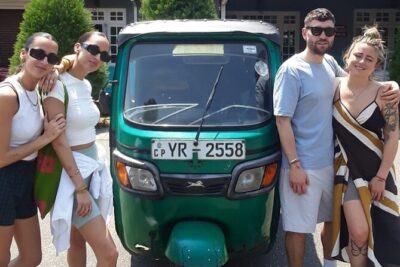
Colombo Private Tuk-Tuk City Tour with All Entry Fees Included
Read our review →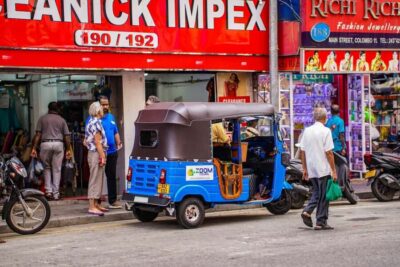
Private Tuk-Tuk City Tour with Guide & All Tickets
Read our review →