
Reviewed · TUK-TUKS
Colombo City Highlights by Tuk Tuk – All-Inclusive Adventure
Colombo makes most sense from the back seat of a tuk-tuk. You slip through market lanes, pause at temples and monuments, and cover far more ground than you could on foot. The food stops make this more than a sightseeing loop, with local lunch on morning departures and street-food dinner on afternoon tours.
I like the private format, since your guide can adjust the pace and spend more time at a place that matters to you, such as the Red Mosque. I also like the cold water, fresh coconut drinks reported on some tours, tea and coffee tastings, and a proper Sri Lankan meal built into the price. The main consideration is pickup: hotel collection is within Colombo city limits, but port passengers may need to walk to a nearby hotel, and the busy roads can make timing less predictable.
Key points at a glance
- Pettah Market by tuk-tuk: Spend about 40 minutes around Colombo’s intense shopping district, where narrow streets sell almost everything.
- A strong mix of sights: The route links a Hindu temple, Buddhist temple, Red Mosque, Colombo Fort, Viharamahadevi Park, and Independence Memorial Hall.
- Food is part of the plan: Morning tours finish with local lunch. Afternoon departures usually end with kottu, egg hoppers, and other street-food dishes.
- Guides who personalize the day: Obama is especially praised for storytelling, careful driving, and adapting the route. Kusal, Rishad, and Majid are also named as guides on different departures.
- Private, but not always solitary: Your own group rides privately, though several tuk-tuks may travel together if other bookings are running at the same time.
- Plan around the coffee stop: The local coffee shop is closed on Sundays and public holidays, so that part may not operate every day.
Why a Colombo tuk-tuk is the right starting point
At $44 per person, this is a useful first look at Colombo, especially if you have only one day in the city. A three to four-hour outing combines transport, guiding, admission to the listed temples, drinks, tastings, and a meal. That is a fair package for a private experience, though the value depends on how much food you sample and how well the route matches your interests.
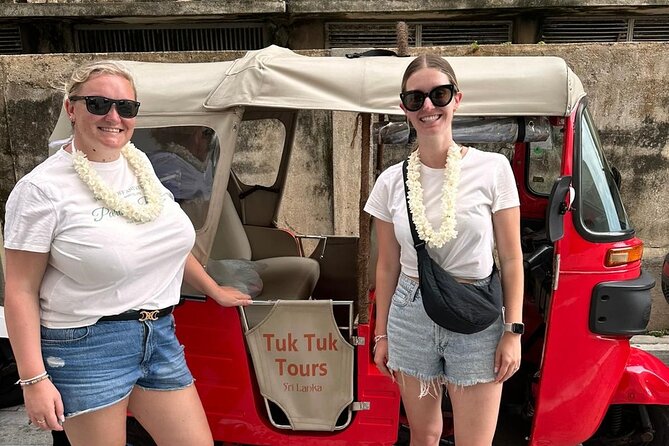
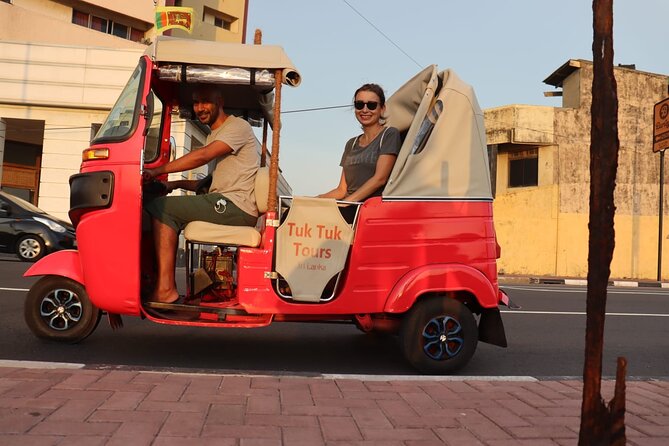
The tuk-tuk is not just a novelty ride. It is a practical way to move between Colombo’s separate districts. You get a close view of the street, hear the city around you, and avoid committing to long walks in heat or rain. Umbrellas are provided, and bottled water is kept in an onboard cooler.
The format is private for your party, but do not assume you will be the only tuk-tuk on the road. One large party reported traveling in a group of five vehicles, each with its own ride, guide, and driver. That arrangement can be useful for families or cruise groups, but it may feel less personal than a completely independent outing.
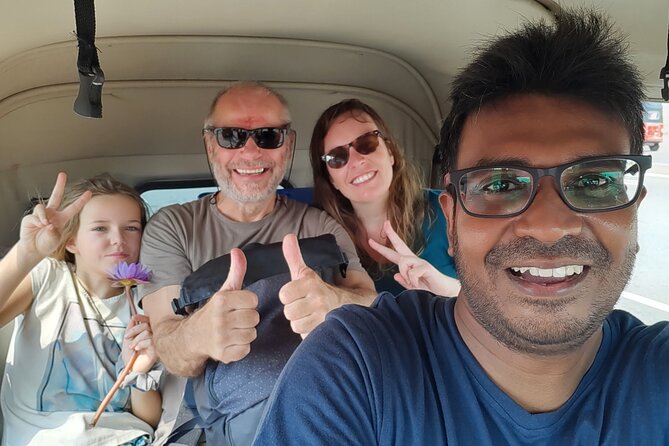
Guides vary by departure. Obama receives the strongest praise in the supplied feedback, particularly for clear English, safe driving, local knowledge, and a calm manner. Kusal is also singled out for a well-planned route and a very good lunch stop, while Rishad and Majid are named on another highly praised outing. The operator may assign a different guide, so treat these names as helpful possibilities rather than a guarantee.
A few more Colombo trips to weigh up
- Colombo: Private Tuk-Tuk City Tour with All Entry Fees
★ 4.9 · 2,154 reviews - Colombo Tuk Tuk City Tour -Sightseeing Entry Fees & Food Included
★ 5.0 · 678 reviews - Colombo Private Tuk-Tuk City Tour with All Entry Fees Included
★ 5.0 · 524 reviews
Starting near Colombo Fort
The stated meeting point is 48 Janadhipathi Mawatha, near Colombo Fort. Hotel pickup is offered inside Colombo city limits, with collection by tuk-tuk. Pickup from Negombo or the airport requires an extra fee and a private vehicle.
The port needs special care. The tour information says pickup is not directly at the port, even though booking systems may allow a port terminal to be selected. In practice, you may be told to walk to a nearby hotel, sometimes about 600 meters from the port gate. That walk can be unpleasant because tuk-tuk drivers may approach aggressively around the gate.
If you are arriving by ship, confirm the meeting place before you leave the terminal. Allow extra time for the port exit and the walk. One party had a stressful start because of confusion at the gate, although the tour itself went well afterward. Clear communication through WhatsApp was praised by several people, so check your messages before disembarking.
The return point is the original meeting point unless another arrangement is confirmed. Cruise passengers should not cut the schedule close to all-aboard time. Colombo traffic is manageable on a quiet Sunday, but Pettah can slow the ride, and weekday traffic may take longer.
Sri Kailawasanathan Swami Devasthanam Kovil
The first listed stop is Sri Kailasanathar Swami Devasthanam, also called Captain’s Garden Hindu Temple or Kapikaawatha Shivan Temple. It sits behind Colombo Fort railway station and offers a quick introduction to Colombo’s Hindu religious life.
You have about 15 minutes here, with admission included. That is enough for a look around and an explanation from your guide, but not a slow architectural study. The stop works best as part of the larger pattern of the day: Colombo is shaped by Hindu, Buddhist, Muslim, Christian, colonial, and commercial influences, and this temple gives you the Hindu chapter early in the route.
Dress and behavior should be respectful at any religious site. The itinerary does not spell out a formal dress code, so follow your guide’s instructions and be prepared to remove shoes if requested. Since this is a short stop, ask questions while you are there rather than expecting a long independent visit.
Pettah Market and the Red Mosque
Pettah is where the tour shifts from monuments to daily commerce. Its narrow market streets serve local shoppers looking for goods at different qualities and prices. The district can feel chaotic, but that is precisely its appeal. You see Colombo functioning as a working city rather than as a row of polished attractions.
The scheduled stop is about 40 minutes, which gives you time to walk, look, and absorb the movement without turning the whole tour into a market visit. If you want to shop, say so early. One party specifically wished for more free time in local markets, so the standard route may prioritize seeing the district over making purchases.
Within Pettah, you may also see the Jami Ul-Alfar Mosque, widely called the Red Mosque. Its red-and-white spiral pattern makes it one of Colombo’s most recognizable buildings. The supplied details describe it as an iconic structure designed in the early twentieth century. The tour presents it as a photo and explanation stop, not necessarily a full interior visit, so ask what access is possible on the day.
Pettah is also a place to keep belongings secure and stay close to your group. The narrow streets and traffic require attention. A tuk-tuk tour gives you an efficient introduction, but you will want more time on foot if markets are a major priority.
Same island, a completely different kind of day:
- Sri Lanka Personal Tour Driver in private vehicle
★ 5.0 · 747 reviews - Udawalawe National Park: Elephant Safari with Expert Guide
★ 4.9 · 641 reviews - Colombo: Private Tuk-Tuk City Tour with Guide & All Tickets
★ 4.9 · 471 reviews - 08 Nights in Magical Sri Lanka
★ 5.0 · 443 reviews
Colombo Fort and the city’s colonial layers
The Colombo Fort area explains why the city became such an important port. Portuguese forces built a fortified trading base there in the fifteenth century, and the Dutch later took control and expanded the colonial presence.
This part of the route is valuable because it connects the market streets to the city’s political and trading past. Your guide can point out how railway lines, harbor activity, old commercial buildings, and modern Colombo overlap. The supplied itinerary gives no exact stop length for the Fort, so expect a shorter viewing and explanation rather than a long museum visit.
This is one of the moments when having a local guide matters. From a tuk-tuk, you may pass quickly through an area that looks like ordinary city traffic. With context, the same streets become part of the story of European trade, Sri Lankan commerce, and Colombo’s continuing role as a capital and port.
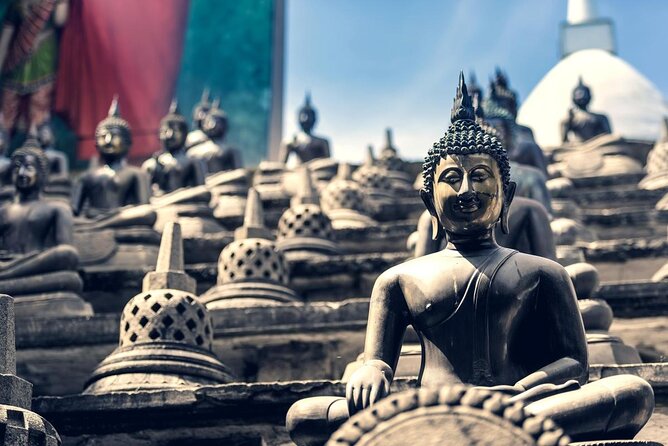
Gangaramaya Temple and the Buddhist collection
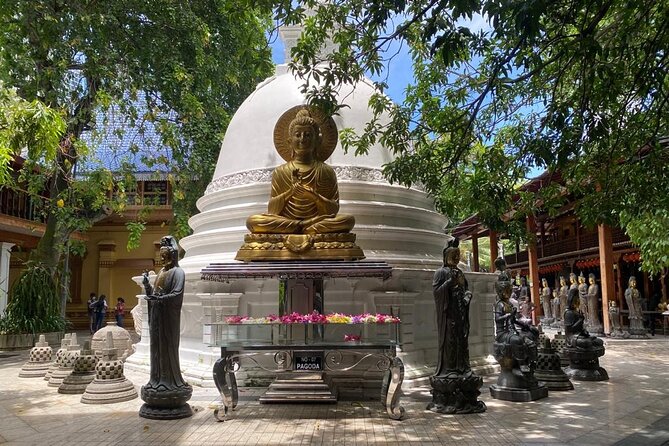
Gangaramaya Temple is one of Colombo’s best-known Buddhist sites and has a history of about 120 years. Its colorful temple buildings also contain a small museum filled with artifacts and antiques from Sri Lanka and other Buddhist cultures.
You have around 20 minutes, with admission included. The collection is broad rather than quiet or minimalist, so expect plenty to look at in a compact space. The temple can feel visually crowded, but that is part of its character. It gives you a sense of how a working religious institution can also serve as a place for objects, teaching, and cultural memory.
Listen closely to the guide here. The value is not only in taking photographs, but in understanding what you are seeing and how Buddhist practice fits into Colombo. Keep the visit respectful, follow any instructions about footwear or photography, and remember that this remains an active place of worship.
Viharamahadevi Park and Independence Memorial Hall
Viharamahadevi Park, formerly called Victoria Park, sits in Colombo’s Cinnamon Gardens in front of the colonial-era Town Hall. It was created under British rule and provides a change of pace after Pettah’s tight streets and the temple interiors.
The park is listed as a viewing stop rather than a long walk. You may appreciate it most as a short breath of open space and a chance to see a different part of the capital. If you want extended time in the park, ask whether the guide can adjust the route, since this is a private tour.
The final named attraction is Independence Memorial Hall at Independence Square in Colombo 7. Built to mark Sri Lanka’s independence from Britain, it gives the tour a clear political and national focus after the colonial story around Fort.
You receive about 20 minutes here, with no admission charge listed. The hall and square are good places for photographs and a short explanation of modern Sri Lankan identity. The sequence of stops is sensible: religion and commerce first, colonial trade next, then parks, national memory, and independence.
Tea, coffee, water, and the meal that changes by time of day
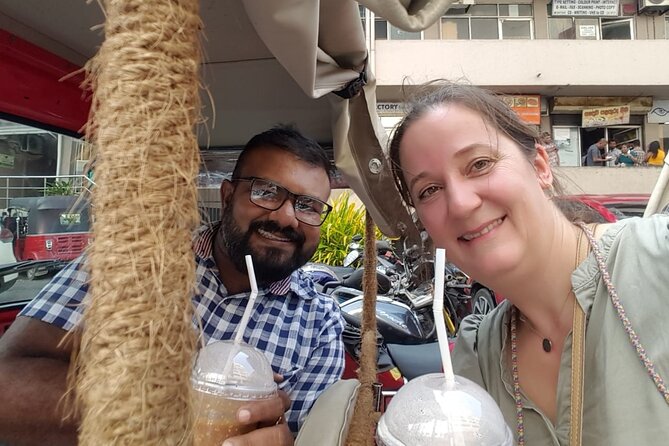
Food and drink are not side notes here. A morning tour includes a visit to a local market to see how Sri Lankan coffee is made, followed by a cup and a Ceylon tea tasting at a small shop. The coffee stop is closed on Sundays and public holidays, so you may not receive that part on those dates.
The tea and coffee stop adds useful local context, but it may also include a sales pitch. One solo participant enjoyed the tasting but did not like the hard sell. You can listen, taste, and decide for yourself without assuming you need to buy anything.
Morning departures usually finish at a local restaurant for Sri Lankan lunch. The food is described as tasty and genuinely local, with a simple setting rather than a polished restaurant aimed at international visitors. That is a plus if you want everyday food, though diners seeking familiar menus or a slow formal meal may find the experience basic.
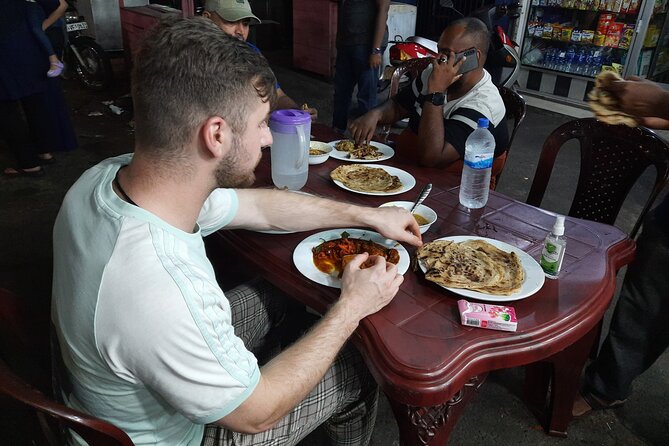
Afternoon tours normally begin around 3:30 pm and finish with local street food. Dishes can include kottu and egg hoppers, along with other options. This is a better choice if you want to eat as the city shifts into evening, while the morning option suits anyone who prefers lunch and daytime sightseeing.
Bottled water is provided for each person. Lion beer is kept in the cooler, and you are encouraged to bring your own alcohol as well. Some outings have included fresh coconut water, mango drinks, flowers, or an onboard beer, but these extras should not be treated as guaranteed features.
Comfort, safety, and the pace of the ride
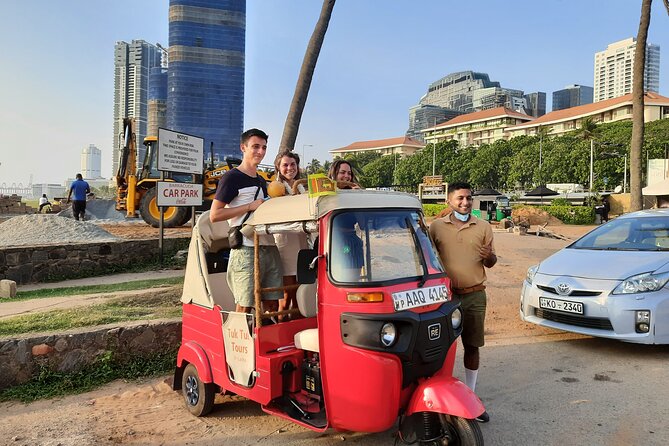
Tuk-tuks are open-sided, so you get air and a clear view, but you also get sun, road noise, and exposure to traffic. The provided umbrellas help with sun and rain. Wear clothes that can handle heat, and keep phones, hats, and loose items secure during the ride.
Driving quality matters in Colombo. Obama is repeatedly praised for handling traffic safely and for making solo passengers feel comfortable. Other descriptions also highlight friendly, careful drivers. Still, a tuk-tuk ride takes you out of a conventional comfort zone, particularly on crowded roads, so this is not the best fit if you dislike open vehicles or city traffic.
The tour is suitable for most people, and it has worked for mixed-age groups including children and a grandmother. The private setup makes it easier to pause or adjust the route, although exact flexibility depends on the day’s timing and traffic.
The standard duration is three to four hours, but some outings have lasted about five hours. That difference may reflect pickup arrangements, traffic, extra stops, or a customized schedule. If you have a flight, ship departure, or fixed appointment, tell the operator in advance and leave a generous buffer.
Who gets the best value from the $44 price
I see the price as strongest for first-time visitors who want an orientation rather than a single attraction. You are paying for private transport, a guide, several cultural stops, water, tastings, and either lunch or dinner. Paying separately for a car, guide, meals, and entrance fees could easily become less convenient, even if the exact comparison depends on your group size.
The value is also good for families and small groups. You can stay together, avoid negotiating separate rides, and ask for explanations suited to your interests. Solo visitors pay the full per-person rate, but the included food and private attention can still make it worthwhile if you want an easy first day.
I would be less enthusiastic if your main goal is serious shopping, long temple visits, or a full museum day. Pettah receives about 40 minutes, the temples receive short visits, and the route covers many places. This is a sampler with local food, not a deep study of one neighborhood.
Free cancellation is available up to 24 hours before the start time. Changes or cancellations inside that window are not refunded, and poor weather can lead to a new date or a full refund. Since the ride is open-sided, checking the forecast is sensible.
Should you book this Colombo tuk-tuk tour?
Book it if you want a friendly, efficient introduction to Colombo and you like the idea of seeing the city at street level. It is particularly useful on arrival day, for a short stay, or after a cruise when you need a broad orientation without arranging several separate rides.
Choose a morning departure for coffee, tea, and local lunch. Choose the afternoon option for street food, kottu, egg hoppers, and a livelier finish. If the Red Mosque or Pettah matters most to you, say so at the start and ask for enough walking time.
I would book with three points in mind: confirm the pickup location, allow extra time around the port, and expect a fast-moving overview rather than long visits. With those expectations, the private tuk-tuk format, strong guiding, and included meal make this one of the more practical ways to get your first feel for Colombo.
FAQ
How long does the Colombo tuk-tuk tour last?
The stated duration is approximately three to four hours. Some outings have taken around five hours, depending on traffic, pickup arrangements, or the agreed pace.
What is the price?
The listed price is $44 per person.
Is this a private tour?
Yes. Only your group participates in the private activity, although several tuk-tuks may travel together when larger parties or multiple bookings are involved.
Is hotel pickup available?
Yes. Pickup by tuk-tuk is available from hotels within Colombo city limits.
Can I be picked up at the airport or in Negombo?
A private vehicle for pickup from outside Colombo, including Negombo or the airport, is available for an additional fee.
Where does the tour start?
The stated meeting point is 48 Janadhipathi Mawatha in Colombo, near the Colombo Fort area.
Does the tour pick up directly at the port?
Direct port pickup is not included. Cruise passengers may be asked to walk to a nearby hotel, so confirm the exact meeting point before leaving the terminal.
Is lunch included?
Morning tours finish with a Sri Lankan local lunch at a local restaurant.
Is dinner included?
Afternoon tours normally start around 3:30 pm and finish with local street food, including dishes such as kottu and egg hoppers.
Are tea, coffee, and drinks included?
Yes. The experience includes a coffee tasting and Ceylon tea tasting when the coffee shop is open, bottled water, and Lion beer. The coffee shop is closed on Sundays and public holidays. An umbrella is also provided.
Just added around Colombo
- Yala Safari All-Inclusive Package with Convenient Pick Up★ 4.4 · 3 reviews
- Wilpattu: Private Safari Day Trip with Lunch & Entry Fees★ 4.6 · 9 reviews
- Visit sri Lanka 7 Days Round Trip★ 5.0 · 18 reviews
- Tuk Trip is Very Cheap in Colombo (All-inclusive ) city tour★ 3.4 · 5 reviews
- Tuk Tuk Tales of Colombo From Cruies★ 4.6 · 4 reviews
- Tuk Trip is Very Cheap in Colombo (All-inclusive ) city tour★ 4.5 · 5 reviews
- Yala Full Day Safari with Picnic Lunch – Private & All Inclusive★ 5.0 · 8 reviews
- Three Ancient Kingdoms Tour | from Colombo★ 5.0 · 18 reviews
Tuk-Tuks, compared.
Private Tuk-Tuk City Tour with All Entry Fees
Read our review →
Colombo Tuk Tuk City Tour -Sightseeing Entry Fees & Food Included
Read our review →
Colombo Private Tuk-Tuk City Tour with All Entry Fees Included
Read our review →
Private Tuk-Tuk City Tour with Guide & All Tickets
Read our review →
Kandy to Ambuluwawa & Kandy City Guided Tuk Tuk Day Tour
Read our review →
Colombo Local Food Tour by Tuk Tuk – All Inclusive
Read our review →Browse the lists this tour appears in