
Reviewed · KANDY TOURS
Flavours of Sri Lanka
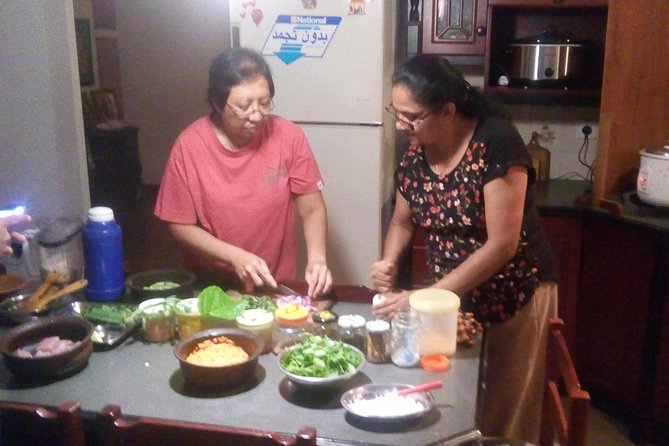
The best part of this Kandy cooking class starts before the stove is lit. Chitra takes you into her home garden to pick vegetables, herbs, and other ingredients for the meal. You then turn those ingredients into rice and five curries, using homemade curry powder, coconut milk, and traditional clay pots.
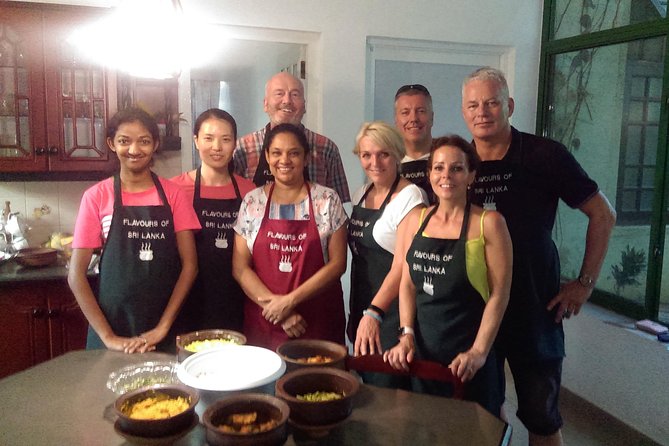
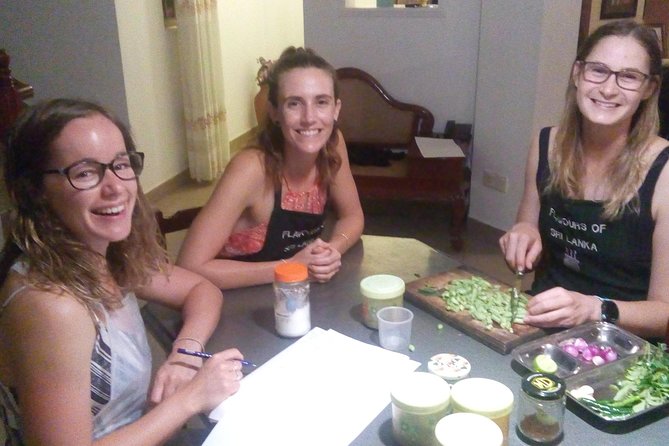
I like the class’s hands-on format. You are not simply watching a chef work while a plate appears at the end. You crack coconuts, scrape them, extract the milk, and help with each stage of preparation. I also like the small maximum of eight people, which gives Chitra room to answer questions and keep everyone involved.
The main consideration is the setting and length. This is a home-based, three-hour experience rather than a polished restaurant demonstration, and the 3:30 pm start means it takes up much of your afternoon. Alcohol is not included, though spring water is available.
Key points to know before booking
- Pick ingredients in Chitra’s garden: Your meal begins with fresh vegetables, herbs, and other cooking ingredients gathered at the home.
- Make a full Sri Lankan meal: The class prepares rice with five curries, not just one familiar dish.
- Learn the coconut process: You crack and scrape coconuts, then extract fresh coconut milk for the curries.
- Cook in traditional clay pots: Homemade curry powder and clay cookware give the lesson a strong connection to local kitchen methods.
- Dietary needs can be handled: Vegan, vegetarian, and gluten-free meals are available when arranged through the experience.
- Eat together afterward: The class finishes with dinner and conversation about Sri Lankan history, culture, and daily life.
Starting with a garden walk in Kandy
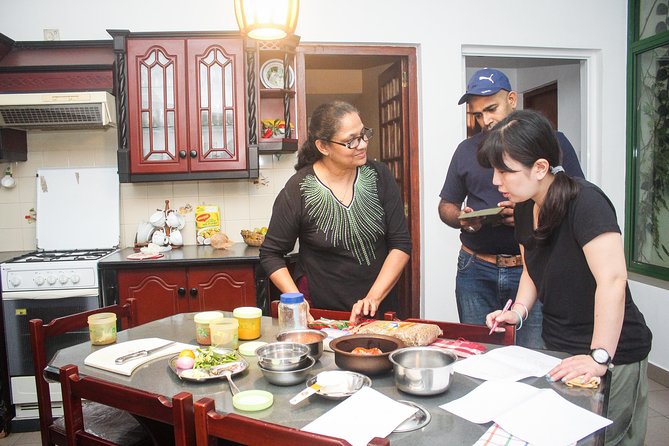
The class begins at Glory Homestay, 46 Meda Bowala Road, Kandy 20000, at 3:30 pm. Instead of opening with a table covered in pre-measured ingredients, Chitra leads you into her garden first.
That small choice changes the feel of the class. You see where some of the meal begins, and you get a closer look at the herbs and vegetables used in Sri Lankan cooking. For you, this makes the food less abstract. A curry is not just a sauce from a recipe card. It is a combination of plants, spices, coconut, heat, and time.
The garden visit is also a practical introduction. Chitra can show you the ingredients before they are chopped or cooked, helping you connect their appearance with their role in the finished dishes. If you enjoy food markets, gardens, and local kitchens more than formal sightseeing, this opening should suit you.
The available information does not promise a long garden tour or a particular list of crops. You should think of it as the first part of the cooking lesson, not as a separate botanical visit. The focus is on selecting ingredients that will go into the meal.
Other Kandy days worth booking alongside this:
- Kandy Private Guided City Tour by Tuk Tuk
★ 4.9 · 1,307 reviews - From Kandy: Sigiriya Rock & Dambulla Cave Temple Adventure
★ 4.9 · 785 reviews - Kandy Village Cooking Class
★ 5.0 · 536 reviews
Understanding Sri Lankan curry powder
After gathering ingredients, Chitra introduces the curries and explains the spices used in them. The lesson includes the traditional way of preparing curry powder, along with tips that are not usually covered in a basic cooking demonstration.
This is one of the more useful parts for anyone who wants to repeat the food at home. Sri Lankan curry is not one fixed formula. The character of the dish depends on the spice blend, the vegetables or lentils being cooked, and the use of coconut. Learning how the powder is prepared gives you a better sense of why two curries can look similar but taste quite different.
You will get a hands-on role in preparation rather than simply standing back. Chitra is an experienced culinary instructor, and the small group gives her a fair chance to correct a technique, explain a spice, or answer a question before the cooking moves on.
The class can include dishes such as lentils and jackfruit curry, with the exact meal shaped around dietary preferences. Since the available details do not list a fixed five-dish menu, you should not book expecting specific curries by name. The stronger promise is variety and a full Sri Lankan meal.
Cracking coconuts and making fresh milk
The coconut section adds a useful bit of work to the lesson. You crack the coconuts, scrape the flesh, and extract coconut milk, an important ingredient in Sri Lankan cuisine.
This is not a quick shortcut. It takes more effort than opening a can, which is precisely why it helps you understand the cooking process. Fresh coconut milk can be used to soften spices, add body, and balance the heat of a curry. You get to see each step instead of treating coconut milk as an anonymous liquid from the supermarket.
For many people, this will be the most memorable physical task of the class. It gives the experience a clear sense of place and connects the meal to traditional home cooking. It also keeps the lesson active. You are chopping, scraping, mixing, and preparing rather than only listening.
The practical drawback is that hands-on work can take time. Three hours is enough for a full meal, but the pace may feel busy if you want long explanations about every ingredient. If you prefer a relaxed demonstration with little participation, this format may not be ideal. If you want to learn by doing, it is a strong fit.
Cooking five curries in clay pots
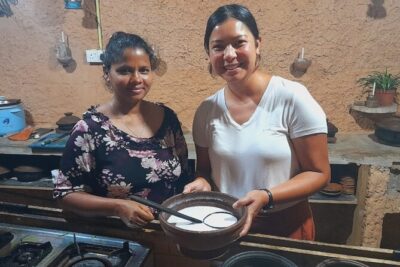
The central meal is rice with five curries, prepared according to your dietary preference. All the curries are cooked in traditional clay pots with homemade curry powder.
Five curries may sound like a lot for one lesson, but Sri Lankan meals often depend on contrast. A plate can bring together different textures, colors, levels of heat, and degrees of richness. Lentils, vegetables, jackfruit, coconut-based preparations, and other dishes can work together rather than competing for attention.
The clay pots matter because they keep the cooking tied to the traditional method described by Chitra. You are not just learning a generic curry recipe in a modern kitchen. The equipment, spice blend, coconut preparation, and shared meal all point toward how food is made in a Sri Lankan home.
You should also expect to take part at each stage. The experience promises hands-on involvement throughout preparation, so you will likely help with tasks rather than waiting for the final tasting. The exact division of work can vary with the group size and dietary requests, but a maximum of eight people should make personal participation realistic.
Do not expect a professional restaurant kitchen or a refined cooking-school setup. All necessary kitchen equipment is included, but the setting is Glory Homestay and the lesson is home-based. That is part of its appeal, though anyone seeking a highly formal culinary course may find it more casual than expected.
Same island, a completely different kind of day:
- Kandy to Ella Train Tickets – Reserved Seats
★ 4.5 · 523 reviews - From Kandy: Pinnawala Day Tour
★ 4.8 · 331 reviews - Kandy to Ambuluwawa & Kandy City Guided Tuk Tuk Day Tour
★ 4.8 · 270 reviews - Day tour to Sigiriya & Dambulla from Kandy
★ 5.0 · 252 reviews
Eating the meal you helped prepare
Once the cooking is finished, you sit down for dinner with Chitra and the rest of the group. The meal is included in the price, as is unlimited boiled and filtered spring water.
This shared ending gives the class a clear purpose. You are not merely practicing techniques and leaving with a small sample. You eat rice and the curries made during the afternoon, which lets you compare the finished dishes and understand how the separate parts work together.
The meal also creates time for conversation about Sri Lankan culture, history, and lifestyle. That social element is central to the experience. The strongest praise directed at Chitra focuses on her warm hospitality, the enjoyable group atmosphere, and the pleasure of learning from her directly.
I particularly like this structure for a first visit to Kandy. Food can explain daily life in a way a quick photo stop cannot. You get to ask questions while eating, and the meal gives the earlier work a satisfying finish.
Alcoholic beverages are not included. If you want a drink beyond the supplied water, you will need to handle that separately, and you should not assume alcohol is part of the dinner.
Dietary choices and group size
The class can provide vegan, vegetarian, and gluten-free meals. That makes it easier to book with different eating preferences in the same party, but you should state your needs when arranging the experience rather than waiting until the class begins.
The wording supports meals according to dietary preferences, but it does not provide a full allergy policy or guarantee against cross-contact. If you have a serious allergy, contact the provider before booking and explain exactly what you need.
The maximum group size is eight people. That is small enough to keep the class personal without making it feel like a private lesson. You should have a reasonable chance to participate in the cooking, hear Chitra’s explanations, and ask about the spice blends or preparation methods.
A small group also helps the shared dinner. With fewer people at the table, conversation about food, culture, and local life can feel more natural. The tradeoff is that the class may not suit you if you want complete control over every dish. A group meal means some tasks and decisions are shared.
Is $25 good value?
At $25 per person, the class offers strong value if you want both instruction and dinner. The price covers about three hours of activity, all kitchen equipment, the meal you prepare, and unlimited boiled and filtered spring water.
You are also paying for more than food. The garden visit, coconut preparation, curry powder lesson, clay-pot cooking, and conversation with Chitra form one connected experience. A restaurant meal would give you the finished curries, but not the work or explanation behind them.
The value is especially good for anyone who wants to recreate Sri Lankan dishes at home. You learn several parts of the process that are easy to skip in a short demonstration, including making curry powder and extracting coconut milk. The class does not simply hand you a plate and a quick recipe.
Still, the price should be judged against your interests. If you dislike cooking, have only a short time in Kandy, or want a sightseeing activity instead, three hours may feel like a large time commitment. If you are comparing it with a casual meal, remember that dinner is only one part of the experience. The real value is the instruction and participation.
Timing, transport, and the home setting
The fixed start time is 3:30 pm, and the activity ends back at the meeting point. It lasts approximately three hours, so plan for an early evening finish.
The meeting point is near public transportation, which helps if you are staying elsewhere in Kandy. The information provided does not state that hotel pickup is included, so you should plan to reach Glory Homestay on your own and allow time to find 46 Meda Bowala Road.
The mobile ticket makes access simple at the meeting point. Confirmation is received at the time of booking, which is useful when you are organizing several activities during a Sri Lankan trip.
Because this is a home-based class, your expectations matter. You get a more personal setting and direct contact with the instructor, but you should not expect a large venue, a theatrical cooking show, or a long list of formal facilities. The point is the food, the method, and the time spent around the kitchen table.
Who will enjoy this class most?
I would choose this for anyone who wants to understand Sri Lankan food beyond ordering curry at a restaurant. It suits curious eaters, home cooks, couples, families, and small groups of friends who enjoy a practical activity.
It is also a good choice for people who want contact with everyday food traditions. Picking ingredients, preparing coconut, mixing spices, and eating together offer more insight than a standard meal stop.
Vegetarians, vegans, and people seeking gluten-free dishes have clear options, provided those needs are arranged in advance. The class can also work well for first-time visitors who want an approachable introduction to Sri Lankan flavors without committing to a full-day food tour.
You may want to skip it if you prefer a fast, highly polished attraction. The class requires participation, and the work of preparing a meal is part of the deal. The three-hour schedule is not a drawback for food lovers, but it is worth considering if your Kandy plans are already packed.
Booking and cancellation basics
The experience is priced at $25 per person and has a maximum of eight people. Confirmation arrives when you book, and the mobile ticket is included.
You can cancel for a full refund up to 24 hours before the 3:30 pm start time. Cancellations made less than 24 hours in advance are not refunded, and changes within that window are not accepted. The cut-off follows local time in Sri Lanka, so check the timing carefully if you are booking from another time zone.
Should you book Flavours of Sri Lanka?
Book this class if you want to cook a complete Sri Lankan meal, learn how coconut and curry powder are handled, and spend an afternoon with an instructor in a home setting. Chitra’s warm approach, the small group, and the meal of rice with five curries are the main reasons to choose it.
The class is less suitable if you want a private chef lesson, a fixed menu, or a quick tasting with no kitchen work. For most food-focused visitors to Kandy, though, $25 buys a useful lesson, a substantial dinner, and a personal look at Sri Lankan cooking that you can carry into the rest of your trip.
FAQ
Where does the cooking class begin?
The class begins at Glory Homestay, 46 Meda Bowala Road, Kandy 20000, Sri Lanka.
What time does the experience start?
The cooking class starts at 3:30 pm.
How long does the class last?
The experience lasts approximately three hours.
What meal will be prepared?
You can prepare a typical Sri Lankan meal of rice with five curries, adjusted to your dietary preference.
Are vegan, vegetarian, or gluten-free meals available?
Yes. Meals can be arranged for vegan, vegetarian, and gluten-free diets.
Is dinner included?
Yes. Dinner, made from the food prepared during the class, is included. Unlimited boiled and filtered spring water is also provided.
How many people can join the class?
The activity has a maximum of eight participants.
Just added around Kandy
- Udawalawe National Park Private Full-Day Safari★ 5.0 · 3 reviews
- Kandy City Tour & Famous Ambuluwawa Tower with Friendly Chauffeur★ 5.0 · 11 reviews
- White Water Rafting Kitulgala★ 4.5 · 4 reviews
- From Kandy to Nuwara Eliya Day Tour★ 5.0 · 21 reviews
- Wasgamuwa National Park Safari from Kandy★ 5.0 · 3 reviews
- Tour to the Hidden Waterfalls around Kandy (Knuckles Range)★ 5.0 · 6 reviews
- Private Tuk Tuk Tour of Kandy City & Surroundings★ 5.0 · 35 reviews
- Train tickets from Kandy to Nuwara Eliya or Hatton Station★ 3.0 · 4 reviews
Kandy Tours, compared.



Kandy to Ambuluwawa & Kandy City Guided Tuk Tuk Day Tour
Read our review →

Kandy to Sigiriya Day Tour and Dambulla cave temple with private vehicle
Read our review →Browse the lists this tour appears in