Reviewed · COLOMBO TOURS
Galle Day Tour From Colombo
The best part of this long coastal outing is its variety. In one day, you move from a sacred bodhi tree and Buddhist temple to mangrove waterways, turtle conservation, traditional masks, tsunami history, beaches, and Galle’s old Dutch fort.
I like the private format, since guides such as Krishan, Sachin, Sajith, and Dinesh have been praised for safe driving, flexible planning, and personal help. I also like the mix of major sights and smaller cultural stops, especially the Madu River boat safari and Community Tsunami Museum. The catch is time: with ten stops and the Colombo to Galle road, this is a full, fast day rather than a leisurely coastal holiday.
Key Things to Know Before You Book
- The Madu River safari is the day’s nature highlight: Expect mangrove channels and the chance to spot crocodiles, water monitors, tree snakes, cormorants, and other birds.
- Galle Fort gets a proper two-hour visit: That gives you time to walk through the old Portuguese and Dutch-built quarter rather than making only a quick photo stop.
- You see more than beaches: Temples, a mask museum, a moonstone mine, a turtle center, and a tsunami museum give the day real range.
- The tour is private: Only your group participates, so the guide can adjust the pace and respond to your interests.
- Lunch costs extra: All listed admission fees and taxes are included, but you need to pay for your own midday meal.
- The start is early: Pickup begins at 7 a.m., a sensible choice for fitting the south coast into one day from Colombo.
What This Colombo to Galle Day Tour Really Offers
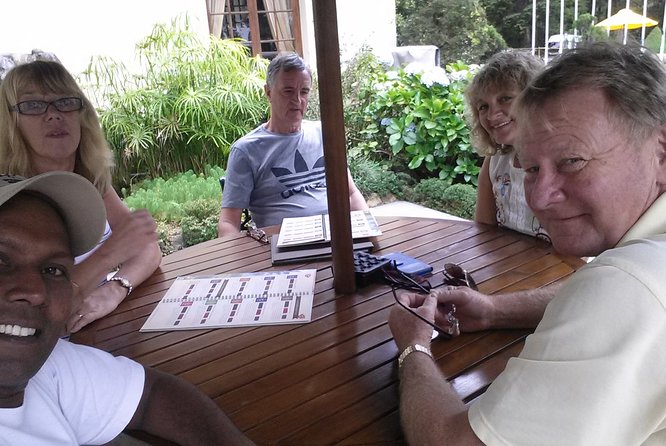
At $113 per person, this is not simply a ride to Galle with a guide attached. It is a private, approximately 12-hour circuit along Sri Lanka’s southwestern coast, with transport, entry fees, a river safari, and a series of guided stops bundled together.
I see the value in the range. A regular Galle excursion often focuses on the fort and perhaps one beach. This outing adds religious sites, wildlife, local craft traditions, conservation, and the memory of the 2004 tsunami. You get a broader picture of the coast, though you give up the freedom to spend half a day at one beach or wander Galle without watching the clock.
The private arrangement matters. You are not waiting for a large group at every stop, and the guide can adapt the day to your needs. Previous guide experiences connected with this operator have highlighted Krishan’s flexibility, Sachin’s helpful driving, Sajith’s attention to comfort and safety, and Dinesh’s informative approach. The specific guide is not guaranteed, so treat those names as examples of the service style rather than a promise of who will arrive.
Other Colombo days worth booking alongside this:
- Colombo: Private Tuk-Tuk City Tour with All Entry Fees
★ 4.9 · 2,154 reviews - Sri Lanka Personal Tour Driver in private vehicle
★ 5.0 · 747 reviews - Colombo Tuk Tuk City Tour -Sightseeing Entry Fees & Food Included
★ 5.0 · 678 reviews
Starting at Kalutara Bodhiya
The first stop is Kalutara Bodhiya, a Buddhist site centered on a bodhi tree believed to be one of 32 saplings connected with the Jaya Sri Maha Bodhi in Anuradhapura.
You have about 45 minutes here, with admission included. That is enough for a calm introduction to Sri Lanka’s Buddhist traditions before the day becomes more active. If you have never visited a Buddhist shrine in Sri Lanka, pay attention to the atmosphere and the role of the bodhi tree, rather than treating this as only a quick sightseeing stop.
Dress respectfully at religious sites. The supplied information does not set out a formal dress code, but modest clothing is the sensible choice for a temple-focused day.
Kande Viharaya Temple and Its Giant Buddha
Next comes Kande Viharaya Temple, another important Buddhist site in the Kalutara area. The temple is formally recognized by the government as an archaeological site, and you have about an hour here with admission included.
This stop adds a second religious perspective to the morning. The visit is useful if you want more than coastal scenery, since it places the beach towns within Sri Lanka’s living religious culture. You should expect a temple visit rather than an entertainment attraction, so allow yourself time to observe, listen, and follow local customs.
The two temple stops come early, when you are less likely to feel rushed. That is good planning. Later, the schedule becomes denser, and the temples provide a quieter start.
Bentota: A Short Look at the Resort Coast
Bentota is a resort town on the southwest coast, known for its long beach and the sandy strip called Paradise Island, which runs alongside the Bentota Lagoon.
The tour gives Bentota about an hour, with no separate admission charge. This is not presented as a full beach day. Instead, it is a chance to see the polished resort side of the coast before moving on to conservation and river scenery.
I would keep expectations clear here. You may have time for views and a short walk, but the overall program does not leave room for a long swim, extended sunbathing, or an unhurried waterfront lunch. Bentota works best as a coastal orientation stop.
Same island, a completely different kind of day:
- Udawalawe National Park: Elephant Safari with Expert Guide
★ 4.9 · 641 reviews - Colombo Private Tuk-Tuk City Tour with All Entry Fees Included
★ 5.0 · 524 reviews - Colombo: Private Tuk-Tuk City Tour with Guide & All Tickets
★ 4.9 · 471 reviews - 08 Nights in Magical Sri Lanka
★ 5.0 · 443 reviews
Meeting the Turtles at Ahungalla
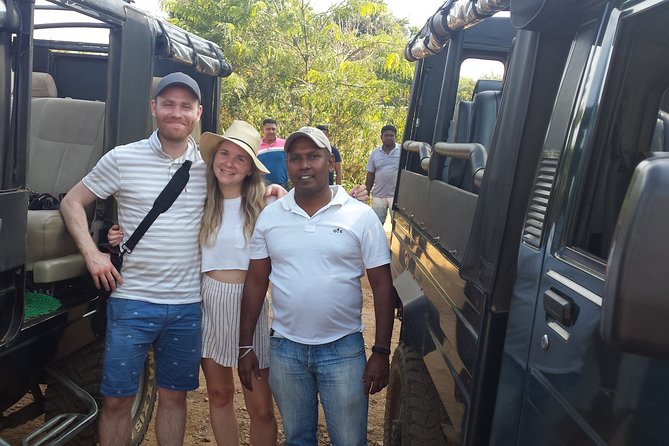
At the Ahungalla Sea Turtles Conservation and Research Center, you spend about an hour, and admission is included.
Sri Lanka is visited by five of the world’s seven sea turtle species for nesting, which gives this stop a clear purpose beyond seeing animals. The center focuses on conservation and research, so the visit can add useful context about turtles along the Sri Lankan coast.
This is one of the better family-friendly parts of the day, but it is also worth approaching with care. A conservation center can be meaningful when you listen to the explanation and think about the work involved in protecting nesting turtles. The supplied details do not specify the exact exhibits or animal-care practices, so do not book expecting a particular hands-on activity.
Because the visit is limited to roughly an hour, you will get an introduction rather than a full marine conservation program. Still, it helps connect the beaches you pass with the wildlife that depends on them.
Cruising the Madu River Mangroves
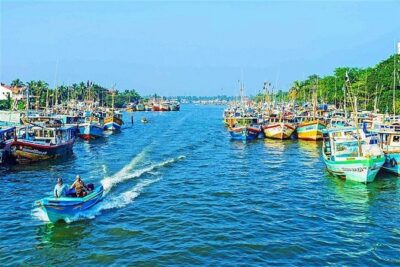
The Madu River safari is the most distinctive activity on the route. The boat trip takes you through mangrove marshes and more secluded waterways, with a chance to see crocodiles, water monitors, tree snakes, cormorants, and other birds.
The listed stop allows about two hours, while the safari itself is described as roughly one and a half hours. In practical terms, plan on a substantial river visit, not a quick boat ride. Admission is included.
I like this part because it breaks up the road travel. You are no longer looking at the coast through a vehicle window. You are moving through the mangrove environment and watching for wildlife. Sightings are never guaranteed, so the value comes from the setting and the possibility of seeing animals in the wild, not from expecting a fixed list of creatures.
The tour also mentions a visit to the old Buddhist temple area connected with the river safari, although the available description is cut off before giving more detail. Your guide can clarify what is included on the day.
Bring patience. Wildlife watching rewards quiet observation, and the river is likely to feel more rewarding if you resist treating it as a checklist. This is also a good point to consider the pace of the entire tour. After several morning stops, the boat ride gives you a longer break from getting in and out of the vehicle.
Ambalangoda Masks and Puppets
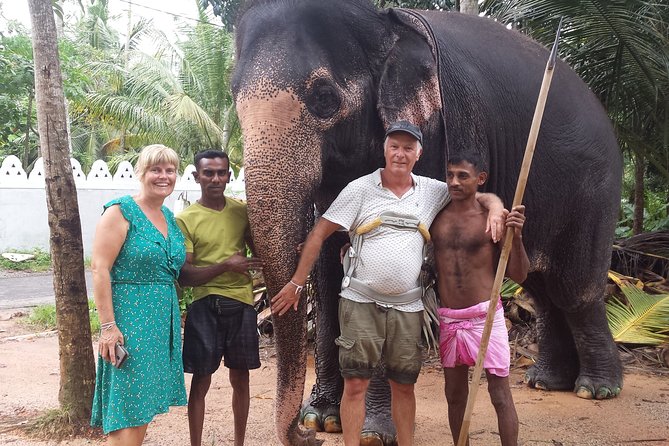
The Ariyapala Mask Museum is in Ambalangoda, an area known for making masks and puppets. You have about 45 minutes here, with no separate admission charge listed.
Traditional masks are among the more memorable cultural objects you can see on Sri Lanka’s southwest coast. The museum offers a look at the craft’s unusual and sometimes mysterious visual style, rather than another generic souvenir stop.
Forty-five minutes is enough for a compact visit. If you are interested in local art, ask the guide to explain how the masks are used and what the different designs represent. The available tour details do not promise a performance or workshop, so plan on viewing and learning rather than making a mask yourself.
This stop is especially useful after the river safari. The day shifts from natural surroundings to handmade objects and local tradition, keeping the program from becoming a string of beaches and historic buildings.
Meetiyagoda Moonstone Mines
The moonstone mine and Gem Palace stop takes about an hour. Meetiyagoda is known for moonstone mining, and the local stones are associated with a blue shine that distinguishes them from Indian moonstones.
Admission is listed as free. As with many mine and gem visits, you should decide in advance how interested you are in the commercial side. The educational value is seeing how moonstone connects to the region and its trade. If you are considering a purchase, take your time and do not feel pressured simply because the stop is part of the tour.
The itinerary calls this a moonstone mine and Gem Palace, but it does not provide details about mining conditions, demonstrations, or buying safeguards. I would enjoy it as a short geological and cultural stop first, and treat shopping as optional.
Remembering the 2004 Tsunami
The Community Tsunami Museum is one of the most serious stops of the day. Its purpose is to educate communities about the tsunami and preserve memories of the disaster that struck Sri Lanka in 2004.
You have about an hour here, with admission included. This visit changes the tone of the tour. After temples, wildlife, craft, and beaches, you are reminded that the same coastline has also faced sudden and devastating loss.
Do not treat this as a light museum visit between attractions. Give the displays and stories the attention they deserve. The community focus is important because it connects a national tragedy with the people and towns along this coast.
For many people, this will be the most emotionally affecting part of the route. It also adds needed context to the beaches and resort towns you see elsewhere in the day.
Hikkaduwa and the Surf Coast
Hikkaduwa is a seaside resort known for surf, palm-lined beaches, restaurants, bars, and shallow water offshore. The tour allows about an hour and does not charge a separate admission fee.
Like Bentota, Hikkaduwa is a brief coastal stop, not a full resort stay. You can take in the beach atmosphere and see one of the southwest’s best-known seaside towns, but the schedule does not promise time for water activities or a long meal.
This stop makes sense as a visual contrast with Galle Fort. Hikkaduwa represents the modern beach side of the coast, while Galle offers fortified walls, colonial-era streets, and older urban character. If beaches are your main reason for visiting Sri Lanka, you may find an hour too short. If you want a broad survey of the coast, it is enough to understand the setting.
Walking Through Galle Dutch Fort
The final major stop is Galle Dutch Fort, with about two hours and no separate admission fee.
The fort began under the Portuguese in 1588 and was extensively strengthened by the Dutch from 1649 onward. Its position on the Bay of Galle and its preserved fortifications make it the historical centerpiece of the day.
Two hours is a useful amount of time for a first visit. You can walk along the fort area, see the old streets and walls, and get a feel for how European colonial powers shaped this port. The tour description does not name specific buildings or promise entry to particular museums, so your experience will focus on the fort district itself and the guide’s explanation.
I would save enough energy for Galle. After a 7 a.m. start and a full list of stops, you may arrive tired. Still, this is the point where the day’s history comes together. The religious sites, trading coast, colonial powers, and modern tourism all meet here.
The two-hour allocation is one of the strongest choices in the program. Galle Fort deserves more than a rushed photograph from the vehicle. If you are deciding between a quick transfer to Galle and this full coastal route, this longer stop gives you a proper first look at the city.
The Pace, Vehicle, and Private Format
The tour begins at 7 a.m., pickup is offered, and the activity is private for your group. A mobile ticket is provided, and the tour is near public transportation, though the day itself is designed around private transport.
The private vehicle is a major practical advantage. Several guide experiences associated with the operator praise the driving, safety, and willingness to help with small needs. One guide, Sachin, was specifically appreciated for professional driving and personal assistance, while Krishan was repeatedly described as accommodating and willing to adjust plans. Those qualities matter on a 12-hour road day.
The schedule is ambitious. The listed visits add up to nearly twelve hours before accounting for driving between Colombo, Kalutara, Bentota, Ahungalla, Ambalangoda, Hikkaduwa, and Galle. Since the total duration is approximately 12 hours, expect the guide to manage timing closely, and understand that stop lengths may shift.
This is not a good match if you want to linger at every temple, take a long lunch, swim at each beach, and explore Galle at your own pace. It is a strong match if you want to cover many sides of the southwest in one organized day.
Is $113 a Fair Price?
At $113 per person, the price includes all fees and taxes, but not lunch. The value improves with a small private group because the cost buys not only transport but also a dedicated day, the river safari, and admission to the included sites.
You are also paying for convenience. Organizing ten stops independently would take planning, local transport, timing, and separate entry arrangements. Here, those pieces are handled in one trip, and you can ask the guide to adjust the day when possible.
The price is harder to justify if your only goal is Galle Fort. For that, a simpler transfer or shorter excursion could make more sense. It is easier to justify if you want temples, wildlife, conservation, craft, difficult history, beaches, and the fort in one package.
Remember to budget for lunch. The tour does not include it, and no specific restaurant or meal arrangement is given. Ask the guide early in the day when and where you will stop to eat, especially since the schedule is tight.
Who Should Book This Day?
I would recommend this tour to first-time visitors staying in Colombo who want a broad introduction to the southwest without arranging several separate outings. Families and small groups may appreciate the private vehicle and the mix of animals, boats, temples, museums, and beaches.
It also suits you if you value a guide who can help beyond basic narration. The strongest service pattern attached to this operator is personal attention: safe driving, help with practical problems, local suggestions, and flexibility when plans change.
I would hesitate if you dislike long road days or prefer slow travel. The number of stops is impressive, but it also means short visits and limited time for spontaneous wandering. Galle itself could easily fill a day, and the beaches deserve longer if swimming and relaxation are your priorities.
Should You Book It?
Book this tour if you want the southwest coast in miniature and like having a private guide manage the details. The Madu River safari, Community Tsunami Museum, turtle center, and two-hour Galle Fort visit give it more substance than a basic beach-and-fort outing.
Skip it if you want a relaxed beach day or an extended stay inside Galle Fort. Before booking, confirm your pickup details, ask which guide is assigned, and discuss your priorities at the start. Free cancellation is available up to 24 hours before the 7 a.m. start, while later cancellations and changes are not accepted.
FAQ
What time does the tour start?
The tour starts at 7:00 a.m.
How long does the tour last?
The experience lasts approximately 12 hours.
Is this a private tour?
Yes. Only your group participates in the private activity.
Is pickup available?
Yes. Pickup is offered.
Is lunch included?
No. Lunch is not included in the price.
Are admission fees included?
All fees and taxes are included. The itinerary also identifies included admission at the Kalutara Bodhiya, Kande Viharaya Temple, Ahungalla Sea Turtles Conservation and Research Center, Madu River safari, and Community Tsunami Museum.
What wildlife might I see on the Madu River safari?
You might see crocodiles, water monitors, tree snakes, cormorants, and other birds. Sightings are not guaranteed.
Can I cancel for a full refund?
Yes, if you cancel at least 24 hours before the experience start time. Cancellations or changes made less than 24 hours before the start are not accepted for a refund.
Just added around Colombo
- Galle Fort & Bentota Day Trip from Colombo★ 5.0 · 3 reviews
- Galle and Bentota Day Tour From Colombo and Negombo★ 4.5 · 13 reviews
- Half Day Private Custom Colombo City Tour★ 4.5 · 5 reviews
- Private Galle Day Tour with Boat Safari & Tea Factory Visit – All Inclusive★ 5.0 · 3 reviews
- Galle Day Trip From Colombo★ 3.5 · 5 reviews
- Galle and 7 places Full Day Tour from Colombo★ 5.0 · 3 reviews
- All Inclusive Galle Day Tour from Colombo & Negombo★ 5.0 · 6 reviews
- Galle Fort, Turtle, – Private Day Tour From Negombo or Colombo★ 5.0 · 4 reviews
Colombo Tours, compared.
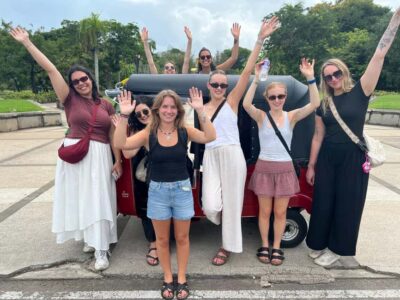
Private Tuk-Tuk City Tour with All Entry Fees
Read our review →
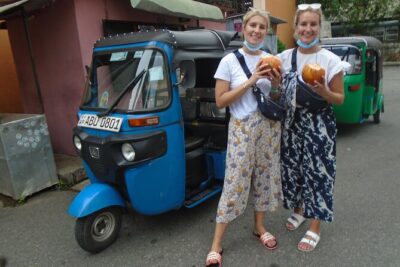
Colombo Tuk Tuk City Tour -Sightseeing Entry Fees & Food Included
Read our review →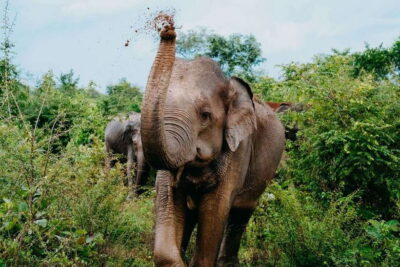
Udawalawe National Park: Elephant Safari with Expert Guide
Read our review →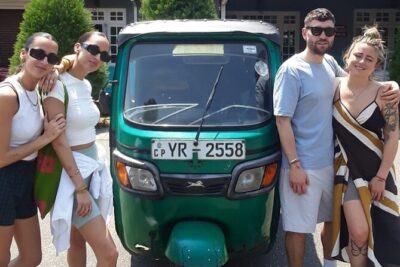
Colombo Private Tuk-Tuk City Tour with All Entry Fees Included
Read our review →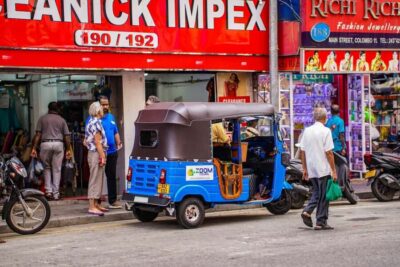
Private Tuk-Tuk City Tour with Guide & All Tickets
Read our review →