

Reviewed · GALLE FORT WALKING TOURS
Galle Fort Heritage Walk by a Certified Heritage Interpreter
Galle Fort makes more sense when you hear the stories behind its walls. This private walk connects the Black Fort, lighthouse, Dutch church, clock tower, Courts Square, and the fort’s planned streets into one clear story, with a certified heritage interpreter to answer your questions as you go.
I like the private format and the access to a hidden gunpowder magazine, which gives the walk something beyond the usual photo stops. I also like that guides such as Yasiru and Epsa keep the focus on history and local culture rather than turning the outing into an unwanted shopping trip. The main drawback is simple: two hours is enough for a strong overview, but not enough for a slow look at every corner, museum room, and street.
Key points to know before you book
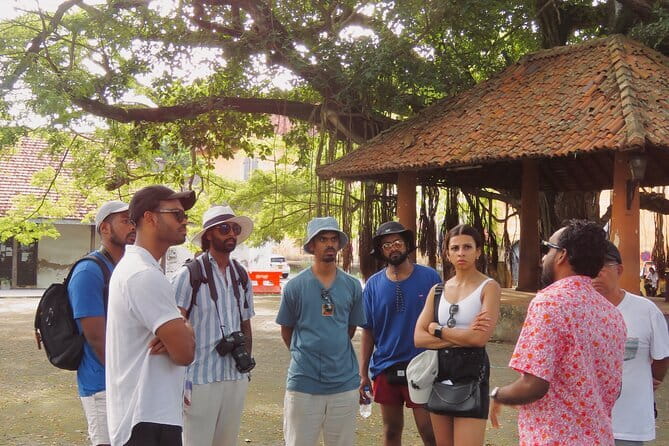
- Private walking tour: Only your group takes part, so you can ask questions and set the pace within the scheduled route.
- Seven major stops: The route covers the Black Fort, lighthouse, old town fortifications, Dutch Reformed Church, clock tower, Dutch Fort, and Courts Square.
- Special access included: Entry to a private museum and a hidden gunpowder magazine adds substance beyond the public streets.
- About two hours long: The advertised duration is roughly two hours to two hours and 20 minutes.
- Strong guide-led focus: Yasiru and Epsa are named guides associated with the experience, and personal questions are encouraged.
- No transport provided: You need to arrange your own way to the walking tour because private transportation is not included.
Why a private guide changes Galle Fort
Galle Fort is easy to walk through and surprisingly easy to misunderstand. You can see thick walls, colonial buildings, churches, courts, and a lighthouse on your own, but the purpose of the streets and defenses is less clear without someone to connect the pieces.
That is where this experience earns its price. Your guide does not simply point at old buildings. The walk explains Galle as a trading port where goods, people, cultures, and ideas moved through the harbor during the colonial era. You also get room to ask about Sri Lankan culture and the wider story of Galle, rather than being tied to a large group’s fixed script.
The private format matters most if you enjoy questions. One member of a recent group asked often about history, and guide Yasiru was able to keep answering without rushing the rest of the party. That kind of exchange is hard to manage on a crowded group tour.
You should also appreciate what the experience does not emphasize. Yasiru’s route keeps its attention on the fort and its stories, without adding a mini shopping stop. If you want a guide who treats your time as sightseeing time, that is a meaningful advantage.
More Galle Fort Walking Tours in Galle
- Galle Fort Walking tour
★ 4.9 · 285 reviews - Galle Fort Walking Tour with a Resident
★ 5.0 · 88 reviews - Galle Fort cooking class
★ 5.0 · 60 reviews
Black Fort and the port that shaped Galle
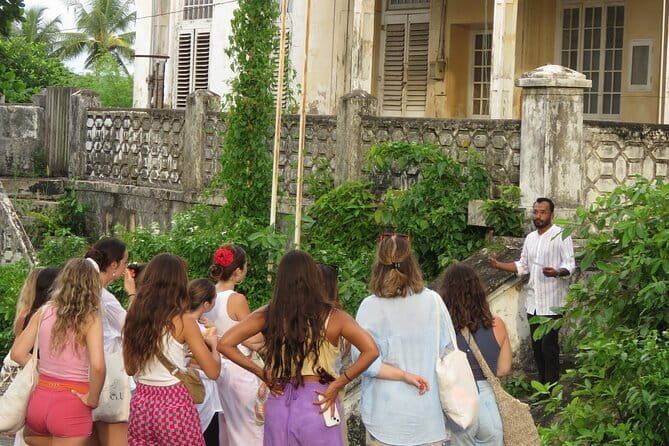
The first stop is Black Fort, with about 20 minutes set aside for the story of Galle as a major trading hub during the colonial period. This is a useful opening because it gives the rest of the walk a purpose.
You will hear about the movement of goods, cultures, and ideas through the port. That broad view helps explain why the fort needed defenses, why its streets were planned, and why so many different institutions took root inside its walls.
I like beginning here because it puts trade before architecture. Instead of treating the fort as a collection of old stone buildings, you start with the forces that made Galle important.
The time is short, so do not expect a long, detailed examination of every section of the fortifications. Think of Black Fort as the historical starting point, not the main stop for extended photography or quiet exploration.
Galle Fort Lighthouse and a story of loss
The lighthouse stop lasts about 20 minutes and focuses on the story of how what is described as Asia’s first lighthouse was tragically burned down. That detail gives the landmark more weight than its familiar coastal outline.
A lighthouse can look like a simple navigation aid. Here, the guide uses it to explain the risks and importance of Galle’s port. The story also reminds you that historic places are not frozen scenes. Buildings disappear, are rebuilt, and change meaning over time.
This stop should suit anyone who prefers a human story to a list of dates. Ask questions if you want more context, since the private format gives you a better chance to pause on the parts that interest you.
The information provided does not promise interior access to the lighthouse, so plan on learning about the landmark rather than assuming you will climb it. As with the other stops, the value comes from interpretation and context.
Old Galle, fortifications, and Queen Victoria’s palace

About 15 minutes are given to the old town of Galle and its fortifications, including an opportunity to explore Queen Victoria’s palace and learn the story behind it. This is one of the shorter stops, so the guide will likely keep the explanation focused.
The fortifications are important because they show how the town functioned as a protected settlement, not just a military wall around a port. The route also presents the palace as part of the wider colonial story, giving you another way to see how political power appeared inside the fort.
I would pay attention to how the guide explains the relationship between the old town and the defensive structure. That connection is easy to miss if you walk only from landmark to landmark.
Because the stop lasts only 15 minutes, you may want to save detailed architectural questions for the walk between locations. The private format helps here. You are not forced to follow a guide’s speech from a distance, and you can ask for clarification while the group is still together.
Same island, a completely different kind of day:
- Whales and Dolphins Watching-Luxury Super Grade Cruiser(Hotel Pick up offered)
★ 5.0 · 1,268 reviews - Galle: Traditional Gems & Jewellery Workshop with Transfers
★ 4.9 · 539 reviews - Sea waves sri lankan cooking class
★ 5.0 · 467 reviews - Snorkeling with Turtles in Mirissa
★ 5.0 · 268 reviews
The Dutch Reformed Church and its 50-year build

The Dutch Reformed Church receives about 10 minutes, making it the briefest scheduled stop. The focus is the story of its construction and why it took more than 50 years to complete.
That long building period is the useful fact. It turns the church from a quick interior or exterior photo into evidence of the practical difficulties involved in creating major structures in a colonial port.
Ten minutes is not long, so you should treat this as a focused explanation rather than a full church visit. If religious architecture is your main interest, you may want to ask your guide to explain which details matter most.
For everyone else, the stop works as one piece of the larger picture. The fort was not only a military site or trading point. It also contained religious institutions that served the communities living and working there.
Clock Tower and the UNESCO story

The Galle Fort Clock Tower gets around 20 minutes. Here, the guide explains why the fortress was designated a UNESCO World Heritage site and why the port became such an important colonial hub.
This is likely to be one of the clearest moments for understanding the fort’s modern importance. UNESCO recognition is not simply a label for an attractive old town. The designation reflects the significance of the fort as a planned historic settlement and port complex.
I like the way this stop connects preservation to trade. You learn not only that the fort is old, but why its walls, streets, and buildings matter as a group.
The clock tower itself may attract your camera, but try not to reduce the stop to a landmark photograph. The better question is how the tower fits into the fort’s public and civic life. Your guide can answer questions in a way a signboard cannot.
Dutch Fort, a planned village inside the walls

The Dutch Fort section lasts about 20 minutes and looks at the detailed planning of the settlement. The guide explains the purpose behind the streets and how this small village functioned within the fortress.
This is where the walk’s structure should come together. After hearing about defense and trade, you can look at the streets as part of a plan. Their layout was not random. It reflected the needs of a working settlement inside a defended port.
That is valuable because Galle Fort can otherwise feel like a pleasant maze. You may notice lanes, houses, churches, courts, and walls without understanding how they relate to one another. A good explanation gives you a mental map.
The word planned is important here. You are not merely wandering through an old quarter. You are examining how a community operated inside a military and commercial center.
Courts Square and the goods sent from Sri Lanka

The final listed stop is Courts Square, with about 15 minutes devoted to the goods exported from Sri Lanka. The discussion includes large quantities of goods, gems, and herbs, giving you a direct link between the fort’s institutions and the trade that supported them.
This stop adds local economic detail to the larger port story. Trade is easy to discuss in vague terms, but the mention of gems and herbs makes the exchange more concrete. It also points to the range of Sri Lankan products that passed through Galle.
Courts Square gives the route a sensible ending. You begin with Galle as a trading hub at Black Fort, then finish by considering the goods that made that trade real.
Again, the scheduled time is modest. You should expect a concentrated explanation, not an extended market history. If you are especially interested in commerce, ask your guide to connect this stop with the earlier fortification and street-planning discussions.
The private museum and hidden gunpowder magazine
Two inclusions give this walk an edge over a standard loop around the public streets: entry to a private museum and access to see a hidden gunpowder magazine.
The museum can help you move from broad history to physical evidence. The provided details do not specify its size, collection, or exact exhibits, so I would not book this expecting a major museum visit. Its value is that it is part of a guided heritage experience rather than an optional extra you must arrange yourself.
The gunpowder magazine is the more unusual inclusion. It points directly to the fort’s defensive purpose and gives you a chance to see a part of the complex that many people walking the main streets may miss.
Special access does not mean the entire tour takes place in restricted areas. Most of the route remains a walk through Galle Fort’s principal landmarks and streets. Still, this smaller behind-the-scenes element adds variety and helps explain how the fortress worked.
How the two-hour timing works
The listed stops add up to about two hours, while the full experience is described as roughly two hours to two hours and 20 minutes. That extra time likely allows for movement between locations, questions, and the private museum or gunpowder magazine.
You should wear comfortable footwear and be ready to walk outdoors for the full experience. The tour is a walking activity, and private transportation is not included.
The pace should suit most people who can take part in a normal walking tour. Service animals are allowed, and the experience is near public transportation. Confirmation arrives when you book, and the ticket is mobile, so you do not need a paper voucher.
A private tour gives you more control than a large group outing, but it does not remove the limits of a two-hour schedule. If you want long photography pauses, extended church visits, or time to browse every street, plan to return to Galle Fort afterward on your own.
Is $45 good value for this Galle Fort walk?
At $45 per person, this is not the cheapest way to stroll through Galle Fort. You can see the exterior of many landmarks without paying for a guide.
The value comes from what you would miss without interpretation. You are paying for a licensed guide, all fees and taxes, a private museum visit, and access to the hidden gunpowder magazine. You also get a private format, which is useful if your group likes to ask questions or wants a more personal pace.
I would consider the price fair for a small party that cares about history and wants the fort explained rather than simply photographed. It is especially reasonable if you would otherwise need to arrange a separate guide and pay for additional entries.
For a large family focused mainly on free time and pictures, the cost may feel less worthwhile. The experience is strongest when you take part in the conversation and use the guide’s local knowledge to understand Galle and Sri Lanka beyond the buildings in front of you.
Guides, questions, and the tone of the walk
Yasiru and Epsa are named guides associated with this experience. Yasiru is described as giving detailed answers and handling a history-focused group’s many questions with patience. Epsa is associated with a relaxed, informative walk that also covered useful information about Galle and Sri Lanka.
That matters because guide quality shapes this kind of tour more than the route does. The landmarks are fixed, but the amount you understand depends on whether the guide can explain them clearly and respond to what you want to know.
You should feel free to ask about architecture, colonial history, trade, local culture, or the purpose of a particular street. The private setting makes those questions more practical than they would be in a large group.
The tone also appears to be unhurried. That does not mean the walk is slow, but it suggests you are not being pushed through a sales-oriented route. The absence of a shopping detour is a real plus for anyone who wants two hours devoted to Galle Fort.
Who should book this experience?
I would recommend this walk to:
- First-time visitors who want the main fort landmarks explained in one outing
- Couples or families who prefer a private guide to a large group
- History enthusiasts who enjoy asking detailed questions
- Cruise or short-stay visitors with about two hours available
- Anyone interested in the fort’s trade, defenses, churches, and planned streets
- People who value access to a private museum and gunpowder magazine
You may want a different plan if you dislike walking, want extensive free time, or prefer to explore museums at your own pace. The route gives you a strong framework, but it is not designed as a full-day study of every building in the fort.
Free cancellation is available if you cancel at least 24 hours before the local start time. Changes or cancellations inside that window are not accepted for a refund, so keep the deadline in mind when your plans are uncertain.
Should you book the Galle Fort Heritage Walk?
Book it if you want Galle Fort to make sense, not just look attractive. The private format, named local guides such as Yasiru and Epsa, direct answers to questions, private museum entry, and access to a hidden gunpowder magazine give the walk more substance than a basic landmark circuit.
The best reason to choose it is the balance of coverage and personal attention. In about two hours, you see the fort’s major sights while learning how trade, defense, religion, government, and street planning fit together.
Skip it if you want a completely self-guided visit or if $45 feels high for a short walk. Otherwise, this is a sensible way to get your bearings, learn the story behind Galle Fort, and still have time afterward to revisit the places that catch your eye.
FAQ
Where does the tour take place?
The experience takes place in Galle Fort and covers the old town, fortifications, major landmarks, Courts Square, and the Dutch Fort area.
How long does the walking tour last?
The duration is approximately two hours to two hours and 20 minutes.
Is this a private tour?
Yes. Only your group participates in the private tour or activity.
What landmarks are included?
The route includes Black Fort, Galle Fort Lighthouse, the old town and fortifications, Dutch Reformed Church, Galle Fort Clock Tower, Galle Dutch Fort, and Courts Square.
Is museum entry included?
Yes. Entry to a private museum is included in the experience.
Can I see the hidden gunpowder magazine?
Yes. Access to see the hidden gunpowder magazine is included.
Is transportation provided?
No. Private transportation is not included, so you need to arrange your own transport to the walking tour.
Is the tour suitable for most people?
The tour information says most people can participate. Service animals are allowed, and the experience is near public transportation.
What is the cancellation policy?
You can cancel at least 24 hours before the local start time for a full refund. Cancellations or changes made less than 24 hours before the start time are not accepted for a refund.
More Walking Tours in Galle
- Galle Fortt Guided Walking Tour with a Local
★ 4.9 · 33 reviews - Galle Fort Walk with Glamorous Stories
★ 5.0 · 17 reviews - Galle Fort Walk with a Local
★ 4.5 · 7 reviews - Galle Fort Walking Tour with a local guide
★ 5.0 · 5 reviews
More Historical Tours in Galle
- Day tour to Sigiriya,Dambulla & Polannaruwa (3 word heritage places) from Kandy
★ 5.0 · 99 reviews - Explore & Ride the history of anuradhapura with Vogel Tours
★ 5.0 · 62 reviews - Kandy Heritage City Tour by tuktuk
★ 5.0 · 61 reviews - I Day Kandy Heritage Culture Tour
★ 5.0 · 53 reviews
Just added around Galle
- Kanneliya Rain Forest Tour★ 5.0 · 10 reviews
- Yala National Park Private Safari (All Inclusive) From Mirissa★ 4.5 · 4 reviews
- Galle Day Tour with Turtle Hatchery & River Boat Safari★ 5.0 · 4 reviews
- Yala Safari Drive From Galle, Weligama, Mirissa & Dickwella★ 5.0 · 7 reviews
- Yala National Park Private Safari trip from Galle/Unawatuna/Mirissa★ 5.0 · 12 reviews
- Whale Watching Experience in Mirissa★ 4.5 · 6 reviews
- Whale Watching Mirissa Ultimate Tour in Sri Lanka with Breakfast★ 4.5 · 6 reviews
- From: Ella – YALA Safari – Drop off: Arugam Bay / Arugambay★ 5.0 · 3 reviews
Galle Fort Walking Tours, compared.

Galle Fort and City Cycling Tour – Choice of E-Bike or Manual
Read our review →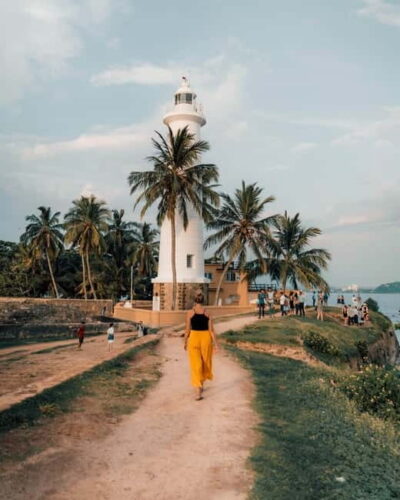
From Colombo to Galle Fort and Unawatuna Beach Day Trip
Read our review →
From Colombo to Galle Fort and Jungle Beach Day Trip
Read our review →
Day Excursions to Galle Fort & Bentota from Colombo
Read our review →

Galle Fort, Boat Safari, Turtles, Amazing Group Tour
Read our review →Browse the lists this tour appears in