
Reviewed · WHALE WATCHING
Great Whales Education Programe Dolphins and Whales are in SL
Sri Lanka’s whale watching story gets a useful change of pace at Great Whales in Matara. Instead of heading straight to sea, you spend an hour learning how blue whales and dolphins live in local waters, how watching developed, and what to expect from a boat trip. Ms. A.H. Deepika Kumari, one of Sri Lanka’s early whale watching workers, leads the session.
I like two things right away. First, the program gives you context before you pay for a boat trip, which is especially helpful when sightings depend on weather and wild animals. Second, it works well for families and mixed-age groups, with an open discussion, tea or coffee, snacks, and bottled water included.
The trade-off is simple: this is an indoor education session, not a whale encounter at sea. It lasts about an hour, so it makes a good companion to a Mirissa visit, but it cannot replace the excitement or uncertainty of live watching.
Key points at a glance
- One hour with an experienced local guide: Ms. A.H. Deepika Kumari has more than 12 years in Sri Lanka’s whale and dolphin watching industry.
- A clear look at local species: Learn about blue whales and the main dolphin and whale species found in Sri Lankan waters.
- Useful before a boat trip: The talk covers weather, trip length, boat types, facilities, and better ways to watch marine life.
- A private group setting: Only your group takes part, making it easier to ask questions and share your own experiences.
- Small comforts included: Coffee or tea, snacks, bottled water, and all fees and taxes are part of the $25 price.
- Easy south-coast location: The meeting point is at No. 12 Paramulla Road in Matara, about 30 minutes from Mirissa and 15 minutes from Polhena Beach.
Why a whale lesson makes sense in Sri Lanka
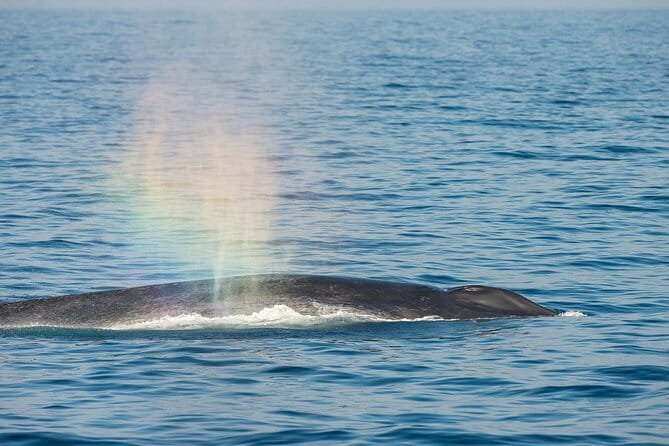
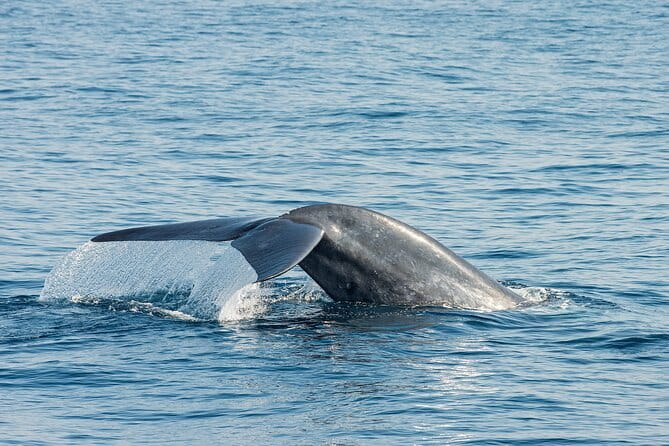
Sri Lanka is well known for whale and dolphin watching, with the blue whale as the headline animal. But a sea trip can leave you with more questions than answers. What species did you see? Why was the boat in that area? What affects sightings? Great Whales is built to answer those questions before or after you go offshore.
I like this approach because it treats whale watching as more than a quick search for a large animal. You learn about the animals in Sri Lankan waters, the main viewing points around the island, and the growth of commercial whale watching in the country.
The session also fits the reality of nature trips. Whales and dolphins move freely, and weather can stop boats from operating. One booking experience described in the supplied information took place when live watching was not running because of poor weather. In that situation, an educational session still gives you a worthwhile way to spend an hour.
That does not make it a substitute for the ocean. It simply helps you understand what you are seeing when conditions allow a boat trip.
A few more Galle trips to weigh up
- Whales and Dolphins Watching-Luxury Super Grade Cruiser(Hotel Pick up offered)
★ 5.0 · 1,268 reviews - Whale Watching Mirissa with ( WWC )
★ 5.0 · 252 reviews - Whale Watching Mirissa with Eagle Eye
★ 4.5 · 128 reviews
Meeting Ms. A.H. Deepika Kumari in Matara
The program takes place at No. 12 Paramulla Road, Matara. The experience is led by Ms. A.H. Deepika Kumari, who has more than 12 years of experience in the whale and dolphin watching industry and was among the first members of Sri Lanka’s whale and dolphin watching work.
That background matters. The talk is not only a general lesson about marine mammals. It also covers how whale watching developed in Sri Lanka and where people go to look for these animals. You get a local frame of reference instead of a broad wildlife lecture that could take place anywhere.
The supplied information describes Deepika’s welcome as friendly and warm, and the session is designed as an open discussion. You can bring your own questions and exchange experiences about boat watching. For a family, that makes the hour easier to follow than a formal talk with no chance to speak.
The location also works well for a south-coast itinerary. Matara is about 30 minutes from Mirissa and about 15 minutes from Polhena Beach. If you are staying in or passing through the Matara, Weligama, or Mirissa area, the program can fit between other activities without taking up a full day.
What happens during the one-hour program
The session covers several connected subjects rather than focusing on one animal only. You start with the background to commercial whale and dolphin watching in Sri Lanka. This helps explain why places such as Mirissa became important viewing points and how the activity developed.
The discussion then turns to the main whale and dolphin watching locations in Sri Lanka. That is useful if you are planning more time on the coast or deciding where to book a boat trip. You can ask about the difference between the country’s viewing areas without having to make every decision from a hotel brochure.
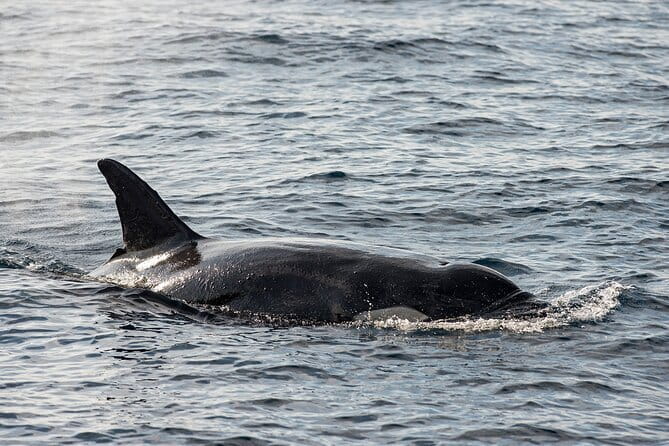
A central question is why whales and dolphins come into Sri Lankan waters. The program also covers the common species found here and current sightings of different species. The exact animals you see on a live trip can never be promised, but knowing the likely species gives you a better chance of understanding the sighting.
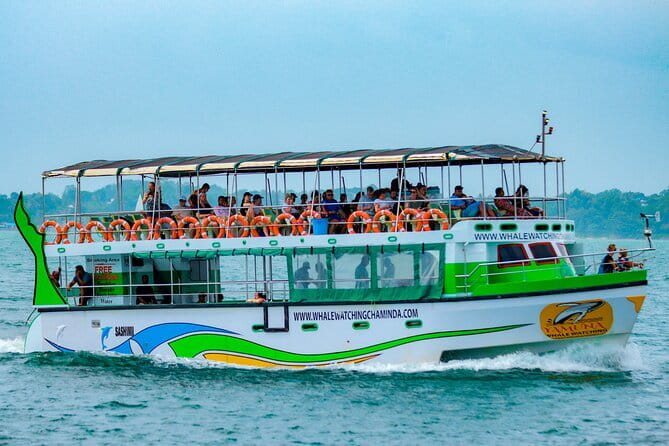
The session also explains how long whale and dolphin trips usually last, how weather affects them, and what types of boats and yachts are used. These are practical details, not filler. Sea conditions, trip length, and boat design all affect comfort and the amount of time you spend looking for animals.
Finally, you discuss better ways to watch whales and dolphins and the facilities offered by boat operators. This is the part I find most useful for someone comparing a classroom session with a boat trip. You can think about the quality of the viewing experience, not just the promise of seeing a whale.
Blue whales, dolphins, and the value of preparation
The blue whale is the star of Sri Lanka’s whale watching scene because it is the largest animal on Earth. Yet the program does not limit itself to blue whales. It deals with the main species of whales and dolphins found in Sri Lankan waters and gives you a broader picture of marine life in the region.
That wider view can change how you approach a boat trip. If you only want a blue whale photograph, you may miss the importance of dolphins or another whale species. A lesson gives you a better sense of what counts as a good sighting, even when conditions do not produce the animal you hoped for.
I also like the way the program addresses current sightings without pretending that wildlife follows a timetable. You receive information about what may be present, but the experience remains grounded in the fact that sightings can vary.
This is particularly useful for children. Young visitors often ask why a boat must travel for a long time or why an animal appears only briefly. The session gives them a framework for those questions. Adults can also use the information to set sensible expectations before booking a sea trip.
Same island, a completely different kind of day:
- Galle: Traditional Gems & Jewellery Workshop with Transfers
★ 4.9 · 539 reviews - Sea waves sri lankan cooking class
★ 5.0 · 467 reviews - Galle Fort Walking tour
★ 4.9 · 285 reviews - Snorkeling with Turtles in Mirissa
★ 5.0 · 268 reviews
Tea, snacks, and time for questions
Coffee or tea, snacks, and bottled water are included in the $25 price. These are modest additions, but they make the program more comfortable, especially if you are fitting it into a busy day around Matara or Mirissa.
The bigger benefit is the open discussion. You are not limited to listening from beginning to end. The format allows you to exchange your own experiences and ask about whale and dolphin watching in Sri Lanka.
That personal element is important because many people arrive with a very specific concern. You may want to know how boat trips work, what happens in poor weather, or which facilities are offered. A question-and-answer format lets you focus on what matters to your group.
The private format adds to that advantage. Only your group participates, rather than a large mixed audience. The data does not specify a maximum group size, so I would not assume a particular capacity, but the private arrangement should make direct questions easier.
Is $25 a fair price?
At $25 per person, the program costs far less than a full whale watching excursion. You are paying for an hour of instruction and conversation, not for transport to sea or a wildlife sighting.
The value depends on what you want. If you are looking for an adrenaline-filled boat ride, this will feel limited. If you want to understand Sri Lankan whales and dolphins, compare your options, or fill a weather-affected day, the price is reasonable because it includes the session, refreshments, snacks, bottled water, fees, and taxes.
The program also offers an extra option: you can buy tickets for live whale and dolphin watching in Mirissa. That means you can use the lesson as a planning stop before deciding on a boat trip. It does not say that a boat ticket is included, so you should treat that as a separate purchase.
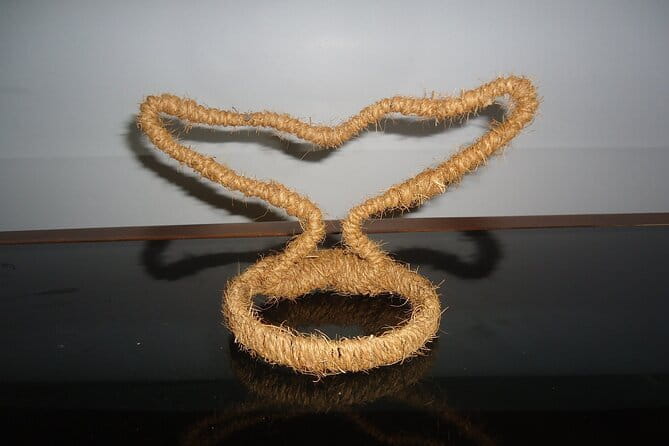
Locally designed and locally made whale and dolphin souvenirs are also available. This gives you a chance to buy something tied to the subject rather than a generic beach keepsake. The available designs and prices are not specified, so ask directly if you want a particular item.
When the sea is rough or sightings fail
The strongest reason to consider Great Whales is that it remains useful when a boat trip does not go as planned. Bad weather can prevent live watching, and even a running trip may not produce a whale or dolphin sighting. Nature does not take bookings.
The supplied experiences include cases where boat trips had no sightings, and one account described an overcrowded boat with little useful information about the animals. Great Whales cannot undo that disappointment, but it can help you make a more informed choice about live watching and understand why conditions affect results.
I would not book this expecting it to compensate fully for a poor boat trip. The two experiences are different. Still, an hour learning from someone with long local experience can be more useful than simply leaving the coast disappointed.
For families, the education session may also be the better first step. Children can learn what to look for, and adults can decide if a live trip suits the weather and the group. For seniors, it avoids the physical demands of a boat outing while still offering a focused look at local marine mammals.
Who should book this Matara experience?
I would recommend Great Whales to several types of visitors:
- Families who want an educational activity that children and adults can share.
- Visitors staying near Matara, Weligama, Mirissa, or Polhena Beach.
- People planning a whale watching trip who want practical information first.
- Anyone whose boat trip was cancelled because of weather.
- Visitors who enjoy nature but prefer a short, land-based activity.
- Adults and seniors who want to learn without committing to a sea excursion.
I would be more cautious if your only goal is seeing a whale in the wild. This program does not take you onto the water, and it does not include a live sighting. In that case, use it as preparation or as a backup, not as your sole whale watching activity.
Timing, booking, and practical details
The experience lasts approximately one hour and operates daily from 7:00 AM to 7:00 PM during the stated operating period of July 13, 2024, through November 26, 2026. Since the session is scheduled at the Matara meeting point, confirm the time with the provider before setting out.
The experience is usually booked about 25 days in advance, so planning ahead is sensible, particularly if your south-coast dates are fixed. Confirmation is provided at booking, and the provider may contact you by WhatsApp to confirm the time. One booking account describes a time being adjusted after transport plans changed, so quick communication is useful.
The meeting point is also the end point. An air-conditioned vehicle is not included, so you need to arrange your own way to No. 12 Paramulla Road. The location is near public transportation, and service animals are allowed. Most people can participate.
Cancellation is free up to 24 hours before the start time for a full refund. Cancellations or changes made less than 24 hours before the start are not accepted for a refund, with cut-off times based on local time.
My call: book it before or after Mirissa?
I would book Great Whales if you are already near Matara and want a useful hour focused on Sri Lankan marine life. The guide’s long local experience, private format, open questions, and practical discussion about boat trips give the session more purpose than a simple wildlife presentation.
It is especially good before a Mirissa whale watching trip, when you want to know what to expect and how to judge the outing. It is also a smart fallback when weather cancels live watching.
Skip it if your schedule is extremely tight or if you want only an ocean adventure. But if you have one spare hour, $25, and an interest in blue whales, dolphins, and the realities of watching wild animals, this is a sensible addition to a south-coast Sri Lanka itinerary.
FAQ
Where does the Great Whales education program take place?
It starts and ends at No. 12 Paramulla Road, Matara 81000, Sri Lanka.
How long does the program last?
The education program lasts approximately one hour.
What does the session cover?
It covers the history of commercial whale and dolphin watching in Sri Lanka, main watching locations, reasons whales and dolphins come into Sri Lankan waters, common species, current sightings, trip duration, weather, boat types, operator facilities, and better ways to watch marine mammals.
Who leads the education program?
Ms. A.H. Deepika Kumari leads the session. She has more than 12 years of experience in Sri Lanka’s whale and dolphin watching industry.
Are refreshments included?
Yes. Coffee or tea, snacks, bottled water, all fees, and taxes are included.
Is a live whale watching boat trip included?
No. The education session does not include an air-conditioned vehicle or a live boat trip. You can buy tickets for live whale and dolphin watching in Mirissa separately.
What is the cancellation policy?
You can cancel at least 24 hours before the start time for a full refund. Cancellations or changes made less than 24 hours before the start are not accepted for a refund.
Just added around Galle
- Paradise Udawalawe Safari Tours★ 5.0 · 24 reviews
- PRIVATE Surf lesson for Beginners Couple★ 5.0 · 26 reviews
- Paradise Private Airport Transportation Tours★ 5.0 · 7 reviews
- Paradise Turtle Watching Tours★ 5.0 · 11 reviews
- One day Yala National Park from Galle/Hikkaduwa/Mirissa/Unawatuna★ 5.0 · 7 reviews
- Night Snorkeling Experience in Mirissa★ 5.0 · 5 reviews
- Mirissa to Ella Shuttle & Udawalawe Safari Drive with Breakfast★ 4.5 · 27 reviews
- Mix it Like a Lankan in Unawatuna★ 5.0 · 11 reviews
Whale Watching, compared.
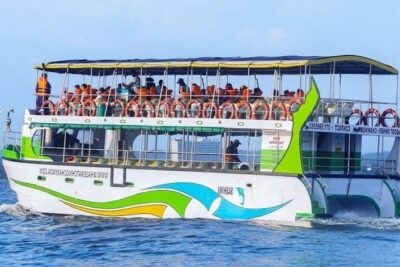
Whales and Dolphins Watching-Luxury Super Grade Cruiser(Hotel Pick up offered)
Read our review →
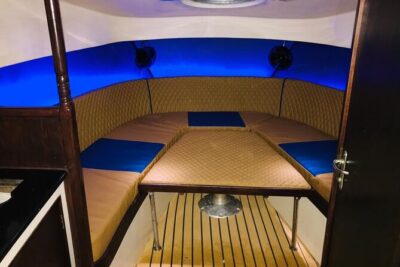
Sports Boat- Private Whale Watching Trip( free breakfast & paid pick-up)
Read our review →

All Inclusive Mirissa Whale and Dolphin Watching Boat Ride
Read our review →
Mirissa Whale & Dolphin Watching Cruise with Geeth’s Crew
Read our review →Browse the lists this tour appears in