
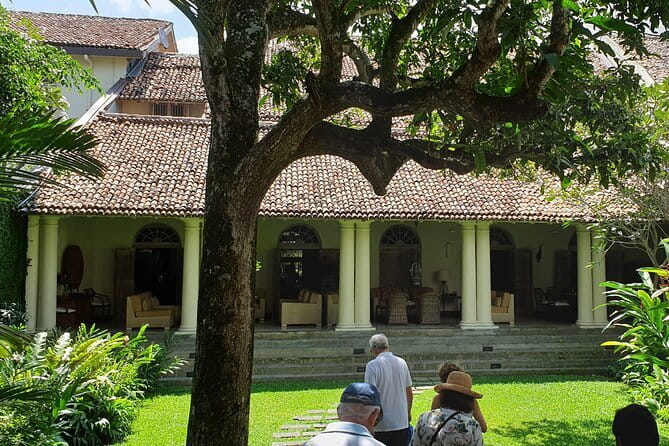
Reviewed · GALLE FORT WALKING TOURS
Galle Fort Walk with Glamorous Stories
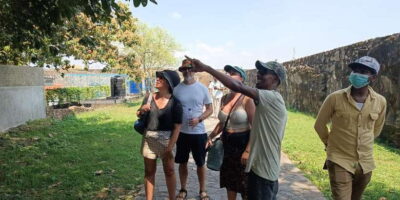
Galle Fort is more than a pretty stone enclosure by the sea. With Dilip, you follow four centuries of Portuguese and Dutch power through bastions, churches, ship ballast, old streets, and stories of soldiers reduced to eating cats and dogs during a siege. I like the local guide’s personal knowledge and the way the walk links grand history to small human details. I also like the focus on the fort as a living place, not a frozen museum.
The walk costs $35 per person and usually lasts between 90 minutes and two hours. That is fair value if you want the buildings explained rather than simply photographed. The main drawback is the weather: there is little shelter in some sections, umbrellas and bottled water are not supplied, and one wet-weather walk had to stop partway through.
Key points to know before you book
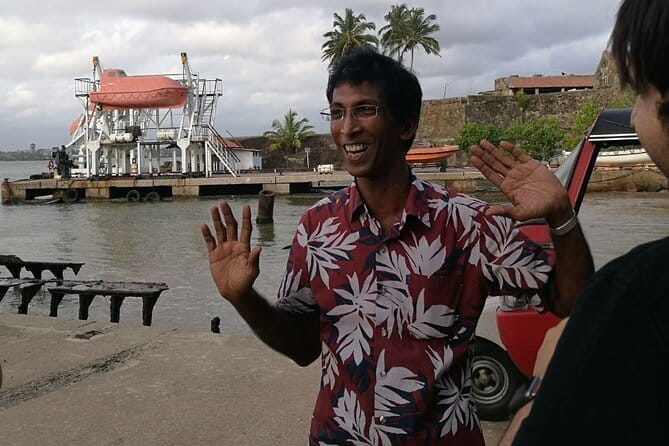
- Dilip leads the walk: He has lived in the Galle area all his life and has about 20 years of experience interpreting the fort.
- The 2004 tsunami is part of the story: Galle Fort’s walls survived while much of Galle City suffered severe damage.
- You see the major landmarks: The route includes the Clock Tower, three front-wall bastions, Flag Rock, the lighthouse area, the Dutch Reformed Church, streets, tunnels, and the Dutch Hospital.
- This is a small-group experience: The maximum is six people, although it may not be private if several bookings fall in the same time slot.
- It is a proper walking tour: You need moderate physical fitness, and private transport, bicycles, water, hats, and rain umbrellas are not included.
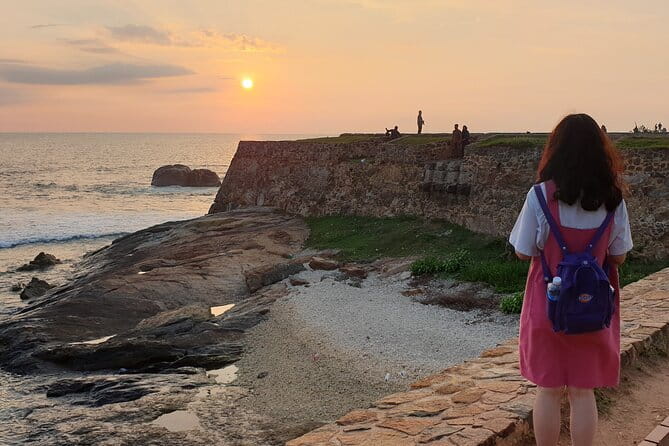
- The finish is especially appealing: Depending on timing, you may end near Flag Rock with the fort flag lowered and sunset light around the walls.
Why Galle Fort works best with a guide
Galle Fort can be enjoyed without a guide. You can walk its lanes, climb sections of the ramparts, look into churches and old buildings, and stop whenever you like. But without context, it is easy to see only attractive walls and colonial facades.
This tour gives those details a purpose. The old harbour was once a meeting point for Chinese, Arab, Portuguese, Dutch, and other traders. Cinnamon, ship cargo, treaties, military control, and religious life all shaped the fort you see now. Dilip’s job is to connect those subjects as you walk, rather than leave you with a string of disconnected dates.
I particularly like the balance between formal history and local stories. You hear about the Dutch East India Company, known as the VOC, but also about ballast bricks brought on Dutch ships, cooling walls made with coral, and the tricks used by foreign powers to gain land or influence. These details help you understand how the fort worked in daily life.
Dilip also appears to be a strong choice for visitors who enjoy asking questions. His English is described as good, and he has answered questions about individual buildings, colonial rule, and the fort’s development. Families with children around 11 and 13 have found the stories engaging, which suggests the walk is not aimed only at serious history specialists.
More Galle Fort Walking Tours in Galle
- Galle Fort Walking tour
★ 4.9 · 285 reviews - Galle Fort Walking Tour with a Resident
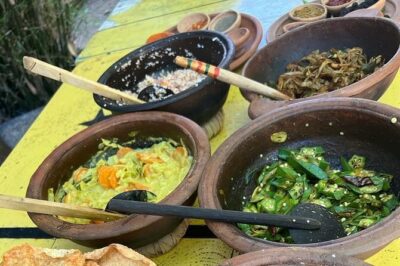
★ 5.0 · 88 reviews - Galle Fort cooking class
★ 5.0 · 60 reviews
Starting at Flag Rock and the old harbour
The meeting point is Flag Rock Bastion, listed at 26F8+FXH, Galle 80000. The walk begins and ends at the same place, so you will need to arrange your own ride back to your accommodation after the tour.
Starting near Flag Rock makes sense. This section of the fort helps explain Galle’s coastal role and its military importance. The old harbour was where overseas traders anchored, and the route uses that setting to introduce the movement of Chinese, Arab, and European merchants through the region.
The local name Galla is also part of the opening story. You will hear competing historical threads about the name, the port, and the cinnamon trade. The Chinese played a major role in the ancient cinnamon trade before Portuguese power changed the balance. That gives you a useful reminder that Galle’s story did not begin with European colonisation.
This opening section is a good reason to book the tour early in your stay. You will get a basic map of the fort’s history and layout before returning on your own for photos, meals, or a slower walk.
The Clock Tower and the three bastions
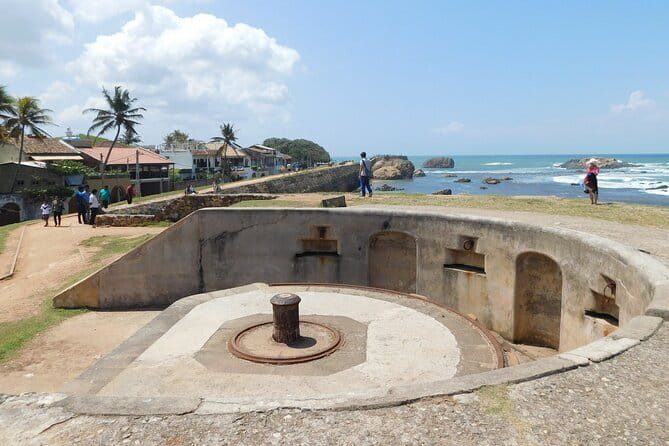
The Clock Tower and front wall with its three bastions provide some of the clearest military architecture on the route. These are not just scenic viewpoints. They show how the fort was designed to watch the sea, protect entrances, and control movement around the settlement.
Dilip explains how Portuguese defensive works began with clay fortifications. The Dutch later replaced much of that system with thicker stone walls. The change reflects more than style. It shows how control of the port passed from one European power to another and how each adapted the fort for its own military and commercial needs.
The tour also brings in the story of Colombo Fort. According to the account shared on the walk, the Portuguese used a piece of leather to trick the local king into accepting a much larger area than he expected. It is an entertaining story, but it also points to a serious pattern: colonial expansion often involved legal wording, unequal treaties, and manipulation as much as open warfare.
You should expect to walk at an easy pace, but the fort is not a flat indoor museum. Some sections involve ramparts, open ground, and uneven historic streets. Wear sensible shoes and avoid treating the 90-minute estimate as a guarantee if the group stops often for questions.
Ammunition stores, tunnels, and the working fort

The ammunition store and its tunnel add a practical edge to the tour. They help you picture the fort as a working military post, not simply a colonial town with handsome buildings.
Hidden or less obvious passageways are among the most useful things to see with a local guide. A guide can point out where military movement, storage, and access once mattered. The tunnel also gives the fort a little mystery, though the real value is understanding how defensive planning shaped the streets and walls.
The coral cooling walls are another detail worth noticing. In a hot coastal climate, the materials and thickness of a building affected comfort as well as protection. Details like this make the architecture easier to read. You begin to notice how old buildings responded to heat, sea air, and the demands of military life.
The story of Portuguese soldiers surviving for three months on cats and dogs is grim, but it gives the siege period a human scale. Rather than picturing only flags and generals, you are reminded that colonial conflict placed ordinary soldiers and residents under severe pressure.
Same island, a completely different kind of day:
- Whales and Dolphins Watching-Luxury Super Grade Cruiser(Hotel Pick up offered)
★ 5.0 · 1,268 reviews - Galle: Traditional Gems & Jewellery Workshop with Transfers
★ 4.9 · 539 reviews - Sea waves sri lankan cooking class
★ 5.0 · 467 reviews - Snorkeling with Turtles in Mirissa
★ 5.0 · 268 reviews
The Dutch Reformed Church and colonial society
The Dutch Reformed Church, dated 1755, is one of the route’s most meaningful stops. Its story includes a vow made for the birth of a child, connecting a large colonial institution to a private family hope.
That detail is useful because churches in old colonial settlements can look formal and remote. A personal story makes the building easier to remember. It also opens a wider discussion about the Dutch presence, religion, social rank, and the way European communities established themselves inside a foreign port.
The Dutch replaced the Portuguese and used Galle as part of their commercial network. You will hear about the VOC and the methods used to secure trade and political advantage. One story involves two copies of treaties used to cheat the local king. Again, the tale is memorable because it combines diplomacy with deception.
Allow time to look at the church as a building, not only as a stop on a schedule. The tour moves through many landmarks, so you may not get a long quiet period at every site. If religious or historic interiors are especially important to you, ask Dilip questions while you are there.
Flag Rock, lighthouse ruins, and the tsunami story

Flag Rock is one of the most important points on the walk, both for views and for the fort’s defensive story. The lighthouse ruins nearby help you understand the coastal edge and the need to guide or monitor ships entering the harbour.
The strongest modern story here is the 2004 tsunami. The fort walls survived the waves, while Galle City outside suffered devastating damage. This is not simply a tale of old masonry saving an old neighbourhood. It shows how the fort’s position, construction, and thick walls shaped the experience of a modern disaster.
I appreciate this part of the tour because it stops the fort from feeling like a sealed colonial relic. The walls have continued to matter long after Portuguese and Dutch rule ended. They remain part of the city’s daily identity and its memory of catastrophe.
If you book a late afternoon time, the walk may finish with the lowering of the fort flag and sunset around Flag Rock. The exact light and weather cannot be promised, but the timing gives the end of the tour a natural sense of place. An early morning start, on the other hand, is better for cooler walking and quieter streets.
The Dutch Hospital as a living part of Galle

The Dutch Hospital is now a food and shopping area, and this is where the tour’s past meets present-day Galle most directly. The building’s current use makes the point that heritage sites do not need to remain untouched to retain meaning.
You can see how an old colonial structure has been reused rather than abandoned. That is valuable context when you later walk the fort alone. Restaurants and modern businesses may draw attention away from the original function, but they also keep the building in active use.
The tour connects this change to foreign investment and the pressures of maintaining a UNESCO World Heritage Site. Restored buildings can bring jobs, food, and new energy. They can also change prices, uses, and the feel of an old neighbourhood. This is an important issue to consider if you want to understand Galle as a real town rather than a preserved stage set.
How much history fits into two hours

The advertised duration is about one hour and 30 minutes to two hours. That is enough time for an orientation and the major sights, but not enough for a slow study of every building in Galle Fort.
Dilip’s strength is the amount of story he can attach to each section. You will hear about trade, sieges, treaties, architecture, religion, shipping, the tsunami, and present-day investment. The risk is that some visitors may find the subject matter dense, especially if they prefer a casual stroll with only a few facts.
The pace has generally been relaxed rather than rushed. That suits solo visitors, couples, and families who want time for questions. It also means the tour can run toward two hours, particularly when the group is interested or the guide has to shelter from rain.
The group limit is six people. That is small enough to make questions practical, but it is not a guaranteed private tour. If several people book the same time block, you may be placed together.
Price, timing, and what you need to bring
At $35 per person, this is not the cheapest way to walk around Galle Fort, since the fort itself can be explored independently. The value comes from Dilip’s local interpretation, the route through the major sites, and the stories that are difficult to pick up from signs or a casual stroll.
I would book it if you want the fort to make sense in one concentrated visit. I would skip it if you prefer wandering alone, already know Sri Lankan colonial history, or want to spend half a day stopping for photographs and cafes.
The listed hours are 8:30 AM to 6:00 PM, Monday through Sunday, for the stated operating period. An early morning booking can help with heat and may feel calmer. A later booking can give you the chance of sunset and the flag-lowering ceremony.
Bring water, a hat, and protection from rain. None of these are included. Private transport is also not included, and the return journey from Flag Rock is your responsibility. The tour is near public transportation, but no specific service or fare is provided, so check your route before setting out.
You should have moderate physical fitness. The walk covers the fort’s main areas, streets, bastions, and ramparts, and rainy conditions can make the experience harder. The guide has sheltered from sudden storms with visitors before, but one severe-weather walk ended halfway, so do not assume the tour will continue in lightning or heavy rain.
Who will enjoy this Galle Fort walk
This experience fits you best if you want:
- A local guide rather than a self-guided visit
- Clear background on Portuguese, Dutch, and English influence
- Stories about trade, military life, treaties, and local legends
- A small group with time for questions
- A relaxed pace rather than a fast sightseeing circuit
- A route that includes both historic monuments and present-day businesses
It also works well for families with older children. The siege stories, tunnels, tricks involving treaties, and tsunami survival account give younger visitors memorable hooks.
Solo visitors may appreciate the small group format. Dilip has paired solo participants with another person when needed, creating a more social walk without the cost of a fully private booking.
Rain-sensitive visitors should think carefully about the forecast. The guide is willing to work in difficult weather when possible, but the route is outdoors and umbrellas are not supplied. You may need to accept a shortened walk or make your own arrangements if conditions become unsafe.
Should you book Dilip’s Galle Fort tour?
Book it if you want the fort explained by someone rooted in Galle, and if stories matter as much to you as buildings. Dilip’s tour brings together the old harbour, colonial power, trade, military survival, the Dutch Reformed Church, the Dutch Hospital, and the 2004 tsunami in a way that gives the whole fort a clear shape.
The strongest reasons to choose it are Dilip’s personal connection to Galle, the small maximum group size, and the unusual details about ballast bricks, coral walls, tunnels, treaties, and siege hardships. The main cautions are outdoor weather, moderate walking demands, and the fact that $35 is a premium over exploring on your own.
For the best chance of a comfortable walk, choose a morning start or check the forecast before booking. If you want sunset, Flag Rock, and the closing flag ceremony, choose a later slot and carry water and rain protection. With those limits in mind, this is a practical and story-led introduction to Galle Fort.
FAQ
Where does the Galle Fort walk start?
The tour starts at Flag Rock Bastion, at 26F8+FXH, Galle 80000, Sri Lanka.
Where does the tour end?
The walk ends at Flag Rock Bastion, the same place where it starts.
How long does the tour last?
The estimated duration is between one hour and 30 minutes and two hours.
What is the price?
The price is $35 per person.
Is the tour private?
Not always. If many people book the same time block, the tour may be shared. The maximum group size is six people.
What language is the tour conducted in?
The included in-person guide is English-speaking.
Is transportation included?
No. Private transportation is not included, and you must arrange your own transport back from Flag Rock Bastion.
Are water, hats, or umbrellas provided?
No. Bottled water, hats, and umbrellas for rainy days are not included.
What fitness level is required?
You should have a moderate level of physical fitness for the walking route around the fort.
Can I cancel for a full refund?
Yes, if you cancel at least 24 hours before the experience start time. Cancellations made less than 24 hours in advance are not refunded, and changes within that period are not accepted.
More Walking Tours in Galle
- Galle Fortt Guided Walking Tour with a Local
★ 4.9 · 33 reviews - Galle Fort Heritage Walk by a Certified Heritage Interpreter
★ 5.0 · 31 reviews - Galle Fort Walk with a Local
★ 4.5 · 7 reviews - Galle Fort Walking Tour with a local guide
★ 5.0 · 5 reviews
Just added around Galle
- Yala National Park Private Safari (All Inclusive) From Mirissa★ 4.5 · 4 reviews
- Galle Day Tour with Turtle Hatchery & River Boat Safari★ 5.0 · 4 reviews
- Yala Safari Drive From Galle, Weligama, Mirissa & Dickwella★ 5.0 · 7 reviews
- Yala National Park Private Safari trip from Galle/Unawatuna/Mirissa★ 5.0 · 12 reviews
- Whale Watching Experience in Mirissa★ 4.5 · 6 reviews
- Whale Watching Mirissa Ultimate Tour in Sri Lanka with Breakfast★ 4.5 · 6 reviews
- From: Ella – YALA Safari – Drop off: Arugam Bay / Arugambay★ 5.0 · 3 reviews
- Udawalawe National Park Safari from Unawatuna★ 5.0 · 5 reviews
Galle Fort Walking Tours, compared.

Galle Fort Heritage Walk by a Certified Heritage Interpreter
Read our review →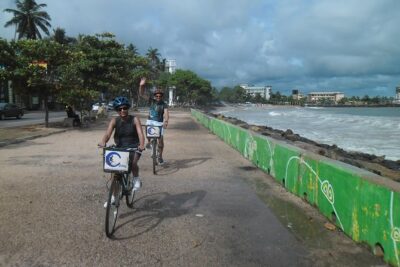
Galle Fort and City Cycling Tour – Choice of E-Bike or Manual
Read our review →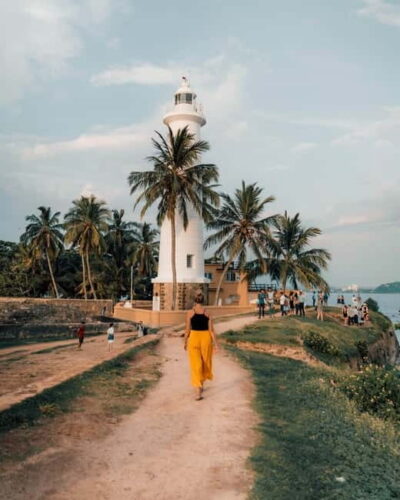
From Colombo to Galle Fort and Unawatuna Beach Day Trip
Read our review →
From Colombo to Galle Fort and Jungle Beach Day Trip
Read our review →
Day Excursions to Galle Fort & Bentota from Colombo
Read our review →
Galle Fort, Boat Safari, Turtles, Amazing Group Tour
Read our review →Browse the lists this tour appears in