
Reviewed · KANDY TOURS
Sri Lanka: Ceylon Cinnamon Experience & Spice Garden Tour
Cinnamon is the star here, and you do not simply see the finished spice in a shop. At Warala Watta Farm, you watch bark being peeled, shaped, and prepared into a cinnamon quill, then try part of the work yourself. The garden also brings pepper, cloves, cardamom, fruits, and other plants into the picture.
I like the hands-on cinnamon making and the tasting session, which turns unfamiliar plants into flavors you can understand. I also like the small groups, with no more than 10 people, and the warm, personal attention from guides such as Roha and Dilan. The main drawback is practical: you must arrange your own transport, and the walking route is not suitable for wheelchair users or people with mobility limitations.
Key Points at a Glance
- Peel and shape Ceylon cinnamon: See the traditional process and help prepare a cinnamon roll.
- Walk a working spice garden: Learn about cinnamon, black pepper, cloves, cardamom, and other plants where they grow.
- Taste spices with fresh produce: Try garden spices, tropical fruit, and tea with Sri Lankan spice blends.
- Visit the processing factory: Follow cinnamon and other spices from farm work to processing and quality checks.
- Enjoy a small-group visit: The tour is limited to 10 people and runs for about three hours.
- Plan your arrival carefully: Transport is not included, so you need to make your own way to Warala Watta Farm.
Why the Cinnamon Work Is the Heart of the Visit
Many spice tours stop at a display table and point out a few leaves. This one gives cinnamon the attention it deserves. You see the stages that turn a strip of tree bark into the tidy quills sold around Sri Lanka and far beyond.
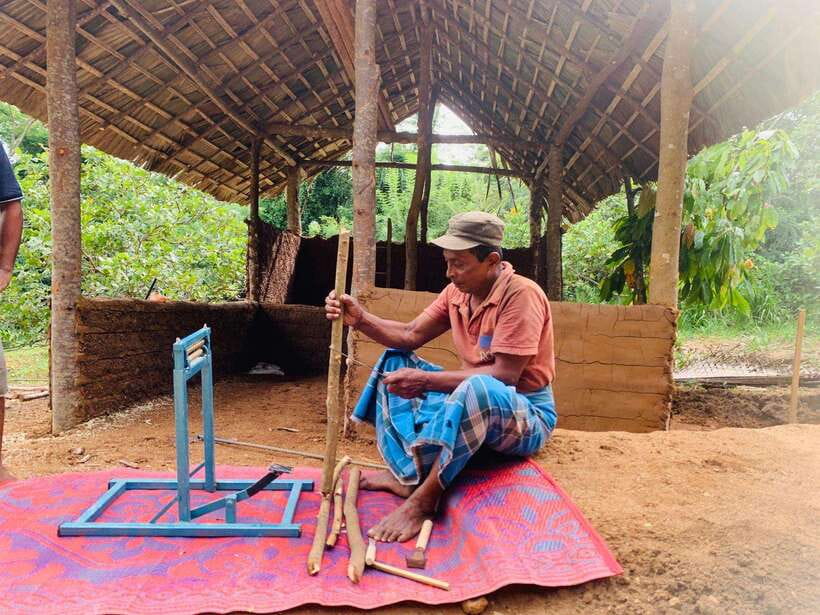
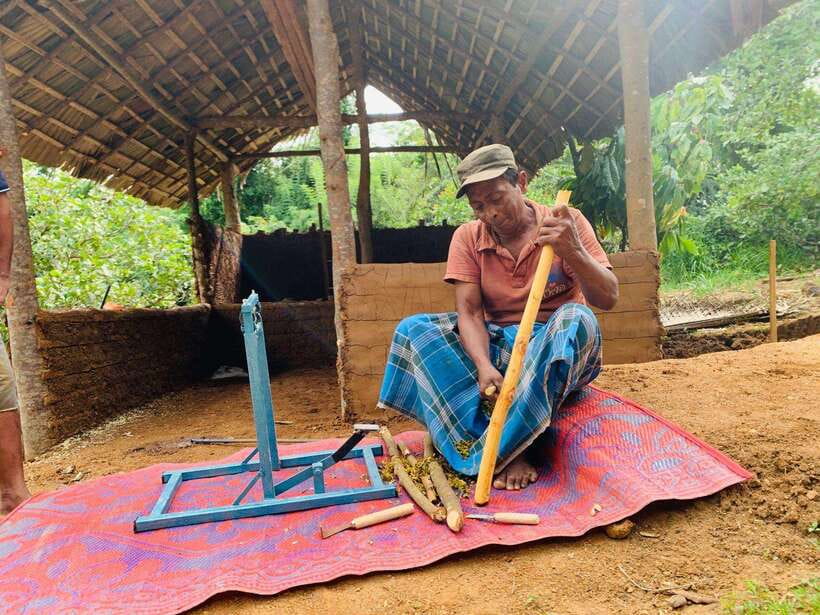
The process begins with peeling the outer bark. From there, the inner bark is handled and prepared for rolling. The exact craft matters, because the neat cinnamon sticks you know from cooking do not appear by accident. They are shaped by hand and processed with care.
The useful part is that you can take part. You are not only watching someone demonstrate the work. You get the chance to help make a cinnamon roll, which gives you a better feel for the skill involved. Do not expect a polished factory performance or a long technical workshop. This is a short, practical introduction, but it is far more memorable than buying a packet in a shop.
The farm’s emphasis on Ceylon cinnamon also gives the visit a clear focus. You learn about cultivation, harvesting, preparation, and uses in food and traditional health practices. If cinnamon is one of the reasons you are visiting Sri Lanka, this is the part of the tour that earns the admission price.
Other Kandy days worth booking alongside this:
- Kandy Private Guided City Tour by Tuk Tuk
★ 4.9 · 1,307 reviews - From Kandy: Sigiriya Rock & Dambulla Cave Temple Adventure
★ 4.9 · 785 reviews - Kandy Village Cooking Class
★ 5.0 · 536 reviews
Walking Through Cinnamon, Pepper, Cloves, and Cardamom
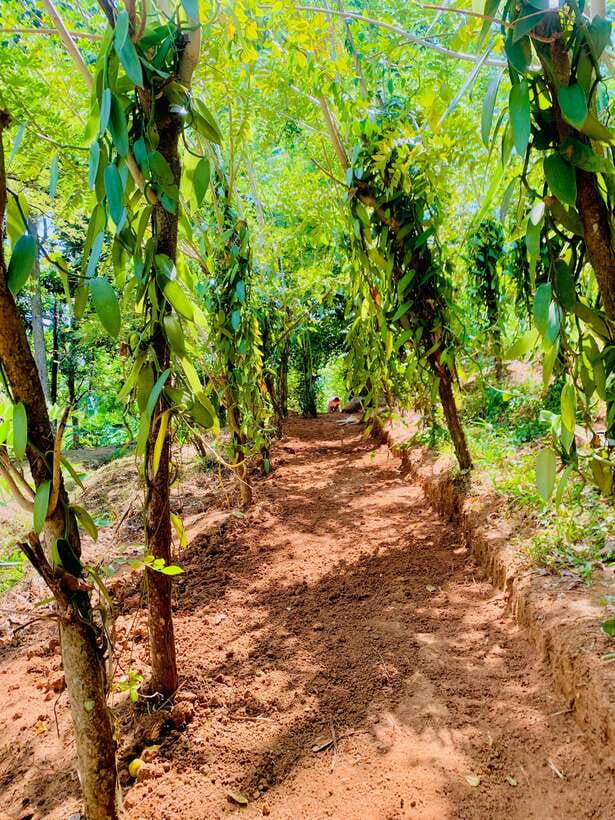
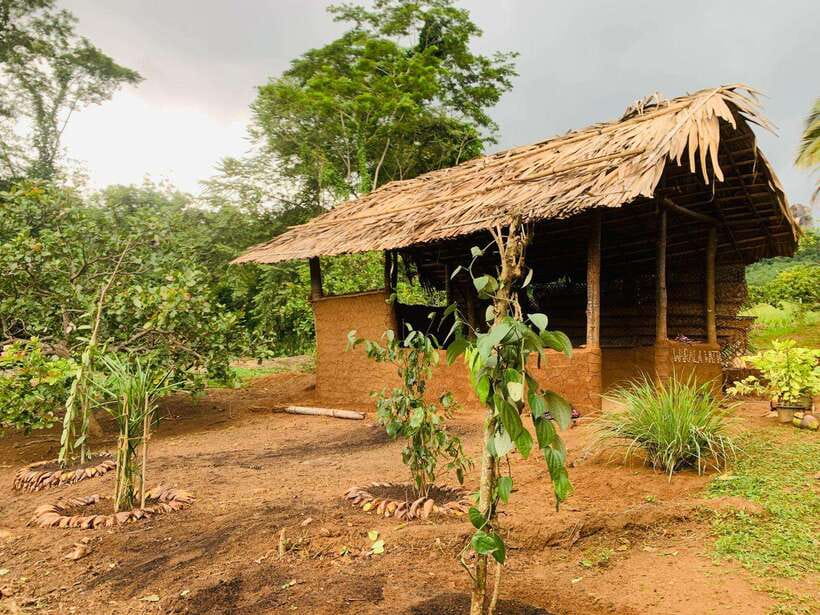
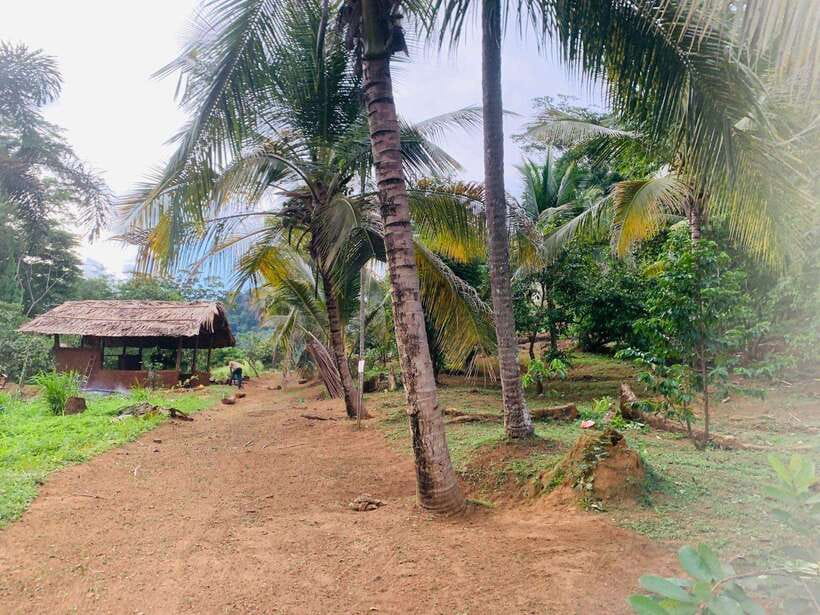
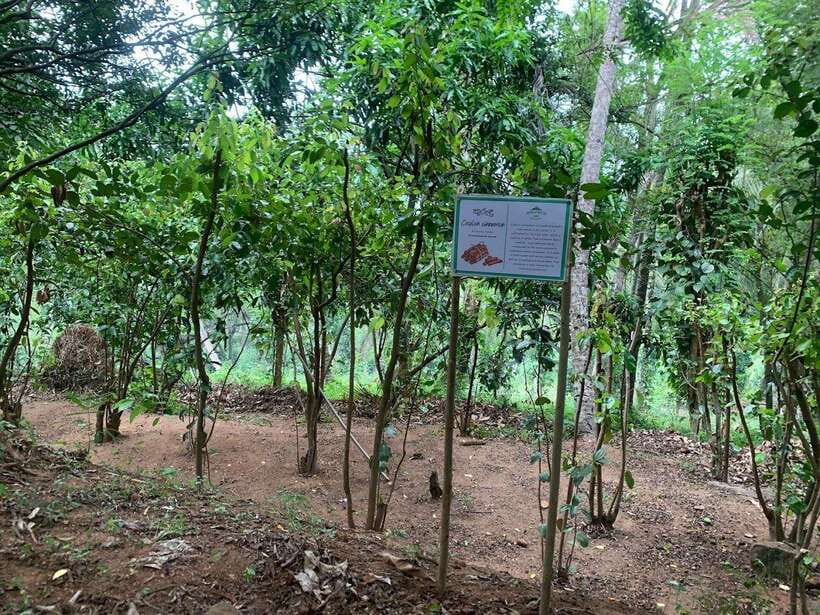
The guided garden walk places the spices in their growing environment. You move through the plantation with an English-speaking guide and see plants such as cinnamon, black pepper, cloves, and cardamom, along with other Sri Lankan spices and fruits.
That setting changes how you understand the ingredients. A jar of ground pepper tells you very little about the plant. In a garden, you can connect the spice to its source and learn how it is cultivated. The guide explains the plants’ uses in cooking and traditional medicinal practice, as well as some of their history in Sri Lanka.
The garden is also a sensory place, not just a visual one. You may be asked to identify spices by smell, taste, or touch during the spice sensory challenge. This makes the walk more active, especially for children and anyone who enjoys food-based experiences. Follow the garden’s rules carefully: do not touch plants unless the guide invites you to do so, and be mindful of the farm’s ecosystem.
Wear shoes that can handle a walking route rather than sandals you would use beside a pool. A hat, sunscreen, water, and insect repellent are sensible additions. The information does not specify the exact terrain or elevation, but the activity is not suitable for wheelchair users or people with mobility impairments, so you should assess your comfort with garden walking before booking.
The Tasting Table: Fresh Spice, Fruit, and Tea
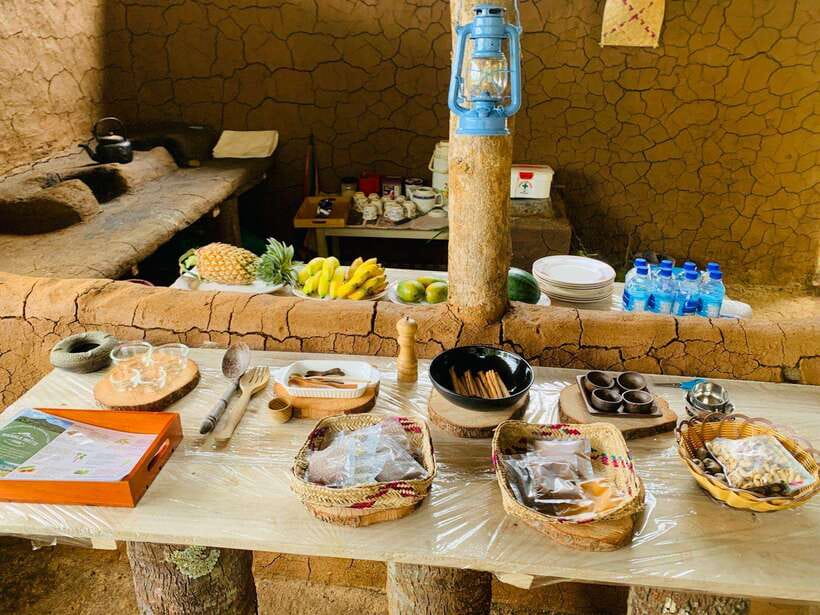
The tasting is where the tour’s lessons become useful. After learning how spices grow, you can taste fresh garden spices and discuss their flavor and traditional health uses. The point is not a large meal. Meals are not included, and this should not replace lunch.
You also get tropical fruit paired with selected Sri Lankan spice blends. That may sound simple, but it is a good way to notice how a small amount of spice changes sweetness, aroma, and heat. Fruit gives you a familiar base, while the seasoning shows how Sri Lankan cooking builds flavor without relying on one ingredient alone.
Tea is also part of the tasting experience. The available information does not give a fixed menu, so do not arrive expecting a specific fruit, spice, or tea every time. Farm produce and seasonal harvesting can affect what is offered.
I like this part because it encourages curiosity rather than treating spices as souvenirs. You can taste, ask questions, and compare flavors while the details from the garden are still fresh. If you have food allergies or dietary restrictions, raise them before tasting, since no formal allergy information is provided.
From Farm Work to the Spice Processing Factory
The factory visit adds a useful second view of the farm. In the garden, you see plants and traditional harvesting. In the processing area, you follow what happens after harvest, including the handling of spices and the steps used for quality assurance.
This helps explain why processing matters. Drying, sorting, cleaning, and preparation can affect how a spice looks, smells, and performs in cooking. The visit is not described as a large industrial tour, so expect a working farm facility rather than a polished museum with elaborate displays.
The farm also presents organic farming and sustainable practices as part of the experience. You can learn how the operation connects cultivation, harvesting, processing, and direct tasting. That farm-to-table link is one of the strongest reasons to choose this tour over a quick roadside stop.
You may also find a shop where spices such as cinnamon, cloves, black pepper, and chili powder are available. Shopping is not listed as an included feature, and prices or payment methods are not specified, so treat it as an optional extra rather than part of the tour’s value calculation. Still, buying at the source can be useful if you want to take home ingredients you have just seen being prepared.
Same island, a completely different kind of day:
- Kandy to Ella Train Tickets – Reserved Seats
★ 4.5 · 523 reviews - From Kandy: Pinnawala Day Tour
★ 4.8 · 331 reviews - Kandy to Ambuluwawa & Kandy City Guided Tuk Tuk Day Tour
★ 4.8 · 270 reviews - Day tour to Sigiriya & Dambulla from Kandy
★ 5.0 · 252 reviews
A Personal, Small-Group Feel
The group limit is 10 people, which suits this kind of visit. A small group makes it easier to hear the guide among the plants and gives you a better chance to participate in the cinnamon activity. It also leaves more room for questions during the tasting and factory visit.
The team includes Roha and Dilan, who are noted for making visitors feel welcome and well looked after. One solo visitor had a private experience when no other participants arrived, which shows that the group limit can sometimes mean a very personal tour. You should not assume you will have the garden to yourself, but a maximum of 10 keeps the visit from feeling like a bus excursion.
The tour is offered in English. If you need another language, this experience may not be the right fit. The pace is likely to feel relaxed rather than rushed, but the three-hour duration still gives the visit a clear structure: garden walk, cinnamon work, tasting, and factory visit.
Is $20 a Fair Price?
At $20 per person, this is a strong value if you want more than a quick look at spice plants. The price covers the guided garden walk, the cinnamon experience, the spice tasting, tropical fruit with Sri Lankan spice blends, and the factory visit.
The hands-on element is important here. You are paying for access to a working farm, explanations from a guide, and food samples, not just entry to a garden. The cinnamon demonstration alone would make the experience useful for anyone interested in Sri Lankan food culture.
The price does not include transport or a meal. Depending on where you are staying, getting to the farm may add a significant cost or planning time. You should work out the route before booking, since the meeting instructions require you to arrange your own transport to and from the garden.
If you already have a driver or are visiting the Central Province as part of a wider day, the $20 cost is easier to justify. If you need to hire transport only for this short visit, compare the combined cost before deciding. Reserve now and pay later is available, and you can cancel up to 24 hours in advance for a full refund, which helps if your Sri Lanka plans are still moving around.
Who Will Enjoy This Farm Visit
I would choose this tour for food lovers, home cooks, curious families, and anyone who wants a direct connection with Sri Lanka’s agricultural traditions. The sensory challenge and fruit tasting give children something active to do, while the cinnamon process gives adults a clear cultural and practical focus.
It also suits solo visitors. The small group and friendly team can make the experience feel comfortable, and the garden setting provides more conversation than a self-guided walk. The English guide is a benefit if you want explanations about cultivation and cooking rather than simply taking photographs.
This is less suitable if you want a short, paved attraction with little walking. It is also not suitable for pregnant women, wheelchair users, or people with mobility impairments according to the activity information. Smoking is not allowed anywhere on the garden premises.
Bring a camera for personal use, but keep your attention on the plants and demonstrations. Comfortable shoes, a hat, sunscreen, water, and insect repellent are the practical essentials. The garden asks you not to touch the plants unless directed, so this is a hands-on cinnamon activity, not a free-for-all plant sampling walk.
What Makes This Different From a Spice Shop Stop
A shop can show you packets of cinnamon, pepper, cloves, and chili powder. Warala Watta Farm gives you the missing steps: where the plants grow, how the bark is prepared, how spices are processed, and how they taste with local fruit and tea.
That sequence matters. You see the crop, learn the method, take part in one stage, and then taste the result. It gives you a better sense of the work behind an ingredient that usually arrives in your kitchen already ground or neatly packed.
The farm and factory combination also keeps the visit grounded in real production. You are not simply hearing a general talk about Sri Lankan spices. You are seeing a local operation that has opened its garden and processing work to visitors.
Should You Book the Ceylon Cinnamon Experience?

Book it if you want a three-hour food and farm experience with a clear hands-on highlight. The cinnamon-making session, small group, tasting table, and factory visit make the $20 price reasonable, especially if transport is already arranged.
Skip it if you dislike garden walking, need wheelchair access, want a full meal, or prefer a large attraction with a fixed schedule and extensive displays. Also check the travel time from your accommodation, since transport is not included.
For most visitors with an interest in Sri Lankan cooking, I would make room for this tour. You leave with more than a bag of spices. You understand how cinnamon is prepared, recognize more plants in the garden, and have tasted the flavors in a way that makes the rest of your Sri Lankan meals easier to appreciate.
FAQ
Where is the Ceylon Cinnamon Experience held?
The experience takes place at Warala Watta Farm Spice Garden and Organic Farm in Sri Lanka’s Central Province.
How long does the tour last?
The stated duration is three hours. One visit took about two and a half hours, so the exact timing may vary slightly.
How much does the experience cost?
The price is $20 per person.
Is transportation included?
No. You need to arrange your own transport to and from the spice garden.
What activities are included?
The experience includes a guided spice garden walk, the Ceylon Cinnamon Experience, farm-to-table spice tasting, tropical fruit tasting with Sri Lankan spices, and a factory visit.
Is a meal included?
No. Meals are not included.
What language is the tour offered in?
The live guided tour is offered in English.
How large is the group?
The group is limited to 10 participants.
What should I bring?
Bring comfortable walking shoes, a hat, sunscreen, water, a camera, and insect repellent.
Is the tour suitable for people with mobility impairments?
No. The experience is not suitable for pregnant women, people with mobility impairments, or wheelchair users.
Can I cancel the booking?
Yes. You can cancel up to 24 hours in advance for a full refund. Reserve now and pay later is also available.
Is smoking permitted?
No. Smoking is not allowed within the garden premises.
Just added around Kandy
- Thrills of Kitulgala★ 5.0 · 4 reviews
- Three Temples Loop In Kandy Day Tour By Tuk Tuk★ 4.9 · 14 reviews
- Sri Lanka: 7-Day Off-The-Beaten Path Private Tour★ 4.7 · 10 reviews
- Private Traditional Sri Lankan Cooking Class in Kandy★ 5.0 · 7 reviews
- Pinnawala Day Tour from Kandy (Private tour )★ 5.0 · 15 reviews
- Nuwara Eliya: All-Inclusive Private Sightseeing Day Tour★ 4.9 · 3 reviews
- Morning Sunrise Tour/Evening Sunset Tour To Nelligala Temple★ 5.0 · 4 reviews
- Knuckles Leopard trail Trek from Kandy★ 5.0 · 6 reviews
Kandy Tours, compared.




Kandy to Ambuluwawa & Kandy City Guided Tuk Tuk Day Tour
Read our review →

Kandy to Sigiriya Day Tour and Dambulla cave temple with private vehicle
Read our review →Browse the lists this tour appears in