
Reviewed · COOKING CLASSES
Private Traditional Sri Lankan Cooking Class in Kandy
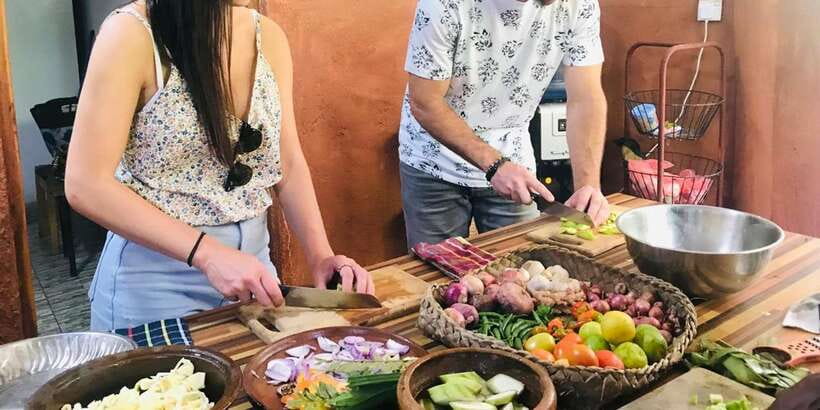
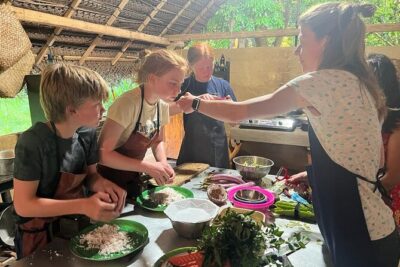
The best part of this Kandy cooking class is that you make the food from start to finish, rather than simply watching a demonstration. With a group capped at four, you can work closely with the instructor on Sri Lankan dishes such as lentils, jackfruit curry, mango chutney, and several vegetable preparations.
I like the small group size and the chance to eat a full lunch made by your own hands. I also like the practical welcome: hotel pickup and drop-off are included, and some sessions take you to a market to choose the produce before cooking. The main point to check is the host name, since the experience is presented with Chitra as instructor while recent booking details identify Ranees and his wife as the cooking hosts.
Key points to know before booking
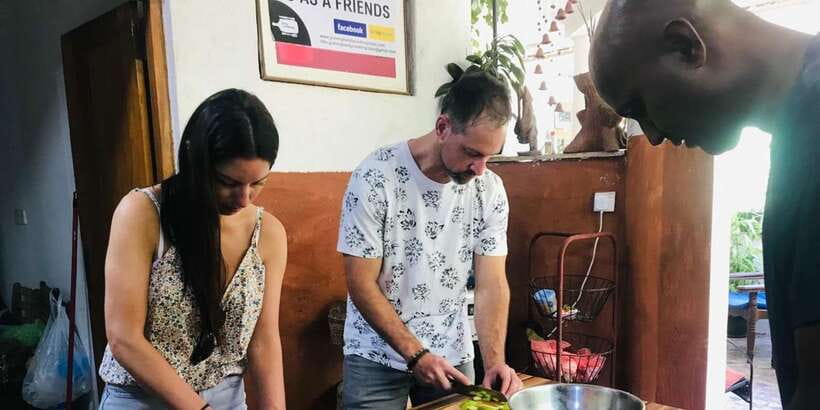
- A maximum of four participants keeps the class personal and gives you more time at the stove.
- Jackfruit curry, lentils, chutney, and vegetable dishes form the heart of the meal, with meat options available too.
- Market shopping may be part of the morning, letting you see the produce used in the cooking.
- Vegan, vegetarian, and gluten-free meals can be arranged, but tell the operator ahead of time.
- Hotel pickup and return are included in Kandy, using a tuk-tuk or van based on group size.
- Recipes are provided after class, so the meal does not end when lunch is cleared away.
What this Kandy cooking class is really about
Sri Lankan cooking is built on layers. Lentils, coconut, vegetables, spices, and curry leaves can become a surprisingly varied meal when each ingredient is handled at the right time. This class gives you a useful look at those basic methods while keeping the setting social and relaxed.
You are not signing up for a formal culinary school lesson. This is a home-style food experience with a local instructor, a compact group, and lunch at the end. That makes it a good fit if you want to learn dishes you can repeat at home, not just collect photographs of a cooking demonstration.
The class lasts three hours, which is long enough to prepare several dishes without turning the activity into an all-day commitment. You will likely spend part of that time preparing ingredients, cooking each dish, and sitting down to eat what you have made.
The operator describes Chitra as the instructor, an expert in Sri Lankan cuisine. At the same time, recent booking information names Ranees and his wife as the hosts, with Ranees described as a cook involved in restaurants and catering. Because the names do not match perfectly, I would confirm the host at the time of booking if that matters to you.
A few more Kandy trips to weigh up
- Kandy Village Cooking Class
★ 5.0 · 536 reviews - Private Traditional Sri Lankan Cooking Class in Kandy with Hotel Transfers
★ 5.0 · 115 reviews - Cooking With Village Family
★ 5.0 · 104 reviews
Hotel pickup makes the morning easier
The class begins with pickup at your hotel concierge desk and ends with a return to your hotel. Transport is by tuk-tuk or van, depending on the number of participants.
That sounds like a small detail, but it matters in Kandy. If your hotel sits outside the central area, finding the cooking location on your own can cost time and add a layer of transport planning. One reported experience involved a tuk-tuk ride from a hotel outside Kandy, which became part of the fun rather than a separate chore.
The transport is also a nice introduction to everyday Sri Lankan travel. A tuk-tuk gives you a more open, local feel, while a van will be the more practical choice for a larger group. Since the class limit is four, you may get a tuk-tuk if the party is small, though the operator decides based on the number of people.
Pickup details are not given as a set time. You need to check availability for the starting time that fits your day. Since the activity lasts three hours and includes lunch, leave enough room around it rather than scheduling a major attraction immediately afterward.
The market stop can add useful local context
One account describes being taken to a market to choose the produce for the class. This is an especially useful addition because it connects the finished curry to the ingredients before they reach the kitchen.
A market visit can help you recognize vegetables and fruits that may be unfamiliar, including jackfruit. It also gives the instructor a natural chance to explain which produce is used in Sri Lankan dishes, how it is prepared, and why certain ingredients work well together.
The market visit is not clearly promised as a fixed part of every booking, so treat it as a possibility rather than a guaranteed stop. Ask ahead if choosing ingredients at the market is important to you.
If the market is included, it may make the activity feel less like a standard cooking lesson and more like a look at the food system behind the meal. If it is not included, the class still provides the main value: hands-on preparation and a shared lunch.
Preparing jackfruit curry and several vegetable dishes
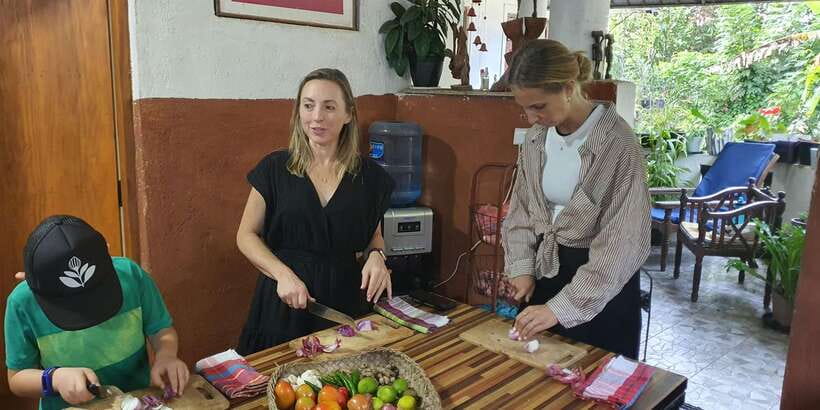
Jackfruit curry is one of the most interesting dishes listed for the class. Jackfruit has a meaty texture when cooked, which makes it a popular choice in vegetarian and vegan cooking. You will learn how it is turned into a savory curry rather than treating it as a sweet fruit.
Lentils provide another useful lesson. They are a common part of Sri Lankan meals and show how a simple staple can become a well-seasoned dish. You can expect instruction on the spice blend and cooking methods behind the recipes, not just a list of ingredients.
The menu can also include mango chutney, chicken curry, and several vegetable dishes. You will not necessarily prepare every dish mentioned in every session, since the final menu can depend on dietary preferences and the class arrangement.
The useful thing is the range. You are not learning one curry in isolation. You get a taste of how Sri Lankan cooks balance legumes, vegetables, fruit, coconut, spices, and, if selected, meat in one meal.
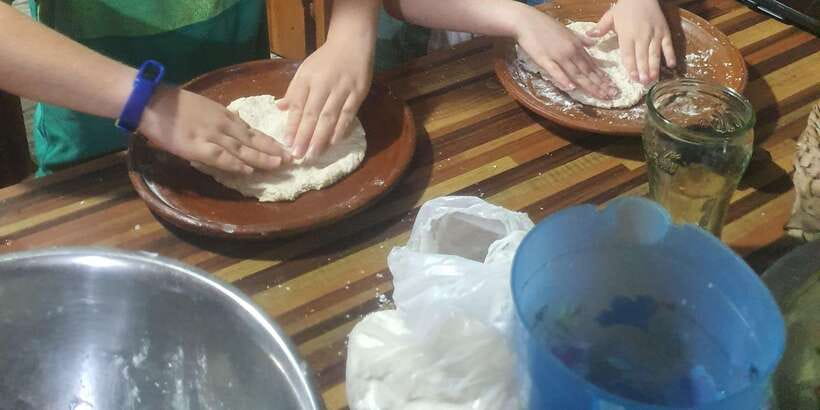
A previous participant described making each dish fully from the beginning, with nothing prepared in advance. That is worth noting if you want real practice. It means more chopping and preparation than a staged demonstration, but it also gives you a clearer sense of the full process.
Same island, a completely different kind of day:
- Kandy Private Guided City Tour by Tuk Tuk
★ 4.9 · 1,307 reviews - From Kandy: Sigiriya Rock & Dambulla Cave Temple Adventure
★ 4.9 · 785 reviews - Kandy to Ella Train Tickets – Reserved Seats
★ 4.5 · 523 reviews - From Kandy: Pinnawala Day Tour
★ 4.8 · 331 reviews
A class suited to beginners and curious cooks
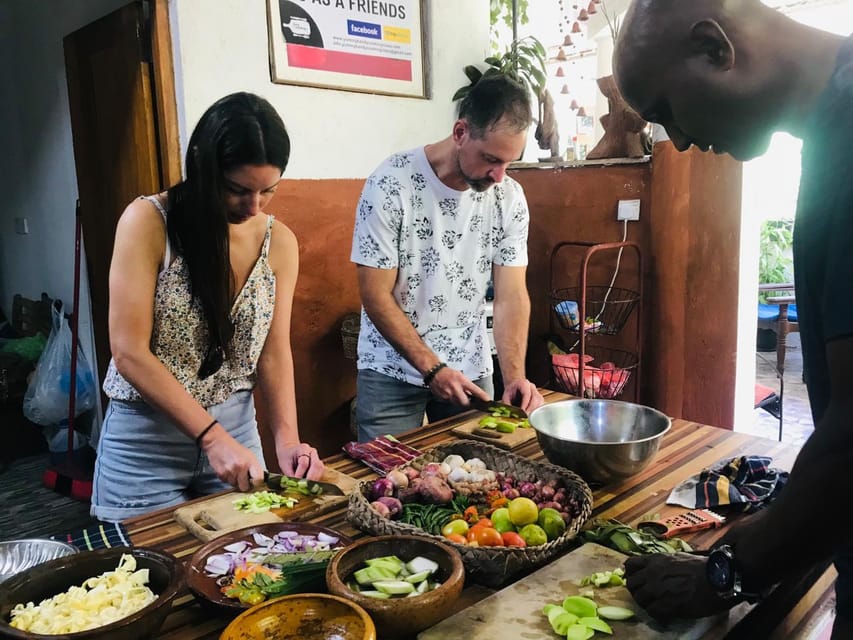
The small group limit is one of the strongest features here. With no more than four participants, you should have a better chance to ask questions, watch the cooking closely, and take an active role in preparing the dishes.
The instruction is in English. The class is intended to work for beginners as well as more experienced home cooks, with the instructor adjusting help to your level.
You should still expect a social activity rather than a private lesson built entirely around your preferences. Other participants may have different cooking skills or choose different dietary options. In a four-person group, that usually remains manageable, but the class will not feel like a one-to-one session.
The setting is described as beautiful, though no precise kitchen details are provided. The important practical point is that the necessary kitchen equipment is included, so you do not need to bring anything beyond an appetite and perhaps a way to take notes.
Lunch is the payoff, not an afterthought
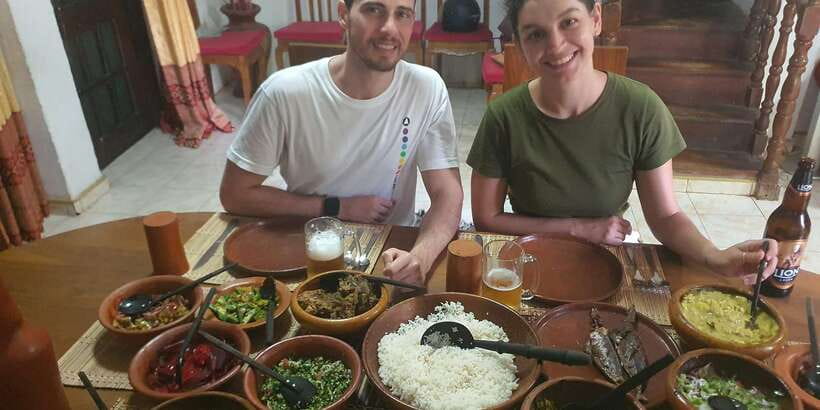
Once the dishes are ready, you sit down with the instructor and the other participants to eat. This shared meal is a central part of the experience, not a small sample served at the end.
I like this format because the meal gives immediate meaning to the cooking lesson. You can taste how the spices work together, compare the dishes, and ask questions while the food is still fresh.
The portions may be generous. One account described not being able to finish everything, so you may find this functions as a full lunch rather than a light snack. That makes the experience good value on a day when you would otherwise pay separately for a meal.
Coffee or tea and bottled water are included. Meals are prepared according to your dietary preferences, with vegan, vegetarian, and gluten-free choices available. You should communicate those needs in advance instead of waiting until the class begins.
The menu can include chicken curry for those who eat meat, but the class also works well as a plant-based experience. The jackfruit curry and vegetable dishes give vegan participants more than a token substitute meal.
What the recipe follow-up adds
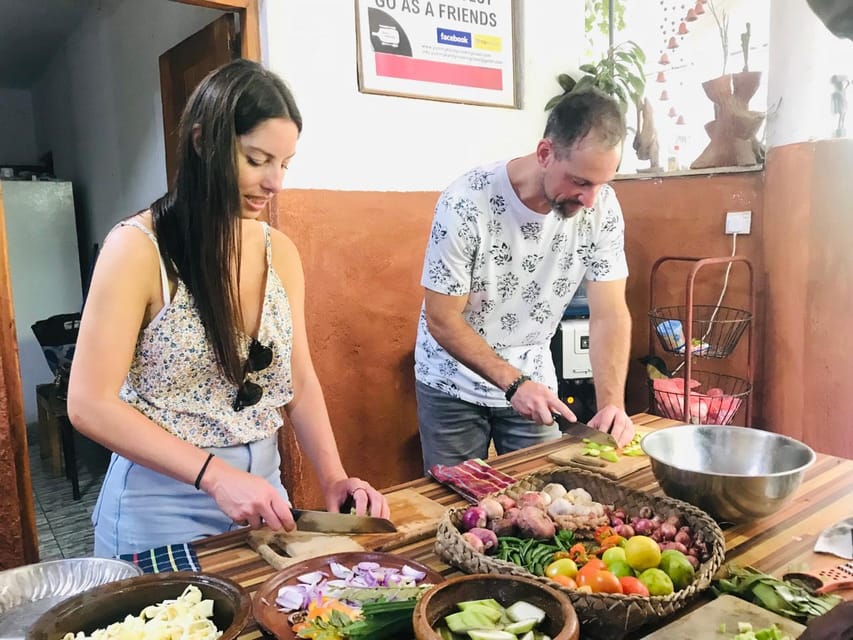
The class provides recipes and instructions for the dishes you prepare. This is a major advantage over cooking activities that end when the meal is eaten.
Sri Lankan cooking often depends on technique as much as measurement. The recipe material gives you a reference when you try to recreate the meal at home, while the class lets you see the timing, texture, and preparation in person.
One participant specifically valued learning about unfamiliar vegetables, their health benefits, and the best ways to prepare them. That suggests the lesson goes beyond copying a recipe. You may also pick up practical ideas for using produce you have seen in Sri Lanka but would not normally buy at home.
Still, do not expect a professional cookbook with highly standardized measurements unless the operator confirms that format. The available information promises recipes and instructions, not a polished printed volume. Think of the material as a useful cooking reminder from the class.
Is $40 a fair price?
At $40 per person, the price covers a three-hour lesson, hotel transport, ingredients, kitchen equipment, bottled water, tea or coffee, and a complete lunch. It also includes recipe instructions and the benefit of a small group.
That is a solid package if you value participation. You are paying for several things at once: the meal, the instruction, the local host, transport, and the chance to ask questions in a group of no more than four.
The value is especially good for vegan or vegetarian visitors. Finding a satisfying plant-based meal in a tourist area can take effort, while this class builds the menu around your needs and lets you learn dishes you can use later.
It is less compelling if you mainly want to watch someone cook for an hour and move on. Three hours is a meaningful block of your Kandy schedule, and the hands-on format means you need to be willing to chop, stir, wait, and eat at the class location.
For a couple or small family, the cost can compare well with a private meal and separate cooking lesson. For solo visitors, the group setting may make the activity more social, though the price remains per person.
Who should book this experience?
I would recommend it to anyone who enjoys food enough to give part of a morning or afternoon to the subject. It is particularly suited to:
- First-time visitors who want a practical introduction to Sri Lankan food.
- Home cooks who want recipes they can repeat after returning home.
- Vegan and vegetarian diners seeking a full, locally focused meal.
- Couples and small groups who prefer personal instruction.
- People staying outside central Kandy who appreciate included transport.
- Visitors who want a social activity instead of another sightseeing stop.
Families should note that babies under one year are not suitable for the activity. The available information does not set a broader child age rule, so ask the operator if you are traveling with older children.
The class is wheelchair accessible according to the activity details. Since transport and kitchen arrangements can vary, it is sensible to state your access needs when booking.
Booking details worth checking
Free cancellation is available up to 24 hours before the activity for a full refund. You can also reserve now and pay later, which helps if your Kandy schedule is still shifting.
The instructor speaks English, and English is the listed language for the experience. The group type is small, with a limit of four participants.
I would confirm three points before you finalize your plans:
- Ask whether the market visit is included on your selected date.
- Confirm whether Chitra, Ranees, or another host will lead the session.
- Send vegan, vegetarian, or gluten-free requests in advance.
These questions do not suggest a problem. They simply match the details that can affect what your morning looks like.
Should you book the Kandy cooking class?
Book it if you want to cook and eat a real meal, not just watch a chef perform. The small group, included pickup, dietary flexibility, recipe follow-up, and broad menu make the $40 price reasonable.
I would be especially keen on it for a short stay in Kandy. A cooking class gives you a direct connection to local food, and the tuk-tuk pickup, market possibility, and shared lunch add more local texture than another standard restaurant meal.
Skip it if your schedule is too tight for three hours or if you dislike hands-on kitchen work. Also confirm the host and market details before paying, since those parts may vary.
For most food-focused visitors, this is an easy activity to justify. You leave with lunch, new cooking skills, and recipes that can bring a little of Sri Lanka back to your own kitchen.
FAQ
How long does the cooking class last?
The class lasts three hours, including the cooking session and shared meal.
How much does the experience cost?
The listed price is $40 per person.
Where does pickup take place?
Pickup is at the concierge desk of your hotel in Kandy, with drop-off at the same hotel after the class.
What type of transport is used?
The operator uses either a tuk-tuk or a van, depending on the number of participants.
How many people can join the class?
The class is limited to four participants.
Is the class taught in English?
Yes. English is the listed language for the instructor and the experience.
What dishes can be prepared?
The menu can include lentils, jackfruit curry, mango chutney, chicken curry, and different vegetable dishes. The exact menu may vary.
Can vegan or vegetarian participants join?
Yes. Vegan and vegetarian meals are available, and dietary preferences should be provided in advance.
Can people on a gluten-free diet participate?
Yes. Gluten-free meal options are available, with advance notice recommended.
Is the activity wheelchair accessible?
Yes, the activity is listed as wheelchair accessible.
Is lunch included?
Yes. You eat the dishes prepared during the class, and lunch is included along with coffee or tea and bottled water.
Can I cancel the booking?
You can cancel up to 24 hours in advance for a full refund.
Can I reserve now and pay later?
Yes. The reserve-now, pay-later option is available.
Are babies under one year allowed?
No. Babies under one year are not suitable for this activity.
Just added around Kandy
- Thrills of Kitulgala★ 5.0 · 4 reviews
- Three Temples Loop In Kandy Day Tour By Tuk Tuk★ 4.9 · 14 reviews
- Sri Lanka: Ceylon Cinnamon Experience & Spice Garden Tour★ 5.0 · 6 reviews
- Sri Lanka: 7-Day Off-The-Beaten Path Private Tour★ 4.7 · 10 reviews
- Pinnawala Day Tour from Kandy (Private tour )★ 5.0 · 15 reviews
- Nuwara Eliya: All-Inclusive Private Sightseeing Day Tour★ 4.9 · 3 reviews
- Morning Sunrise Tour/Evening Sunset Tour To Nelligala Temple★ 5.0 · 4 reviews
- Knuckles Leopard trail Trek from Kandy★ 5.0 · 6 reviews
Cooking Classes, compared.
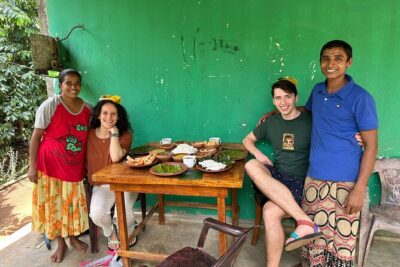
Organic cooking class sigiriya (kumara & family)
Read our review →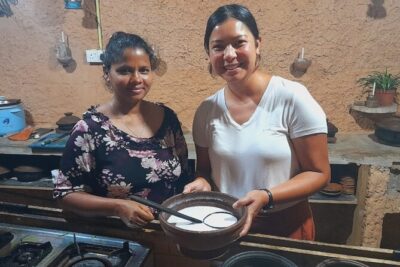
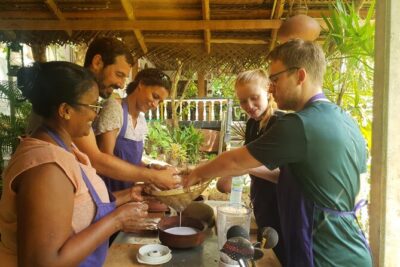
Sri Lankan Cooking Class with Neranji at Homestay
Read our review →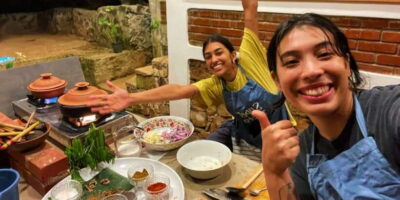
Browse the lists this tour appears in