
Reviewed · COOKING CLASSES
Cooking with Arun & Tamil Family
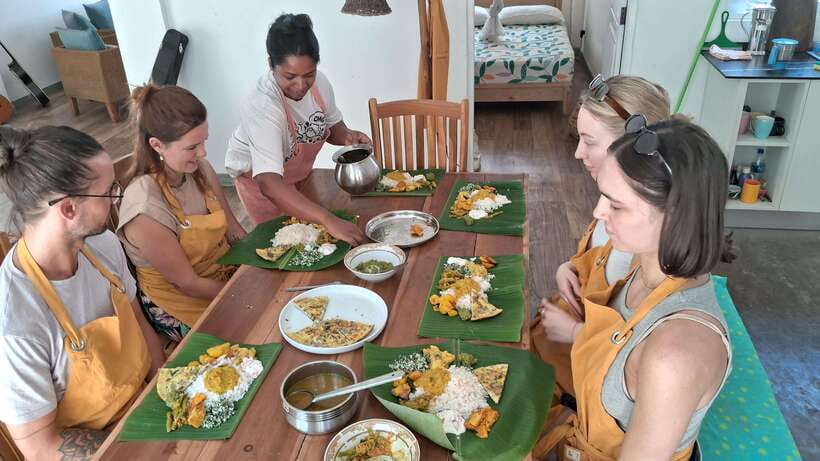
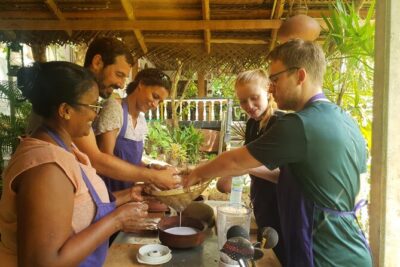
Cooking with Arun is less a formal chef lesson than a friendly invitation into a Tamil family kitchen. Arun, his mother, and their assistant guide you through Sri Lankan dishes, then sit down with you to eat what you made. The food is the main event, but the family setting, music, and easy humor give the afternoon its character.
I like the choice of dishes, since the menu can suit vegetarian, vegan, meat-based, mild, and spicy preferences. I also like the small group size of up to 10, which should leave room for questions and hands-on work. The main consideration is that this is a home-style experience, not a polished cooking school, so anyone wanting a highly structured professional class may find it relaxed.
Key points
- Tamil family cooking: Learn alongside Arun, his mother, and an assistant in their own cozy kitchen.
- Flexible menu: Dishes can be adapted for vegetarian, vegan, meat-based, mild, and spicy preferences.
- Three hours of food and company: Cook, share the meal, enjoy afternoon tea, and try authentic sweets.
- Music and family atmosphere: Guitars and a ukulele are available, and you may play your own music while cooking.
- A recipe book to keep: The complimentary PDF helps you repeat the dishes at home.
- A thoughtful food policy: Extra food can be taken home or donated to disadvantaged people.
A Sri Lankan cooking class with a family at its center
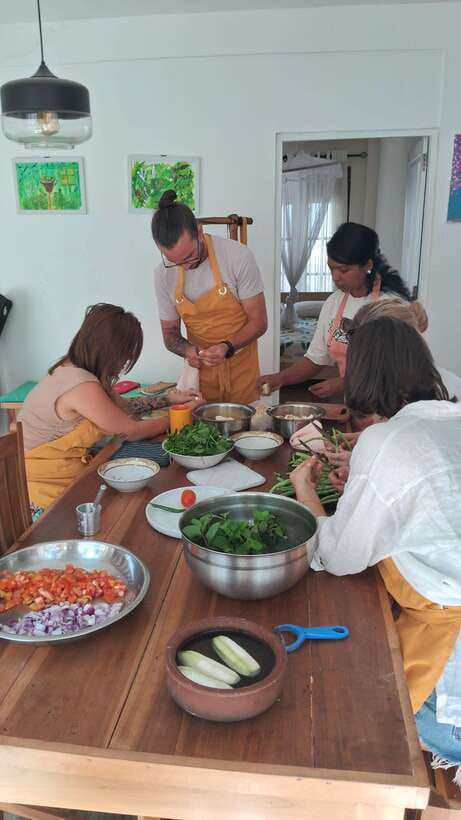
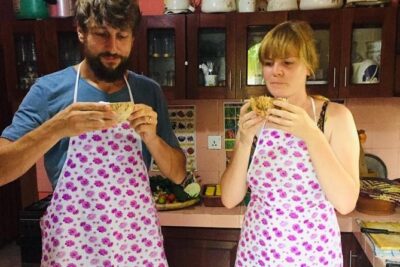
The strongest reason to book this experience is the setting. You are not simply shown a finished curry and sent off with a recipe. Arun invites you into the family kitchen, where his mother brings the practical cooking knowledge and the meal develops around the group.
That family approach matters in Sri Lanka. Food is closely tied to welcome, routine, and sharing, and this class gives you a chance to take part in that rather than only photograph it. The cooking is Tamil-style, adding a useful regional angle to the broader category of Sri Lankan cuisine.
You should expect a warm, informal session. Arun’s own description makes clear that beginners are welcome, and the class is meant to be enjoyable as well as instructional. You will be guided through each stage, so you do not need advanced kitchen skills.
The tone is also family-friendly. A young child received special kindness during one session, and the presence of Snowy, the family pet, adds another homely touch. If you like cooking with a little conversation, laughter, and personality around you, this format will suit you better than a quiet demonstration.
A few more Kandy trips to weigh up
- Kandy Village Cooking Class
★ 5.0 · 536 reviews - Private Traditional Sri Lankan Cooking Class in Kandy with Hotel Transfers
★ 5.0 · 115 reviews - Cooking With Village Family
★ 5.0 · 104 reviews
What happens during the three hours
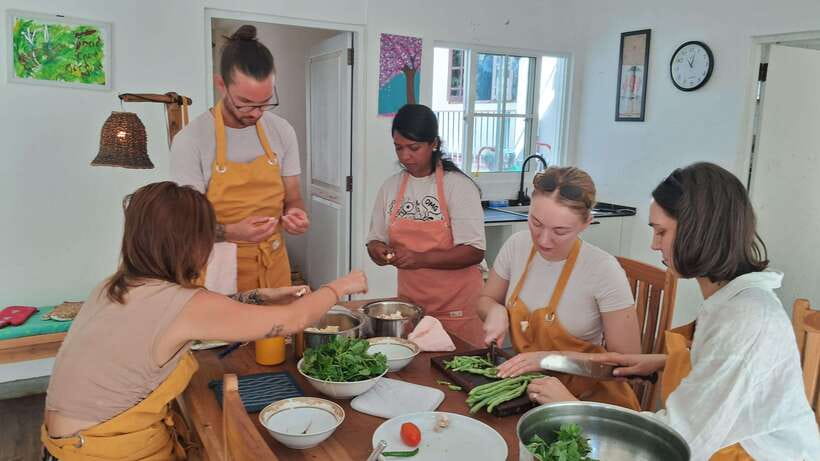
The experience begins with a welcome drink, giving you a moment to settle into the kitchen before the cooking starts. Since the class lasts three hours, the schedule has enough room for preparation, cooking, eating, and the extra treats included at the end.
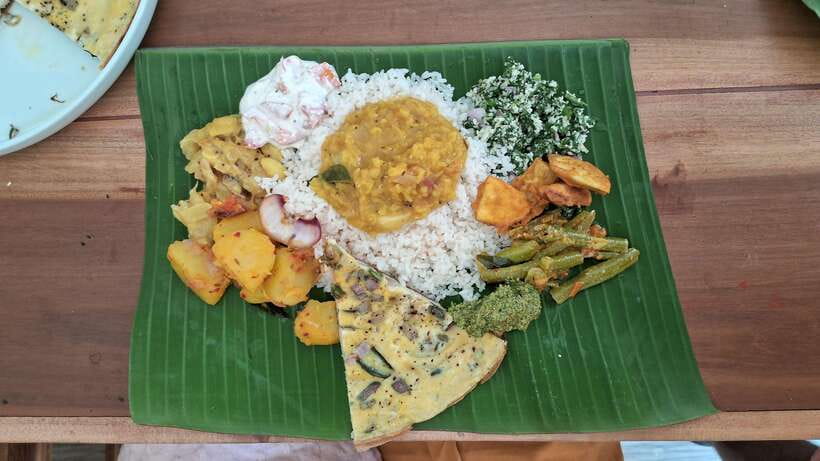
The exact menu can vary according to preferences. Arun offers a broad selection of Sri Lankan dishes, including spicy curries and milder, fragrant options. You can also discuss vegetarian, vegan, or meat-based food, and you should mention allergies or dietary restrictions before the cooking begins.
That flexibility is one of the best practical features. Sri Lankan food can include strong spice, coconut, chili, and other ingredients that do not suit every palate. Being able to request a gentler version means you can learn about the cuisine without spending the meal trying to manage heat that is too intense.
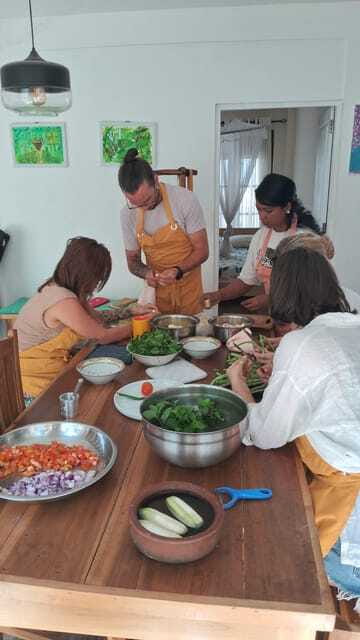
You will take part in the preparation rather than simply watch. Arun and his mother guide you through the work, explaining the process in a way designed for mixed skill levels. The information provided does not promise a set number of dishes, so I would book this for the chance to learn a group of recipes, not for a guaranteed dish count.
Once the food is ready, you sit down and eat together. This shared meal is an important part of the experience. It lets you taste the results while the cooking steps are still fresh in your mind, and it turns the class into a social evening rather than a lesson that ends at the stove.
If more food has been prepared than the group can finish, you may take some home. You may also choose to donate the extra food to disadvantaged people. That option gives the meal a useful sense of care and avoids treating leftovers as an afterthought.
The Tamil-style menu and why flexibility helps
Sri Lankan cooking is often described through curry, but a good meal depends on balance: spice, sweetness, acidity, texture, and the way several dishes work together. A family-led class can show you that balance more naturally than a single restaurant order.
The menu here is described as a wide range of Sri Lankan dishes with Tamil-style cooking at its heart. You might prepare spicy curries, mild dishes, and other regional favorites, depending on your preferences and the session’s plan. Since no fixed menu is supplied, you should ask what will be cooked when arranging your place if a particular dish matters to you.
Vegetarians and vegans are well catered for in principle, as are people who eat meat. This makes the class easier to share with a mixed group. You do not need to sit out while someone else cooks a menu that does not suit you.
For spice-sensitive eaters, the ability to choose mild food is especially useful. For confident cooks, it may be worth asking for a more traditional level of heat. Either way, the point is not simply to copy a recipe. You get a better feel for how Sri Lankan cooks adjust food for the people at the table.
Fresh, locally sourced ingredients are used whenever possible. The information does not list the exact market, farms, or ingredient suppliers, so I would not book this expecting a separate market visit. The value is in working with ingredients in the kitchen and understanding how they become a shared meal.
Arun, his mother, and the welcome
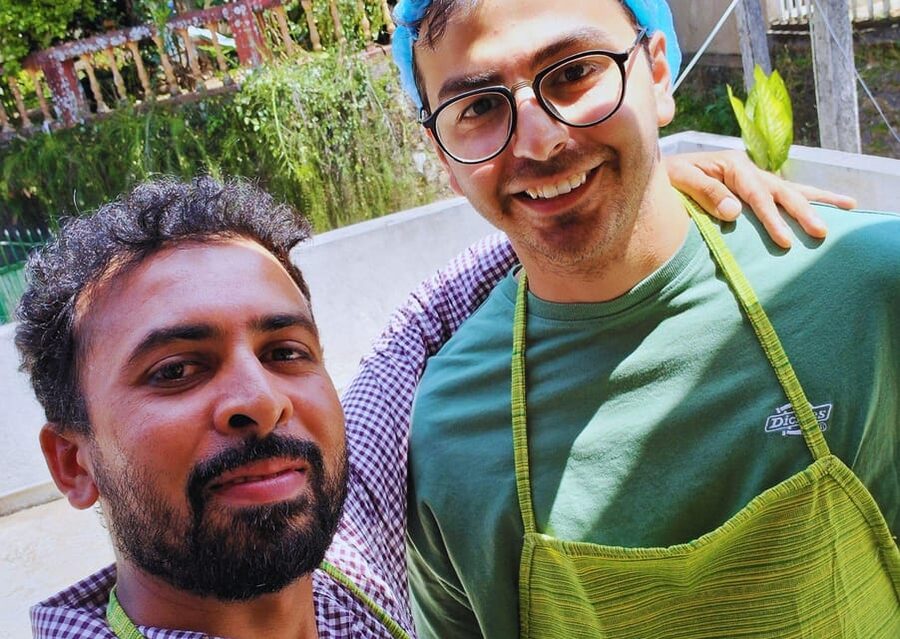
Arun is the host and English-speaking instructor, while his mother is central to the cooking. That combination gives the class two useful layers: Arun helps you follow the session, and his mother brings the family’s cooking tradition into the lesson.
An assistant also helps create the welcoming atmosphere. The people involved are repeatedly described as kind and warm, and one family found the team especially caring with a two-year-old child. That suggests the experience can work well for families, though parents should still consider whether three hours of cooking suits their child.
The class has a personal feel from the moment you arrive. You are welcomed with a drink, brought into the kitchen, and included in the preparation. The mood is not formal. Humor and conversation are part of the experience, which helps if you are nervous about cooking in front of others.
You will also meet Snowy, the family’s pet. Snowy may be nearby as the cooking takes place, adding to the home setting. Anyone with pet allergies should take that detail seriously and ask about arrangements before booking.
Same island, a completely different kind of day:
- Kandy Private Guided City Tour by Tuk Tuk
★ 4.9 · 1,307 reviews - From Kandy: Sigiriya Rock & Dambulla Cave Temple Adventure
★ 4.9 · 785 reviews - Kandy to Ella Train Tickets – Reserved Seats
★ 4.5 · 523 reviews - From Kandy: Pinnawala Day Tour
★ 4.8 · 331 reviews
Music, guitars, and the rhythm of the kitchen
Food is not the only activity in this kitchen. Arun encourages music during the cooking, with guitars and a ukulele available. You can play your own tunes, strum along, or simply enjoy the soundtrack while the meal comes together.
This is a small detail, but it tells you what sort of experience to expect. The class is built around shared enjoyment rather than strict timing and chef-like precision. Music can make a group feel at ease, especially when people arrive as strangers.
It also means the atmosphere may be livelier than a standard cooking workshop. If you want a quiet session with careful note-taking, the music and conversation may feel distracting. If you like a relaxed home gathering, it should fit well.
The rooftop chill-out area adds another place to spend time after cooking. You can unwind there, eat, and take in the views. The supplied details do not specify what can be seen from the roof, so treat it as a pleasant extra rather than a guaranteed sightseeing stop.
Afternoon tea, sweets, and the meal at the end
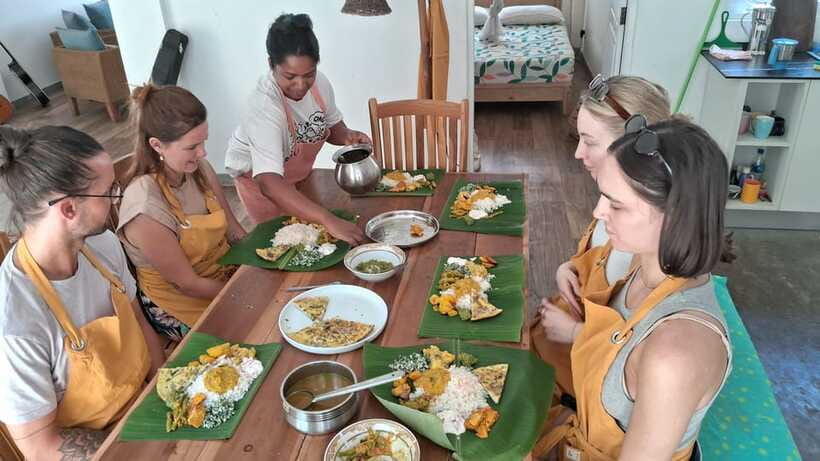
The main meal is followed or accompanied by afternoon tea and authentic sweets. This gives the session a second food moment beyond the curries and savory dishes, and it introduces flavors you might not order on your own.
The sweets are part of the cultural value here. Sri Lankan food is not only about chili and curry, and a home meal often includes small treats, tea, and time to talk. The slower ending lets you enjoy the social side of the experience instead of rushing away as soon as the cooking is finished.
You also receive a complimentary PDF recipe book. This is more useful than a souvenir that stays in a drawer, provided you save it somewhere easy to find. Write down any personal adjustments during the class, especially how much spice you prefer, since the recipe book may not capture every informal tip shared in the kitchen.
Price, group size, and overall value
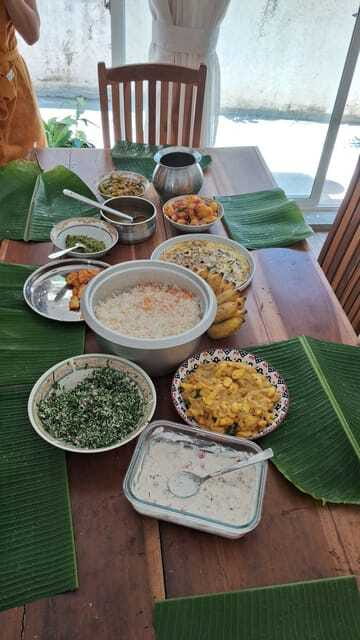
The price is $37 per person for three hours. That includes the welcome drink, the cooking lesson, the meal, afternoon tea with authentic sweets, and the recipe book. You are paying for food and instruction, but also for time with the family and access to a personal cultural setting.
For comparison, a short demonstration with a tasting would offer less participation. Here, you have the chance to help prepare the meal and then eat it with the people who taught you. That makes the price fair for anyone who values hands-on cooking and conversation.
The group is limited to 10 people. That is not a private class, but it is small enough to be more personal than a large workshop. The experience will be at its best when everyone joins in, asks questions, and shares the kitchen space.
Group size can affect the feel of a home cooking class. With only a few people, you may receive more direct guidance. With a full group of 10, the kitchen may feel busier and you may need to wait briefly for a task. The small-group limit still provides a reasonable balance between social energy and personal attention.
The class lasts three hours, with starting times based on availability. The material does not specify a single daily departure time, so check the available slot before planning other activities. Allow yourself enough time afterward to enjoy the meal rather than treating the cooking session as a quick stop.
Who will enjoy this most
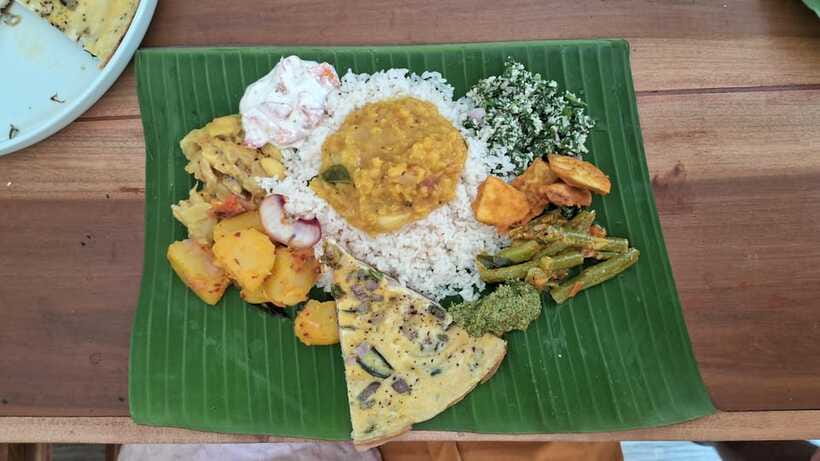
I would recommend this experience to you if you want food to be a way into local culture. It suits curious beginners, home cooks who want new recipes, couples, families, and small groups of friends. The flexible menu also makes it practical for mixed dietary preferences.
It is particularly good for people who value hospitality over polish. You will spend time in a family kitchen, meet the household pet, listen to music, and eat together. The best memories here are likely to come from the people and the shared meal as much as from the recipes.
The class may be less suitable if you need a fixed menu, a professional teaching kitchen, or a tightly timed lesson. The atmosphere is intentionally relaxed, and the menu can be customized. That is a strength for most people, but it means the session is not designed around a rigid cooking-school format.
English is the listed language for instruction. The small group format and direct guidance should help you follow along, but anyone who needs detailed instruction in another language should check before booking.
Practical details before you book
The experience is in Sri Lanka’s Central Province. The information provided does not give a precise meeting point or transport arrangement, so check the location details carefully before you set out. Do not assume hotel pickup or included transport.
You can cancel up to 24 hours in advance for a full refund. The reserve-now, pay-later option lets you hold a place without paying immediately, which is useful if your Sri Lankan schedule is still changing.
Tell the host about allergies and dietary restrictions before the class. The menu can accommodate several food preferences, but early notice gives Arun and his family the best chance to prepare properly.
Bring an appetite and a willingness to take part. You may also want to keep your phone handy for notes or photos, but the recipe PDF means you do not need to record every step. Comfortable clothing is sensible for any three-hour kitchen session, though no specific dress code is provided.
Should you book Cooking with Arun?
Book it if you want a personal, family-led food experience rather than a formal chef course. The strongest features are the Tamil-style cooking, adaptable menu, shared meal, friendly family setting, and recipe book you can use afterward.
At $37, the combination of instruction, food, sweets, and hospitality offers good value. I would choose it for an evening or afternoon centered on connection and local cooking, especially if you are traveling with someone who has different dietary needs.
Skip it if your priority is a fixed list of dishes, a professional kitchen, or a lesson built around technical culinary training. For everyone else, Cooking with Arun offers a warm and practical way to understand Sri Lankan food at the family table.
FAQ
Where does Cooking with Arun take place?
The experience takes place in Sri Lanka’s Central Province.
How long does the cooking class last?
The experience lasts three hours.
How much does it cost?
The listed price is $37 per person.
Who teaches the class?
Arun leads the English-language experience with his mother and an assistant.
What food preferences can the class accommodate?
The menu can include vegetarian, vegan, meat-based, mild, and spicy options. You should share allergies or dietary restrictions in advance.
What is included in the experience?
You receive a welcome drink, cooking instruction, a dine-in meal, afternoon tea with authentic sweets, and a complimentary PDF recipe book.
Can I take food home?
If extra food is prepared, you may take it home or donate it to disadvantaged people.
How many people can join the group?
The group is limited to 10 participants.
Just added around Kandy
- Exclusive knuckles Camping Tour from kandy★ 5.0 · 6 reviews
- Authentic Sri Lankan Cooking Class in Kandy by Local Family★ 4.9 · 15 reviews
- Ambuluwawa Tower & Pinnawala & Kandy Day Tour From Negombo★ 5.0 · 4 reviews
- Ambuluwawa Tower & Pinnawala & Kandy Day Tour From Colombo★ 5.0 · 5 reviews
- 8-Day Sri Lanka Private Round Tour Hotels, Meals, Car, Guide★ 4.3 · 6 reviews
- From Kandy: All Inclusive Adams Peak Epic Guided Hike★ 4.8 · 25 reviews
- White Water Rafting in Kitulgala★ 4.5 · 12 reviews
- 1 Hour Private White Water Rafting in Kitulgala From Kandy with Hotel Pickup★ 5.0 · 15 reviews
Cooking Classes, compared.
Organic cooking class sigiriya (kumara & family)
Read our review →
Sri Lankan Cooking Class with Neranji at Homestay
Read our review →
Browse the lists this tour appears in