
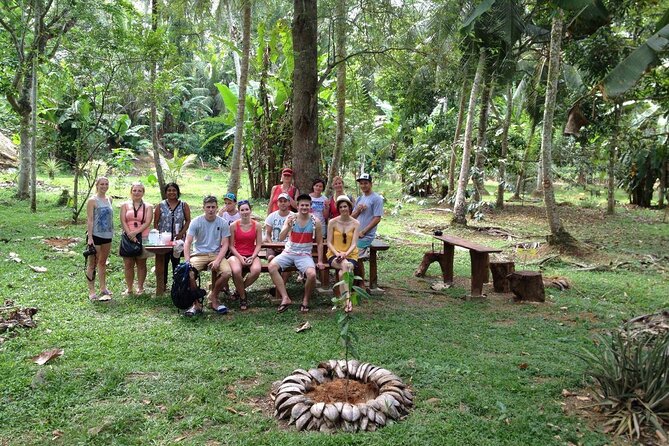
Reviewed · WALKING TOURS
Nandana Tea Walking Tour in Sri Lanka
Nandana Tea Factory gives you more than a look at tea machines. You walk through an Ayurvedic herb garden, see tea plants and processing, then sit down to compare as many as seven kinds of tea. The setting near the Nilwala Ganga adds a rural Southern Province feel that large factory stops often lack.
I like the mix of hands-on tasting and plant knowledge, and I like that the family-run visit includes real hospitality rather than a quick shop stop. The owner and staff, including guides named Gunasoma, Manshijt, and ChoopoolMandrit in different tours, may show you medicinal plants, spices, and even simple uses for aloe vera.
The main drawback is location: Nandana is in Akuressa, not on the main coastal sightseeing path, so reaching it takes planning. The standard visit lasts about two hours, and lunch costs extra, though tea purchases up to $39 can be included in the value.
Key points at a glance
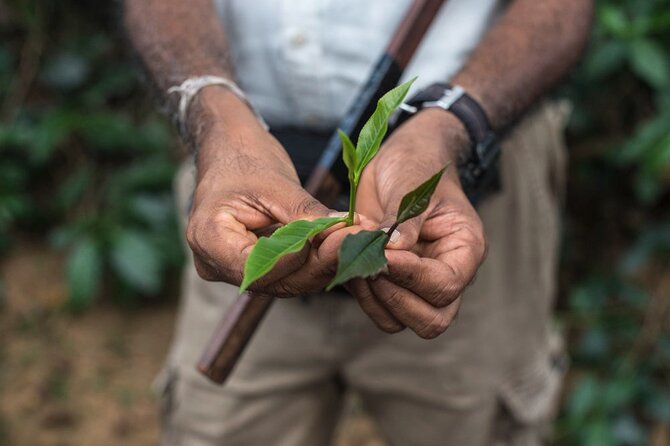
- Seven-tea tasting: Compare different teas made at the factory, including differences linked to leaf size and processing.
- Ayurvedic garden walk: See Sri Lankan herbs and spices, smell and taste selected plants, and learn about traditional uses.
- Family-run factory: Expect a personal visit rather than a large commercial attraction, with a maximum of 10 people.
- Old-style tea making: The tour shows how leaves move through the production process inside the factory.
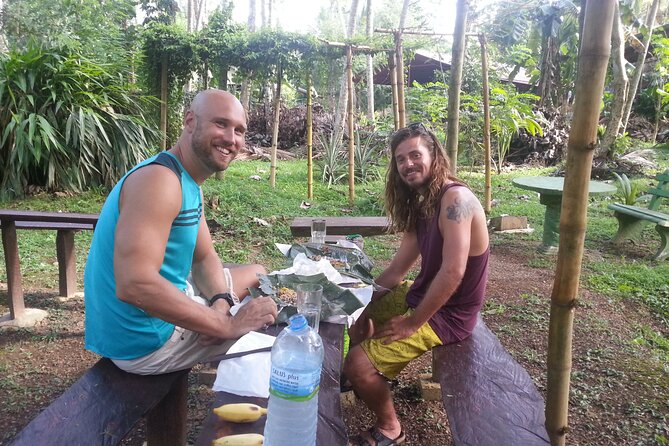
- Optional banana-leaf meal: Add an organic home-cooked lunch wrapped in banana or lotus leaf.
- Useful tea credit: If you buy tea after the visit, purchases up to $39 are free under the stated offer.
Why Nandana feels different from a standard tea stop
A tea factory visit can easily become a short walk past machinery followed by a shop. Nandana aims for something broader. You get tea production, a garden of local plants, a tasting session, and the chance to share a home-cooked meal in one small visit.
That combination matters because Sri Lankan tea is not just a drink. It connects agriculture, colonial-era plantation history, family businesses, export trade, and daily life. At Nandana, the tea story begins with plants and ends with a cup you can compare directly with other styles.
The factory sits in Akuressa, in Matara District, near the Nilwala Ganga, known locally as the Blue River. Southern Sri Lanka is better known to many visitors for beaches and fishing towns, but the inland area around Matara also has paddy fields, rubber trees, thick plant growth, and tea cultivation.
Nandana’s own story reaches back to 1910, when D. A. Wanigasekara, one of the early tea planters in the region, entered the tea trade. That gives the factory a useful local connection. You are not simply looking at imported equipment or a staged plantation display. You are visiting a tea business tied to the area and its family history.
A few more Southern Province trips to weigh up
- Galle Fort Walking tour
★ 4.9 · 285 reviews - Galle Fort Walking Tour with a Resident
★ 5.0 · 88 reviews - Colombo Walking Tour with Ajeet De Soyza
★ 5.0 · 43 reviews
The garden walk begins with Sri Lankan plants
The first part of the visit takes you into the herbal garden. This is a strong opening because it gives you something to see and smell before the factory machinery takes over.
You might learn how different Ayurvedic herbs are used and how spices can affect tea flavor. The guides encourage you to smell and taste some leaves, which makes the walk more memorable than a list of plant names. One guide even used aloe vera on a visitor’s sunburn, a small detail that shows how practical the plant talk can become.
The garden also includes tropical vegetation and a jungle-like area. Monkeys have been seen here, and the grounds are described as having a wide range of plants. You should treat wildlife sightings as a possibility, not a promised part of the tour.
An iced tea is included during the garden visit. That is a smart touch in Sri Lanka’s warm climate, especially if you have come from the coast or spent time on the road. It also gives you an early taste before you begin comparing the factory’s finished products.
The garden is not just filler between the entrance and the machinery. It helps explain the flavors added to some teas and shows why tea production sits within a wider network of local plants. If you enjoy food, gardening, or traditional remedies, you may find this part as interesting as the factory itself.
Inside the factory, follow the leaf from field to cup
The factory tour focuses on how tea leaves reach your table. You can expect to see the stages of tea making inside an older factory building, with the guide explaining the process as you move through it.
The factory produces premium orthodox black tea. Orthodox production generally involves more careful handling of the leaves than the faster, more heavily cut methods used for some mass-market tea. The visit gives you a chance to connect that process with what you taste later.
The details matter here. Tea is not one uniform product. Leaf size, handling, oxidation, and final preparation all affect the color, smell, body, and flavor in your cup. The visit helps you notice those differences instead of treating every black tea as the same.
The factory is attached to the garden, so the transition from plants to production is easy to follow. You see the source material, then the method used to process it. That makes Nandana a better choice for curious drinkers than for people who only want a scenic plantation photograph.
The setting also has a lived-in quality. This is a family business, not a large industry estate built only for sightseeing. That can mean a more personal explanation, but it also means you should not expect a polished museum with extensive signs, timed sections, or a large visitor center.
Air conditioning is available in the clean space used for food and tasting. That can be welcome after the garden walk. The small maximum group of 10 should also make it easier to ask questions and hear the guide.
The seven-tea tasting is the heart of the visit
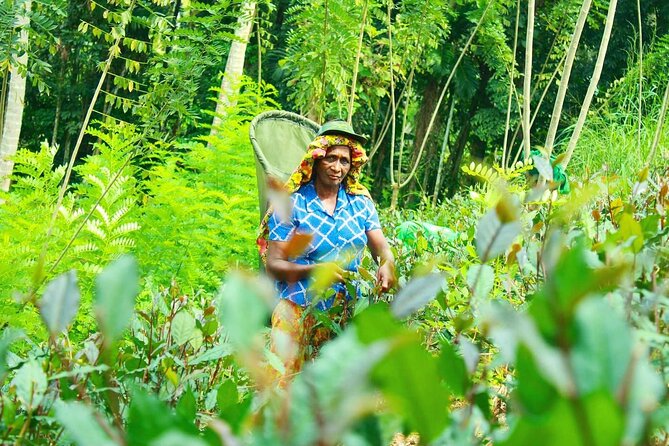
The tasting is where the earlier explanations become useful. You may sample seven different teas made at the factory, with comparisons that include larger and smaller leaves.
Pay attention to more than strength. Look at the color, smell the dry and brewed tea, and notice how the flavor changes after it cools. The point is not to identify every technical category perfectly. It is to learn what you like.
This part also gives you a sensible reason to buy tea afterward. You have tasted several varieties instead of choosing a packet based only on its label. If you find a favorite, the stated offer makes the purchase more attractive: tea bought at the end of the tour up to a value of $39 is free.
That tea allowance affects the real cost. The listed price is $78, which is not a cheap quick stop for a two-hour activity. But if you plan to buy tea anyway, the included purchase value can reduce the effective cost to about $39, assuming you use the full allowance and the terms apply as stated.
Do not treat the tea credit as a reason to buy something you do not want. The value is strongest for people who enjoy tea, want gifts, or prefer to take home several varieties. If you are not interested in shopping, judge the price based on the garden, factory explanation, tasting, and hospitality alone.
Coffee or tea is included, with an iced tea served during the garden walk. Lunch is not included, so ask about the meal before arrival if food is important to your plans.
Same island, a completely different kind of day:
- Private Tour : YALA National Park with Experienced Driver and Guide
★ 4.5 · 66 reviews - Yala National Park Safari : Special Guided Tour
★ 5.0 · 57 reviews - Sinharaja’ rainforest – Discovery Tour (half day)
★ 5.0 · 21 reviews - Yala National Park Safari – Private Tour
★ 5.0 · 14 reviews
Add the banana-leaf meal if you have time
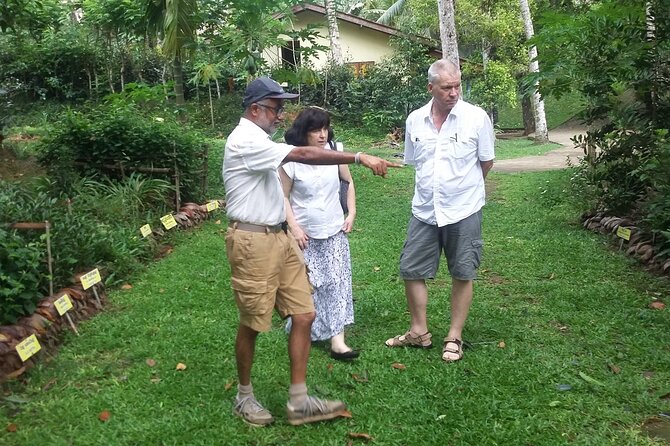
You can choose an organic home-cooked meal served in banana or lotus leaf. This is an optional extra rather than part of the $78 price.
The meal adds cultural value because the presentation is part of the experience. Banana-leaf serving is practical, familiar in Sri Lanka, and closely tied to home cooking. It also gives the visit a slower pace, rather than ending the moment the final tea is poured.
Descriptions of the meal include authentic Sri Lankan food, a clean dining area, and ice cream served on one occasion. Those extras should not be assumed as fixed menu items, but you can reasonably see the meal as more than a basic snack.
Allow extra time if you choose lunch. The standard activity is listed at approximately two hours, and adding food may make the visit longer. One separate Nandana experience has been described as a 2.5-hour mini adventure with a long Land Rover ride from Akuressa, but that is not the same as the standard factory visit. Confirm which option you are booking.
The family welcome is part of the value
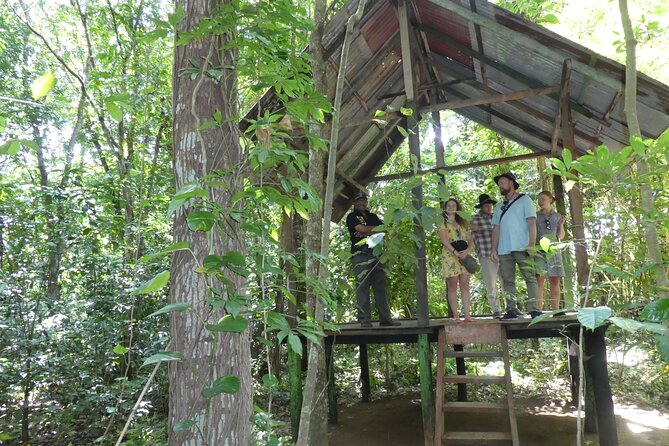
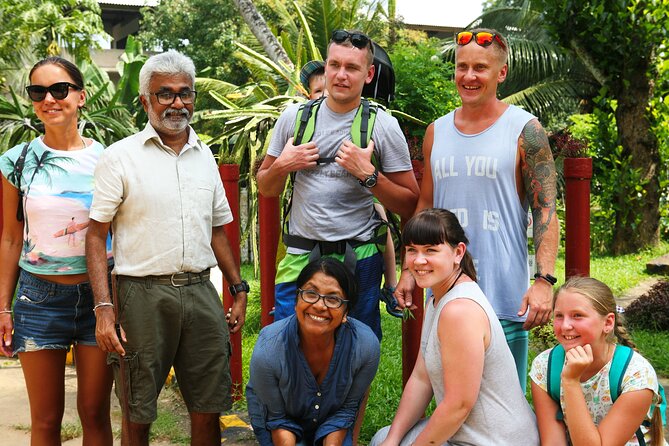
The tone of the visit appears to depend heavily on the people leading it. The owner and his wife have hosted visitors, while guides such as Gunasoma, Manshijt, and ChoopoolMandrit have also been named in connection with different Nandana experiences.
You may receive a garden explanation from a young staff member, a factory tour from the owner, or help from several members of the family and team. English-language guiding is available, based on the described visits.
This personal approach is a major reason to choose Nandana. You can ask about herbs, production, flavors, and local farming without being pushed through a large group. The polite staff and willingness to spend time with visitors are as important here as the machines.
The trade-off is that a family-run operation may feel less predictable than a large attraction. The exact guide, order of explanations, and amount of time in each area can vary. I would see that as part of the character of the place, but you should come ready for a human-led visit rather than a tightly scripted show.
How the location shapes your day
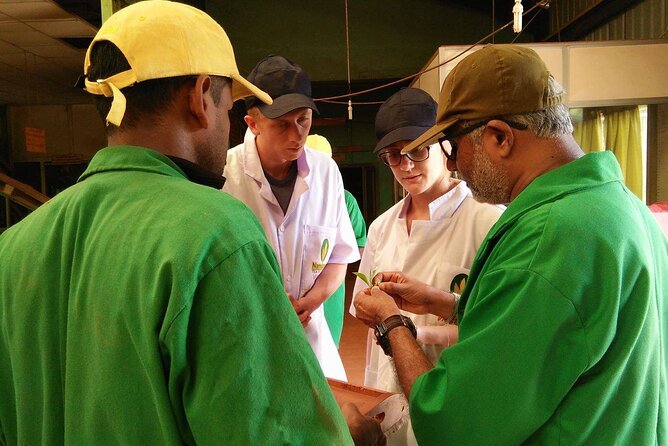
Nandana Tea Factory is at Akuressa 81400 in Southern Province. It is near public transportation, but the information provided does not give a route, fare, or travel time from specific towns.
That means you should work out your transport before booking. The factory is inland from the better-known coastal route, so it fits best into a day already taking you through the Akuressa or Matara area. It may be awkward as a quick detour from a beach hotel if you have no transport arranged.
The surrounding setting is part of the appeal. You get away from the beach strip and see a greener agricultural side of southern Sri Lanka. The Nilwala Ganga, paddy cultivation, rubber trees, and tropical garden help explain why this part of the country supports more than one kind of crop.
Opening hours are listed daily from 9:30 a.m. to 4:30 p.m. The tour ends back at the factory, where you can make any tea purchase. A morning visit may leave time for another activity later, while an afternoon booking gives you less room for delays on the road.
The tour requires good weather. If poor weather cancels it, you are offered another date or a full refund. You can cancel for a full refund up to 24 hours before the start time, but cancellations or changes inside 24 hours are not refunded or accepted.
Who will get the most from this visit
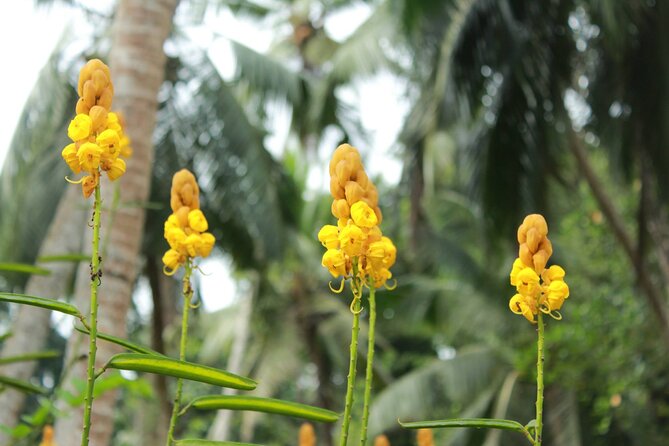
I would recommend Nandana to tea drinkers who want to understand what they are tasting. The seven-tea comparison, factory stages, and chance to buy selected varieties make the experience useful rather than decorative.
It also suits anyone interested in Sri Lankan food and traditional plant uses. The herbal garden gives the visit more range than a factory-only tour, and the optional meal adds a local food element.
Families may appreciate the small group size and the practical garden walk, though the information does not specify child pricing or a dedicated children’s program. Service animals are allowed, and most people can participate.
You should think twice if your schedule is packed with coastal sights. Reaching Akuressa takes planning, and a two-hour stop can become a larger half-day commitment once transport and lunch are added. You may also prefer another attraction if you want a grand plantation estate, mountain views, or a large museum-style presentation. Those features are not part of the stated experience.
Price, group size, and what you really receive
At $78, Nandana is best judged as a hosted cultural visit rather than a simple factory admission. You receive a garden walk, factory tour, tea tasting, and an iced tea, with a small group capped at 10 people.
The tea purchase offer can make the price work well. Buying $39 worth of tea reduces your effective outlay, and you get products you have already sampled. The value is less convincing if you do not want tea, skip the optional lunch, or must pay a high transport cost to reach Akuressa.
The group limit is useful. Ten people is small enough for questions and personal attention, but you should not assume every departure will have only two or three people. Private-feeling visits can happen, yet the official limit allows a larger small group.
With a perfect five-star score across 16 recorded ratings and a 100 percent recommendation rate, the experience has a strong satisfaction record. That does not remove the practical issues of price, distance, and weather, but it supports choosing Nandana when the format matches your interests.
Should you book Nandana Tea Factory?
Book it if you want a warm, locally run tea experience with real tasting, plant knowledge, and a look inside production. I especially like it for visitors who prefer a family business to a large commercial attraction and who will use the tea purchase offer.
Before you commit, check your route to Akuressa and decide if you want the optional meal. Bring room in your schedule, wear something suitable for a garden walk, and ask which guide-led version you are receiving if you have seen references to the longer mini adventure.
For a tea lover, the tasting and tea credit make the $78 price easier to defend. For someone chasing mountain scenery or a quick stop near the coast, the location may outweigh the charm. Make the call based on your interest in tea and plants, not just the promise of a factory photograph.
FAQ
Where is Nandana Tea Factory?
Nandana Tea Factory is in Akuressa, Southern Province, Sri Lanka, at Nandana Tea Factory, Akuressa 81400.
How long does the standard tour last?
The standard experience lasts approximately two hours.
What time is the activity available?
The stated opening hours are Monday through Sunday, 9:30 a.m. to 4:30 p.m.
What does the tour include?
The experience includes admission, a garden and factory visit, tea information, a tasting session, and coffee or tea. An iced tea is provided during the garden tour.
Is lunch included?
No. Lunch is not included in the stated price, but you can choose an organic home-cooked meal served in banana or lotus leaf.
How many teas can I taste?
The experience offers a tasting of up to seven different teas produced at the factory.
Is the tour suitable for most people?
Most people can participate. Service animals are allowed, and the activity is near public transportation.
What is the group size?
The activity has a maximum of 10 travelers.
What happens if the weather is poor?
The experience requires good weather. If it is canceled because of poor weather, you are offered a different date or a full refund. You can also cancel at least 24 hours before the start time for a full refund.
Just added around Southern Province
- Yala National Park Safari – Private Tour★ 5.0 · 14 reviews
- Yala National Park Safari | Jeep with Tickets★ 5.0 · 3 reviews
- Private Transport Service from Sri Lanka★ 5.0 · 7 reviews
- Best Yala Shared Leopard Safari: Tissamaharama Wildlife Tours★ 5.0 · 5 reviews
- Guided Leopard Safari in Yala National Park in a Land Rover Defender★ 5.0 · 11 reviews
- Yala National Park Safari FULLDAY and HALFDAY Expert Guided Tour★ 4.5 · 12 reviews
- Yala National Park Full Day Safari Tour★ 5.0 · 11 reviews
- Sinharaja’ rainforest – Discovery Tour (half day)★ 5.0 · 21 reviews
Walking Tours, compared.
Galle Fort Heritage Walk by a Certified Heritage Interpreter
Read our review →
Browse the lists this tour appears in