
Reviewed · WALKING TOURS
Colombo Walking Tour with Ajeet De Soyza
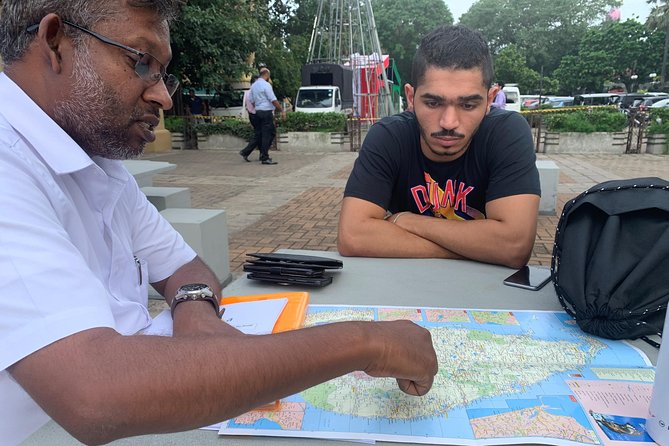
Colombo becomes much easier to understand once you leave the tour bus behind. With Ajeet De Soyza, you walk from the colonial Fort district through Pettah’s crowded market streets, pause at old trading buildings, and finish by the sea at Galle Face Green. I like the small group limit of eight and the way this route links Sri Lanka’s Dutch, British, Muslim, Buddhist, and modern city life. I also like that Ajeet encourages questions instead of simply reciting dates.
The main thing to consider is the pace. This is a history-heavy walk, and one part of the experience can feel slow if you prefer quick photo stops and light commentary. Colombo’s heat can also make the final stretch tiring, so wear good shoes and carry water, even though bottled water and snacks are provided.
Key points to know before you book
- Ajeet De Soyza leads the walk: Expect detailed explanations of Colombo’s past, culture, politics, architecture, and present-day challenges.
- Eight people is the maximum: The small group keeps the outing personal and leaves room for questions.
- The route crosses several sides of Colombo: Fort, Pettah, the Red Mosque, Gangaramaya Temple, and the Galle Face seafront all appear.
- Walking is the main event: Private transportation is included, and an electric tuk tuk may be used between areas, but you should still prepare for several hours on foot.
- The temple donation costs extra: Gangaramaya Temple asks for a $2 admission donation per person.
- The $30 price covers useful basics: Bottled water, snacks, government fees, and private transportation are included.
Why this Colombo walk is more than a list of landmarks
At first glance, this looks like a standard city highlights tour. In practice, its strength is the way the route connects separate parts of Colombo. You see grand colonial buildings, working commercial streets, a busy railway station, a Hindu and Muslim trading quarter, a Buddhist temple, and the seafront where the city relaxes at day’s end.
That range matters. Colombo is not a city you understand from one monument or one museum. Its character comes from layers placed close together. Dutch-era buildings now hold restaurants and shops. British institutions sit beside old markets. Religious buildings serve busy neighborhoods rather than isolated museum pieces.
Ajeet’s role is central. He is described as patient, warm, and willing to answer a large number of questions. His commentary covers more than dates and architectural labels. You can expect discussion of Sri Lankan culture, colonial rule, current pressures, and the country’s place in regional politics.
That style will suit you if you want context. If you prefer a fast-moving stroll with only a few facts at each stop, you may find the explanations too detailed. It is worth telling Ajeet early what interests you most. The small group makes that sort of adjustment possible.
A few more Colombo trips to weigh up
- Colombo Social and Political Walk
★ 5.0 · 4 reviews - Galle Fort Walking tour
★ 4.9 · 285 reviews - Galle Fort Walking Tour with a Resident
★ 5.0 · 88 reviews
Starting at the Galle Face Hotel
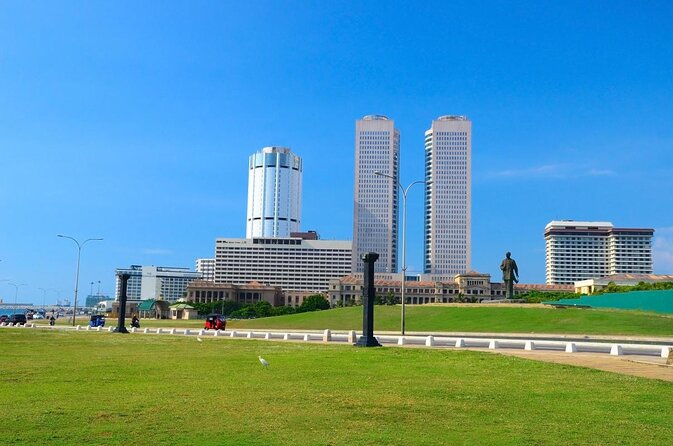
The tour begins and ends at the Galle Face Hotel on Galle Road. This is a practical meeting point, especially if you are staying nearby or arriving from a cruise ship, and it gives the route a clear beginning and ending beside the ocean.
The hotel itself is part of the story. Opened in 1875, it was among the first grand modern hotels of its kind in the East and has long faced Galle Face Green. You do not need to pay to appreciate the building from outside, and a 15-minute stop gives Ajeet time to explain its place in Colombo’s colonial and social life.
The start and finish also help with planning. You can arrange the walk early in your Colombo visit, then use what you learn to decide where to return later. By the end, you are in front of Galle Face Green, where you can continue watching local activity along the waterfront.
King Sri Wickrama Rajasinghe’s prison cell
The first stop concerns Sri Wickrama Rajasingha, the last king of Sri Lanka. After his capture in February 1815, he was transferred to Colombo, and the tour points out the prison cell linked to his final period in the city.
The stop lasts about 10 minutes and has no admission charge. Its value is less about the room itself than the transition it represents. A royal figure from the Kandyan kingdom was brought into a city shaped by European colonial power, placing the end of the kingdom within Colombo’s urban story.
This is the sort of brief stop that benefits from a strong guide. Without explanation, a prison cell can seem plain. With context, it becomes a useful way to discuss the collapse of the Kandyan monarchy and the shift in Sri Lanka’s political control.
Dutch Hospital and Colombo Fort
The Old Colombo Dutch Hospital is considered the oldest building in the Fort area. Built during the Dutch period, it now houses shops and places to eat, making it a good example of how Colombo reuses its colonial buildings rather than leaving every old structure frozen in time.
The scheduled stop is about 10 minutes and admission is free. You may wish you had more time here if you want to browse or sit down, but the tour has many stops to cover. Think of this as an introduction to Fort’s building styles and commercial history, not a long shopping break.
From there, the walk continues through the central business district toward the Colombo Fort Clock Tower. The surrounding streets bring together colonial façades and modern offices. A five-minute pause at the clock tower is short, but the building provides a useful reference point as Ajeet explains how Fort developed as Colombo’s administrative and commercial center.
Same island, a completely different kind of day:
- Colombo: Private Tuk-Tuk City Tour with All Entry Fees
★ 4.9 · 2,154 reviews - Sri Lanka Personal Tour Driver in private vehicle
★ 5.0 · 747 reviews - Colombo Tuk Tuk City Tour -Sightseeing Entry Fees & Food Included
★ 5.0 · 678 reviews - Udawalawe National Park: Elephant Safari with Expert Guide
★ 4.9 · 641 reviews
The Currency Museum and Cargills
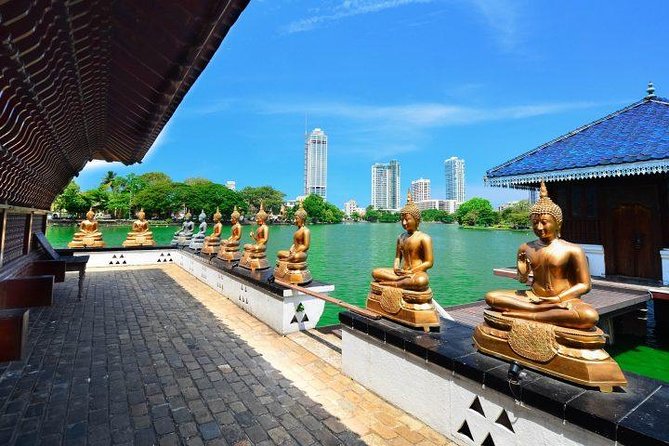
The Central Bank Currency Museum occupies a building begun in 1911. At the time of its opening, the structure was Colombo’s tallest building, and its Greco-Roman design includes a Corinthian colonnade.
You spend about 10 minutes here. The stop adds an economic layer to the walk, connecting grand architecture with banking, trade, and Sri Lanka’s changing financial life. Government fees are included, though the provided information does not specify a separate museum entry charge.
The old Cargills and Millers Buildings follow with a five-minute stop. These are linked to some of Sri Lanka’s oldest department stores. The site once held a Dutch building and later became part of Colombo’s retail story.
Neither stop is long, so you should not expect an extended museum visit or a detailed shopping session. Their purpose is to show how trade and commerce shaped Fort. I like this approach because it keeps the walk from becoming only a parade of churches, temples, and government buildings.
Grand Oriental Hotel and the Red Mosque
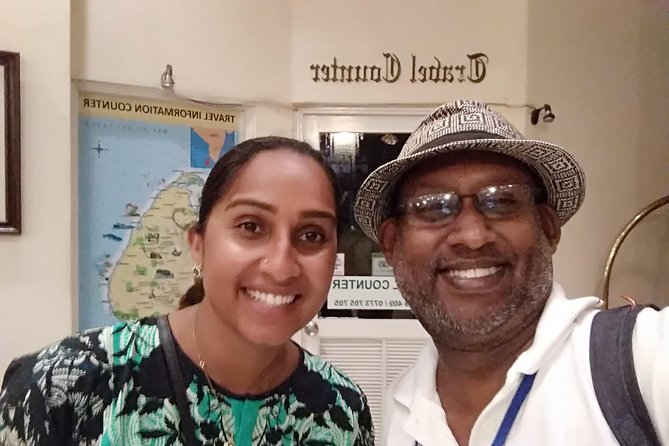
The Grand Oriental Hotel opened on November 5, 1875, with 154 luxury and semi-luxury rooms. The building represents the era when Colombo was becoming an important port city with hotels aimed at international business and colonial society.
The 15-minute stop gives the hotel more attention than several earlier buildings receive. Ajeet can place it within the city’s changing role as a port and meeting point. The story also helps explain why Colombo has so many grand structures connected to shipping, administration, banking, and trade.
The route then reaches Jami Ul-Alfar Mosque, commonly called the Red Mosque. Its striped red and white exterior makes it one of the city’s most recognizable buildings, and its presence reflects the long connection between Colombo’s commercial districts and Muslim traders.
The listed stop is only five minutes. That is enough for an outside look and an explanation, but not necessarily enough for a long visit inside. Treat it as an architectural and cultural pause while moving toward Pettah.
Titus Stores and the Old Town Hall
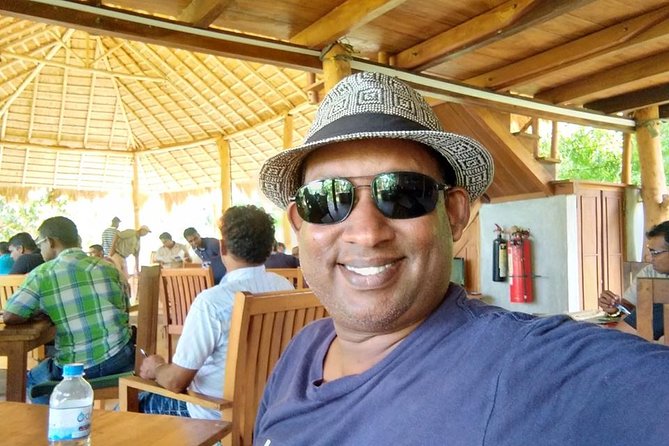
Titus Stores adds a smaller, more personal business story to the route. The family-run company began in 1924 as Titus Lamp Stores, selling petrol lamps before shifting toward homeware and gifts after electricity became common in Sri Lanka.
This stop is useful because it moves away from famous public monuments. A long-running family business can tell you about everyday changes in Colombo, especially the way technology altered what people bought and how shops adapted.
The Old Town Hall receives about 15 minutes and includes admission. The building is described as a large Gothic, church-like mansion in Colombo’s old business quarter of Pettah. Inside is a collection of historic material that many people might pass without noticing.
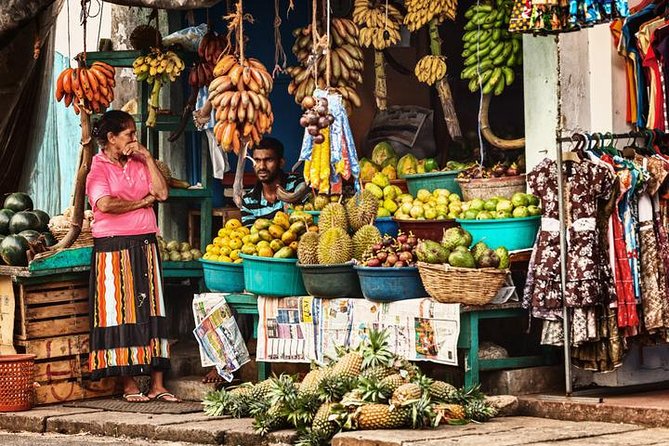
Here, the walk begins to feel less polished and more connected to daily city life. Pettah is a working market district, not a quiet heritage zone. You should expect traffic, shopfronts, people carrying goods, and plenty of street activity. The route gives you a guided way into this area, which is helpful if you are unsure where to begin on your own.
Pettah Bazaar and Colombo Fort Railway Station
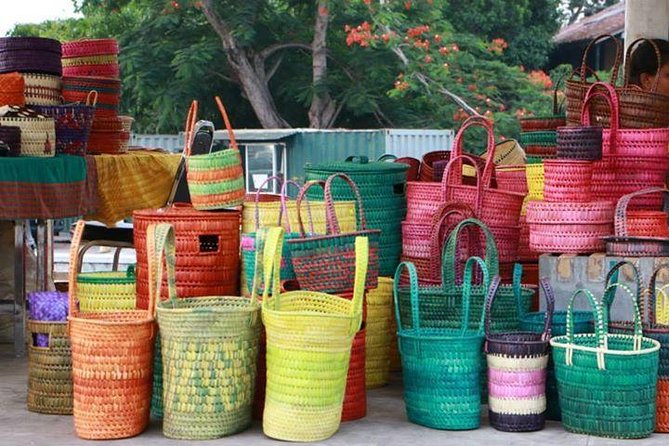
Exploring the Pettah Bazaar is one of the most valuable parts of the outing. This is where Colombo’s commercial energy is easiest to see at close range, with streets shaped by trade and constant movement.
The itinerary does not assign a fixed time to the market section, so the length may depend on the day and the group. That flexibility is useful. Ajeet can answer questions as you go, but you should not expect a carefully staged market performance. Pettah is real city space, with all the noise and disorder that implies.
The Colombo Fort Railway Station follows. Built by the British, it remains Colombo’s main railway hub and provides another look at how the city functions as a transport center.
The scheduled stop is about 15 minutes and admission is included. The station pairs well with Pettah because both reveal movement: goods moving through the market and people moving through the rail network. If your interest is local life rather than formal sightseeing, this section may be the highlight.
Gangaramaya Temple and the $2 donation
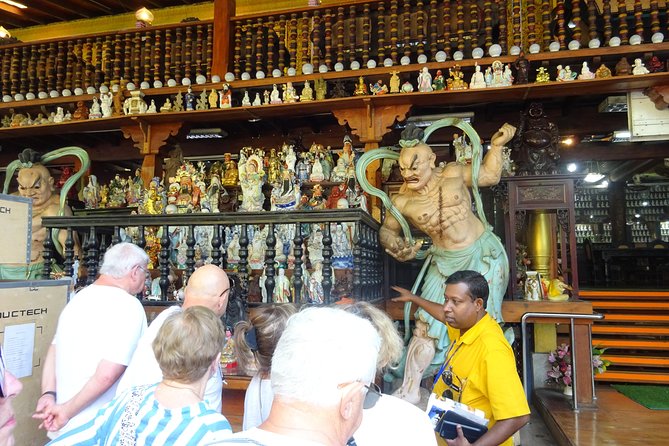
Gangaramaya Buddhist Temple is one of Colombo’s main temples and is known for architecture influenced by several cultures. The stop lasts about 20 minutes, making it one of the longer visits on the route.
Admission is not included in the $30 price. The temple treats a donation as the entry fee, and the stated amount is $2 per person. A ticket is issued by the temple, so keep a little cash available.
The temple gives the tour a different tone after the commercial streets and colonial buildings. Its mixed architectural influences fit the wider story of Colombo, a city shaped by contact between Sri Lankan traditions and outside powers. Ajeet’s explanations are particularly useful here because religious buildings can be confusing if you only look at the objects and decorations without understanding their role.
The temple is also a place where respectful behavior matters. Follow the guide’s instructions about dress, photography, and movement inside the compound. The supplied information does not set out a formal dress code, so ask Ajeet before entering if you are unsure.
Returning to Galle Face Green
The final portion brings you back toward the coast and the Galle Face Hotel. The hotel receives about 15 minutes, followed by time on Galle Face Green.
This ending works well. After Fort, Pettah, and the temple, the open seafront gives you space to take stock of the city. Depending on the time of day, you can see activity on the Green and look toward buildings such as the Old Parliament and the Galle Face Hotel.
The Old Parliament building adds a final political note. Built in the British colonial era in a Neo-Baroque style, it was designed to house the Legislative Council of Ceylon. Its setting beside the waterfront makes it an easy place to connect architecture with the country’s administrative past.
The tour ends at the same hotel where it begins, in front of Galle Face Green. Private transportation is listed as included, and one account of the experience describes an electric tuk tuk being used between areas. Since this is primarily a walking tour, confirm the exact transport plan when you book if a long walk is a concern.
How much walking and information should you expect?
The advertised duration is about three to four hours. The listed stop times add up to more than two hours, before counting the actual walking and any transport between districts. That tells you something important: this is not a quick circuit. It is a sustained city walk with regular pauses.
Colombo can be hot, and the route includes busy streets rather than shaded park paths. Wear comfortable shoes, bring a water bottle in addition to the supplied bottle, and use the snacks when you need them. One solo participant found the final part tiring on a hot day, which is a fair warning for anyone unused to walking in tropical weather.
Ajeet’s style is another key factor. He has a great deal to say about Sri Lankan history, culture, architecture, and current challenges. Many people value the chance to ask questions and get beyond basic sightseeing. If you like a guide who gives full explanations, this is a strong match.
If you want a brisk stroll, say so at the beginning. The small group format should make it easier to adjust the balance between walking, photographs, and discussion.
Is the $30 price good value?
At $30, the tour offers a useful amount of coverage for a half-day city experience. Bottled water, snacks, government fees, and private transportation are included. The only clearly stated extra is the $2 donation at Gangaramaya Temple.
The real value comes from the route and the guide rather than paid attractions. Most stops are viewed from outside or have no separate admission charge. You are paying for a structured way to connect places that could otherwise feel scattered, plus Ajeet’s interpretation of what you are seeing.
I consider that good value if you are new to Colombo, arriving for a short stay, or visiting from a cruise ship. It is also useful at the beginning of a longer Sri Lankan trip because the tour can give you a working map of the capital and help you decide which areas deserve another visit.
It is less suitable if you want extensive time inside museums, long shopping breaks, or a relaxed café-centered outing. The route covers many subjects, and the amount of explanation is part of what you are buying.
Who should book this Colombo experience?
I would recommend it to first-time visitors who want a serious introduction to Colombo without sitting behind a bus window. It suits people interested in colonial history, religion, architecture, trade, public life, and modern Sri Lanka all at once.
It also fits solo visitors well. The group can be very small, and Ajeet has made solo participants feel comfortable while giving them room to ask questions. Couples and families who enjoy talking with a guide should also find the format easy to manage.
You should think twice if you have limited walking stamina, strongly dislike heat, or prefer a guide to keep commentary brief. Most travelers can participate, but the route is active and the subject matter is detailed.
Booking is flexible in one useful way: free cancellation is available up to 24 hours before the start time. Poor weather or failure to reach the minimum number of participants can also lead to a new date or a full refund. The maximum group size is eight, which protects the personal feel of the walk.
Should you book the Colombo Walking Tour with Ajeet De Soyza?
Book it if you want Colombo explained from street level. The route gives you more than the usual Fort photo stops, leading into Pettah, past the Red Mosque, through a long-running family business story, into a Buddhist temple, and back to the waterfront.
The strongest reason to choose it is Ajeet’s approach. He is patient, engaging, and willing to discuss both Sri Lanka’s past and its current direction. The main caution is that his detailed style may feel too slow for visitors who want a quick overview.
For most first visits, I think the balance works. Start with comfortable shoes, prepare for heat, keep $2 ready for the temple, and tell Ajeet what you hope to learn. At $30, this is a practical way to get your bearings while seeing Colombo as a living city rather than a collection of disconnected monuments.
FAQ
How long does the Colombo Walking Tour with Ajeet De Soyza last?
The tour lasts approximately three to four hours.
How much does the tour cost?
The listed price is $30.
Where does the tour begin and end?
It begins at the Galle Face Hotel, 2 Galle Road, Colombo 00300, and ends at the same hotel, in front of Galle Face Green.
How many people can join the tour?
The maximum group size is eight travelers.
Is admission to Gangaramaya Buddhist Temple included?
No. The temple donation, treated as the admission fee, costs $2 per person. The temple issues a ticket.
Can I cancel for a full refund?
Yes. You can cancel at least 24 hours before the local start time for a full refund. Cancellations or changes made less than 24 hours before the start time are not refunded or accepted.
Just added around Colombo
- Private Wilpatu National Park Leopard safari from Colombo/Negambo★ 5.0 · 13 reviews
- Private Trip to Sigiriya, Dambulla & safari from Colombo/ Negombo★ 5.0 · 44 reviews
- Private Multi Day Sri Lanka Tour with Chauffeur★ 5.0 · 25 reviews
- Udawalawe National Park Safari With Transfers From Colombo★ 4.5 · 6 reviews
- Colombo to Trincomalee Shuttle & Safari Drive★ 4.5 · 7 reviews
- Cooking class in Srilanka★ 5.0 · 8 reviews
- Best Of Sri lanka Tour (06 Days 05 Nights) – Kandy- N.Eliya -Bentota-Colombo★ 5.0 · 19 reviews
- Private Day Trip to Yala National Park from Colombo★ 4.5 · 11 reviews
Walking Tours, compared.
Galle Fort Heritage Walk by a Certified Heritage Interpreter
Read our review →
Browse the lists this tour appears in