
Reviewed · COOKING CLASSES
Cooking class in Srilanka
Sri Lankan cooking is built around generous spice, careful preparation, and several dishes sharing the table. This private Colombo class lets you make 10 different dishes and traditional desserts yourself, using clay pots rather than modern restaurant equipment. The chef explains each step as you work, so you leave with more than a full meal.
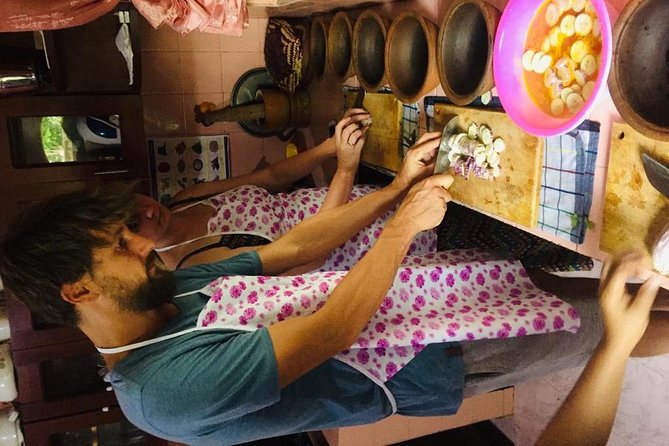
I like the hands-on format and the chance to learn about Sri Lankan spices while cooking. I also like that this takes place in a real home setting, with the family involved in the preparation and meal. The main thing to consider is the setting: this is not an air-conditioned professional kitchen, and the three-hour class may feel warm and busy while you cook many dishes.
Key points to know before booking
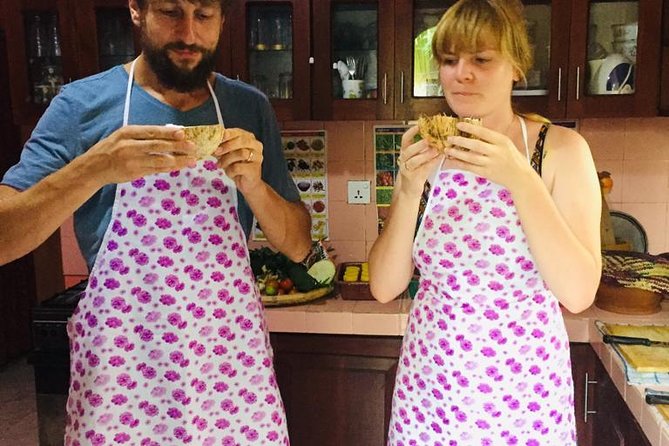
- Ten dishes in one class: You help prepare a broad spread of Sri Lankan food, plus traditional desserts.
- Clay-pot cooking: Every dish is prepared using clay pots, giving the class a strong connection to local home cooking.
- You do the work: The chef explains the process, but you make the dishes rather than simply watching a demonstration.
- Private experience: Only your group participates, making it easier to ask questions and work at your own pace.
- Colombo meeting point: The class begins and ends at Colombo Cooking Class, No 275/1, B231, Angoda 10600.
- Three hours and $50: The price is reasonable if you value a full meal, personal instruction, and a private format.
Ten dishes, one busy Sri Lankan cooking session
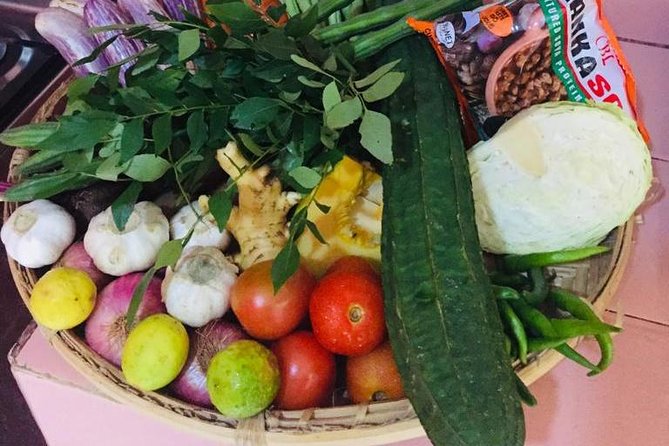
The class is designed around a generous menu rather than one signature recipe. You work through 10 different dishes and traditional desserts, learning how the separate parts come together as a Sri Lankan meal.
That matters because Sri Lankan food is rarely about one item in isolation. The pleasure comes from variety: different spices, textures, sauces, and levels of heat sharing the same table. A class built around 10 dishes gives you a better feel for that style of eating than a short lesson focused on one curry.
You should expect the session to have a steady pace. Three hours sounds comfortable, but preparing so many dishes means you will be occupied. The chef explains what to do while you cook, so this suits you if you want to take part rather than sit back with a camera.
The menu is provided, which is useful for two reasons. First, you know what you are working toward during the class. Second, you have a written reference for the dishes and ingredients discussed during the session. The available details do not specify the exact menu, so check the current menu if particular dishes, ingredients, or dietary needs matter to you.
A few more Colombo trips to weigh up
- Colombo Cooking Class
★ 5.0 · 151 reviews - Market Tour and Hands-On Cooking Class Colombo
★ 5.0 · 140 reviews - Cooking Class Sri Lanka with Locals
★ 5.0 · 101 reviews
Clay pots change the lesson
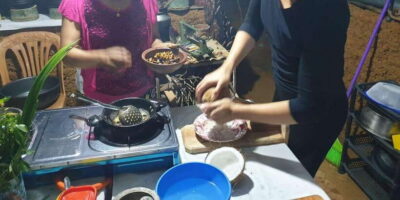
Cooking only with clay pots is one of the most distinctive parts of this experience. You are not simply being shown an old-fashioned tool. You are using the type of cookware associated with traditional Sri Lankan home cooking, which makes the lesson feel tied to place.
Clay pots also encourage you to pay attention. You cannot treat the cooking like a quick restaurant demonstration where everything is already measured and ready. You watch the food, follow the chef’s instructions, and learn how the cooking method affects the final dish.
I would book this class for the cooking technique as much as for the meal. A restaurant can introduce you to Sri Lankan flavors, but it cannot give you the same understanding of how those flavors are built. Working with clay pots gives the food a physical, practical context.
There is a trade-off. A home cooking setup may not offer the polished surfaces, air conditioning, or carefully staged timing of a culinary school. If you prefer a formal kitchen and a quiet demonstration, this may feel less comfortable. If you care more about local methods than presentation, the setting is part of the appeal.
The chef explains, but you hold the spoon
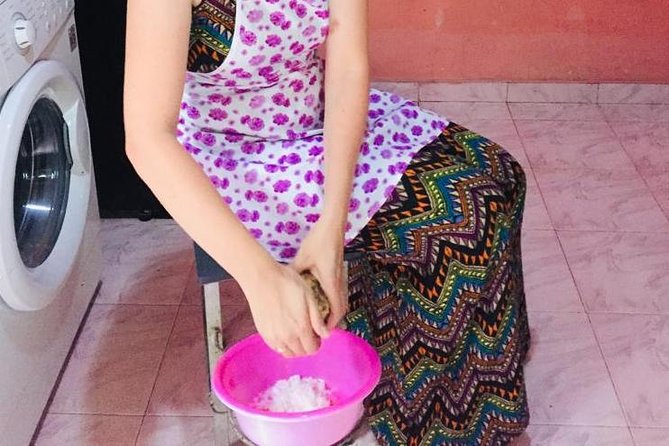
The class is designed for active participation. You make all the dishes yourself while the chef explains the cooking style and the role of the spices. That balance is important. You are not left to guess, but you are also not watching someone else do all the interesting work.
The chef’s explanations should help you understand how Sri Lankan cooking differs from simply adding curry powder to a pot. The experience specifically includes an introduction to the spices and authentic Sri Lankan cooking style. That gives the class value beyond the meal you eat at the end.
I like this format for cooks at different skill levels. If you are new to Sri Lankan food, the chef can guide you through unfamiliar ingredients and methods. If you already cook regularly, you can focus on the use of spices, clay cookware, and the order in which the dishes are prepared.
Still, you should be ready to participate. This is not the right choice if you want a short food tasting with little effort. The description makes clear that you will prepare the dishes yourself, so wear something comfortable and expect to stay engaged for the full session.
A real home and a shared meal
The most personal detail available about the experience is the home setting. The cooking takes place with a real family, and the meal includes shared preparation and cooking duties. That gives the class a warmer feel than a standard demonstration in a commercial kitchen.
A home environment can show you how food is prepared for a family rather than arranged for a restaurant table. You may notice that the work is spread across several dishes, with everyone contributing to the meal. That is a useful lesson in Sri Lankan food culture, where cooking often involves a collection of dishes rather than a single main course.
The family setting also helps explain why the class is private. Only your group participates, so the experience is not built around a large crowd moving from station to station. You have a more direct line to the chef and can ask questions while working.
At the same time, private does not mean luxurious. The home setting may be simple, and you should not expect the polished service style of a hotel cooking school. For me, that is a fair exchange when the goal is to learn local cooking in a personal setting.
Same island, a completely different kind of day:
- Colombo: Private Tuk-Tuk City Tour with All Entry Fees
★ 4.9 · 2,154 reviews - Sri Lanka Personal Tour Driver in private vehicle
★ 5.0 · 747 reviews - Colombo Tuk Tuk City Tour -Sightseeing Entry Fees & Food Included
★ 5.0 · 678 reviews - Udawalawe National Park: Elephant Safari with Expert Guide
★ 4.9 · 641 reviews
What the three hours feel like
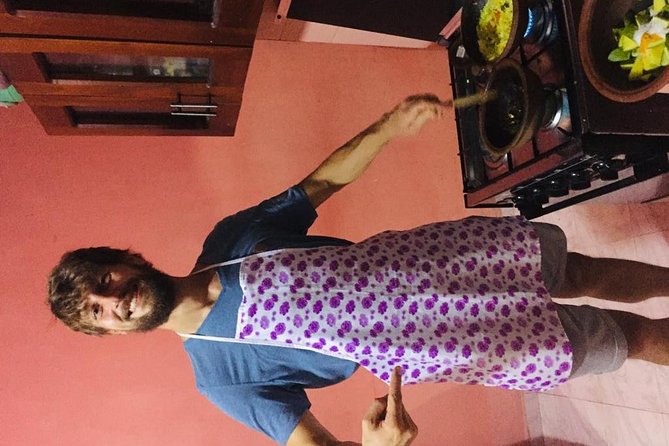
The activity lasts about three hours. That is enough time for a substantial cooking session, but not so long that it takes over your entire day in Colombo.
The first part is likely centered on getting familiar with the menu, ingredients, spices, and cooking process. The chef explains the traditional approach, then you begin preparing the dishes. Since the class includes 10 dishes and desserts, the session develops as a sequence of tasks rather than one long recipe.
The middle portion is where you spend most of your time cooking. You work with the clay pots, follow instructions, and move between the different dishes. The chef remains part of the process, explaining what to do as you go.
The final portion brings the food together for the meal. The supplied details do not set out the exact order of each activity, so you should allow the class to unfold at the chef’s pace. The point is not to rush through a fixed restaurant-style schedule. It is to prepare a broad Sri Lankan meal with guidance.
Three hours also makes this a good fit for a free morning or afternoon in Colombo. You will not need to dedicate a full day, but you should avoid scheduling something immediately afterward. Cooking ten dishes is a serious amount of work, and the class may not end at precisely the minute you expect.
The value of $50 per person
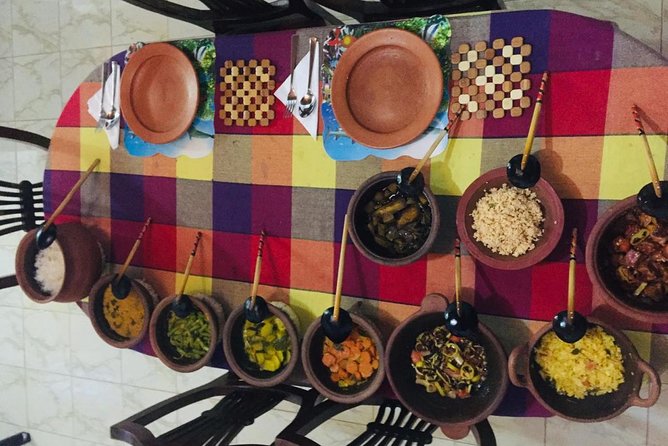
At $50 per person, this class sits in the mid-range for a private food experience, but the value depends on what you want from it. You are paying for about three hours of instruction, a private group format, a full menu of 10 dishes, traditional desserts, and a meal prepared by your own group.
That is better value than a short demonstration if you want practical skills. You are not simply tasting a few prepared samples. You take part in the cooking and learn about spices and traditional methods. The private format also means your money is not going toward a large group where personal attention may be limited.
The value is less clear if you mainly want lunch. A restaurant meal will usually be simpler and quicker. This class earns its price through participation and cultural contact, not speed.
I would also count the menu as part of the value. Ten dishes provide a broad introduction to Sri Lankan cooking, and the traditional desserts make the meal feel more complete. Since the exact dishes are not stated, ask ahead if you need to know the ingredients or want to judge the menu against your interests.
Getting to the Angoda meeting point
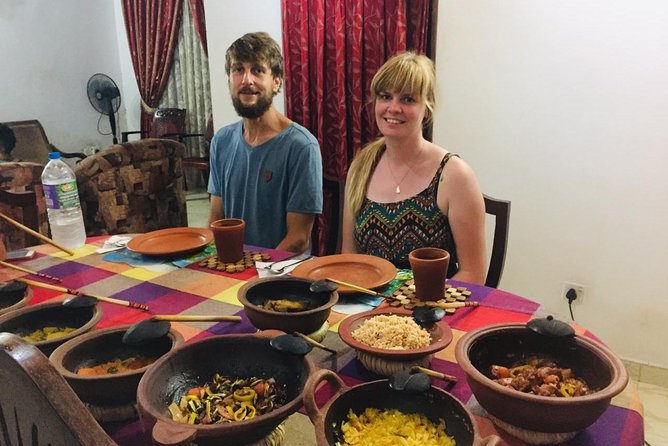
The meeting point is Colombo Cooking Class, No 275/1, B231, Angoda 10600, Sri Lanka. The activity ends at the same place, which keeps the plan simple once you arrive.
The location is near public transportation. That is useful, but the details do not specify the best route, travel time, or which transport service to use. Check the address carefully before setting out and allow extra time to reach Angoda, especially if you are unfamiliar with Colombo.
A mobile ticket is provided, and confirmation arrives when you book. Keep the booking details available on your phone so you can show them at the meeting point.
Because this is a private activity, it is especially important to arrive at the correct address and on time. A public tour may have a larger operation behind it, but a home-based private class depends more directly on your group’s arrival.
Who will enjoy this class most
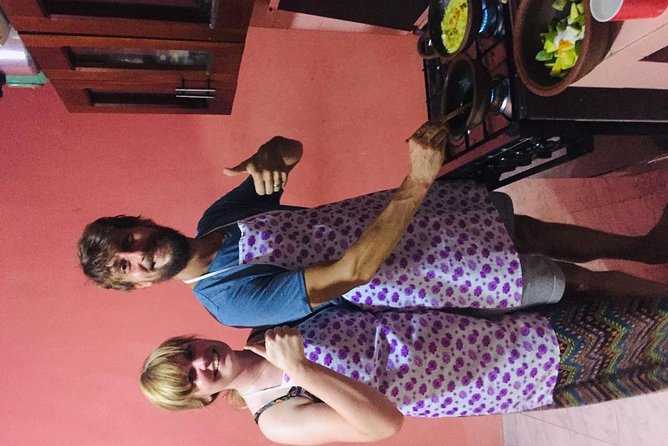
I would recommend this experience to you if you enjoy cooking, want direct contact with local food traditions, or prefer small private activities. It is also a good choice if you want to understand Sri Lankan spices instead of simply eating a finished curry.
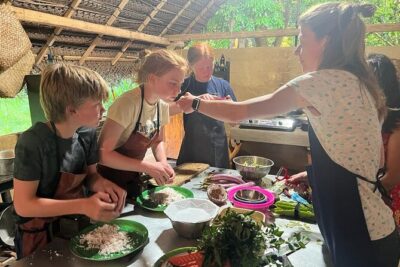
Families, couples, and small groups can all make good use of the private format. The chef can explain the process as your group works, and you do not have to share the class with strangers.
It may suit you particularly well if you have already eaten Sri Lankan food and want to learn how the meal is made. The use of clay pots and the focus on home cooking add details you will not get from a standard restaurant visit.
I would be more cautious about booking if you dislike hands-on activities, need a very formal kitchen, or have strict dietary requirements that have not been discussed in advance. The menu is provided, but the available information does not confirm ingredient substitutions or special arrangements.
Weather, cancellation, and simple planning
The class requires good weather. If poor weather causes a cancellation, you are offered another date or a full refund. That policy gives you some protection, but you should avoid placing the activity on the final day of a tightly packed trip.
You can cancel for a full refund up to 24 hours before the start time. Cancellations or changes made less than 24 hours before the activity are not refunded or accepted. The cut-off follows local Sri Lankan time, so check the time zone before making changes.
I would schedule the class early enough in your Colombo stay to leave room for a new date if weather causes a problem. The activity is short enough to fit into many plans, but the private format and weather requirement make advance planning sensible.
My call on this Colombo cooking class
Book this class if you want to cook a substantial Sri Lankan meal, use clay pots, and learn directly from a chef in a family home. The strongest reasons to go are the hands-on work, the 10-dish menu, the traditional desserts, and the private setting.
Skip it if you want a polished culinary school, a brief tasting, or a guaranteed air-conditioned kitchen. This is a practical home cooking session, not a luxury food show.
For $50, I see solid value for anyone who wants food knowledge tied to everyday Sri Lankan life. Arrive ready to cook, ask questions about the spices, and give yourself enough time to enjoy the full three-hour session.
FAQ
Where does the cooking class begin?
It begins at Colombo Cooking Class, No 275/1, B231, Angoda 10600, Sri Lanka.
Where does the activity end?
The class ends back at the same meeting point.
How long does the cooking class last?
The experience lasts approximately three hours.
How many dishes will I prepare?
You will prepare 10 different dishes, along with traditional desserts.
Do I cook the food myself?
Yes. You make all the dishes yourself while the chef explains the cooking methods, spices, and Sri Lankan style.
Is this a private activity?
Yes. Only your group participates in the activity.
Can I cancel for a full refund?
Yes. You can cancel at least 24 hours before the start time for a full refund. Changes or cancellations made less than 24 hours before the start time are not accepted or refunded.
Just added around Colombo
- Galle Fort & Bentota Day Trip from Colombo★ 5.0 · 3 reviews
- Galle and Bentota Day Tour From Colombo and Negombo★ 4.5 · 13 reviews
- Half Day Private Custom Colombo City Tour★ 4.5 · 5 reviews
- Private Galle Day Tour with Boat Safari & Tea Factory Visit – All Inclusive★ 5.0 · 3 reviews
- Galle Day Trip From Colombo★ 3.5 · 5 reviews
- Galle and 7 places Full Day Tour from Colombo★ 5.0 · 3 reviews
- Galle Fort, Turtle, – Private Day Tour From Negombo or Colombo★ 5.0 · 4 reviews
- All Inclusive Galle Day Tour from Colombo & Negombo★ 5.0 · 6 reviews
Cooking Classes, compared.
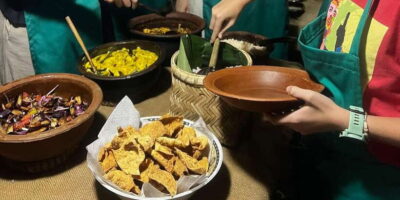
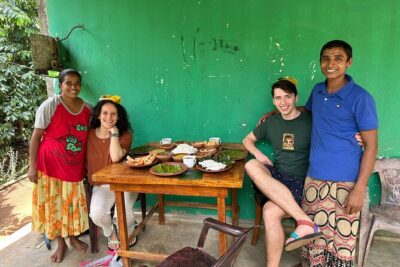
Organic cooking class sigiriya (kumara & family)
Read our review →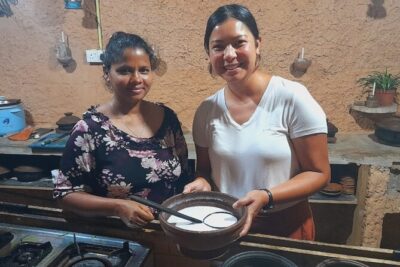
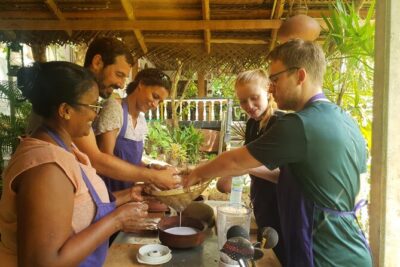
Sri Lankan Cooking Class with Neranji at Homestay
Read our review →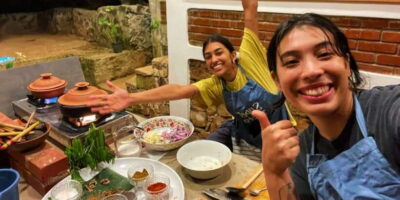
Browse the lists this tour appears in