
Reviewed · COOKING CLASSES
Authentic Sri Lankan Cooking Class in Kandy with Local Family
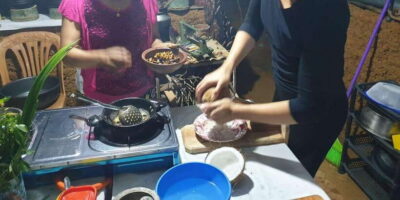
The best part of this Kandy cooking class is that you cook in a real family home, not a polished cooking school. The host’s wife, sister, and mother lead the lesson, drawing on the everyday cooking they prepare for their own family. You may also meet the host’s three young daughters, who sometimes join in.
I like the family setting and the chance to learn methods you can repeat at home. I also like the optional market visit, where you can ask about Sri Lankan spices and vegetables before cooking. The main consideration is that this is a home kitchen, not a professional chef-led class, so expect a personal and informal lesson rather than a tightly staged demonstration.
Key points to know before booking
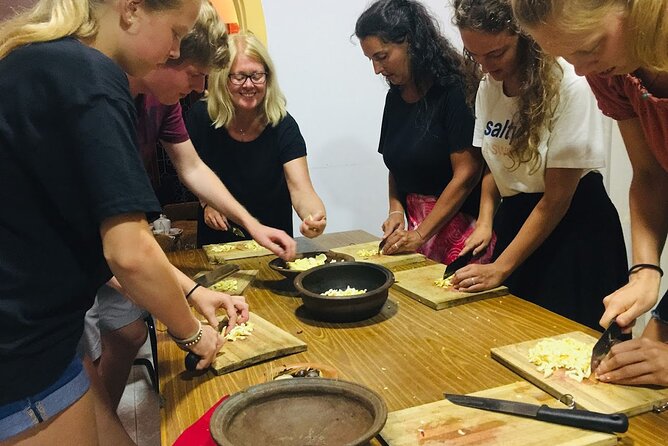
- Cook with three generations of local women: The host’s wife, sister, and mother teach the class from their family kitchen.
- Learn practical Sri Lankan techniques: The focus is on traditional home cooking, spice use, and methods you can try again at home.
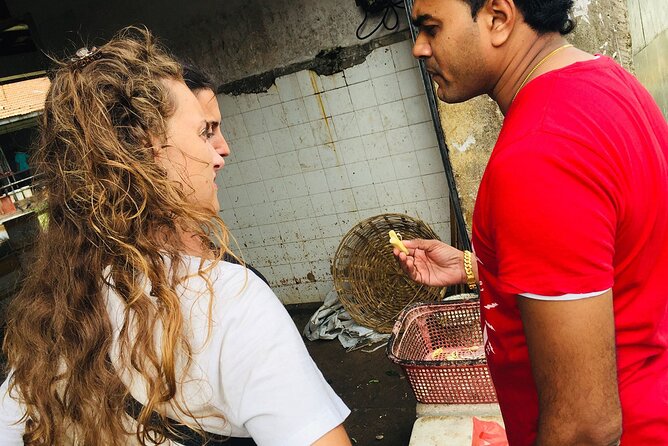
- Optional local market experience: Ask for guidance at a nearby market to learn about vegetables and spices.
- Dinner is part of the lesson: You eat the food you prepare, making the class both practical and social.
- Convenient evening timing: The class begins at 5:00 pm and lasts about three hours.
- Good value at $35: Pickup and drop-off can be arranged for hotels around Kandy city, and recipes are provided afterward.
A family kitchen near Bahirawakanda Mountain
This experience begins at 5:00 pm in a family home close to Kandy city center. The house is near the large Buddha statue at Bahirawakanda Mountain, in a calm green setting away from the busiest parts of town.
That location gives the class a useful local feel. You are not simply watching a chef perform in a commercial kitchen. You are entering the kind of household where food is cooked regularly for family meals. The setting is modest and personal, so you should book it for conversation and practical instruction, not for restaurant-style presentation.
The class is led by the host’s wife, sister, and mother. The host explains that women in the family have the strongest experience with traditional cooking because they prepare food every day, often several times a day. That detail tells you what sort of expertise to expect: routine, practical home knowledge rather than formal culinary training.
Sometimes the host’s three young daughters join the class. Their presence can add to the family atmosphere, although it also means the evening may feel less controlled than a standard cooking workshop. If you prefer a quiet, highly structured class, this may not be your best choice. If you like seeing ordinary family life alongside the food, it is part of the appeal.
A few more Kandy trips to weigh up
- Kandy Village Cooking Class
★ 5.0 · 536 reviews - Private Traditional Sri Lankan Cooking Class in Kandy with Hotel Transfers
★ 5.0 · 115 reviews - Cooking With Village Family
★ 5.0 · 104 reviews
What the three-hour evening usually feels like
The class runs for about three hours, which is long enough to cover preparation, cooking, and the shared meal without taking up an entire day. The evening start works well after sightseeing in Kandy, though you should leave enough time to reach the home by 5:00 pm if you are making your own way there.
The precise menu is not specified, so you should not book expecting a particular dish unless you confirm it in advance. The focus is on traditional Sri Lankan food, cooking methods, spices, and family customs. That can be more useful than memorizing one fixed recipe because you learn how the food is built.
Expect the teaching to happen inside the family kitchen. You will likely see how ingredients are handled in a normal home setting, how spices are combined, and how dishes are prepared for a shared meal. The class is aimed at participation and learning, rather than simply watching a cooking show.
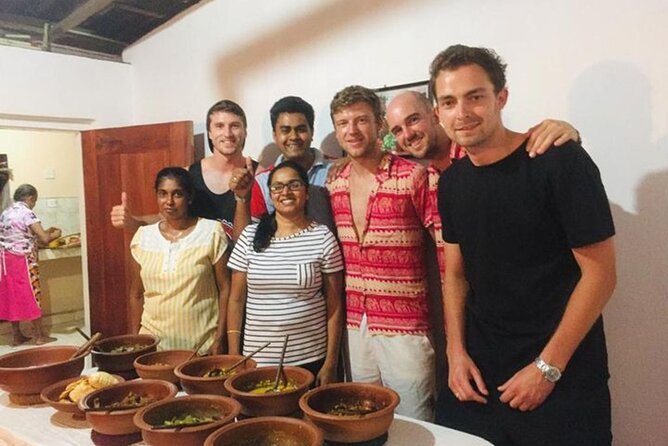
At the end, you eat the food prepared during the lesson. This matters because you can taste the balance of spices and seasoning while the instructions are still fresh. It also turns the class into an evening with the family, rather than a short demonstration followed by a quick departure.
The hosts provide the recipes afterward. That is an important practical touch. Sri Lankan cooking can involve unfamiliar ingredients and proportions, and written recipes make it easier to recreate the dishes once you are back home.
Why the local market option is worth considering
If you want more than the kitchen lesson, the family can guide you to a local market. This is optional, so ask about it when arranging the experience rather than assuming it is automatically included in every visit.
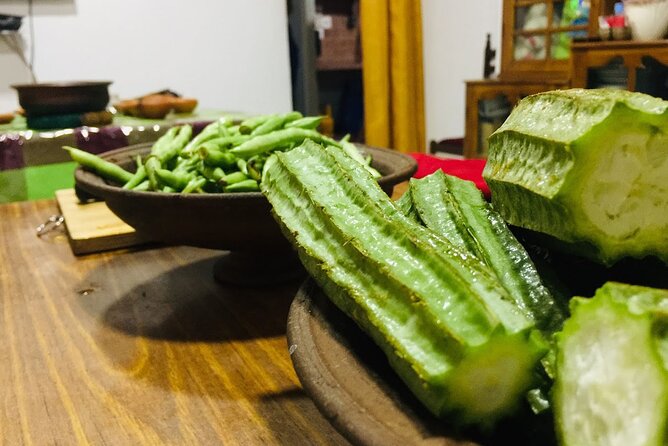
The value of the market visit is not just shopping. Sri Lankan cooking depends heavily on knowing the ingredients, especially the spices and vegetables that form the base of many dishes. A local guide can explain what you are looking at and how those ingredients are used in household cooking.
For you, this can clear up questions that a printed recipe cannot answer. Which spice is responsible for a certain flavor? How do local vegetables differ from the produce at home? What should you buy if you want to make the dish again? The family’s explanations can give context to the ingredients before you begin cooking.
There is also a practical limit. The available information does not state the market’s exact location, visit length, or whether shopping costs are included. Treat it as an added local introduction, and confirm the details before you go if the market visit is central to your plans.
Home cooking instead of a professional chef class
The hosts are clear that they do not have a chef for the class. The teachers are family members who cook traditional food at home. That distinction is worth taking seriously when comparing this experience with a hotel or culinary school lesson.
A professional class may offer precise timings, specialized equipment, and a fixed menu. This one offers something different: the cooking habits and food knowledge of a Sri Lankan family. You may learn small household techniques that are not always included in a formal lesson.
I like this approach for travelers who want food connected to daily life. Sri Lankan cuisine is not only about a finished plate. It is also about how families prepare food, use spices, and pass methods between generations. The family’s experience comes from doing this work often, not from presenting it for tourists.
The tradeoff is consistency. A home kitchen may be compact, and the class may adapt to the family’s way of working. You should be comfortable asking questions, taking part, and accepting a less polished format. The class is best viewed as an invitation into a household, not as a restaurant kitchen with a strict production line.
Same island, a completely different kind of day:
- Kandy Private Guided City Tour by Tuk Tuk
★ 4.9 · 1,307 reviews - From Kandy: Sigiriya Rock & Dambulla Cave Temple Adventure
★ 4.9 · 785 reviews - Kandy to Ella Train Tickets – Reserved Seats
★ 4.5 · 523 reviews - From Kandy: Pinnawala Day Tour
★ 4.8 · 331 reviews
The food lesson and skills you can take home
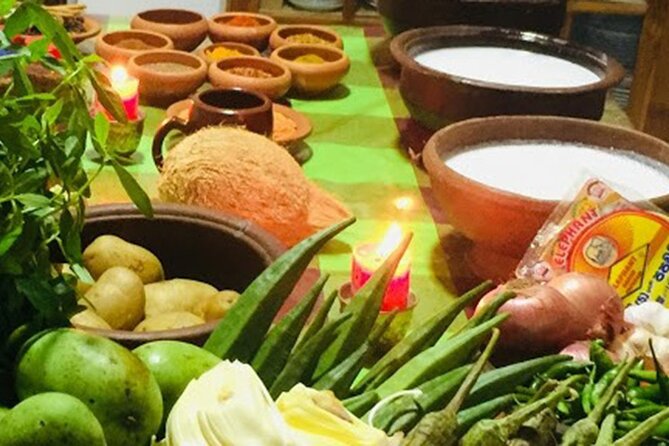
The strongest practical feature is the promise of repeatable cooking techniques. You are not only there to eat a Sri Lankan meal. You are there to understand how to prepare it yourself later.
The class covers traditional food, cooking, culture, and daily life. Those subjects belong together. When you learn why certain spices and vegetables are used, the recipes become easier to remember and adapt. The instruction can also help you understand the difference between following a list of ingredients and building a dish by taste.
You can ask questions while the food is being prepared, which is often the best time to learn. If a spice is unfamiliar, ask how it is used at home. If a cooking step seems different from what you do in your own kitchen, ask why. The family setting should make those conversations natural.
The recipes supplied at the end give you a useful record of the meal. Still, take your own notes if there is a technique you especially want to remember. The written recipes may not capture every informal tip shared during the cooking.
The food is described as traditional and divine by the host, but your own taste will depend on your comfort with Sri Lankan flavors and spice levels. If you have dietary restrictions or dislike certain ingredients, tell the family before cooking. The supplied information does not promise a specific dietary menu, so advance communication is sensible.
Group size, timing, and pickup around Kandy
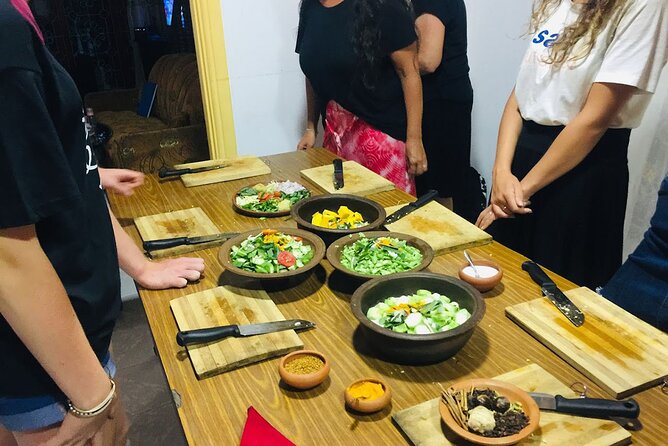
The maximum group size is 15 people. That is small enough to feel more personal than a large commercial food tour, but it may not always feel like a private lesson. Ask how many people are booked if individual attention is important to you.
The 5:00 pm starting time suits an evening in Kandy. You can spend the earlier part of the day sightseeing and then shift to food and local conversation. The three-hour length means you should expect to finish around 8:00 pm, although the exact finish may vary.
Pickup and drop-off can be arranged for hotels around Kandy city. This is useful because the class takes place in a residential area rather than at a central tour office. Confirm the pickup details when booking, especially if your hotel sits outside the main city area.
If you do not use pickup, the meeting point is near public transportation. The exact transport instructions are not provided, so get the address and arrival guidance in advance. A mobile ticket is accepted, and booking confirmation is sent at the time of booking.
The experience is often booked about 20 days ahead. That suggests you should reserve early if your time in Kandy is limited, especially if you want a particular evening. The class can accept up to 15 people, but availability on your preferred date is not guaranteed.
Is $35 a fair price for the evening?
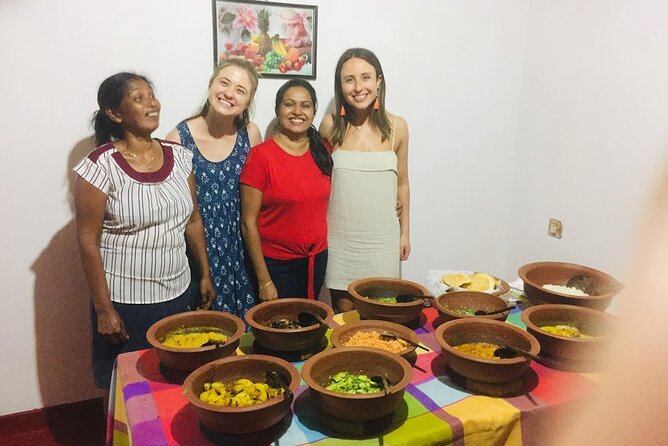
At $35 per person, this class offers solid value if you want three things in one evening: instruction, a cooked meal, and time with a local family. The recipes add value because they let you continue the experience after leaving Sri Lanka.
The price is less attractive if you only want a meal. Kandy has restaurants where you can eat Sri Lankan food without spending three hours in a kitchen. This class earns its price through the teaching, the family contact, and the chance to learn how the dishes are made.
Pickup may add convenience, but the information does not say whether it costs extra. Ask before confirming your plans. The same applies to the market visit. Clarifying those points helps you compare the total cost with other Kandy cooking classes.
The class also has strong basic confidence signals: a five-out-of-five rating and a 100 percent recommendation rate from 44 ratings. Those figures cannot tell you whether the menu will match your preferences, but they do point to a consistently positive experience for people seeking an informal family cooking evening.
Who will enjoy this Kandy cooking class most?
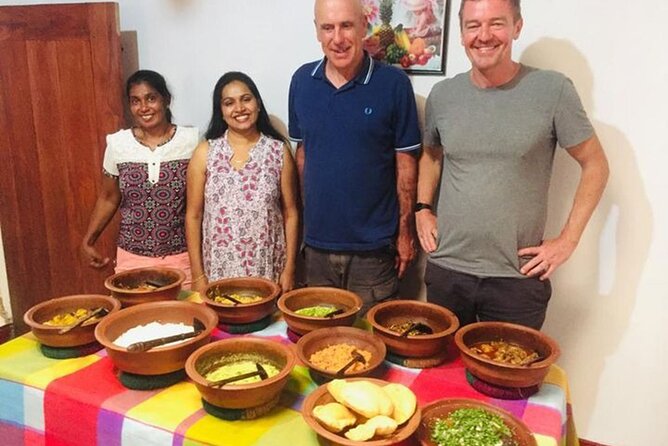
I would choose this experience if you value direct family contact more than polished presentation. Couples, solo visitors, and small groups who enjoy asking questions should find the format rewarding.
It also suits anyone who wants to keep cooking after the trip. The focus on techniques, traditional ingredients, and recipes gives you more to work with than a meal that exists only for one night.
The class can work well for first-time visitors to Sri Lanka who want cultural context without committing to a full-day tour. You learn about food, family routines, spices, vegetables, and daily life in one compact evening.
Families may enjoy meeting the hosts’ children, though the informal setting may not suit every child. The supplied information does not give an age policy, so check before booking with young children.
You may want another option if you need a professional chef, a fixed menu, exact accessibility information, or a guaranteed market tour. None of those features is promised here. This is a home-based experience, and that is both its main strength and its main limitation.
Booking details and cancellation advice
The experience has free cancellation if you cancel at least 24 hours before the 5:00 pm start time. Cancel within 24 hours, or make changes during that period, and the payment is not refunded.
The cutoff follows local Kandy time. The class also requires a minimum number of people, so if the provider cancels because that minimum is not reached, you are offered another date or experience, or a full refund.
I would book early, then confirm the pickup location, market option, menu, and any dietary needs. Those questions are more useful than simply checking the start time, since the home-based format depends on clear communication.
Should you book Best Kandy Kitchen?
Book it if you want a warm, informal evening built around real household cooking. The three family teachers, optional market guidance, shared meal, and take-home recipes make this more than a basic demonstration.
Skip it if you want a formal culinary course or a guaranteed dish list. For $35, though, the combination of instruction, food, and local family life is appealing. If you are staying near Kandy and enjoy learning by doing, this is a sensible way to spend an evening.
FAQ
Where does the Kandy cooking class take place?
The class takes place in a traditional family home near Kandy city center, close to the large Buddha statue at Bahirawakanda Mountain.
What time does the experience begin?
The class starts at 5:00 pm.
How long does the cooking class last?
The experience lasts approximately three hours.
Who teaches the cooking class?
The teachers are the host’s wife, sister, and mother. The host’s three young daughters sometimes join the cooking session.
Is hotel pickup available?
Pickup and drop-off can be arranged for hotels around Kandy city. Confirm the details with the provider when booking.
Can I visit a local market as part of the experience?
The family can guide you to a local market if you would like to learn about Sri Lankan spices and vegetables. The market visit is optional.
What happens if I need to cancel?
You receive a full refund when you cancel at least 24 hours before the local start time. Cancellations or changes made less than 24 hours before the experience are not refunded.
Just added around Kandy
- Kandy City Tuk Tuk guide Tour full Day★ 4.5 · 13 reviews
- Kandy City Guided Tuk Tuk Tour with Lesley★ 5.0 · 26 reviews
- Kandy City Tour with Mahaweli★ 5.0 · 11 reviews
- Kandy City Tour★ 5.0 · 6 reviews
- Unforgettable Experience on a Private Day Tour of Kandy City★ 5.0 · 8 reviews
- Kandy City Sightseeing Tour by Tuk Tuk★ 5.0 · 4 reviews
- Kandy To Dambulla and Sigiria City Full Day by Laka Tours★ 5.0 · 3 reviews
- Kandy City Tour by Tuk Tuk★ 4.5 · 9 reviews
Cooking Classes, compared.
Organic cooking class sigiriya (kumara & family)
Read our review →
Sri Lankan Cooking Class with Neranji at Homestay
Read our review →
Browse the lists this tour appears in