
Reviewed · COOKING CLASSES
Authentic Sri Lankan Cooking Experience
Sri Lankan cooking is at its most memorable when you stop watching and start chopping. This private Kandy class takes you into a village-style family kitchen, where you cook a full meal with garden vegetables, local herbs, clay pots, coconut spoons, and a wood-fired stove. I especially like the garden-to-table approach and the chance to learn why ingredients matter in Ayurvedic cooking, not just how to combine them.
I also like the small-group setting. Your party cooks together rather than standing behind a demonstration counter, and Sandy has shown real flexibility with late arrivals. The main consideration is transport: private pickup is not included, and an added charge applies if you arrange it. You need to reach Kandy Living Villa & Homestay in time for the 11 a.m. start.
Key points at a glance
- Seven dishes plus roti: You get more than a single curry lesson, with enough variety to understand a proper Sri Lankan meal.
- Fresh garden ingredients: Vegetables, herbs, and spices come from the resort garden when available, giving the cooking a direct connection to the land.
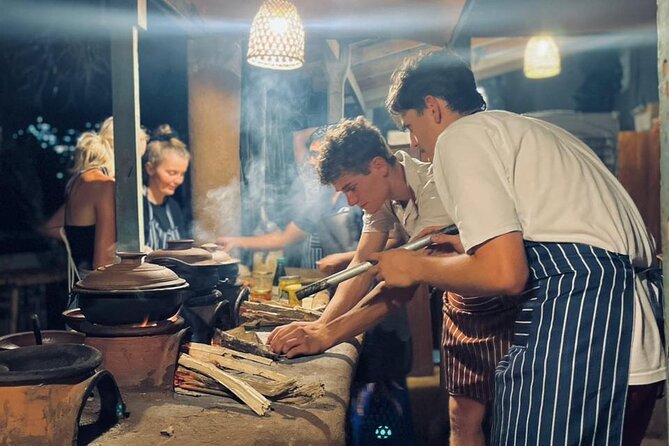
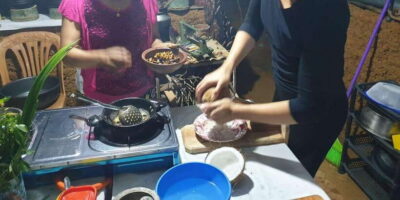
- Traditional outdoor kitchen: Clay pots, coconut spoons, a clay hearth, and firewood create a slower, more old-fashioned way to cook.
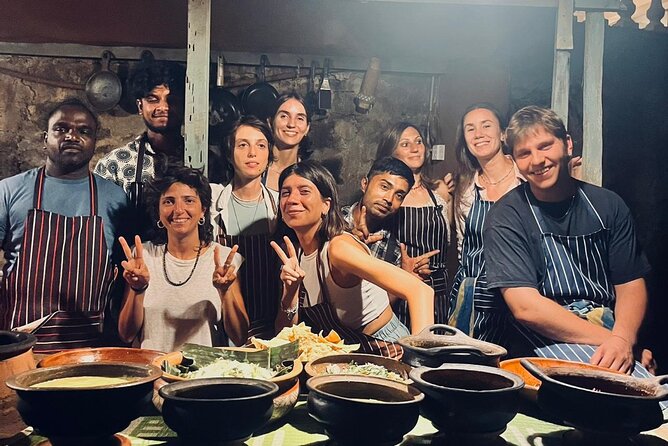
- Private for your group: Only your party takes part, making it easier to ask questions and work at a comfortable pace.
- Vegetarian and vegan friendly: Plant-based versions are included, so dietary preference does not leave you on the sidelines.
- A 2.5-hour cultural lesson: The class also covers family customs, local plants, wellness ideas, and the simple pleasure of sharing a meal.
What the Kandy cooking class is really about
This is not a polished restaurant kitchen or a quick recipe demonstration. It is presented as a recreation of a grandmother’s kitchen, set in a quiet village home with a garden nearby. That setting matters because Sri Lankan food is tied closely to household habits, seasonal produce, family knowledge, and the daily work of preparing several dishes at once.
You can expect the local cooking team to explain each stage while you take part. The supplied details identify Sandy as one of the hosts, and one of the cooks is described as an Auntie, a warm family figure who demonstrates traditional methods. The tone is informal and personal rather than classroom-like.
The class lasts about two hours and 30 minutes. That is enough time for a useful meal, though not enough for a long course in every regional style of Sri Lankan cooking. Think of it as a focused introduction to home cooking in and around Kandy.
A few more Kandy trips to weigh up
- Kandy Village Cooking Class
★ 5.0 · 536 reviews - Private Traditional Sri Lankan Cooking Class in Kandy with Hotel Transfers
★ 5.0 · 115 reviews - Cooking With Village Family
★ 5.0 · 104 reviews
Starting in the garden
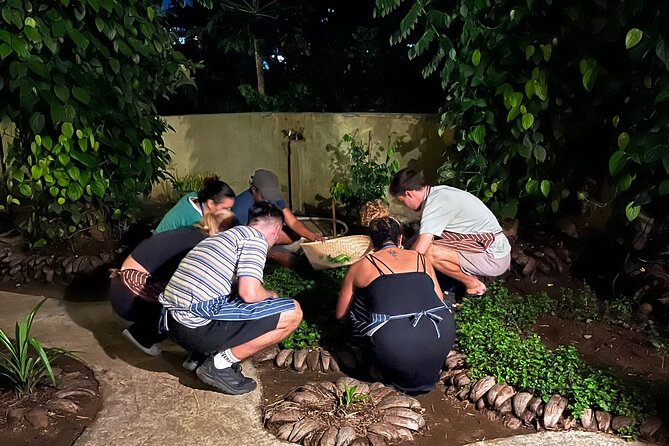
The experience begins at Kandy Living Villa & Homestay, on Maithree Mawatha in Kandy. After meeting at 11 a.m., you are taken through the garden, where you learn about spices, herbs, vegetables, and their uses.
This opening walk gives the cooking a clear purpose. Instead of treating ingredients as anonymous items from a shopping list, you see how they grow and hear about their place in everyday food and Ayurvedic ideas about health and balance. The class emphasizes organic produce grown at the resort, so the garden is not just decoration. It supplies part of the meal.
You may find this portion especially useful if you are curious about ingredients that are less familiar at home. The information provided does not name every plant or spice, so you should expect a general introduction rather than a botanical tour with labels and scientific detail.
The garden visit also sets the pace. You are not rushed straight into a hot kitchen. Herbal tea or iced tea may be served during the experience, giving you a chance to settle into the quiet surroundings before the cooking gets busy.
Cooking with clay pots and wood fire
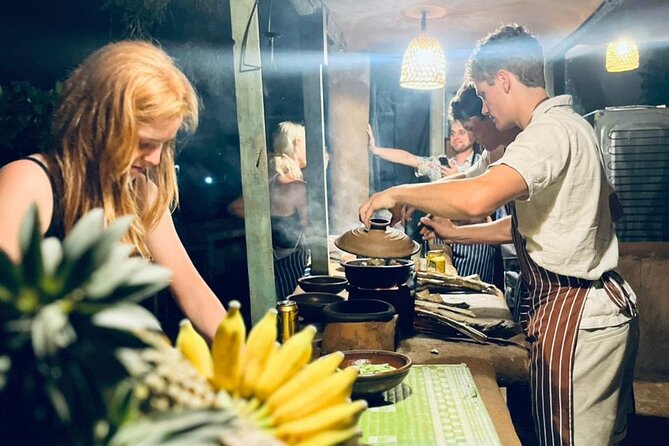
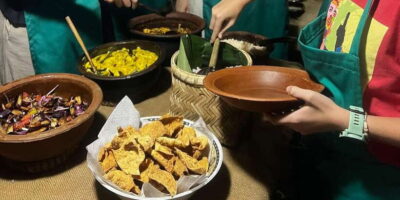
The main class takes place in a traditional outdoor kitchen. The equipment is part of the lesson. Clay pots hold heat differently from modern metal cookware, coconut spoons feel unlike standard kitchen utensils, and a firewood stove requires more attention to heat and timing.
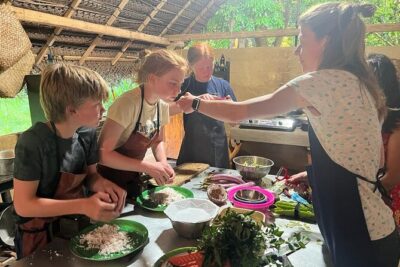
That does not mean you need prior cooking experience. The chef guides you through the steps, and you handle the preparation yourself. You will likely move between chopping, grinding, stirring, seasoning, and watching several pots at once. This is where the class becomes more useful than a standard demonstration. You learn the order of work, not just the final appearance of a curry.
The menu has included seven dishes and roti, which is a strong amount of food for a session of this length. The exact dishes can vary, and the supplied information does not provide a fixed menu. That is worth keeping in mind if you are hoping to learn one particular curry or a named regional recipe.
You will also hear family tips and cultural explanations along the way. The value is in the small decisions: how ingredients are handled, how spices support one another, and how a home cook builds a meal with several different textures and flavors. The class links these methods to wellness and traditional Ayurvedic thinking, though it should be viewed as cultural food knowledge rather than medical advice.
Sitting down to the meal
Once the food is ready, you eat what you have prepared. Lunch and dinner are listed as included, though the 11 a.m. start points most naturally toward a midday meal. The meal is not an extra tasting added at the end. It is the payoff for the work you have done at the stove.
Cooking several dishes helps you understand why Sri Lankan meals can feel generous and varied even when they are built from familiar staples. A meal may include different curries, roti, herbs, vegetables, and spices, with each item bringing its own texture and level of heat. Since the class is hands-on, you can remember the process more easily when you try the food afterward.
The homemade herbal tea or iced tea is another pleasant touch. It fits the calm, unhurried setting and gives you a nonalcoholic drink alongside the meal. The description does not promise a particular tea flavor, so do not book this expecting a fixed beverage menu.
Vegetarian and vegan options are included. That is important here because the class is built around vegetables, herbs, and traditional plant-based cooking. Still, if you have a severe allergy or a highly restricted diet, you should confirm the details before booking, since no specific allergy protocol is provided.
Same island, a completely different kind of day:
- Kandy Private Guided City Tour by Tuk Tuk
★ 4.9 · 1,307 reviews - From Kandy: Sigiriya Rock & Dambulla Cave Temple Adventure
★ 4.9 · 785 reviews - Kandy to Ella Train Tickets – Reserved Seats
★ 4.5 · 523 reviews - From Kandy: Pinnawala Day Tour
★ 4.8 · 331 reviews
Why the private format matters
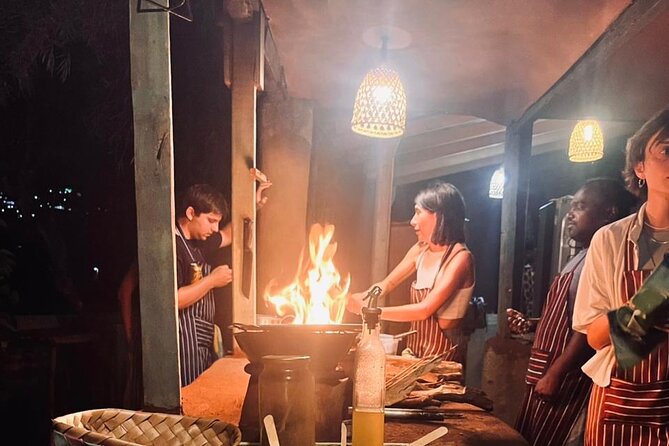
Only your group takes part. For a cooking class, this is a useful advantage. You can ask the same question twice, spend more time on a technique, or let the host know about your comfort with spice without competing with a large room full of people.
The small setting also supports the cultural side of the experience. The hosts share stories, family customs, and a slower way of life. This is less about collecting a recipe card and more about seeing how food fits into a household.
Sandy’s flexibility is worth noting. One participant arrived 45 minutes late and was still welcomed into the activity without being left out. You should not treat that as permission to arrive late, especially with several dishes cooking at once, but it suggests a kind and adaptable hosting style.
Private does not mean luxurious. The setting is traditional and simple, with a wood fire and outdoor kitchen. If you want air conditioning, restaurant-style facilities, or a formal culinary school setup, this may not be the right match.
Value at $25 per person
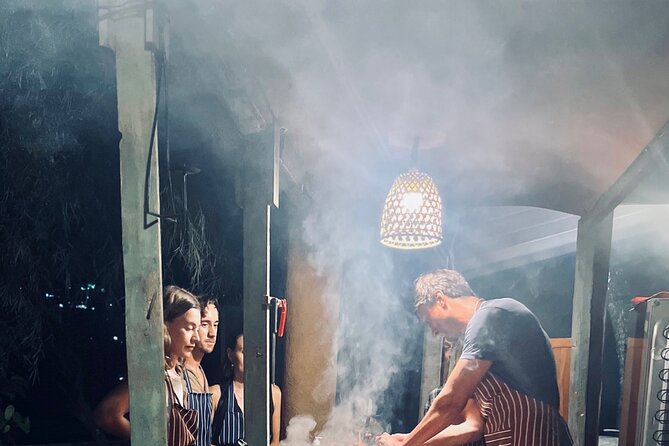
At $25 per person, the class offers good value if you want more than a meal. You receive about two and a half hours of instruction, a garden walk, a cooked lunch or dinner, drinks such as herbal or iced tea, and a private activity for your group.
The price also covers an experience that would be hard to reproduce on your own during a short stay. Buying unfamiliar spices, finding a suitable kitchen, and learning the methods without guidance would take time. Here, the cost combines food, teaching, local context, and access to a family-style setting.
The value is weaker if you only want to sample Sri Lankan food. A restaurant meal will be easier and faster. This class asks you to spend part of your day preparing the food, standing near a wood fire, and following a number of steps. I would book it for the learning and contact with local life, not simply for the quantity of food.
There is also no standard private transportation included. If you arrange pickup, an additional fee depends on distance and vehicle type. The meeting point is near public transportation, but the information does not specify routes, fares, or walking directions, so check your route to Maithree Mawatha before the morning begins.
Who will enjoy this experience most
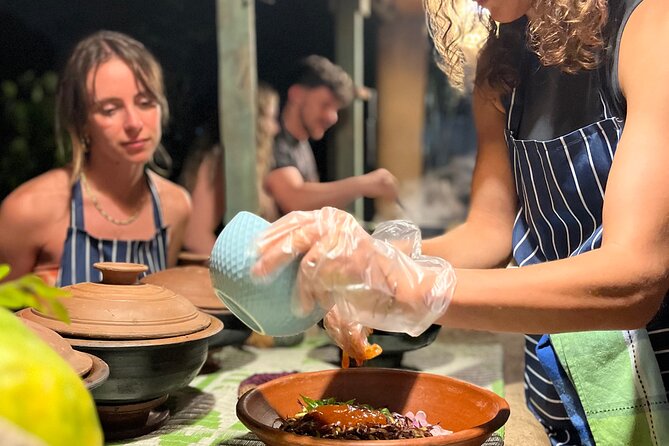
I would recommend this class to you if you enjoy food with a story behind it. It suits couples, families, and small groups who want a private activity and who are happy to take part rather than sit back.
It is also a strong choice for vegetarians and vegans. The class already includes suitable options, and the garden-based menu places vegetables and herbs at the center of the meal.
You do not need to be a serious cook. The class is designed around instruction and participation, not advanced skills. Curious beginners may get as much from it as experienced home cooks, especially if they want to understand Sri Lankan spice combinations and cooking order.
You may want to skip it if your schedule in Kandy is packed tightly around the 11 a.m. start. The class takes roughly half a day once you allow time to reach the meeting point and return. You should also think twice if smoke, outdoor cooking, or simple facilities are a problem for you.
Practical details before you book
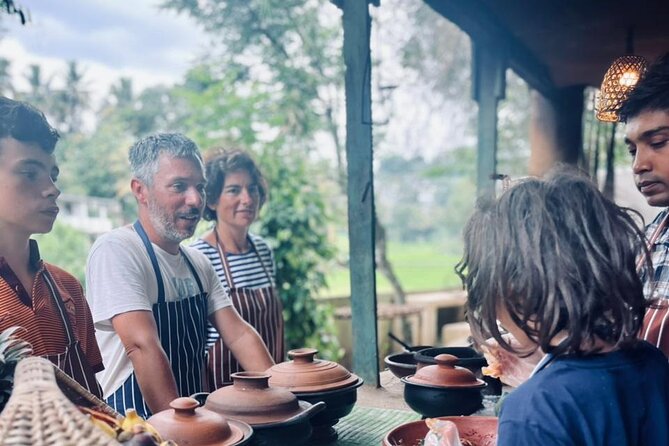
The meeting point is Kandy Living Villa & Homestay, Maithree Mawatha, Kandy 20000. The activity starts at 11 a.m. and ends back at the same meeting point.
Your booking confirmation is provided at the time of booking, and the activity has a mobile ticket. Since the class is private, only your group participates.
The experience requires good weather. If poor weather forces a cancellation, you are offered another date or a full refund. You can cancel for a full refund up to 24 hours before the local start time. Inside 24 hours, the amount paid is not refunded, and changes are not accepted.
Because the class depends on several dishes being prepared together, arriving on time is wise. The late-arrival flexibility shown by the hosts is reassuring, but it is still better to plan your route carefully.
Should you book it?
I would book this if you want a personal introduction to Sri Lankan food rather than a quick cooking demonstration. The combination of a garden walk, seven dishes, roti, a wood-fired kitchen, and a shared meal gives you a clear sense of how traditional home cooking works.
The strongest reasons to go are the private format, the family setting, and the use of fresh garden ingredients. The main drawbacks are the extra transport charge, the fixed 11 a.m. meeting time, and the simple outdoor kitchen.
If you are staying in Kandy and have half a day free, this $25 class is a sensible buy. Bring curiosity, arrive on time, and expect to work for your meal. That is exactly what makes the experience worthwhile.
FAQ
Where does the cooking class begin?
It begins at Kandy Living Villa & Homestay on Maithree Mawatha, Kandy 20000, Sri Lanka.
What time does the activity start?
The class starts at 11 a.m.
How long does the experience last?
The cooking experience lasts approximately two hours and 30 minutes.
Is transportation included?
Private transportation is not included. If pickup is arranged, an additional charge applies based on the distance and vehicle type.
Where does the activity end?
The activity ends back at the meeting point, Kandy Living Villa & Homestay.
Is this a private class?
Yes. Only your group participates in the activity.
Are vegetarian and vegan options available?
Yes. Vegetarian and vegan options are included.
What is included in the price?
Lunch and dinner are listed as included. Homemade herbal tea or iced tea is also described as part of the experience.
What happens if I need to cancel?
You can receive a full refund if you cancel at least 24 hours before the local start time. Cancellations or changes made within 24 hours are not refunded or accepted. If poor weather causes the activity to be canceled, you are offered a different date or a full refund.
Just added around Kandy
- Udawalawe National Park Private Full-Day Safari★ 5.0 · 3 reviews
- Kandy City Tour & Famous Ambuluwawa Tower with Friendly Chauffeur★ 5.0 · 11 reviews
- White Water Rafting Kitulgala★ 4.5 · 4 reviews
- From Kandy to Nuwara Eliya Day Tour★ 5.0 · 21 reviews
- Wasgamuwa National Park Safari from Kandy★ 5.0 · 3 reviews
- Tour to the Hidden Waterfalls around Kandy (Knuckles Range)★ 5.0 · 6 reviews
- Train tickets from Kandy to Nuwara Eliya or Hatton Station★ 3.0 · 4 reviews
- Sri Lanka 4 Day Private Tour★ 5.0 · 6 reviews
Cooking Classes, compared.
Organic cooking class sigiriya (kumara & family)
Read our review →
Sri Lankan Cooking Class with Neranji at Homestay
Read our review →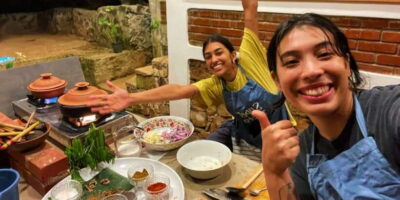
Browse the lists this tour appears in