
Reviewed · COOKING CLASSES
Cooking Classes in Sri Lanka
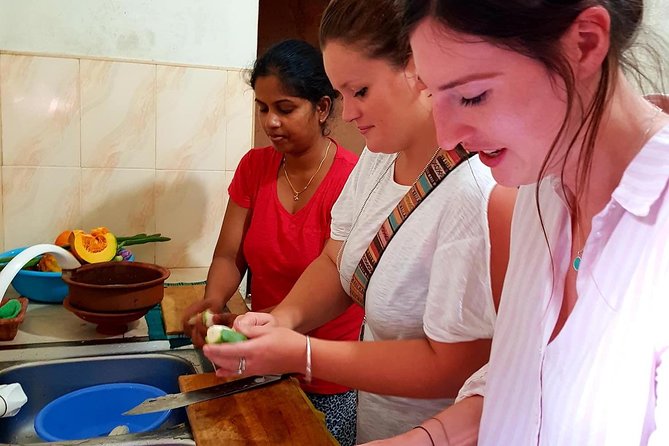
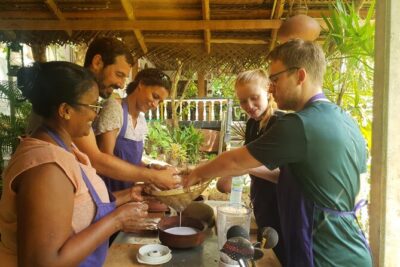
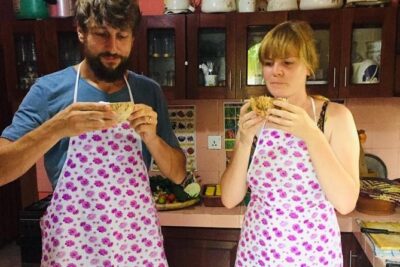
Sri Lankan cooking is built around touch, smell, and judgment, not a neat list of measurements. This private class near Negombo puts you in a family kitchen, where you prepare coconut milk, curry, rice, and dessert before sitting down to eat what you made.
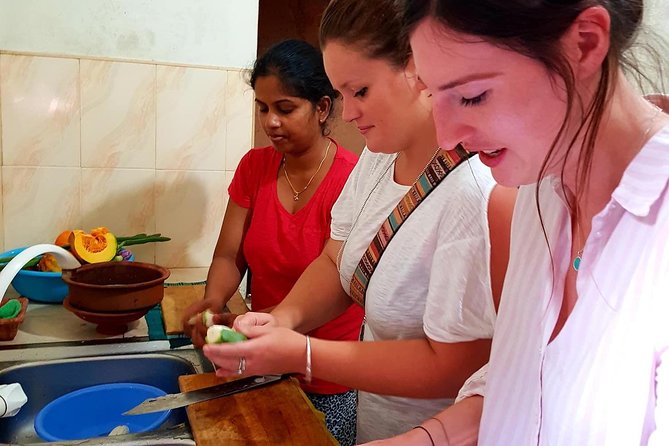
I like the hands-on format, especially the chance to cut and chop your own vegetables rather than watch a demonstration. I also like the warm start with tea or coffee and the chance to learn how spices, herbs, and fresh coconut shape everyday food.
The main consideration is the meeting point in Andiambalama, Katunayake, rather than central Negombo itself. Check your transport plan carefully, and remember that the market visit costs extra if you want to choose the vegetables before cooking.
Key points to know before booking
- Cook inside a family home: This is a private activity for your own group, not a large classroom session.
- Make coconut milk from scratch: You learn one of the basic building blocks of Sri Lankan home cooking.
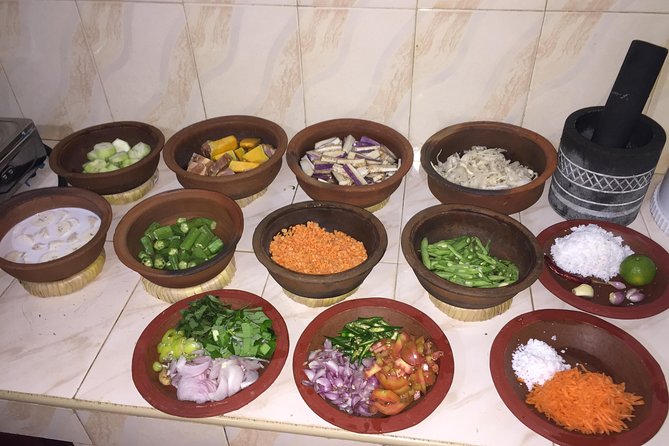
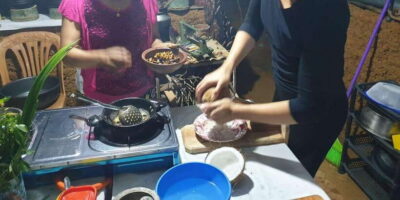
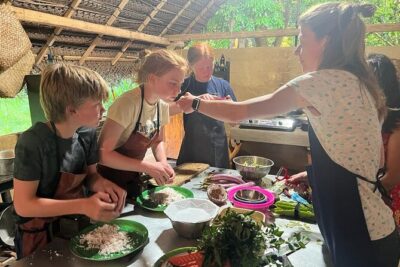
- Choose and prepare your curry vegetables: You cut and chop the produce yourself before cooking it with local spices and herbs.
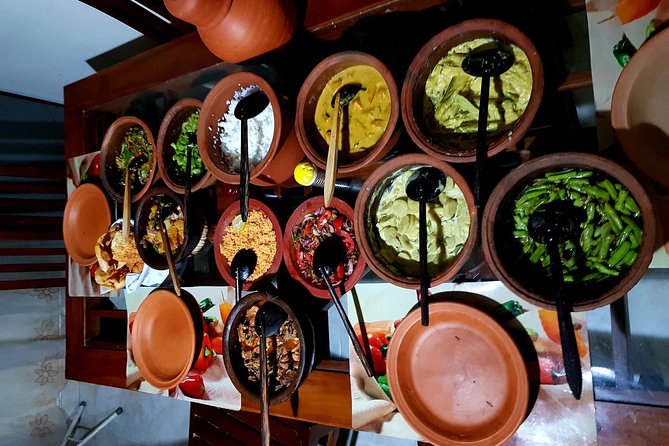
- Eat a full meal at the end: Your class includes curry, rice, coconut milk preparations, and a traditional dessert.
- Add a market visit: An optional upgrade lets you select vegetables and hear more about local spices and herbs.
- Allow about three hours: Tea or coffee, preparation, cooking, dinner, and dessert all fit into one relaxed session.
A family kitchen instead of a cooking school
The appeal here is simple: you do not just watch somebody cook Sri Lankan food. You work through the process in a family home, with a local host showing you how everyday dishes come together.
That setting matters. Sri Lankan food can look easy on a menu, but the small decisions are hard to pick up from a recipe. How much coconut milk should go into a curry? When are the onions or vegetables ready? Which spice should lead, and which should sit quietly in the background? This class gives you a chance to ask those questions while the food is in front of you.
Because the activity is private, the pace can suit your group. A couple can take its time, while a family with children can share out the chopping and stirring. The information provided does not name the host, so do not book expecting a particular instructor by name. You are booking a local family-home setting and direct instruction rather than a celebrity chef or formal culinary school.
The class lasts about three hours. That is long enough for a proper meal and a useful introduction, but short enough to fit beside a morning at the beach, a flight connection, or a day around Negombo.
A few more Negombo trips to weigh up
- Cooking Class and Market Visit in Negombo
★ 5.0 · 4 reviews - Ella: Traditional Sri Lankan Cooking Class
★ 4.9 · 788 reviews - Organic cooking class sigiriya (kumara & family)
★ 5.0 · 650 reviews
Tea, coffee, and the first taste of home cooking
Your arrival begins with tea or coffee. It is a small detail, but it sets the tone better than being rushed straight to a work surface. You have a moment to settle in before the cooking begins.
The welcome also gives you a natural chance to explain what you eat. The class is suitable for both vegetarians and people who eat meat, although the specific dishes depend on the vegetables and choices made during the session. Since the food is prepared by your group, it is sensible to mention dietary needs when booking, even though no formal dietary menu is described.
Do not expect a restaurant-style presentation at this stage. The value is in being received at a home and moving into the kitchen at an unhurried pace. One especially strong feature of the experience is its relaxed, hands-on feel. You are not being pushed through a string of staged demonstrations.
Learning coconut milk from the beginning
One of the most useful parts of the class is the introduction to making coconut milk. Coconut is central to many Sri Lankan dishes, and learning this step helps explain why the finished curries taste different from versions made with packaged cream or a generic sauce.
The class gives you an idea of how coconut milk is prepared before it goes into the food. That makes the process more than a collection of dishes. You begin to see how a familiar ingredient becomes part of the base, texture, and flavor of a meal.
This is also the sort of skill you can remember after the holiday. You may not recreate every curry at home, especially without exact recipes, but you can carry away a better sense of how coconut works in Sri Lankan cooking. The class intentionally focuses less on written formulas and more on learning directly from the person cooking beside you.
That approach suits people who want food culture rather than a souvenir recipe card. It may be less satisfying if you need precise weights, cooking times, and a complete written method for every dish.
Choosing vegetables and preparing the curry
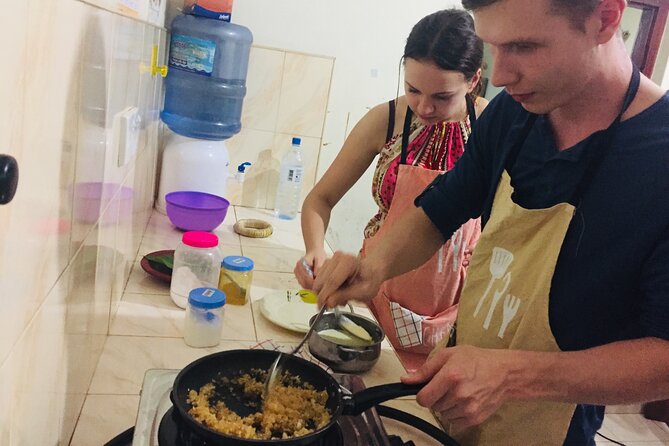
After learning about coconut milk, you choose which vegetables you want to turn into curry. This is a good point of difference from a fixed menu. You have some control over the meal, and your choices become part of the lesson.
You then cut and chop the vegetables yourself. This may sound basic, but it is exactly the kind of work that helps you understand home cooking. You handle the produce, see its texture, and prepare it in the form needed for the pot. You are not simply watching a cook produce a finished dish while you stand at the side.
The class is a good match for curious beginners because the process is broken into clear stages. First comes the ingredient work, then the introduction to spices and herbs, followed by the cooking itself. If you already cook often, you may find the technique familiar, but the Sri Lankan combination of coconut, spices, vegetables, and curry-making still gives the session a local focus.
The available information does not promise a particular vegetable list or a fixed curry recipe. That is useful to know before you go. The dish is likely to reflect what you choose and what is practical on the day, rather than following a rigid restaurant menu.
Same island, a completely different kind of day:
- AirPort CMB to Colombo (Private Taxi 24/7) Car, Van, Minibus
★ 5.0 · 604 reviews - 8 Days tour in Sri Lanka with privet driver and accommodations
★ 5.0 · 472 reviews - Private Car & Driver for 07 Days Tour In Sri Lanka
★ 5.0 · 199 reviews - Most Popular Round Tour in Sri Lanka
★ 5.0 · 161 reviews
Spices and herbs without a recipe book
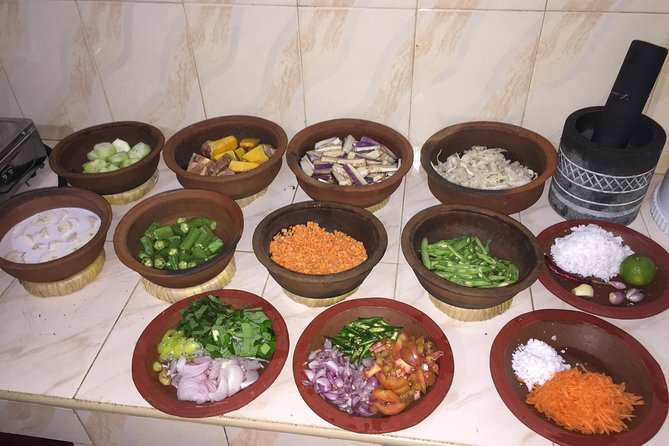
The class gives you an introduction to Sri Lankan spices and herbs, then shows you how they are used in cooking. This is where direct instruction has an edge over simply eating curry in a restaurant.
A recipe can tell you to add a spice. It does not always tell you what that spice contributes, how its aroma changes during cooking, or how the balance should feel. A local cook can point out those differences as you work.
I would pay close attention here and ask questions. Which ingredients are used often at home? Which ones are added early? Which ones are used for fragrance rather than heat? The experience is designed for conversation, so use the opportunity instead of treating the class as a demonstration.
The relaxed nature of the lesson is one of its biggest strengths. The strongest praise for this activity focuses on learning dishes such as fresh coconut sambal and dhal in a calm, practical way. Those dishes make a good introduction because they show how a few basic ingredients can become part of a broader Sri Lankan meal.
Still, keep your expectations realistic. The information promises an idea of spices and herbs, not a formal course in regional Sri Lankan cuisine. In three hours, you will get a useful home-cooking lesson, not a full survey of the island’s food traditions.
Sitting down for curry, rice, and dessert
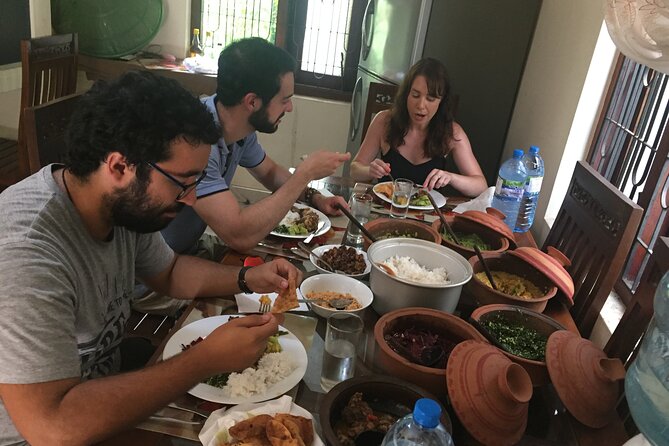
Once the cooking is finished, you eat the meal you prepared. This is more satisfying than receiving a plate made entirely by someone else because you can connect each dish with the work behind it.
The meal includes curry and rice, along with coconut milk preparations and a traditional dessert. The exact dessert is not specified, so avoid booking with one particular sweet in mind. The important point is that the class ends with a complete Sri Lankan meal rather than a few small samples.
Eating around the host’s table adds a social side to the activity. You have time to talk, compare flavors, and ask about the food after tasting it. That family setting is especially valuable if you are looking for something more personal than a standard restaurant meal.
Vegetarians should find the format particularly suitable because the vegetables are selected as part of the class. People who eat meat are also welcome, and the activity is described as suitable for both. Since the exact menu is flexible, ask ahead if you need confirmation about a specific ingredient.
The dessert is a modest but welcome finish. It gives the session a clear beginning, middle, and end: a drink on arrival, preparation and cooking in the kitchen, then a shared meal with something sweet afterward.
The optional market visit near Negombo
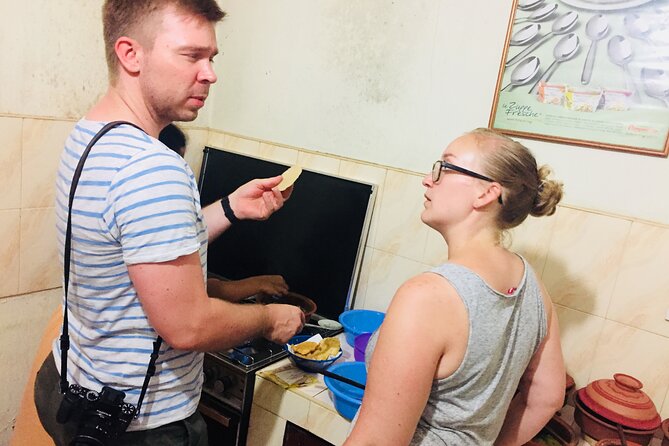
You can upgrade the class to include a market visit. This lets you choose vegetables before cooking and hear more about local spices and herbs.
For me, this is the most useful upgrade for someone who wants more context around the meal. A market helps connect the cooking lesson with the ingredients themselves. You can see what is available, make decisions before entering the kitchen, and understand that the curry is built around fresh produce rather than a fixed restaurant order.
The trade-off is cost. The base price is $45 per person, and the market visit is an optional upgrade, so confirm the final amount before booking. If your main aim is to learn techniques and eat a home-cooked meal, the standard class may be enough. If you enjoy food shopping and want a fuller morning or afternoon, the extra visit should make the experience feel more complete.
No separate market meeting point is provided, so read the final booking details carefully if you select this option. The main meeting location is listed as Negombo Cooking Class, Andiambalama, Katunayake, Negombo 11450, Sri Lanka.
What $45 per person buys you
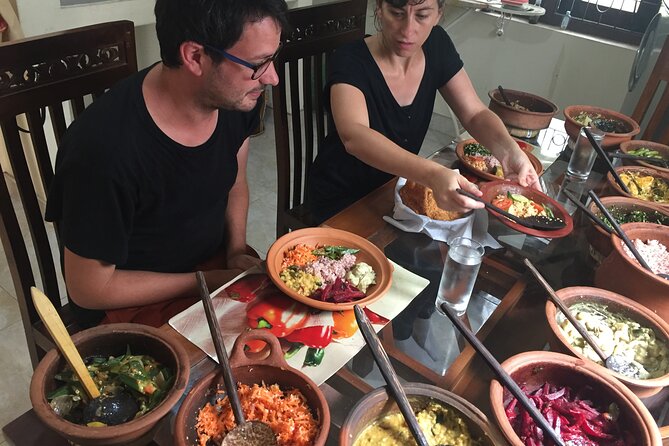
At $45 per person, this is not the cheapest way to eat in Sri Lanka. You could find a far less expensive meal in a local restaurant. The value comes from the private instruction, ingredient preparation, cooking time, and dinner in a family home.
You are paying for access to something difficult to arrange independently. Finding a local household willing to teach you, prepare ingredients, explain spices, and serve the finished food is not the sort of experience most people can organize casually after arriving.
The private format also changes the value calculation. If you are traveling as a couple, family, or small group, the price buys attention for your own party rather than a seat in a crowded class. You can work at your own speed and ask questions without competing with a room full of other people.
I would consider the price fair for anyone who values personal contact and practical food knowledge. It is less compelling if you only want a quick meal, if you dislike chopping and kitchen work, or if you are comparing it with a basic restaurant dinner.
The fact that the activity is often booked well in advance, around 36 days on average, is a useful planning signal. It suggests you should not leave it until the last minute during a busy holiday period, even though a booking made with less than 24 hours notice has been accepted before.
Timing, location, and group size
The meeting point is in Andiambalama, Katunayake, within the Negombo area. The activity ends back at the same meeting point, and the location is near public transportation.
That makes the meeting point important. Negombo is spread out, and Andiambalama is not a detail to ignore when planning your day. Allow enough time to reach the address, particularly if you are connecting this class with airport plans or another timed activity.
The duration is approximately three hours. You should treat that as a real block of your day, not a quick cooking stop. Tea or coffee, vegetable preparation, the cooking lesson, dinner, and dessert all need room to happen without a frantic finish.
This is a private tour, so only your group participates. That is a strong reason to choose it over a large class if you want a quiet setting or have a mixed group with different levels of cooking experience.
A mobile ticket is provided, which keeps the booking simple. Confirmation is received at the time of booking. The experience requires good weather, and it also requires a minimum number of participants. If weather or the minimum group condition causes cancellation, you are offered another date or a full refund.
For your own cancellation, you can cancel up to 24 hours before the local start time for a full refund. Changes or cancellations made within 24 hours are not accepted for a refund.
Who will enjoy this class most
I would recommend this experience to people who want to understand how food is made at home, not just taste another curry. It suits couples, families, and small groups who enjoy sharing a task and eating the results.
It is also a good choice for first-time visitors to Sri Lanka who want a gentle introduction to local flavors. You do not need to arrive as an expert cook. The work is practical, and the host guides you through the stages.
Vegetarians have a clear reason to consider it, since you can choose the vegetables used for curry. People who eat meat can also take part, but you should confirm the menu if a particular meat dish is important to you.
I would be more cautious about recommending it to someone who wants a polished culinary school, advanced knife skills, or exact recipes to take home. The class is about learning by doing in a family environment. Its charm comes from that informality, but informality is not the same as professional culinary training.
Should you book the Negombo cooking class?
Book it if you want a private, hands-on food experience and like the idea of learning in a family home. The coconut milk lesson, vegetable preparation, spice instruction, shared dinner, and dessert give the three hours a clear purpose.
The optional market visit is worth considering if you want to choose ingredients and spend more time connecting the food with local shopping. Skip the upgrade if your budget is tight or the cooking and dinner are the main draw.
Before paying, check the Andiambalama meeting point, confirm any dietary needs, and decide if the flexible, no-recipe teaching style suits you. For someone seeking personal contact and a meal made together, $45 is a sensible price. For someone seeking only a cheap dinner or a formal cooking certificate, it is not the right fit.
FAQ
Where does the cooking class start and end?
The class starts at Negombo Cooking Class, Andiambalama, Katunayake, Negombo 11450, Sri Lanka. It ends back at the same meeting point.
How long does the experience last?
The cooking class and dinner last approximately three hours.
Is the cooking class private?
Yes. Only your own group participates in the private activity.
Is the class suitable for vegetarians?
Yes. The experience is described as suitable for both vegetarians and people who eat meat. You can choose which vegetables you want to prepare as curry.
Can I add a market visit?
Yes. An optional upgrade includes a market visit where you can choose vegetables and learn more about local spices and herbs.
What is the cancellation policy?
You can cancel at least 24 hours before the local start time for a full refund. Cancellations or changes made less than 24 hours before the start time are not refunded or accepted. If poor weather or the minimum number of participants causes cancellation, you are offered another date or a full refund.
Just added around Negombo
- Wilpattu National Park: Morning or Afternoon Safari★ 3.9 · 39 reviews
- Wonderful Srilankan 14 Days Tours★ 5.0 · 6 reviews
- 9 Days Guided Tour Through Sri Lanka★ 5.0 · 4 reviews
- Transfer between Colombo (CMB) Airport and Galle Face Hotel★ 5.0 · 4 reviews
- Pinnawala private day trip from colombo or negombo★ 5.0 · 4 reviews
- Ten Days Scenic Sri Lanka★ 5.0 · 3 reviews
- Throughout the Pearl Island in 14 Days★ 5.0 · 22 reviews
- Tailor-made Multi-day Private Tour Packages in Sri Lanka★ 5.0 · 19 reviews
Cooking Classes, compared.
Organic cooking class sigiriya (kumara & family)
Read our review →
Sri Lankan Cooking Class with Neranji at Homestay
Read our review →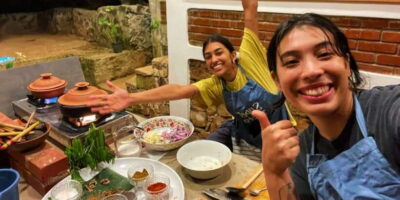
Browse the lists this tour appears in