
Reviewed · COOKING CLASSES
Galle Unawatuna Cooking Class
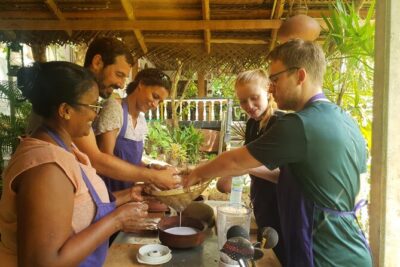
Sri Lankan cooking is built on fresh produce, coconut, spices, rice, and patience. This Galle Unawatuna class puts those pieces together in a traditional home kitchen, where you learn by watching, preparing, cooking, and eating rather than simply sitting through a chef demonstration. The advertised menu includes six curries, including a seafood dish, with rice, vegetables, meat, spicy sweets, and other local foods also possible.
I like the small group size of up to 10 people, which should make it easier to follow the cooking and ask questions. I also like the chance to meet a local family and see how food is prepared at home, not just how it appears on a restaurant plate.
The main thing to keep in mind is that the menu may be broader than the three-and-a-half-hour schedule suggests. Some guests have ended up making 13 dishes, so the pace can be full and the exact menu may vary. Ask about the day’s dishes if you have allergies, dietary limits, or one particular Sri Lankan recipe in mind.
Key points about the Galle Unawatuna cooking class
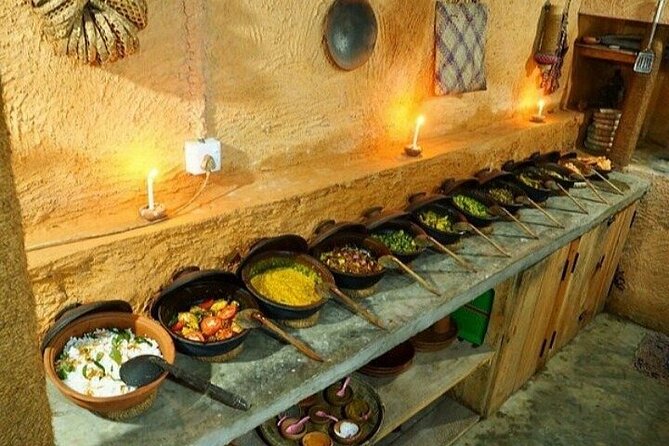
- Six traditional curries: The core demonstration includes six Sri Lankan curries, with at least one seafood dish.
- A private-home setting: The class takes place in an original Sri Lankan kitchen, with the chance to meet members of the host family.
- Possible market visit: Pickup plans can include a stop at a market to look at local fruit, vegetables, and spices.
- A full meal afterward: Lunch and dinner are listed as included, with generous portions and several dishes to try.
- About 3.5 hours: This is long enough to cover preparation, cooking, and eating without taking over your entire day.
- Small groups: The maximum is 10 people, a useful limit for a hands-on food lesson.
Starting with Sri Lankan ingredients in Galle
The experience is based in the Galle and Unawatuna area, with pickup offered. That makes the class easier to fit into a stay along the southern coast, especially if you do not want to arrange a tuk-tuk or taxi for a private home outside the main sightseeing areas.
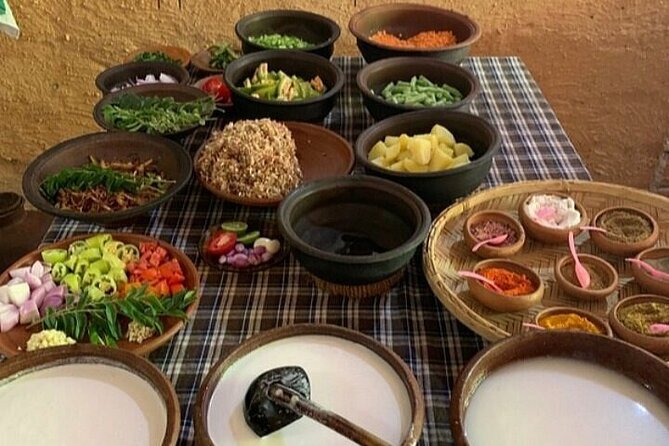
A market visit may be part of the pickup plan. If so, this is a useful opening because Sri Lankan cooking makes more sense when you see the ingredients before they are chopped and cooked. You can expect an introduction to local fruits, vegetables, and spices, though the supplied details do not promise a market visit for every departure.
This early stop also gives you a better sense of what makes the food different from a standard curry meal abroad. Sri Lankan cooking often combines several small dishes rather than placing one sauce beside rice. The class focuses on that wider spread, so you learn how vegetables, seafood, meat, rice, and sweets work together.
The market portion is not a separate sightseeing tour, so do not book this expecting a long guided walk through Galle’s old town or a food crawl. Its value is practical: you see what goes into the meal you are about to help prepare.
A few more Galle trips to weigh up
- Sea waves sri lankan cooking class
★ 5.0 · 467 reviews - Galle Fort cooking class
★ 5.0 · 60 reviews - Galle: Cooking Class at a Local Home and Market Tour
★ 5.0 · 47 reviews
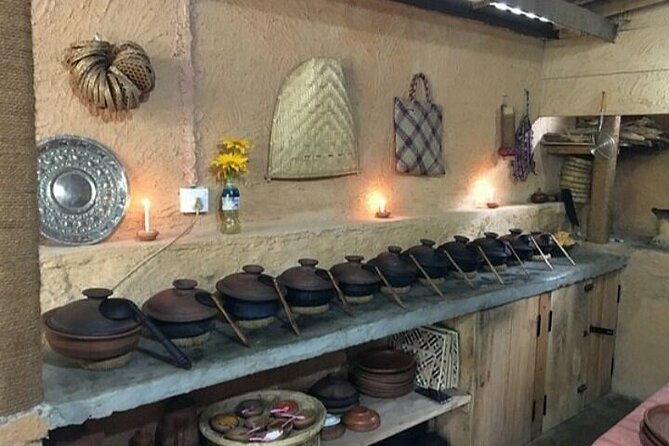
Inside a traditional Sri Lankan home kitchen
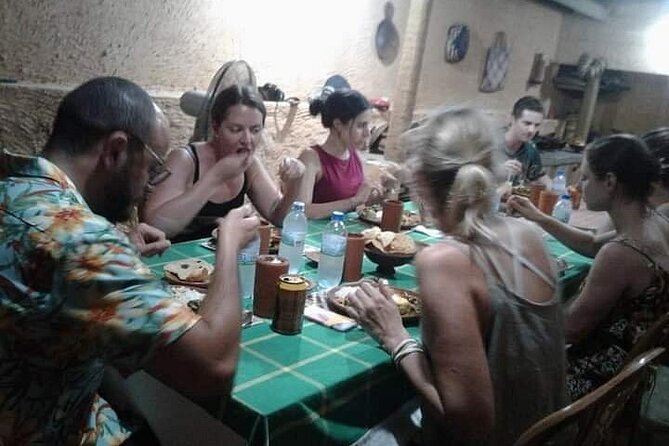
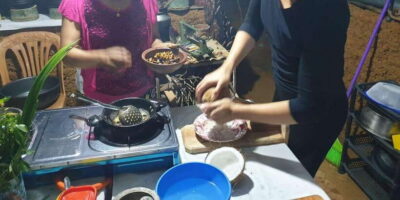
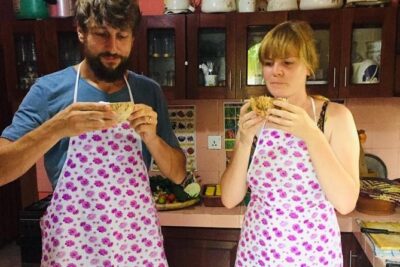
The cooking takes place at a private home, not a polished hotel school. That is a major part of the appeal. You get a closer look at a working Sri Lankan kitchen and the traditional way of preparing food.
The kitchen has been described as beautiful and original, and the host family may be present. Madhu is named as a friendly and helpful teacher in one account, while Madha is thanked for teaching another group. Nisansala is also named in connection with a private home and the cooking. Because the supplied information uses several names, confirm your host’s name and meeting details after booking.
The important point is the setting. A home kitchen shows you how food is handled in ordinary family life, including the rhythm of preparing several dishes at once. That can teach you more than a single restaurant demonstration because you see how a meal is built as a group.
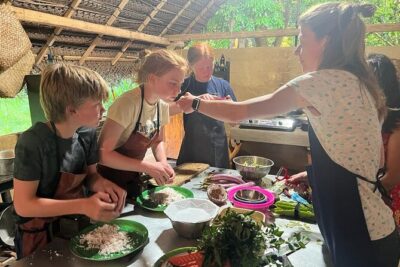
You should expect the class to be social and fairly informal. The group limit is 10, which is small enough to hear the instruction and watch the preparation without being part of a large production. Still, this is not a private one-to-one lesson. If you want constant individual attention, a smaller booking would be worth asking about.
Six curries, seafood, rice, and sweets
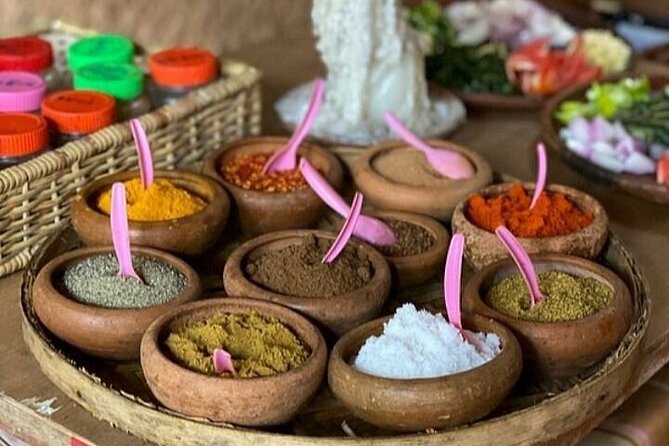
The main food lesson centers on six different curries. One is a seafood dish, while the rest may include vegetables, fish, meat, or other local ingredients. Rice is also part of the cooking, and the class may cover spicy sweets and other popular Sri Lankan foods.
This variety is the best reason to choose the class over a short single-dish lesson. You learn how a Sri Lankan table gains contrast from several curries, rather than tasting one heavily spiced bowl and assuming you understand the cuisine.
The class is described as a demonstration, but the stated aim is to learn how to make the food. The detailed accounts also describe preparation, cooking, and eating, so you should expect more than passive watching. The exact balance between demonstration and hands-on work is not spelled out, and it may depend on the group size and the dishes chosen that day.
The menu can be generous. One group made 13 dishes, well beyond the six-curry outline. That sounds like a bonus if you enjoy food and want a broad lesson, but it also means you should not assume the class will finish quickly or cover only the advertised basics.
Sri Lankan curries often rely on careful preparation rather than complicated equipment. You will see how several ingredients are brought together in the traditional style. The experience is especially useful if you want to recreate Sri Lankan food at home, since learning the sequence of preparation matters as much as tasting the finished curry.
Eating the food you have prepared
Lunch and dinner are listed as included, while breakfast is not. In practical terms, the meal is the reward at the end of the class, and the class is likely best scheduled when you are ready for a substantial serving of food.
The meal can be large. You may sit down to rice, several curries, seafood, vegetables, meat, sweets, and other dishes made during the session. This is not a light cooking sample. Plan accordingly, especially if you have a busy dinner reservation afterward.
I like this eat-what-you-cook format because it gives the lesson a clear purpose. You can taste how the spices work in each dish and compare the curries side by side. You also get a better feel for the balance of a Sri Lankan meal than you would from ordering one curry at a restaurant.
Food restrictions deserve a direct conversation before you go. The menu may include seafood, fish, meat, and spicy sweets, and the class details do not list vegetarian, vegan, gluten-free, or allergy-specific options. Do not assume substitutions are available. Contact the provider before booking if this affects your meal.
Same island, a completely different kind of day:
- Whales and Dolphins Watching-Luxury Super Grade Cruiser(Hotel Pick up offered)
★ 5.0 · 1,268 reviews - Galle: Traditional Gems & Jewellery Workshop with Transfers
★ 4.9 · 539 reviews - Galle Fort Walking tour
★ 4.9 · 285 reviews - Snorkeling with Turtles in Mirissa
★ 5.0 · 268 reviews
Why the home setting adds value
A cooking class can easily become a staged performance designed for photographs. This one has a more personal feel because it takes place in a private home and may include the host’s family.
Meeting family members adds context to the food. You are not simply learning a recipe in isolation. You are seeing cooking as part of household life, which helps explain why several curries and side dishes may appear together at one meal.
That said, a private home is not the same as a professional teaching kitchen. Space, seating, and equipment may be more modest, and the class may feel less polished than a hotel-based course. I see that as part of the trade-off, but it will not suit everyone.
Choose this experience if you value local contact and a traditional setting more than a slick culinary school. If you want measured recipes, printed materials, and a formal lesson plan, ask what teaching materials are provided before you reserve.
Price and time: is $30 good value?
At $30, the experience offers a lot for the time involved. You receive roughly three and a half hours of instruction, a possible pickup, a substantial meal, and a menu that can include six curries or even more dishes.
The value is strongest if you would otherwise pay separately for lunch or dinner. You are not only buying food. You are paying for access to a local kitchen, guidance from a host, ingredient explanations, preparation, and the chance to ask questions.
The price is less compelling if you dislike group classes or do not enjoy eating a large, spicy meal. You may also find the class too long if you only want a quick recipe demonstration. The maximum group size is 10, so the experience is intimate by tour standards but not fully private.
The 3.5-hour duration is a good middle ground for most visitors. It gives the cooking enough time to feel meaningful without using an entire day. If a market visit is included, pickup and transport will form part of the total schedule, so keep your other plans flexible.
Who will enjoy this class most?
I would recommend it most strongly to people who want food to be part of their Sri Lanka experience, not just a meal between sightseeing stops. It suits couples, friends, solo visitors, and families who enjoy learning together.
It is also a good fit for home cooks. You can take away ideas about Sri Lankan curries, rice, vegetables, seafood, meat, and sweets, along with a clearer sense of how several dishes are served as one meal.
The class may appeal to first-time visitors because it offers an easy introduction to local food. You do not need to know the difference between Sri Lankan spices or curry styles before arriving. The host guides you through the ingredients and cooking process.
It is less suited to people looking for a quiet, polished restaurant meal. You will be part of a cooking session, and the class may involve a busy menu with several dishes. It is also not the best choice if you need a guaranteed specialized menu, since those options are not stated.
Service animals are allowed, and the activity is near public transportation. Pickup is offered, but the details do not say that it is available from every address, so confirm your pickup point in advance.
Booking, pickup, and cancellation details
You receive confirmation at the time of booking. Since the class may take place in a private home, save the meeting or pickup information and check it before the day of the activity.
The experience has free cancellation if you cancel at least 24 hours before the local start time. Cancellations made within 24 hours are not refunded, and changes inside that window are not accepted.
I would book once your Galle or Unawatuna schedule is firm. Cooking classes depend on food preparation and host availability, so a last-minute change may be harder to accommodate than it would be for a standard sightseeing stop.
Should you book the Galle Unawatuna cooking class?
Book it if you want an authentic home-based food lesson, a generous meal, and a chance to meet local hosts. The combination of six curries, seafood, rice, sweets, a possible market stop, and a private kitchen gives you a useful look at Sri Lankan food beyond the restaurant table.
The main caution is the flexible format. The exact dishes, host name, and market element may vary, and the class may produce far more food than the basic description suggests. Confirm dietary needs and pickup details before paying.
For $30, this is a strong choice for food-focused visitors who value local contact over polished presentation. If that sounds like your kind of afternoon, it deserves a place in your Galle or Unawatuna plans.
FAQ
Where does the cooking class take place?
The class takes place in the Galle area, in a private home with a traditional Sri Lankan kitchen.
How long does the experience last?
The cooking class lasts approximately 3 hours and 30 minutes.
How many people can join?
The activity has a maximum group size of 10 people.
What food will I learn to cook?
The class includes six Sri Lankan curries, including one seafood dish. It can also cover rice, vegetable, fish, meat, spicy sweets, and other popular local foods.
Is a meal included?
Yes. Lunch and dinner are listed as included. Breakfast is not included.
Is hotel pickup available?
Pickup is offered. Confirm the available pickup location when you book.
What is the cancellation policy?
You can receive a full refund if you cancel at least 24 hours before the experience start time. Cancellations or changes made less than 24 hours before the start time are not accepted and are not refunded.
Just added around Galle
- Kanneliya Rain Forest Tour★ 5.0 · 10 reviews
- Galle Day Tour with Turtle Hatchery & River Boat Safari★ 5.0 · 4 reviews
- Yala National Park Private Safari (All Inclusive) From Mirissa★ 4.5 · 4 reviews
- Yala Safari Drive From Galle, Weligama, Mirissa & Dickwella★ 5.0 · 7 reviews
- Yala National Park Private Safari trip from Galle/Unawatuna/Mirissa★ 5.0 · 12 reviews
- Whale Watching Experience in Mirissa★ 4.5 · 6 reviews
- Whale Watching Mirissa Ultimate Tour in Sri Lanka with Breakfast★ 4.5 · 6 reviews
- From: Ella – YALA Safari – Drop off: Arugam Bay / Arugambay★ 5.0 · 3 reviews
Cooking Classes, compared.
Organic cooking class sigiriya (kumara & family)
Read our review →
Sri Lankan Cooking Class with Neranji at Homestay
Read our review →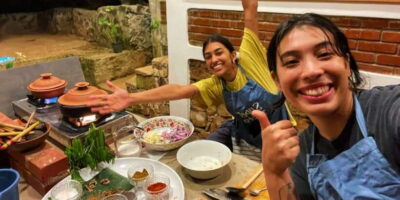
Browse the lists this tour appears in