
Reviewed · COOKING CLASSES
Hands-On Cooking Class in Anuradhapura: Cook Like a Local
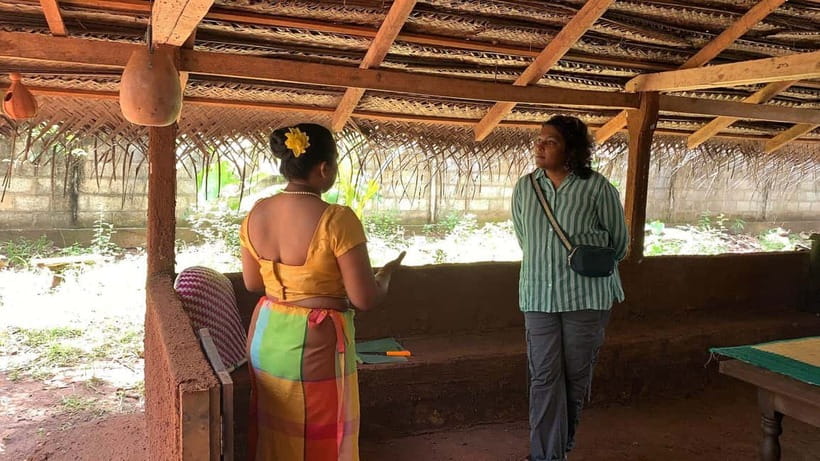
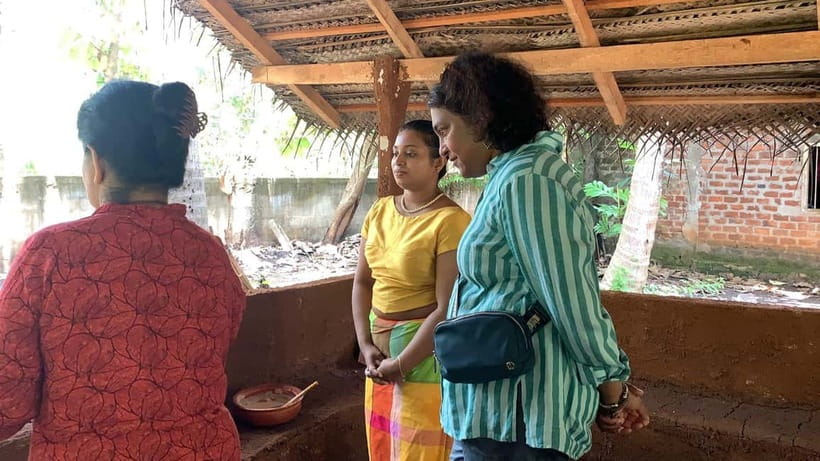
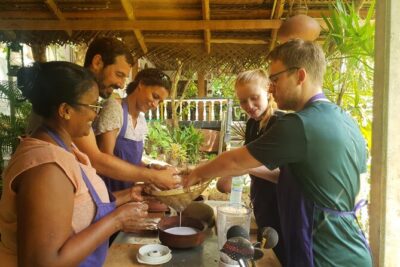
The most memorable part of this Anuradhapura cooking class is not simply the meal. It is the old-fashioned work behind it: grinding spices on a stone, scraping coconut by hand, and cooking in clay pots over a wood fire beneath a coconut-leaf shelter. You get a close look at village cooking rather than a polished restaurant demonstration.
I like the private-group format and the menu, which includes unusual local dishes such as ambarella curry, banana blossom mallum, and lake fish curry. I also like that you handle the tools yourself, from the miris gala spice grinder to the hiramanaya coconut scraper. The main consideration is comfort: mosquito repellent is useful, and a rustic outdoor kitchen may feel warm or smoky compared with an indoor cooking school.
Key points to know before you book
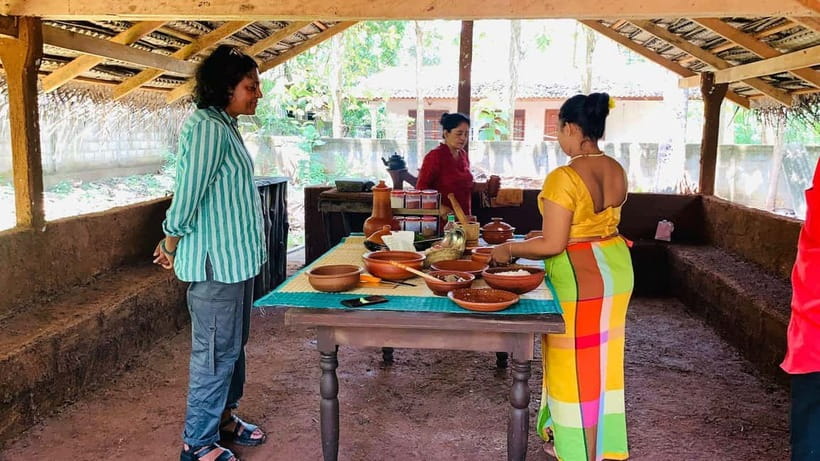
- Cook in a clay kitchen: The class takes place in a traditional village-style kitchen with a coconut-leaf roof.
- Use old household tools: Grind spices on a miris gala and scrape coconut with a hiramanaya.
- Pick a coconut yourself: You get to take part in the journey from coconut palm to finished dish.
- Prepare a full Sri Lankan meal: The menu includes rice, lake fish curry, ambarella, pumpkin, banana blossom, greens, and coconut sambal.
- Finish with local sweets: Fresh curd with treacle and ripe fruit round out the meal.
- Plan for three hours: The activity costs $40 per person, uses English, and is offered as a private group.
A village kitchen beside Anuradhapura’s ancient world
Anuradhapura is famous for its sacred sites and ancient ruins, but food gives you another way to understand the Rajarata area. This class takes you away from the stone monuments and into a working-style village setting, where cooking depends on simple tools, fresh produce, coconut, spices, and firewood.
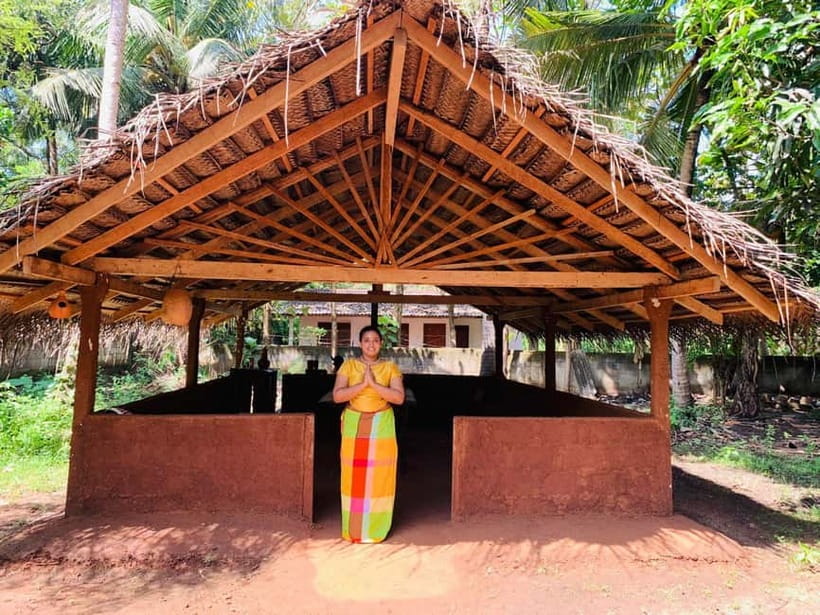
The meeting point is a clay-house kitchen shaded by a traditional coconut-leaf shelter. That setting matters. You are not just watching someone prepare a dish in a modern demonstration kitchen. You are learning how a Sri Lankan household has long turned basic ingredients into a generous meal.
The experience is provided by GK Immersions, and the instruction is in English. The group is private, so you can ask questions and work at your own pace without trying to keep up with a large class. The supplied information does not name the instructor, but the class is built around clear explanations of the ingredients, cooking tools, and preparation methods.
A few more Anuradhapura trips to weigh up
- Ella: Traditional Sri Lankan Cooking Class
★ 4.9 · 788 reviews - Organic cooking class sigiriya (kumara & family)
★ 5.0 · 650 reviews - Kandy Village Cooking Class
★ 5.0 · 536 reviews
Start with the tools, not the table
The first part of the class focuses on the physical skills behind Sri Lankan cooking. This is where the activity earns its hands-on label.
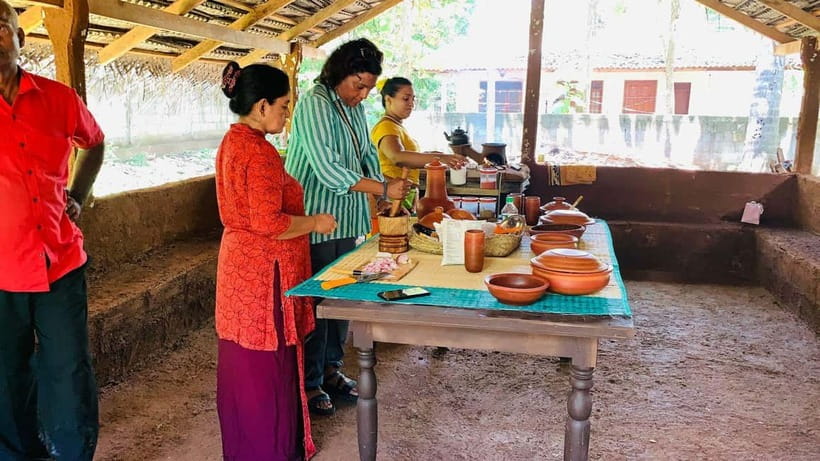
You grind spices on a miris gala, a traditional stone grinder. The action is simple, but it changes how you think about spice. Instead of seeing curry powder as a finished packet, you feel the effort involved in releasing the aroma and combining the ingredients. The smell rises as you work, making this one of the most sensory parts of the class.
Next comes the hiramanaya, a tool used to scrape coconut. Fresh coconut is central to the meal, appearing in sambal, mallum, and curries. Scraping it yourself shows why coconut is more than a garnish in Sri Lankan food. It provides texture, body, sweetness, and richness across several different dishes.
You also get to pick a coconut straight from the tree. This small activity connects the cooking to the garden and the surrounding village setting. It is a fun photo moment, but it also helps explain how close many ingredients remain to the home kitchen.
The traditional tools may take a little getting used to. If you have never used a stone grinder or coconut scraper, your first attempt may be clumsy. That is part of the point. You are learning a practical skill, not performing a staged food presentation.
Cook over firewood in clay pots
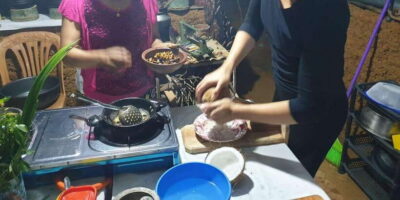
The cooking takes place over a traditional wood-fired stove, with coconut shells used as firewood. That gives the class a different rhythm from cooking on an electric hob. You have to pay attention to heat, timing, and the order in which ingredients go into each pot.
The fire also brings a smoky aroma to the food. That flavor will appeal to anyone who enjoys rustic cooking, though smoke and heat are worth keeping in mind if you are sensitive to either. Wear comfortable clothes and avoid anything you would not want exposed to a little soot or cooking smell.
Clay pots are another important part of the experience. They suit the rural setting and help you see how traditional cooking tools shape the final meal. The class is not only about copying recipes. It shows you how Sri Lankan home cooking depends on tools, fuel, fresh ingredients, and shared work.
You begin with a welcome local drink before moving into preparation. From there, the three-hour session combines explanation, chopping, grinding, stirring, cooking, and eating. The pace should feel more like a cultural activity than a fast recipe lesson.
The menu: seven dishes with different jobs
The menu gives you a broad sample of Sri Lankan home cooking. Rice anchors the meal, while the curries and side dishes bring different textures and levels of spice.
Rice comes first as the foundation. You may prepare yellow rice or white rice, both familiar staples in Sri Lanka. Rice is not an afterthought here. It is the base that balances spicy, sour, creamy, and earthy dishes.
Lake fish curry brings a taste of the Rajarata area. Locally caught lake fish is cooked with spices and coconut milk, creating a dish with a strong savory character and a creamy sauce. It is one of the main dishes and gives the meal a clear connection to the region’s waterways.
Ambarella curry is a good choice for anyone who likes unusual ingredients. Ambarella is a tropical fruit, but here it is prepared as a savory curry. Its tangy flavor adds sharpness to the plate and helps cut through richer coconut-based dishes.
Banana blossom mallum uses the flower of the banana plant. This is an earthy, textured dish that many people will not have encountered at home. It shows how Sri Lankan cooking makes use of parts of a plant that might be discarded elsewhere.
Kathurumurunga mallum offers a lighter side dish made with greens, coconut, and spices. Mallum is a simple preparation, but it adds freshness and nutrition to a plate filled with curries.
Coconut sambal is the fiery counterpoint. Freshly grated coconut is mixed with red chili, lime, and onion. It is easy to underestimate this side dish because the ingredient list is short. In practice, it brings heat, acidity, and bite to the rice.
Pumpkin curry is softer and slightly sweet, with a creamy texture and gentle spice. It gives you a mild option alongside the fish, sambal, and tangy ambarella. This balance is one of the strengths of the menu. You are not eating seven versions of the same curry.
The meal ends with fresh curd and treacle, along with ripe papaya or other ripe fruit listed as part of the sweet finish. The curd and treacle combination is a classic Sri Lankan dessert pairing, with cool, tangy dairy balanced by dark sweetness.
Same island, a completely different kind of day:
- Private City Day Tour in Anuradhapura
★ 5.0 · 383 reviews - Minneriya National Park Elephant Jeep Safari Private Tour
★ 5.0 · 68 reviews - Explore & Ride the history of anuradhapura with Vogel Tours
★ 5.0 · 62 reviews - Minneriya National Park | Private Safari
★ 5.0 · 59 reviews
What makes the class valuable at $40
At $40 per person, this is not the cheapest way to eat lunch in Anuradhapura. You can find a less expensive meal elsewhere. The value here comes from the three-hour experience, the private format, the amount of food prepared, and the access to traditional tools and techniques.
You are paying for more than a cooking demonstration. The fee covers a welcome drink, a full meal, ingredients, instruction, and active participation in each stage. You also get a cultural lesson that is difficult to gain from simply ordering curry at a restaurant.
The menu adds to the value. Fish curry, multiple vegetable preparations, sambal, rice, dessert, and fruit make this a substantial tasting experience. If you are especially interested in food, the unusual ingredients alone make the price easier to justify.
I would see the class as a good use of half a day, especially if you have already spent time visiting Anuradhapura’s archaeological sites. It adds a human and domestic side to a destination often approached through temples and ruins.
Who will enjoy this Anuradhapura activity
This class suits food lovers who want to understand how a meal is made, not simply eat it. It also works well for people who enjoy practical cultural experiences and do not mind getting involved with unfamiliar tools.
Families may appreciate the coconut picking, spice grinding, and hands-on work, though the supplied information does not set a minimum age. Couples and private groups can benefit from the quieter format and the ability to ask the instructor questions in English.
You do not need to be an experienced cook. The purpose is to learn the basic methods and take part in the process. At the same time, a serious home cook may find the tools and ingredients especially rewarding.
This may be less suitable if you want a polished, air-conditioned food school or a short activity with little physical participation. The setting is rustic by design. Expect village charm, wood smoke, and traditional equipment rather than restaurant-style comfort.
The activity is listed as wheelchair accessible. Since all activities take place at the clay-house kitchen, you should still confirm any specific access needs when booking, particularly if you need details about the surface around the kitchen or access to individual tools.
Practical details for a smoother visit
Allow the full three hours. The time includes the welcome drink, preparation, cooking, and the final meal, so it is not a quick class squeezed into a busy morning.
The activity is offered as a private group. That is useful if you prefer personal instruction or are traveling with family and friends. It also means you can focus on the dishes that interest you most and ask about ingredients as you work.
The instructor speaks English. The class is available in the North Central Province, at the GK Immersions clay-house kitchen in the Rajarata area. On Google Maps, search for GK Immersions, Best things to do provider in Anuradhapura, to locate the meeting point.
Bring mosquito repellent. This is the clearest practical tip from the available feedback, and the open village setting makes it sensible even if you usually do not use it. Comfortable clothing is also a good idea because you will be working near a wood fire and handling food for several hours.
Booking offers some useful flexibility. You can reserve now and pay later, and cancellation is free up to 24 hours before the activity for a full refund. Starting times depend on availability, so check the schedule before planning your visits to the ancient city.
The strongest part: instruction tied to culture
The best feature is the way the class links each cooking step to local life. You do not simply receive a list of ingredients and leave with a plate of food. You learn why coconut is scraped fresh, how spices are ground, how a wood fire affects cooking, and how fruit, flowers, greens, and fish become everyday dishes.
The activity also gives you a fuller idea of Sri Lankan food than a single restaurant meal can provide. The menu moves from mild pumpkin to hot sambal, from tangy ambarella to creamy fish curry, and from leafy mallum to sweet curd and treacle.
Clear instruction is especially important in a class built around unfamiliar equipment. The available feedback praises the explanations of which spices and vegetables to use, along with the background, preparation, and tools. That suggests you should expect the instructor to explain the reasons behind the food, not just tell you what to stir.
The only caution is that the experience depends on enjoying the setting as much as the meal. If heat, smoke, insects, or rustic surroundings bother you, the class may feel less comfortable. For most people seeking a traditional village activity, those features are part of what makes it different.
Should you book this cooking class?
Book it if you want a private, hands-on introduction to Sri Lankan village cooking and have three hours to spare in Anuradhapura. The combination of a clay kitchen, stone spice grinder, fresh coconut, wood fire, unusual local vegetables, lake fish, and a full meal gives you plenty for the $40 price.
I would especially recommend it after visiting the ancient sites, when you are ready for an experience centered on present-day local life. Bring mosquito repellent, expect a warm and rustic kitchen, and come ready to work. If you prefer a polished indoor class or only want a quick meal, choose something else.
FAQ
Where does the cooking class take place?
The activity takes place at the GK Immersions clay-house kitchen in Anuradhapura’s Rajarata area. The kitchen is shaded by a traditional coconut-leaf shelter and designed to create a village setting.
How long is the cooking class?
The class lasts three hours. Check availability for the available starting times.
How much does the experience cost?
The price is $40 per person.
Is the class private?
Yes. The activity is offered for a private group.
What language does the instructor speak?
Instruction is provided in English.
What dishes will I prepare?
The menu includes rice, lake fish curry, ambarella curry, kathurumurunga mallum, coconut sambal, pumpkin curry, and banana blossom mallum.
Is dessert included?
Yes. The meal ends with fresh curd and treacle plus ripe fruit, including ripe papaya.
Can I cancel for a full refund?
Yes. You can cancel up to 24 hours in advance for a full refund.
Can I reserve now and pay later?
Yes. You can reserve your place and pay later, keeping your plans flexible.
Just added around Anuradhapura
- Hurulu Eco Park: 3-Hour Morning or Evening Safari★ 4.9 · 11 reviews
- From Trincomalee: Minneriya National Park 4X4 Jeep Safari★ 3.8 · 6 reviews
- From Sigiriya: Hurulu Eco Park Elephant Jeep Safari★ 5.0 · 4 reviews
- From Sigiriya: Minneriya National Park Half-Day Jeep Safari★ 4.6 · 8 reviews
- From Sigiriya : Kaudulla National Park Private Jeep Safari★ 5.0 · 6 reviews
- From Kandy: Anuradhapura Day Trip with Lunch★ 3.2 · 3 reviews
- From Dambulla: Minneriya National Park wild Jeep Safari★ 5.0 · 3 reviews
- From Anuradhapura: Wilpattu National Park Half-Day Safari★ 3.1 · 7 reviews
Cooking Classes, compared.
Organic cooking class sigiriya (kumara & family)
Read our review →
Sri Lankan Cooking Class with Neranji at Homestay
Read our review →
Browse the lists this tour appears in