
Reviewed · COOKING CLASSES
Kandy Budget Cooking Class
Sri Lankan cooking makes sense once you understand the spices, coconut, and slow layering of flavor. At this Kandy class, you do not simply watch a chef work. You choose vegetables, prepare the ingredients, and cook around 10 dishes yourself, often including rice, several curries, sambols, and dessert.
I like the small maximum of 10 people, which gives the session a friendly, hands-on feel. I also like the setting: a rustic kitchen and garden among the trees, with views that turn a practical cooking lesson into a pleasant half-day outing.
The main thing to consider is transport. Pickup is offered, but private transportation is not included, and the meeting point is outside central Kandy at Taxi Kandy AGS Tours Sri Lanka, 47/148 Ogastawaththa. Confirm the pickup details before booking.
Key points at a glance

- Make the meal yourself: You choose vegetables and cook rather than simply watch a demonstration.
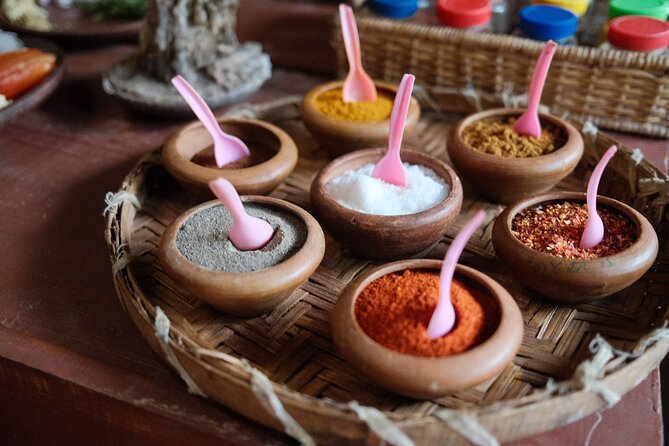
- Learn the spice system: The class begins with an explanation of Sri Lankan spices and how they shape each dish.
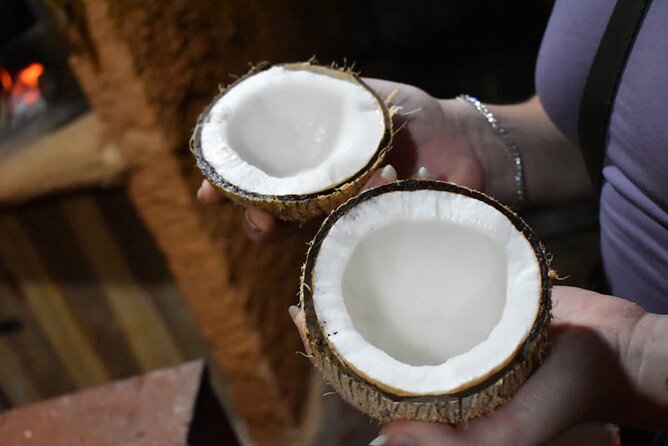
- Prepare coconut milk from scratch: This traditional step gives you a better feel for the work behind Sri Lankan curries.
- Eat a large plant-focused meal: Around eight to 10 dishes may be prepared, with many based on vegetables.
- Enjoy a peaceful garden setting: The cooking space is rustic and functional, with trees and views around it.
- Get recipes to take home: The cooking lesson continues in your own kitchen after the class.
What this Kandy cooking class is really about
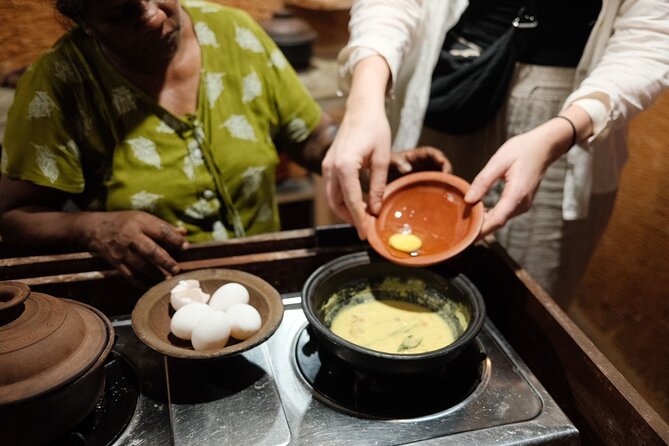
This is a local cooking session rather than a polished culinary school. That distinction matters. You are there to learn traditional household methods, handle ingredients, and share a meal in a family setting.
The class lasts about three and a half hours. That gives you enough time to move from spice talk to preparation, cooking, and eating without making the day feel like a full-day commitment. Some descriptions from the experience point to a longer session of about five hours, so I would confirm the expected finish time if you have a train, temple visit, or other fixed plan afterward.
On arrival, you are welcomed with tea, coffee, or bottled water. The opening is simple, but useful. Sri Lankan food can look like a long list of unfamiliar powders and fresh ingredients, and the spice explanation helps you understand what each one contributes.
You then choose the vegetables you want to cook. This is a nice touch for two reasons. First, you have a say in the meal. Second, it lets you pay attention to the types of produce used in everyday Sri Lankan cooking instead of following a fixed restaurant menu.
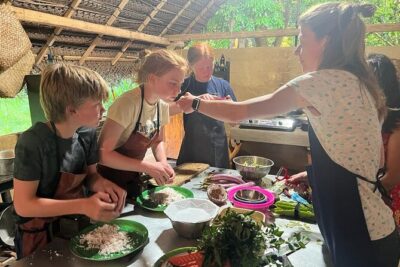
The instructors explain each step, but you do the cooking. Expect guidance rather than a performance. You may chop, season, stir, grind, and prepare the dishes under instruction. The exact menu can vary, but the class is built around a traditional rice-and-curry meal with roughly 10 separate preparations.
A few more Kandy trips to weigh up
- Kandy Village Cooking Class
★ 5.0 · 536 reviews - Private Traditional Sri Lankan Cooking Class in Kandy with Hotel Transfers
★ 5.0 · 115 reviews - Cooking With Village Family
★ 5.0 · 104 reviews
The spice lesson comes first
Sri Lankan food is not about adding one hot sauce at the end. Flavor is built in stages, with spices, onion, chili, coconut, and vegetables working together. The class starts by explaining the spices, giving you a basic map before you reach the stove.
That introduction is one of the most useful parts for anyone who wants to repeat the recipes at home. You can learn the difference between a dish that is simply hot and one that has depth from toasted or blended spices. The cooking methods matter as much as the ingredient list.
This also helps you make sense of the final meal. A rice-and-curry plate may contain several small dishes, each with its own seasoning and texture. The vegetables are not just side items, and the curries are not all variations of the same sauce.
If you do not cook much, do not worry about knowing the spices in advance. The format is designed around explanation and demonstration, followed by your own work.
Choosing vegetables and preparing about 10 dishes
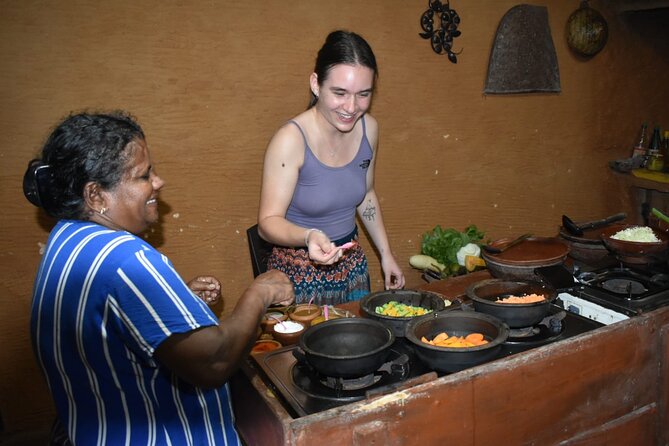
After the spice introduction, you select which vegetables you want to use. The activity description says you can cook around 10 dishes, while one detailed account describes eight dishes plus dessert. In practical terms, expect a generous spread rather than one single curry.
Many of the preparations are plant-based, so this class suits vegetarians particularly well. It also gives meat-free diners a chance to see how Sri Lankan food builds variety without relying on meat as the center of every plate.
The meal may include different vegetable curries, rice, sambols, and a sweet finish. The precise dishes are not fixed in the information provided, so you should not book expecting one named recipe list. That flexibility is part of the local character, but it can be a drawback if you want to master one specific dish above all others.
You will not just receive a recipe card and watch someone else do the work. The point is to take part. The instructors explain how to proceed, then let you cook the dishes yourself with help when needed.
That hands-on format makes the three-and-a-half-hour length worthwhile. You get a sense of timing, texture, and consistency that a short demonstration cannot provide. You also leave with a better idea of how much preparation goes into a Sri Lankan family meal.
Making coconut milk from scratch
One detail makes this class especially useful: you may prepare your own coconut milk. It is easy to think of coconut milk as something that comes from a can, but fresh preparation shows how it fits into traditional cooking.
This step takes extra time, but it connects the meal to household methods rather than restaurant shortcuts. You can see how a basic ingredient becomes part of a curry, and you get a more practical sense of the texture and strength of fresh coconut milk.
The process also helps explain why Sri Lankan curries can taste so different from one another. Coconut may soften spice, add body, or balance a vegetable dish. It is not merely a creamy sauce poured over everything.
If you have food allergies, tell the instructors before cooking begins. The class has been able to accommodate allergies, but you should still communicate clearly at the start. Since you choose vegetables and take part in preparation, early notice is the best way to avoid confusion.
Same island, a completely different kind of day:
- Kandy Private Guided City Tour by Tuk Tuk
★ 4.9 · 1,307 reviews - From Kandy: Sigiriya Rock & Dambulla Cave Temple Adventure
★ 4.9 · 785 reviews - Kandy to Ella Train Tickets – Reserved Seats
★ 4.5 · 523 reviews - From Kandy: Pinnawala Day Tour
★ 4.8 · 331 reviews
A rustic kitchen among the trees
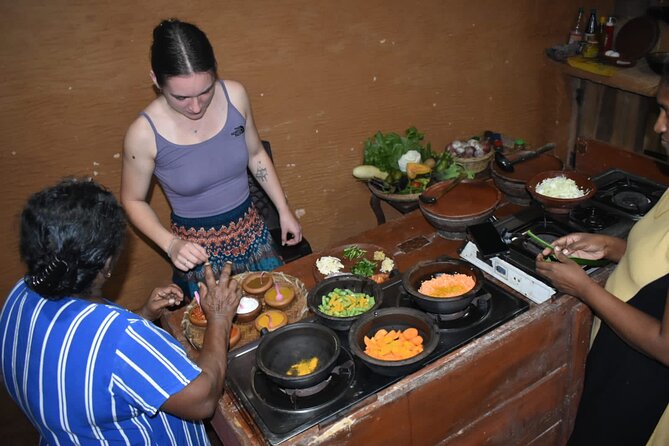
The setting is part of the appeal. The kitchen is described as rustic but functional, with wooden features, a garden, trees, and views around the cooking area. This is not a sleek urban cooking studio with matching counters and restaurant lighting.
For many people, that is exactly the point. You are closer to a family cooking yard, with a peaceful outdoor feel that makes the meal more memorable. The setting gives you a glimpse of how food and daily life can connect in a Sri Lankan home environment.
The tradeoff is that rustic means less polished. Do not expect a highly staged cooking show or a professional demonstration kitchen. The surroundings may be simple, and the experience is likely to feel informal.
I see that as a good match for people who value local contact over presentation. If you want spotless studio surfaces, formal instruction, and a tightly timed menu, this may not be your best choice. If you want a relaxed session with a family feel, the setting should suit you.
The meal at the end

The reward is the meal you have helped prepare. Lunch and dinner are listed among the inclusions, along with tea or coffee and bottled water. Since the session lasts roughly three and a half hours, confirm which meal timing applies to your booking.
The food is served after the cooking is finished, giving you a chance to taste the results as a complete spread. This is where the separate tasks make sense. A single curry can be good, but several vegetable dishes with rice, sambols, and dessert show the range of Sri Lankan home cooking.
Portion size is likely to be generous. The class is built around a full meal, not a few sample bites. Plan your schedule accordingly, especially if you have a late dinner reservation afterward.
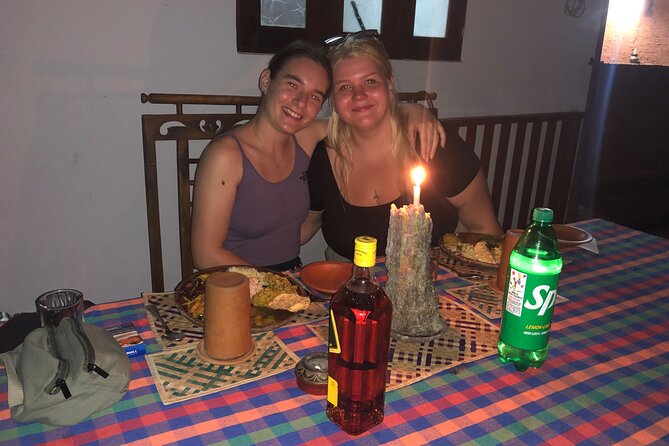
The shared meal also gives the class a social side. With a maximum of 10 people, the group is small enough for questions and conversation without feeling like a large tour. The warm, family-style atmosphere is one of the strongest reasons to choose this experience.
What the $30 price includes
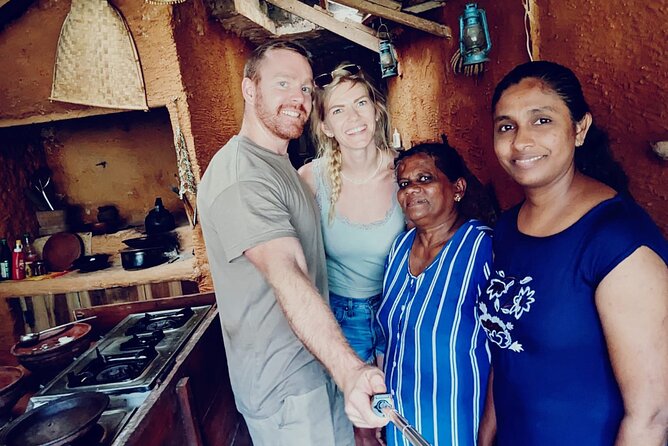
At $30 per person, the value is good if you plan to use what you learn. You are paying for about three and a half hours of instruction, ingredients, a substantial meal, drinks, and recipes to take home.
The price includes:
- Lunch
- Dinner
- Coffee or tea
- Bottled water
- Cooking instruction
- Recipes
The inclusion of both lunch and dinner is unusual wording for a session of this length, so I would confirm exactly what is served at your chosen time. Still, the package covers the main costs you would expect from a food activity.
You are also getting more than a meal. The lesson on spices, the chance to choose vegetables, and the preparation of coconut milk add educational value. If you return home and make even one or two dishes successfully, the class becomes a useful souvenir rather than a one-time meal.
The price does not include alcoholic drinks. It also does not include an air-conditioned vehicle or private transportation. Pickup is offered, but the transport terms should be checked before you assume a hotel transfer is included.
Getting there and planning your time
The stated meeting point is Taxi Kandy AGS Tours Sri Lanka at 47/148, Ogastawaththa, Kandy 20000. The activity ends back at the meeting point.
Pickup is available, and one pickup arrangement included a return to accommodation outside Kandy. That suggests the provider may be able to help with transfers, but the listing also says private transportation is not included. Ask where pickup can happen, what it costs if anything, and where you will be dropped off.
This matters because Kandy roads can make a short distance take longer than expected. Give yourself space before and after the class. Do not place a major ticketed activity immediately afterward unless your transport plan is clear.
The confirmation arrives at booking, and the group can hold up to 10 people. That small capacity is a reason to reserve ahead if your dates in Kandy are limited.
Free cancellation is available if you cancel at least 24 hours before the start time. Changes or cancellations inside that window are not accepted for a refund.
Who should book this experience
I would choose this class if you want food to be your main connection with local life in Kandy. It suits curious eaters, vegetarians, families, couples, and anyone who likes to learn by doing.
It is also a strong choice for people who want a slower activity away from the usual sightseeing circuit. The garden setting, home-style cooking, and shared meal give you a different view of Kandy than a temple or viewpoint alone.
Families should note the hands-on format. Children who enjoy helping with food may have a good time, but the experience is not described as a special children’s program. Ask the provider about age suitability if that matters for your group.
You should think twice if you want a fixed menu, a short demonstration, or luxury transport. The class is informal, the setting is rustic, and the exact dishes may change according to the vegetables available and your choices.
Practical tips before you go
Tell the provider about allergies and dietary needs before the class begins. The cooking is interactive, so the instructors need to know what you cannot eat before ingredients are selected.
Wear clothing you do not mind cooking in. The activity involves preparing several dishes, and a family kitchen is not the place for formal clothes.
Keep your schedule open for the full session and transport time. The advertised duration is approximate, and some descriptions indicate a longer class on certain occasions.
Ask about pickup when you book. Do not assume that pickup means private transportation is automatically included, since the details specifically exclude private transport.
Bring a way to save the recipes. The recipes are provided, but keeping them organized will help when you try to recreate the meal later.
Should you book Kandy Budget Cooking Class?
Book it if you want a warm, practical introduction to Sri Lankan food for $30, especially if you enjoy vegetables, fresh coconut, and cooking with your own hands. The small group, family atmosphere, spice lesson, garden setting, and full meal give the experience more substance than a quick tourist demonstration.
I would skip it if you need polished facilities, a guaranteed list of dishes, or fully included private transport. For most food-minded visitors, though, this is a useful and fairly priced way to spend part of a day in Kandy. Confirm the pickup plan and meal timing, then arrive ready to chop, stir, taste, and eat what you make.
FAQ
How long does the Kandy Budget Cooking Class last?
The advertised duration is approximately three hours and 30 minutes. Some descriptions refer to a longer session of about five hours, so confirm the expected timing when you book.
Where does the activity start and end?
The meeting point is Taxi Kandy AGS Tours Sri Lanka, 47/148, Ogastawaththa, Kandy 20000, Sri Lanka. The activity ends back at the meeting point.
Is pickup available?
Pickup is offered. Private transportation is not included, so confirm the pickup area and transport arrangement before booking.
How many people can join the class?
The maximum group size is 10 travelers.
What food and drinks are included?
Lunch, dinner, coffee or tea, and bottled water are included. Alcoholic beverages are not included.
Can I cancel for a refund?
Yes. You can cancel for a full refund up to 24 hours before the experience start time. Cancellations or changes made less than 24 hours in advance are not accepted for a refund.
Just added around Kandy
- Udawalawe National Park Private Full-Day Safari★ 5.0 · 3 reviews
- Kandy City Tour & Famous Ambuluwawa Tower with Friendly Chauffeur★ 5.0 · 11 reviews
- White Water Rafting Kitulgala★ 4.5 · 4 reviews
- From Kandy to Nuwara Eliya Day Tour★ 5.0 · 21 reviews
- Wasgamuwa National Park Safari from Kandy★ 5.0 · 3 reviews
- Tour to the Hidden Waterfalls around Kandy (Knuckles Range)★ 5.0 · 6 reviews
- Train tickets from Kandy to Nuwara Eliya or Hatton Station★ 3.0 · 4 reviews
- Sri Lanka 4 Day Private Tour★ 5.0 · 6 reviews
Cooking Classes, compared.
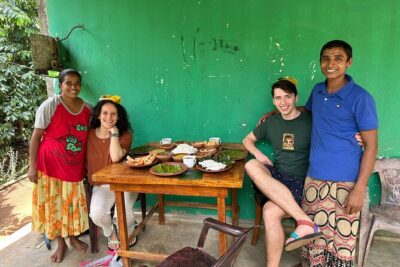
Organic cooking class sigiriya (kumara & family)
Read our review →
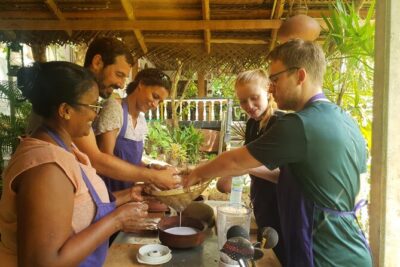
Sri Lankan Cooking Class with Neranji at Homestay
Read our review →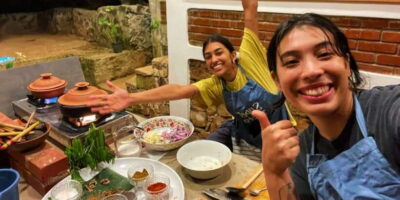
Browse the lists this tour appears in