
Reviewed · COOKING CLASSES
Kandy Cooking Class with Granny
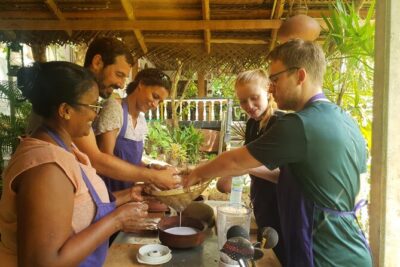
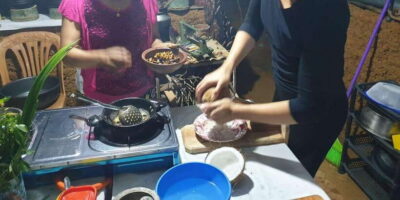
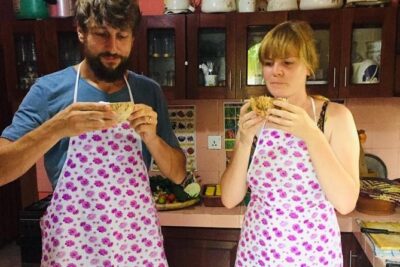
Sri Lankan cooking becomes far more memorable when you leave the city, enter a family home, and help prepare the meal yourself. Granny Nandy teaches in a traditional village kitchen, with hands-on work rather than a polished demonstration behind glass. I love the chance to cook seven or more dishes and the personal touch of learning in a real home.
I also like the optional market stop, where you may meet Nandy’s grandson, see unfamiliar vegetables, and taste local fruit before cooking. The main drawback is transport: pickup from Kandy is included, but you must arrange and pay for the return, and one past participant found the quoted ride home much more expensive than a PickMe car.
Key points to know
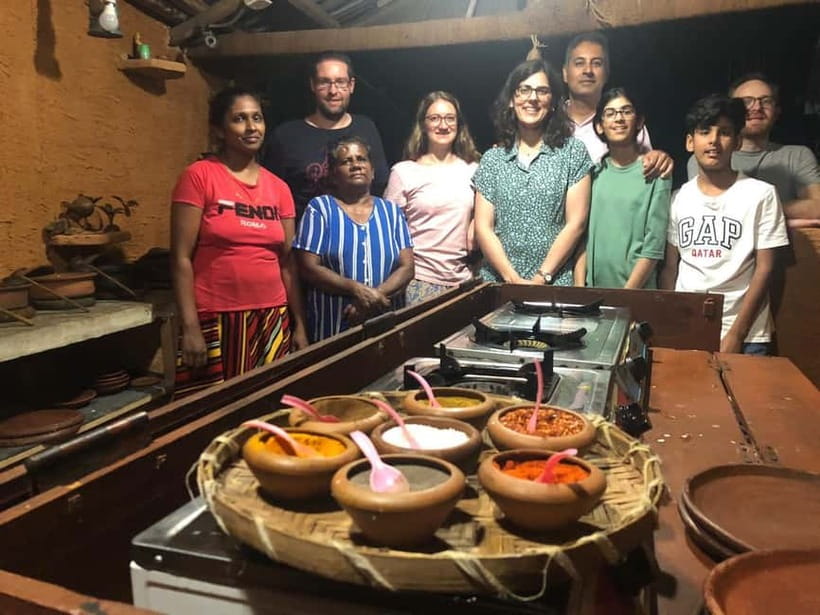
- A village kitchen outside Kandy: The class takes place about 6.5 km from the city, in a quiet residential area rather than a concrete cooking school.
- Granny Nandy leads the lesson: She and her assistants explain spices, coconut milk, vegetables, and cooking methods in English.
- A serious amount of food: Expect rice, coconut sambol, papadam, dessert, and several vegetable curries, with chicken, fish, or egg available.
- Market ingredients may begin the experience: Some arrangements include a local market visit, fruit tasting, and a tuk-tuk ride to the family home.
- Pickup is included, return is not: Collection is available from Kandy and within 3 km of the city, but the ride back costs extra.
- Private and flexible: You cook in a private group, and vegan food can be arranged.
Leaving Kandy for a family kitchen
The class begins with pickup from Kandy or from a location within roughly 3 km of the city. The cooking house is about 6.5 km away, up in a quieter village setting. Several participants describe the tuk-tuk ride as part of the fun, with the trip taking about 20 minutes depending on traffic and the exact hotel.
This short ride matters. Kandy can feel crowded and noisy, while the class location offers a calmer, more homely setting. You are not being led into a purpose-built tourist kitchen. You are going to a family house where cooking is part of everyday life.
The setting is one of the strongest reasons to choose this class. You might cook among greenery and forested hills, with the kind of peaceful surroundings that make a three-hour lesson feel less like a scheduled activity and more like an afternoon or evening spent with a local family.
The venue is not suitable for wheelchair users. You should also expect a village home rather than a restaurant or formal school, so anyone looking for commercial kitchen equipment and a highly polished classroom may prefer another type of lesson.
A few more Kandy trips to weigh up
- Kandy Village Cooking Class
★ 5.0 · 536 reviews - Private Traditional Sri Lankan Cooking Class in Kandy with Hotel Transfers
★ 5.0 · 115 reviews - Cooking With Village Family
★ 5.0 · 104 reviews
The market stop and tasting local produce
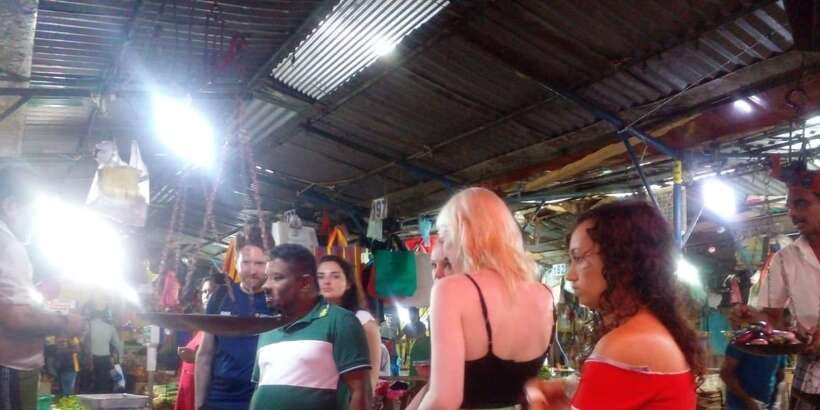
A market visit is included in some arrangements before the cooking begins. The driver or family member takes you through a local market, explains the vegetables, and helps select ingredients for the meal.
This is a useful part of the experience because Sri Lankan curries depend heavily on the produce. A vegetable that looks familiar may have a different texture or cooking time, while some ingredients may be completely new to you. Seeing them before they reach the cooking pot gives you a better sense of how local meals are built.
You may also get to taste fruit such as several kinds of bananas, mango, and passionfruit. That small tasting session adds something a cookbook cannot. It connects the food on your plate with the markets and farms around Kandy.
I would confirm the market stop when booking, since the core description focuses on the cooking lesson and does not promise a market visit for every session. If it is available, arrive ready to look, ask questions, and choose vegetables rather than rushing through it as a simple shopping errand.
The ride from the market to the house may be by tuk-tuk. That can be a practical way to reach the village, but it also means you should travel light and expect a less formal transfer than a private car.
Learning spices before the cooking starts
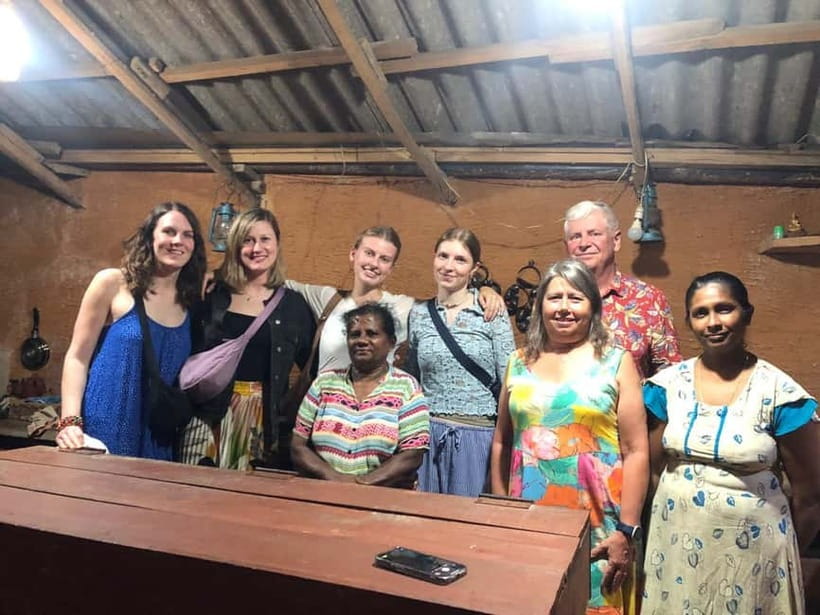
At the house, Granny Nandy welcomes you with tea before explaining the basic building blocks of Sri Lankan food. The lesson covers local spices, coconut milk, and the way vegetables are prepared for curry.
The coconut milk lesson is particularly useful. Coconut is not just a garnish in Sri Lankan food. It helps form the body of many curries, and learning how it is prepared gives you a technique you can repeat at home.
You are not expected to sit quietly and watch. Nandy explains each stage, then gives you work to do. You might chop vegetables, prepare spices, stir a curry, or help with several dishes as they come together. The class is designed for people with different cooking abilities, and even beginners can take part with guidance.
The English instruction is practical rather than academic. You learn by following the process, watching the texture and color of the food, and asking questions as you go. If you already cook often, you may still find value in seeing how familiar ingredients are handled in a Sri Lankan kitchen.
Seven curries, rice, sambol, and dessert
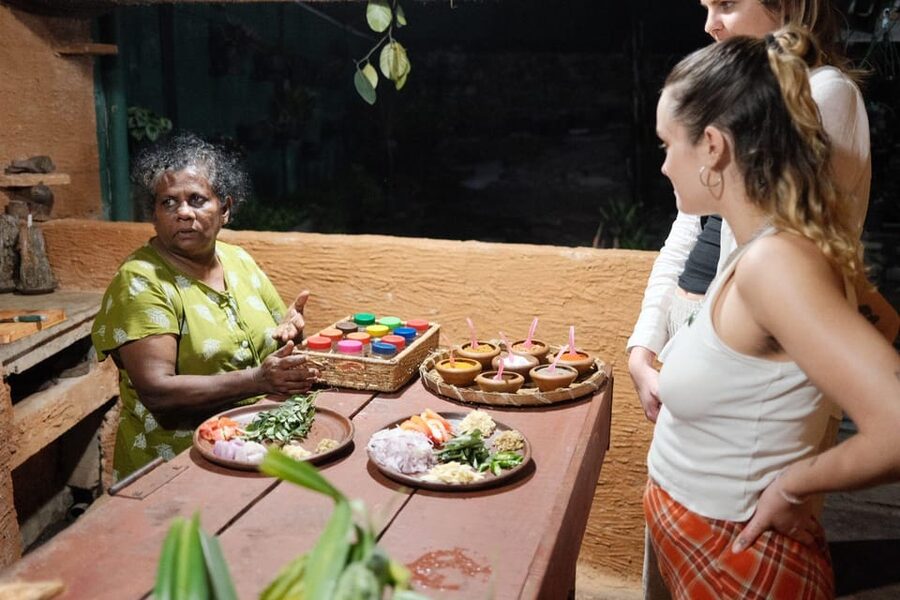
The menu changes by day, reflecting different Sri Lankan food traditions. The exact dishes are not fixed, but the stated meal usually includes:
- Rice
- Several vegetable curries, often seven or more dishes in total
- Fish or chicken curry, if requested
- Coconut sambol
- Papadam
- One traditional Sri Lankan sweet
- Egg curry as an available addition
The vegetables are a major part of the meal. One session may include five vegetable curries, dhal, a chicken curry, egg curry, rice, papadam, and a special curry normally prepared for larger celebrations. Another may focus on different seasonal vegetables.
This variety is where the class earns its price. You are not learning one curry and then eating a small sample. You help prepare a complete Sri Lankan spread, with different colors, textures, spice levels, and uses for coconut.
The meal is also adaptable. Vegan food can be prepared, and you can include egg, chicken, or fish if you want them. Tell the host your preference before cooking begins so the menu can be planned properly. Gluten-free needs have also been accommodated in at least one booking, but you should still state any allergy clearly in advance.
The quantity can be surprising. Several people found themselves cooking eight or more items in an evening and leaving very full. That is a plus if you want a substantial meal, but it may feel fast if your main goal is to master every recipe in detail.
Same island, a completely different kind of day:
- Kandy Private Guided City Tour by Tuk Tuk
★ 4.9 · 1,307 reviews - From Kandy: Sigiriya Rock & Dambulla Cave Temple Adventure
★ 4.9 · 785 reviews - Kandy to Ella Train Tickets – Reserved Seats
★ 4.5 · 523 reviews - From Kandy: Pinnawala Day Tour
★ 4.8 · 331 reviews
How hands-on is the 3.5-hour class?
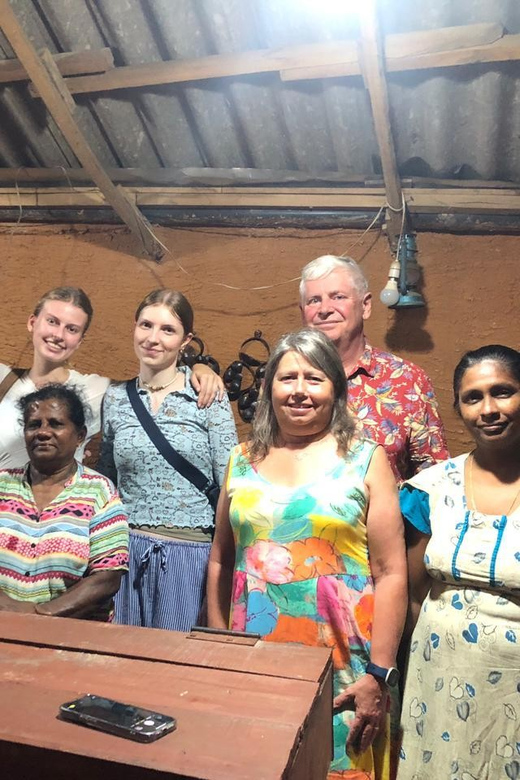
The normal schedule lasts 3.5 hours, although the lesson may run closer to three or four hours depending on the group and how quickly the cooking moves. You can choose a lunch class from 9:00 a.m. to 12:30 p.m., a midday class from 1:00 p.m. to 4:30 p.m., or a dinner class from 5:00 p.m. to 8:30 p.m.
The dinner session is a natural fit if you spend the morning visiting Kandy’s sights. The midday option works well if you prefer to eat your main meal earlier and still have the evening free. The lunch class gives you a useful daytime activity and may make it easier to see the surrounding village on the way there.
The group is private, which helps keep the lesson personal. Small groups have received plenty of direct instruction, and couples have sometimes had the house and cooking area almost to themselves. A private booking also makes it easier to request vegan food or ask for extra help with a particular technique.
You should not expect a strict professional-school format. The class has a family feel, and the pace may depend on the number of people cooking and their experience. That is part of its charm, but it also means the session may feel less exact than a demonstration where every minute is planned.
A meal that explains Sri Lankan food
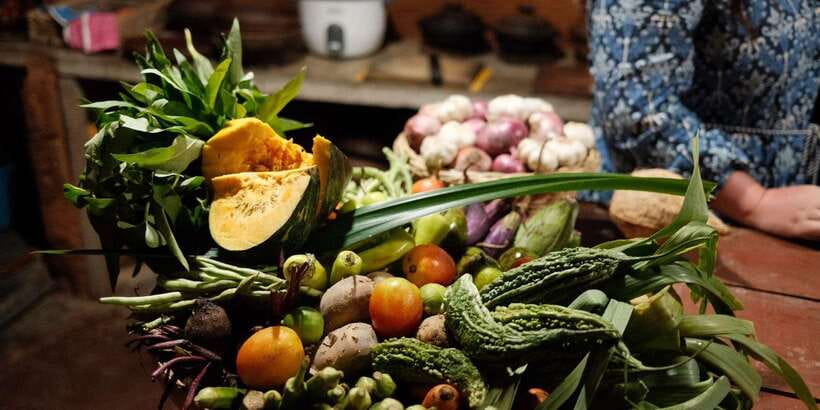
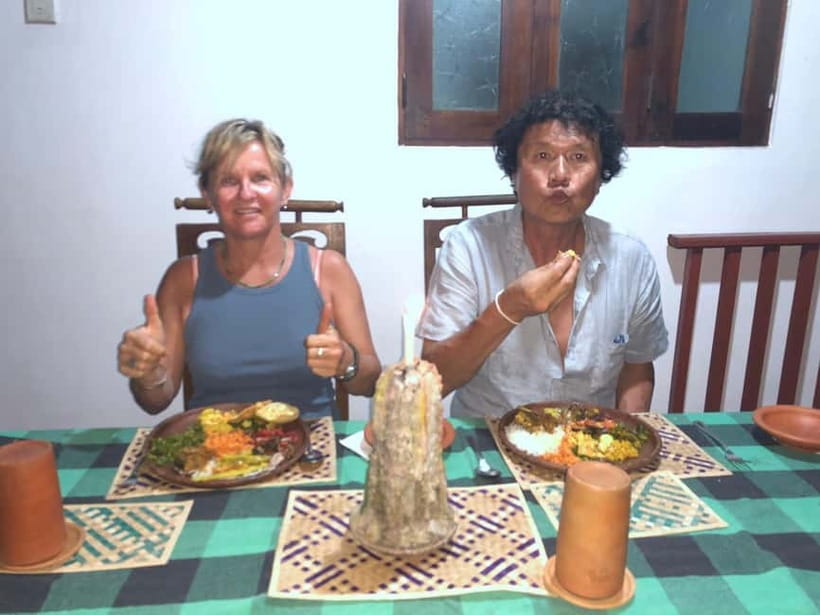
The final meal is not an afterthought. Once the dishes are ready, you eat the food you helped make, with rice, curries, sambol, papadam, and dessert spread out together.
Sri Lankan food makes more sense when tasted as a collection of side dishes rather than one main course. A mild vegetable curry balances a sharper sambol. Dhal adds softness, while papadam brings crunch. Several curries may use similar spices but produce very different results because of the vegetables and coconut.
I like this format because you can connect each plate to a step you remember. If a curry tastes smoky, hot, creamy, or slightly sweet, you have seen how those flavors were built. That makes it easier to recreate the dishes at home than simply eating at a restaurant and trying to guess the ingredients.
The meal is also generous. You should plan to arrive hungry, particularly for an evening class. If you have dietary restrictions, communicate them before the menu is finalized rather than waiting until the food is on the table.
Recipes and the useful takeaway
After the class, you can receive photos of the recipes you cooked. This is an important benefit. Sri Lankan cooking uses many ingredients and several curries may be prepared at once, so remembering every amount and step from memory would be difficult.
Recipe photos are not the same as a professionally edited cookbook. Still, they give you a practical record of the dishes and make it possible to attempt them at home. I would take your own notes as well, especially about how much coconut milk, spice, or water was added and how the food looked at each stage.
The class teaches methods, not just dishes. You learn how spices are used, how coconut milk is made, how vegetables are cooked, and how a full meal is coordinated. Those lessons are more useful than a single fixed recipe because you can apply them to ingredients available in your own kitchen.
What the $25 price really covers
At $25 per person, this is good value if you want more than a meal. The price covers the 3.5-hour class, the ingredients, instruction in English, the food you prepare, and pickup from Kandy to the house.
You are also paying for the setting and the personal contact. The experience takes place in a family home, with Granny Nandy and her helpers explaining their food traditions. That is a different product from a restaurant meal or a short cooking demonstration.
The main extra cost is the return journey. You must pay for transport back to Kandy, and the provider can arrange it if needed. Ask for the price before accepting the ride. One person found the quoted return fare was three times the cost of a PickMe ride, so checking the fare and comparing it with an available app-based option is sensible.
The pickup area is limited. Collection is offered from Kandy and within 3 km of the city, while the house is outside the city in a village about 6.5 km away. If your hotel is farther out, confirm the pickup point rather than assuming collection is included.
Free cancellation is available up to 24 hours before the class, and you can reserve while paying later. Those terms help if your Kandy plans depend on weather or changing transport.
Who will enjoy this class most?
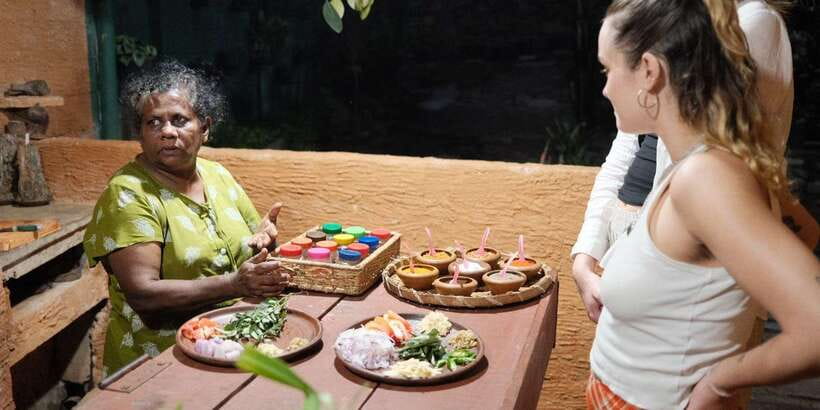
I would choose this experience if you want to meet a local family, cook a full meal, and learn techniques you can use after Sri Lanka. It suits couples, solo visitors, families, and small private groups, especially people who prefer a home kitchen to a formal cooking studio.
It is also a good choice for vegetarians and vegans, since the class can focus on vegetable dishes. Meat, fish, or egg can be added for people who want a broader menu.
The class may be less suitable if you need wheelchair access, dislike tuk-tuk travel, or want an exact menu confirmed months ahead. Menus vary by day, and the rural home setting is central to the experience.
If you are not confident in the kitchen, do not worry about being judged. The lesson is guided step by step. If you are already an experienced cook, treat it as a chance to learn local habits and ingredients rather than a technical master class.
Should you book Granny Nandy’s cooking class?
Book it if you want a warm, hands-on food experience with a real family setting. The strongest features are the village location, the large spread of curries, the chance to work with unfamiliar vegetables, and Nandy’s friendly teaching style.
Before paying, confirm three things: your dietary needs, whether the market visit is part of your session, and the cost of the return ride. With those details clear, the $25 price is easy to justify for a substantial meal, practical instruction, transport to the house, and recipes to take home.
I would make this one of my first choices in Kandy for anyone who believes food is one of the best ways to understand daily life in Sri Lanka.
FAQ
How long does the Kandy cooking class last?
The class lasts about 3.5 hours. The listed sessions run from 9:00 a.m. to 12:30 p.m., 1:00 p.m. to 4:30 p.m., or 5:00 p.m. to 8:30 p.m.
Where does the cooking class take place?
It takes place in a family house in a village about 6.5 km outside Kandy, in a quiet residential area rather than in the city center.
Is hotel pickup included?
Pickup is included from Kandy and locations within about 3 km of Kandy. The return journey is not included and must be arranged and paid for separately.
Is transport back to Kandy available?
Yes. The provider can arrange the return transport, but you must pay for it. Confirm the price before taking the ride.
What food will I cook?
The meal includes rice, several vegetable curries, coconut sambol, papadam, and one traditional Sri Lankan sweet. Fish, chicken, or egg can be included, depending on your preference and the menu.
Can I request vegan food?
Yes. Vegan food is available. You can also request egg, chicken, or fish if you want those included.
Is the class suitable for beginners?
Yes. The chef explains how to use the spices and prepare each dish, then guides you while you cook. The length of the lesson can vary depending on the group’s cooking pace.
Is the class taught in English?
Yes. English instruction is available.
Is the cooking class wheelchair accessible?
No. The experience is not suitable for wheelchair users.
Just added around Kandy
- Udawalawe National Park Private Full-Day Safari★ 5.0 · 3 reviews
- Kandy City Tour & Famous Ambuluwawa Tower with Friendly Chauffeur★ 5.0 · 11 reviews
- White Water Rafting Kitulgala★ 4.5 · 4 reviews
- From Kandy to Nuwara Eliya Day Tour★ 5.0 · 21 reviews
- Wasgamuwa National Park Safari from Kandy★ 5.0 · 3 reviews
- Tour to the Hidden Waterfalls around Kandy (Knuckles Range)★ 5.0 · 6 reviews
- Train tickets from Kandy to Nuwara Eliya or Hatton Station★ 3.0 · 4 reviews
- Sri Lanka 4 Day Private Tour★ 5.0 · 6 reviews
Cooking Classes, compared.
Organic cooking class sigiriya (kumara & family)
Read our review →
Sri Lankan Cooking Class with Neranji at Homestay
Read our review →
Browse the lists this tour appears in