
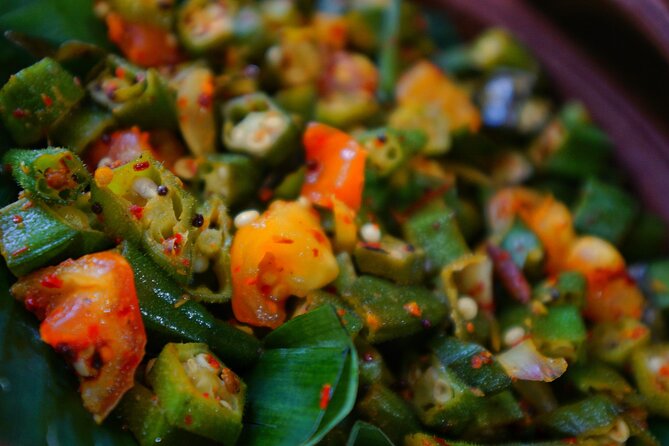
Reviewed · SIGIRIYA ROCK FORTRESS TOURS
Organic Cooking Class Sigiriya TASTY TASKS
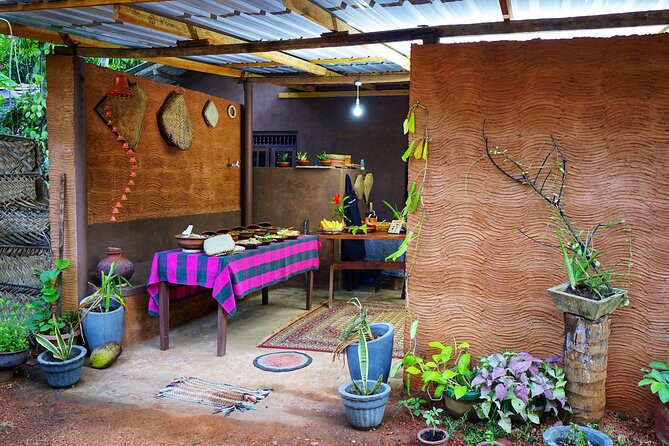
The best part of TASTY TASKS is that you do not just watch a chef cook. You pick fresh ingredients, grind into Sri Lankan flavors, and prepare a full meal in a local home near Sigiriya. Clay pots, coconut spoons, and a firewood stove give the class a village feel that a polished restaurant kitchen cannot match.
I like the warm, family-friendly setup, especially for children who want to take part rather than sit quietly. I also like the generous menu: you may prepare around ten dishes, from red lentil curry and coconut sambol to eggplant pickle, flatbread, and a sweet jaggery snack. The main consideration is practical: pickup is free only from nearby places, and cooking over a firewood stove may feel hot and rustic.
Key points to know before booking
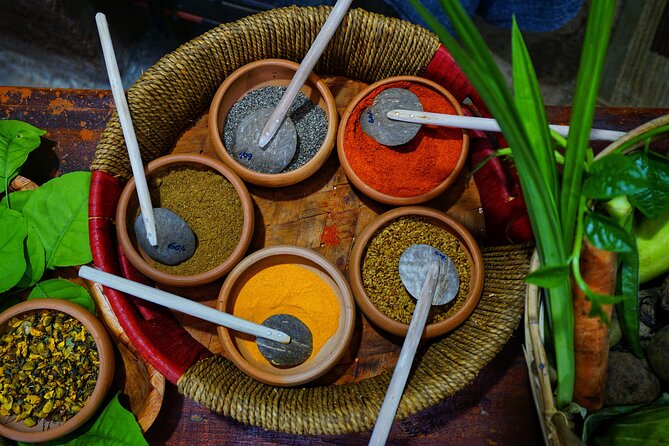
- A full meal, not a short demonstration: You help prepare several Sri Lankan dishes and eat the finished food at the end.
- Fresh local ingredients: The class includes garden produce, spices, coconut, lentils, eggplant, mango or jackfruit, rice, and other ingredients.
- Traditional cooking methods: Expect clay pots, coconut spoons, and a firewood stove instead of modern cooking equipment.
- Vegetarian and vegan-friendly: The meal is designed around plant-based Sri Lankan dishes.
- Good for families: Children can take part, and the maximum group size is 15 people.
- Three daily time slots: Choose 7:00 AM to 10:00 AM, 11:00 AM to 2:00 PM, or 3:30 PM to 6:30 PM.
Starting with belimal tea in Kimbissa
TASTY TASKS COOKING CLASS is at 186/A 1 Pothana, Kimbissa, Sri Lanka, a short distance from Sigiriya. The class lasts about three hours and ends where it begins.
You start with a local herbal drink such as Belimal with Hakuru. Belimal is made from dried belimal flower, while Hakuru is natural palm sugar. This is a small but useful introduction to Sri Lankan tastes: lightly herbal, gently sweet, and quite different from the tea and coffee most visitors expect at the start of a cooking lesson.
The opening also introduces the spices and ingredients used in everyday Sri Lankan cooking. Turmeric, moringa, and cinnamon are discussed not only for flavor but also for their traditional health uses. You will get more from this part if you ask questions about how the spices are combined, since Sri Lankan cooking often depends on balance rather than one dominant seasoning.
The setting matters here. This is presented as a local-home experience, not a hotel cooking studio. That means you should expect a more personal atmosphere, though it may also feel less polished and structured than a professional culinary school.
More Sigiriya Rock Fortress Tours in Sigiriya
- From Colombo: Sigiriya and Dambulla Day Trip with Safari
★ 4.7 · 842 reviews - Organic cooking class sigiriya (kumara & family)
★ 5.0 · 650 reviews - From Sigiriya: Minneriya National Park Private Jeep Safari
★ 4.9 · 415 reviews
From garden ingredients to a Sri Lankan kitchen

A major strength of the class is the link between the garden and the meal. Instead of receiving anonymous ingredients from a sealed package, you may pick fresh produce directly from the garden before cooking.
That simple step helps explain how Sri Lankan food is built. Coconut, eggplant, mango, jackfruit, herbs, lentils, and spices are not just recipe items. They are part of the everyday food culture of the island, and their freshness affects both the texture and the taste.
You take part in the preparation rather than leaving the work to the host. Depending on the menu, that can include washing, cutting, mixing, seasoning, grinding, shaping, and cooking. The exact dishes may change, but the class lists several likely recipes, so you have a good idea of the style of meal to expect.
The kitchen tools are part of the lesson. Clay pots distribute heat differently from metal pans, and coconut spoons connect the cooking to local household methods. The firewood stove adds another layer. It is authentic and memorable, but it can also be smoky, warm, and slower to control than a gas or electric burner.
If you prefer a cool, highly organized cooking school, this may feel basic. If you want to understand how food is prepared in a village setting, that simplicity is the point.
The curry course: parippu, jackfruit, and mango
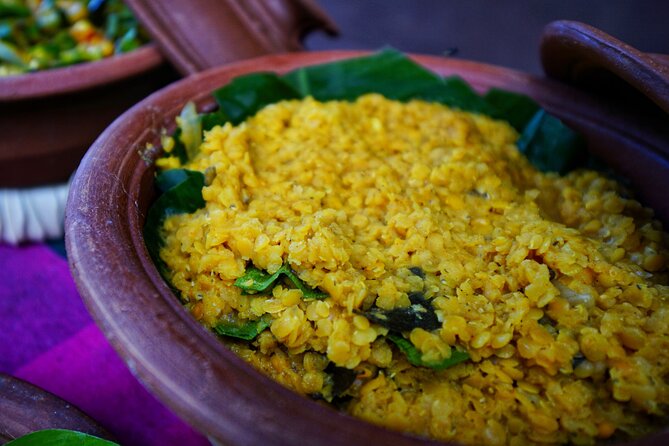
The core of the meal is the curry selection. Parippu, or red lentil curry, is one of the most useful dishes to learn because lentils are inexpensive, filling, and common in Sri Lankan home cooking.
You may also prepare a jackfruit or mango curry. These show how the same broad curry tradition can handle different ingredients. Jackfruit provides a substantial, hearty texture, while mango brings a sharper fruit note. The recipe offered may depend on availability, so you should not book expecting both.
The cooking process gives you a chance to see how coconut, turmeric, cinnamon, and other spices work together. Sri Lankan curry is not one fixed flavor. It can be creamy, hot, sweet, sour, earthy, or gently spiced depending on the produce and the cook.
The class is especially useful for anyone who has eaten Sri Lankan food but cannot work out how the flavors are built. You learn by handling the ingredients and seeing them change in the pot, not by copying a printed recipe alone.
Coconut, eggplant, and flatbread
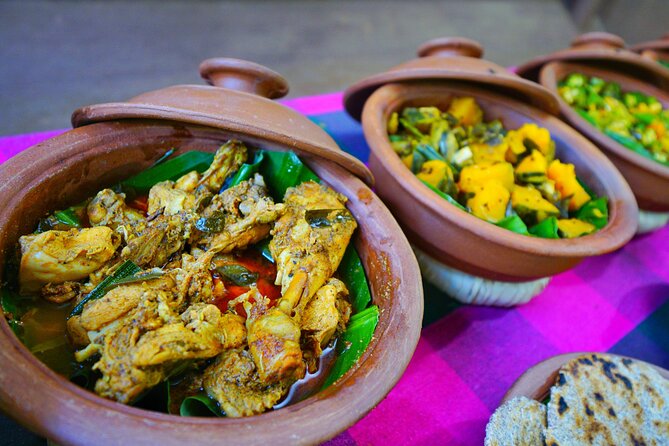
The side dishes keep the meal from becoming a table of identical curries. Pol sambol, a coconut salad, brings fresh coconut and a sharper, more lively taste. It is a good example of how Sri Lankan meals use texture and contrast alongside spice.
Brinjal moju is another likely dish. This spicy-sweet eggplant pickle is a stronger flavor, with soft eggplant balanced by sweet and sour notes. It may appeal to you if you like bold pickles and relishes. If you prefer mild food, ask how much heat will be added before the dish is finished.
Pol roti is a coconut flatbread, and preparing it gives the class a hands-on change of pace. Unlike stirring a curry, making flatbread involves shaping the dough and paying attention to texture. It is one of the dishes children can often enjoy helping with, though the available information does not specify a separate children’s menu.
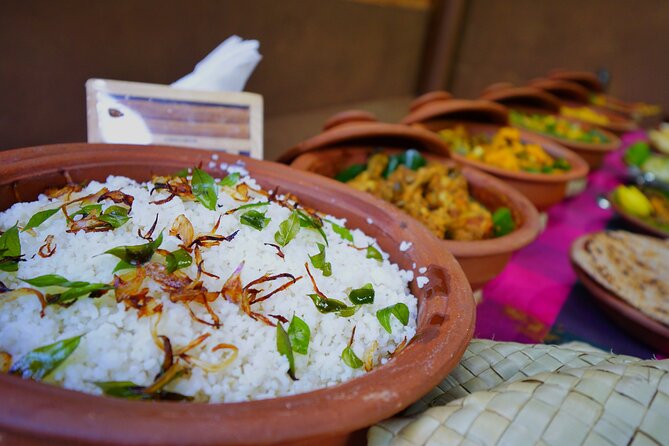
A meal with sambol, pickle, flatbread, lentil curry, vegetable curry, and rice gives you a better sense of Sri Lankan dining than a single curry would. The food is served with several accompaniments, so you can combine different tastes in each bite.
Same island, a completely different kind of day:
- From Sigiriya: Minneriya National Park Elephant Safari
★ 4.8 · 365 reviews - Private Jeep Safari at Minneriya National Park to Visit Elephants
★ 5.0 · 338 reviews - Minneriya National Park halfday Safari
★ 5.0 · 293 reviews - Sajee’s Place Cooking Class
★ 5.0 · 237 reviews
Halapa and the final shared meal
Halapa is a sweet snack made with jaggery and kurakkan leaf. It offers a look at the sweeter side of Sri Lankan cooking and rounds out the class with something different from the savory dishes.
The full meal may also include steamed rice and other traditional accompaniments. The number of dishes is not fixed in the information provided, but the menu can be extensive. Some participants have prepared close to ten dishes, and the portions are described as very generous.
That is important when judging the $38 price. You are not paying for one small tasting plate. The fee covers the ingredients, cooking equipment, bottled water, instruction, and the full meal you prepare. For a three-hour activity with substantial food, the price is reasonable, especially if you value participation and cultural context more than a simple restaurant lunch.
Still, you should not compare it only with the cost of eating in Sri Lanka. Local meals can be inexpensive. The added value here is the time with the hosts, the access to the kitchen, the explanation of ingredients, and the chance to repeat some of the methods at home.
The meal is vegetarian and vegan-friendly, which makes the class easy to recommend to plant-based eaters. If you have other dietary restrictions, the supplied information does not explain how they are handled, so ask before booking.
A welcoming class for families and small groups
The class can take up to 15 people. That is small enough to feel more personal than a large group demonstration, though your experience will depend on how many people are booked for your time slot.
The family angle is one of the strongest reasons to choose it. Children have been included successfully, and the hands-on format gives them simple jobs during preparation. Families should remember that cooking with a firewood stove is a real kitchen activity, not a staged craft session. Young children will need close supervision around heat, knives, and hot pots.
Couples, solo visitors, and friends can also fit comfortably into the format. You do not need advanced cooking skills. The experience is designed for curious visitors who want to learn basic Sri Lankan dishes while spending time with a local family.
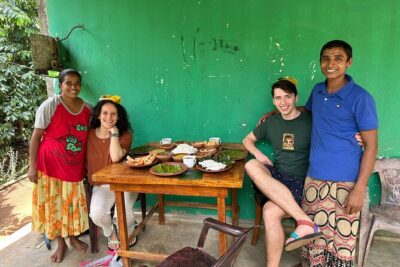
The hosts are described as kind, welcoming, and attentive. Their names are not provided, so you should not expect a named celebrity chef or a formal culinary credential. The appeal is the home setting and direct instruction.
Choosing the right time and arranging transport
The class runs every day in three blocks:
- 7:00 AM to 10:00 AM
- 11:00 AM to 2:00 PM
- 3:30 PM to 6:30 PM
The morning slot works well if you want to combine cooking with other sightseeing later. The midday option is the most natural choice if you want the class to function as lunch. The late afternoon session ends around dinner time and may fit neatly after a morning visit to Sigiriya Rock.
Pickup is offered, but the transport note is limited. A tuk-tuk from locations within roughly 5 km is free. The information says private transportation is not included beyond that nearby range, so confirm the pickup arrangement if you are staying farther away.
The meeting point is near public transportation, and mobile tickets are accepted. Confirmation is received when you book. Since the activity is often reserved well ahead of time, planning early is sensible if your Sigiriya schedule is tight.
You can cancel for a full refund up to 24 hours before the start time. Changes or cancellations within 24 hours are not accepted for a refund.
What makes the experience authentic, and what does not
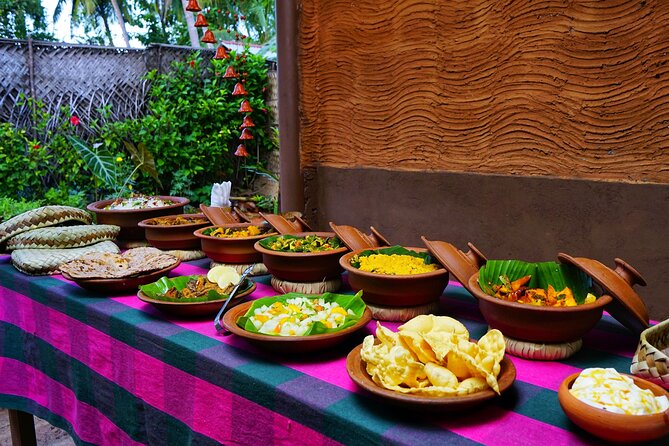
The strongest local elements are the garden produce, traditional tools, firewood stove, home setting, and shared meal. These details give you more than a recipe lesson. They show how ingredients, fuel, utensils, and family cooking fit together.
The class is also practical. Parippu, pol sambol, curry, rice, pol roti, and eggplant pickle are dishes you can understand and potentially recreate after returning home. You will not leave with only a vague memory of a chef performing in front of you.
There are limits. The menu can vary, and the available description says some dishes may be prepared rather than guaranteeing every item listed. The class is also not described as a market visit, a farm tour, or an advanced chef course. Do not book it expecting a formal certificate or detailed professional training.
The three-hour duration is long enough for a full meal but not long enough for every regional variation in Sri Lankan cuisine. You will get an introduction to home cooking, not a complete survey of the island’s food traditions.
Who should book TASTY TASKS
I would choose this class if you want a meal that explains itself. It suits first-time visitors who want an easy introduction to Sri Lankan food, plant-based eaters seeking a substantial meal, and families looking for an activity everyone can share.
It is also a good fit after visiting Sigiriya Rock or nearby sights. Cooking gives you a quieter counterpoint to sightseeing, with time to sit, work, eat, and talk rather than rush from one attraction to the next.
You may want to skip it if you dislike group activities, cannot manage heat or rustic kitchen conditions, or want a tightly fixed menu. A maximum of 15 people is reasonable, but it is not a private lesson unless you arrange that separately.
The rating is listed as 5 out of 5, with 100 percent recommendation from 17 ratings. That is a small sample, but the praise is consistent on the points that matter most: kind hosts, fresh ingredients, active participation, generous portions, and food with plenty of variety.
Should you book this Sigiriya cooking class?
Book it if you want to do more than eat Sri Lankan food. The combination of garden ingredients, old-style cooking tools, several curries and side dishes, and a shared meal gives you a clear taste of daily food culture near Sigiriya.
At $38 per person, it offers solid value when you count the three-hour lesson, all ingredients and equipment, bottled water, and a full meal. Just confirm transport if you are staying more than 5 km away, and keep your expectations focused on a friendly home kitchen rather than a formal culinary academy.
FAQ
Where does the cooking class take place?
The class starts and ends at TASTY TASKS COOKING CLASS, 186/A 1 Pothana, Kimbissa, Sri Lanka.
How long does the experience last?
The cooking class lasts approximately three hours.
What dishes might I learn to prepare?
Possible dishes include parippu red lentil curry, pol sambol, jackfruit or mango curry, pol roti, halapa, brinjal moju, steamed rice, and traditional accompaniments.
Is the meal suitable for vegetarians and vegans?
Yes. The included full Sri Lankan meal is vegetarian and vegan-friendly.
Is transportation included?
A tuk-tuk pickup is free from locations around 5 km away or less. Private transportation beyond that distance is not included.
What are the cancellation terms?
You can cancel at least 24 hours before the start time for a full refund. Cancellations or changes made within 24 hours are not refunded.
More Workshops in Sigiriya
- Malee Cookery Lessons
★ 5.0 · 26 reviews - Sigiriya Rock Climb, Village Tour+Cooking Class & Elephant Safari
★ 5.0 · 9 reviews - Ella: Traditional Sri Lankan Cooking Class
★ 4.9 · 788 reviews - Galle: Traditional Gems & Jewellery Workshop with Transfers
★ 4.9 · 539 reviews
More Cooking Classes in Sigiriya
- Cooking Class: Sajee’s Place Cooking Class sigiriya
★ 5.0 · 117 reviews - Organic Cooking Class sigiriya home Kitchen(Kumara & family)
★ 5.0 · 116 reviews - Organic Cooking Class with Garden Visit by Sinhagiri
★ 5.0 · 65 reviews - Sri Lankan Privet Cooking Class with Lunch
★ 5.0 · 12 reviews
Just added around Sigiriya
- Private Safari Tours in Minneriya National Park★ 5.0 · 18 reviews
- Night Hike to see Elusive & Rare Loris in Sigiriya★ 4.5 · 43 reviews
- Malee Cookery Lessons★ 5.0 · 26 reviews
- Sigiriya Rock Climb, Village Tour+Cooking Class & Elephant Safari★ 5.0 · 9 reviews
- Sigiriya and Dambulla Day Tour from Kandy★ 5.0 · 6 reviews
- Sigiriya Village Tour and Lunch with Hotel Pick up from Sigiriya★ 5.0 · 10 reviews
- Private Polonnaruwa Sightseeing Day Tour from Sigiriya★ 5.0 · 31 reviews
- From Sigiriya to Kandy Transfer by Private Comfortable Car★ 5.0 · 13 reviews
Sigiriya Rock Fortress Tours, compared.


Organic cooking class sigiriya (kumara & family)
Read our review →


Kandy to Sigiriya Day Tour and Dambulla cave temple with private vehicle
Read our review →
Private Day Trip to Sigiriya & Dambulla from Kandy – Aaliya Tours
Read our review →Browse the lists this tour appears in