

Reviewed · WORKSHOPS
Malee Cookery Lessons
Sri Lankan cooking makes the most sense when you see it done at home, not just served at a restaurant. In Malee’s family kitchen near Sigiriya, you help prepare eight curries, including a seafood dish, with traditional tools and old-style methods. I like the hands-on format and the chance to share the finished meal with the family. The one thing to consider is the three-hour afternoon start, which may feel long if you want a quick cooking demonstration rather than a full meal-making session.
I also like the private setting. Only your group takes part, so you can ask questions, work at your own pace, and get help even if you are new to cooking. The use of ingredients from Malee’s garden adds a clear local touch, though the listing does not provide a fixed menu or say exactly which seafood dish will be served on every date.
Key points at a glance
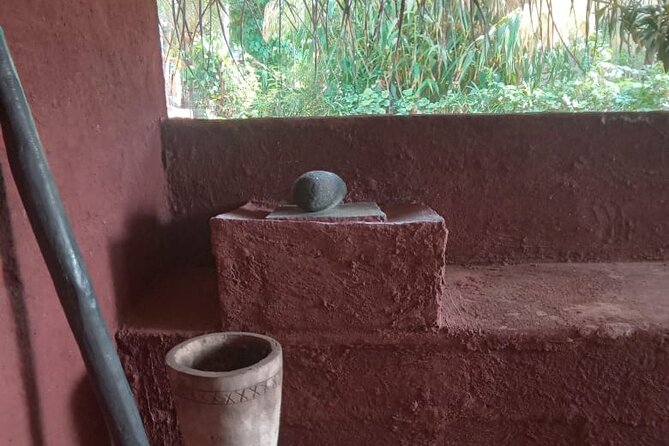
- Eight Sri Lankan dishes: The lesson includes eight curries, with one seafood preparation among them.
- Malee’s family kitchen: You cook in a local home with Malee and help from her daughter.
- Traditional cooking methods: Primitive tools are used alongside a few modern ones, making the recipes easier to repeat at home.
- A full afternoon experience: Allow about three hours, starting at 1:00 pm, including cooking and eating.
- Private group format: Only your own group participates, creating a more relaxed lesson.
- Fresh garden ingredients: The food is prepared with produce from Malee’s garden, according to the supplied details.
Cooking Sri Lankan food in Malee’s home
The central appeal here is simple: you do not just watch someone cook curry. You take part in the work, then sit down to eat what you made.
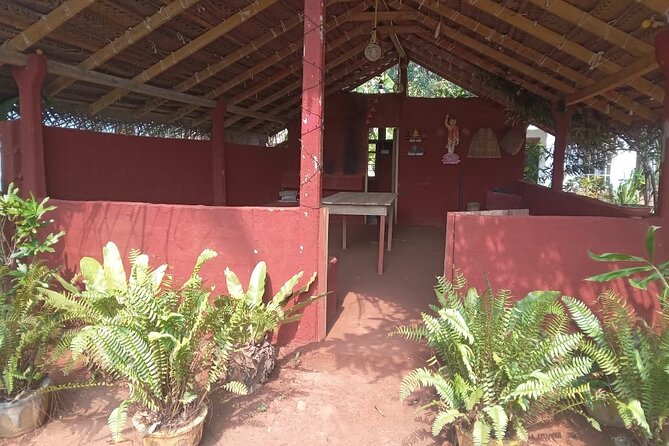
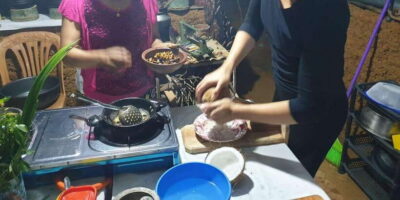
Malee hosts the lesson in her home near Sigiriya, with her daughter helping during the preparations. That family setting changes the feel of the afternoon. You are not in a formal school with rows of workstations and a fixed demonstration area. Instead, you are learning in the place where these foods make sense, surrounded by the tools and methods used in an everyday Sri Lankan kitchen.
I find that useful because Sri Lankan food can look simple on a menu while hiding plenty of technique. Curry is not one single flavor. Spices, coconut, vegetables, seafood, lentils, and sambals each bring a different texture and level of heat. Preparing several dishes together lets you see how a complete Sri Lankan meal is built.
The class is also designed for people who do not cook much. The instructions are described as easy to follow, and help is available throughout the process. You will still need to roll up your sleeves, but you do not need advanced kitchen skills to get something from the lesson.
A few more Sigiriya trips to weigh up
- Organic cooking class sigiriya (kumara & family)
★ 5.0 · 650 reviews - Sajee’s Place Cooking Class
★ 5.0 · 237 reviews - Cooking Class: Sajee’s Place Cooking Class sigiriya
★ 5.0 · 117 reviews
A three-hour afternoon from preparation to lunch
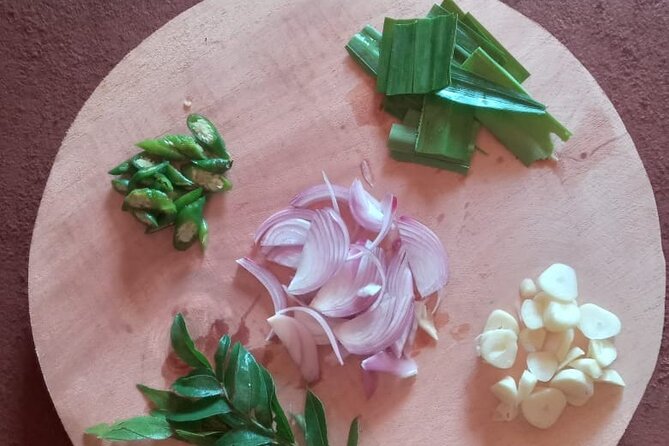
The class begins at 1:00 pm and lasts about three hours. The first part is spent preparing ingredients and learning the basic steps for the dishes on the day’s menu.
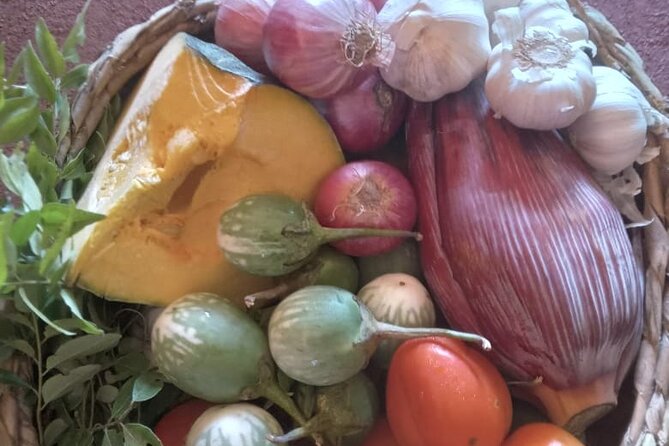
The meal is described as eight different curries, including one seafood dish. The detailed food examples include chicken curry, four vegetable curries, dal, and two sambals, with banana flower used in one of the sambals. Another menu description lists six curries, three side dishes, rice, and fruit. Taken together, the important point is that this is a generous spread rather than a single recipe lesson.
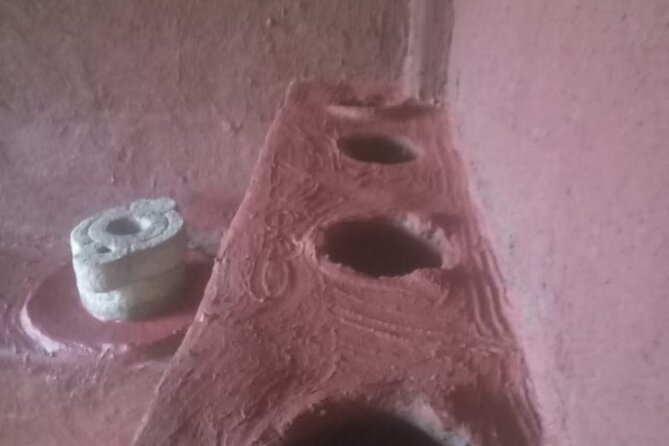
You may chop, mix, season, stir, and help with the cooking as Malee explains each stage. Some work uses primitive or traditional tools, while a few modern tools show you how to repeat the dishes in your own kitchen. That combination is practical. A cooking class can be memorable but not very useful if every step depends on equipment you do not have at home.
The menu also gives you a chance to compare different parts of Sri Lankan cuisine. The supplied description refers to differences between low-country, hill-country, and northern cooking. You should not expect a formal regional lecture, since the information does not promise one, but the range of dishes gives you a useful taste of the island’s varied food traditions.
At the end, you eat the meal you helped prepare. This is not a small tasting portion. Several descriptions note that the food is plentiful, with rice, fruit, curries, and side dishes included. I would plan to arrive hungry. One practical tip is to avoid a large meal beforehand, since you will want room to try everything.
Why the family setting matters
A family kitchen gives the class a personal quality that a standard tourist cooking school may not provide. Malee welcomes you into her home, and her daughter assists with the lesson. You get to see food being prepared in a domestic setting, using methods connected to daily life rather than a staged restaurant kitchen.
That does not mean the class is unstructured. The experience is intended to teach you how to make the dishes yourself. The mix of old tools and modern equipment should help you understand both the traditional approach and the version you can manage at home.
I especially like the way the meal becomes a shared activity. Everyone in the group can take part in the preparation, then sit down together when the food is ready. For couples, families, and small groups, this makes the experience feel more social than a simple cooking demonstration.
There is a tradeoff. A home kitchen may not offer the polished setup of a professional culinary studio. The provided details do not specify the kitchen layout, seating, or exact equipment. If you want a highly technical class focused on restaurant methods, you may prefer a purpose-built school. If you want contact with a local family and a home-cooked meal, the informal setting is the main attraction.
The food: curries, sambals, dal, and seafood
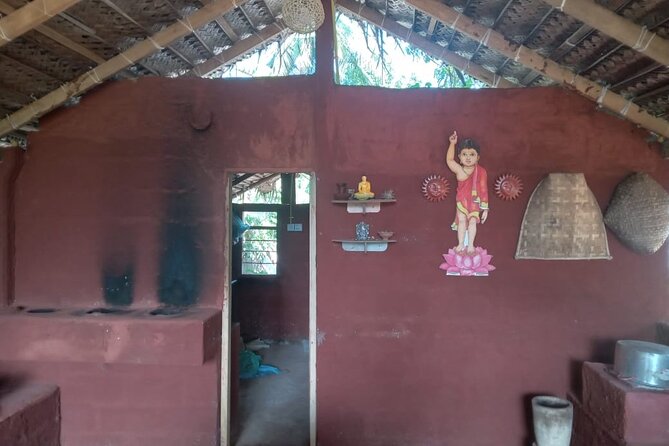
The menu is broad enough to show how a Sri Lankan meal works as a group of dishes. A chicken curry may provide the main savory element, while vegetable curries, dal, and sambals add contrast.
Dal is especially important in this kind of meal because it brings a soft, comforting texture alongside the firmer vegetables and meat. Sambals add another layer. One preparation uses banana flower, an ingredient that many visitors may not encounter in ordinary restaurant meals. That detail alone makes the lesson more than a generic curry class.
The experience also includes a seafood dish. The exact seafood is not specified, so I would not book this expecting a particular fish or shellfish recipe. Instead, treat it as part of the wider selection of Sri Lankan flavors.
The ingredients are described as fresh and sourced from Malee’s garden. That does not mean every item in the meal comes from the garden, but it does point to a direct connection between the food and the home where it is prepared. Fresh produce matters in vegetable curries and sambals, where the texture and taste of the ingredients are easy to notice.
You should also expect plenty of rice and side dishes. The class is not simply about learning one curry base. It shows how several modest preparations come together to form a complete meal. That is one of the strongest reasons to take the class early in your Sri Lanka trip: you can carry the ideas into later meals and perhaps try them at home after returning.
Same island, a completely different kind of day:
- From Colombo: Sigiriya and Dambulla Day Trip with Safari
★ 4.7 · 842 reviews - From Sigiriya: Minneriya National Park Private Jeep Safari
★ 4.9 · 415 reviews - From Sigiriya: Minneriya National Park Elephant Safari
★ 4.8 · 365 reviews - Private Jeep Safari at Minneriya National Park to Visit Elephants
★ 5.0 · 338 reviews
Traditional tools, modern kitchens, and useful lessons
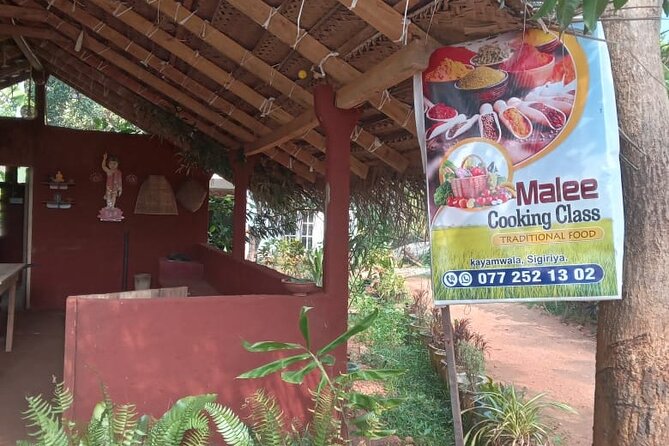
The class uses traditional tools as well as a few modern tools. This is a good balance for someone who wants an authentic method without being told that home cooking must copy every part of an old village kitchen.
Traditional tools show you how the food was prepared before modern appliances became common. They also help explain why certain ingredients are cut, ground, mixed, or cooked in particular ways. The modern tools make the lesson more practical for home cooks who will not own the same equipment.
The supplied information does not list the tools by name, so I would avoid expecting a specific demonstration. The value is in seeing both approaches side by side. You can pay attention to the texture and result, then decide how to adapt the method in your own kitchen.
The recipes are described as healthy Sri Lankan curries. That should not be read as a formal nutrition class. It means the cooking centers on vegetables, dal, sambals, rice, seafood, and other fresh ingredients rather than a narrow focus on one heavy dish.
If you are a complete beginner, the lesson should be approachable because help is provided throughout. If you already cook often, you may get more from asking about spice choices, regional differences, and how to adapt the recipes to ingredients available at home.
Private groups and the pace of the afternoon
Only your group participates, which is a significant feature at this price. A private class gives you more control over the pace and makes it easier to ask questions without holding up a large class.
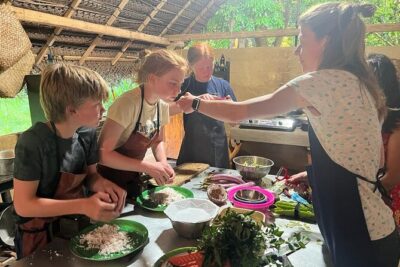
It also suits families with mixed cooking experience. One person can take on a simple task while another asks for more detail. Children may enjoy the hands-on aspect, though the supplied information does not state an age policy, so you should confirm that directly before booking if this matters to you.
The three-hour length gives the food time to be prepared properly, but it also means the experience takes most of an afternoon. Starting at 1:00 pm, it fits well after a morning visit around Sigiriya. It may be less convenient if you have a tightly packed sightseeing plan or need to leave the area later that day.
Pickup is offered, and the meeting point is near public transportation. The supplied details do not state the pickup area, cost, or exact transfer schedule. Check those points when booking rather than assuming pickup covers every hotel near Sigiriya.
A mobile ticket is available, and confirmation is sent at the time of booking. Those small details make the practical side fairly simple, but you should still allow enough time to reach the meeting point for the 1:00 pm start.
Is the $30 price good value?
At $30 per person, this is priced below many private cooking experiences in major tourist destinations. The value depends on what you want from the afternoon.
You are paying for about three hours, a private group format, instruction from Malee and her family, a large selection of dishes, and the meal you prepare. Rice, fruit, curries, sambals, vegetables, dal, and a seafood dish give the class the feel of both a lesson and lunch.
I consider that a good price for someone who wants more than a restaurant meal. You get direct practice, a local setting, and recipes you can try again. The private format makes the price especially reasonable for a small group that can share the experience.
The value is weaker if you only want to watch a short demonstration or sample one or two signature dishes. You will spend several hours preparing food, and the exact menu is not fixed in the details provided. Book it for the full experience, not just for a quick introduction to curry.
Who will enjoy Malee’s cooking lesson?
I would recommend this class most strongly to:
- First-time visitors to Sri Lanka: It gives you a useful introduction to several parts of the local meal at once.
- Home cooks: The traditional and modern tools make it easier to adapt the recipes later.
- Families and small groups: The private format lets everyone take part without a large class setting.
- Vegetarians and vegetable lovers: Several vegetable curries, dal, and sambals are included, though one seafood dish is part of the advertised selection.
- People who enjoy local contact: You are welcomed into a family home rather than placed in a formal tourist venue.
I would be more cautious if you need a fixed menu, a professional culinary-school setting, or a short activity. The details do not promise a set list of ingredients, specific seafood, or advanced instruction.
Booking details and cancellation
The experience is in Sigiriya, starts at 1:00 pm, lasts about three hours, and offers pickup. It is a private activity, and a mobile ticket is provided.
You can cancel for a full refund up to 24 hours before the start time. Cancellations or changes made within 24 hours are not accepted for a refund. The cut-off follows local time, so check your schedule carefully if you are moving between towns.
Should you book Malee Cookery Lessons?
I would book this if you want a warm, practical afternoon built around food, family contact, and a full Sri Lankan meal. The strongest reasons are the private kitchen setting, the large number of dishes, the fresh garden ingredients, and the chance to cook with both traditional and modern tools.
The main caution is the open-ended menu. You know to expect eight curries and a seafood dish, but not the exact seafood or full dish list in advance. For most people, that is part of the appeal. For strict dietary needs or a specific recipe goal, confirm the details before paying.
At $30, Malee Cookery Lessons offers good value for a three-hour private experience. Arrive hungry, keep the afternoon free, and expect to leave with more than a single curry recipe.
FAQ
Where does Malee Cookery Lessons take place?
The lesson takes place in Sigiriya, Sri Lanka, inside an authentic village kitchen hosted by a local family.
What time does the cooking lesson start?
The stated start time is 1:00 pm.
How long does the experience last?
The cooking lesson lasts approximately three hours.
How much does the experience cost?
The listed price is $30 per person.
How many dishes will I cook?
The experience is described as including eight different curries, with one seafood dish included.
What other foods may be included?
The supplied details include examples such as chicken curry, vegetable curries, dal, sambals, rice, and fruit. One sambal may use banana flower.
Is this a private cooking class?
Yes. Only your group participates in the activity.
Is pickup available?
Yes. Pickup is offered, though the supplied details do not specify the pickup area or schedule.
Can I use a mobile ticket?
Yes. A mobile ticket is available, and confirmation is received at the time of booking.
What is the cancellation policy?
You can cancel at least 24 hours before the start time for a full refund. Cancellations or changes made less than 24 hours before the start time are not refunded or accepted.
Just added around Sigiriya
- Private Safari Tours in Minneriya National Park★ 5.0 · 18 reviews
- Organic Cooking Class Sigiriya TASTY TASKS★ 5.0 · 17 reviews
- Night Hike to see Elusive & Rare Loris in Sigiriya★ 4.5 · 43 reviews
- Sigiriya Rock Climb, Village Tour+Cooking Class & Elephant Safari★ 5.0 · 9 reviews
- Sigiriya and Dambulla Day Tour from Kandy★ 5.0 · 6 reviews
- Sigiriya Village Tour and Lunch with Hotel Pick up from Sigiriya★ 5.0 · 10 reviews
- Private Polonnaruwa Sightseeing Day Tour from Sigiriya★ 5.0 · 31 reviews
- Sigiriya Sunrise/Sunset Guided Boat Ride★ 5.0 · 8 reviews
Workshops, compared.
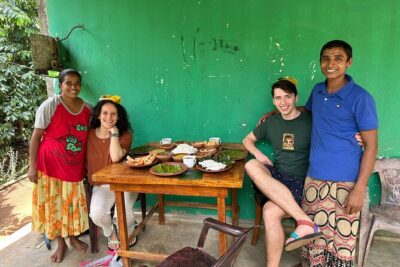
Organic cooking class sigiriya (kumara & family)
Read our review →
Traditional Gems & Jewellery Workshop with Transfers
Read our review →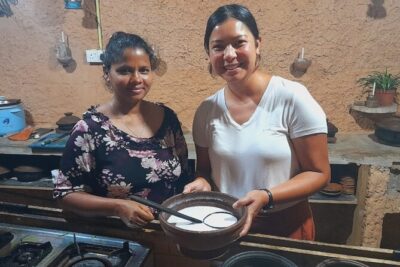
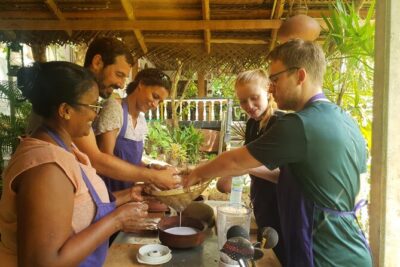
Sri Lankan Cooking Class with Neranji at Homestay
Read our review →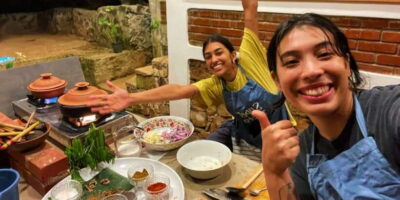
Browse the lists this tour appears in