
Reviewed · COOKING CLASSES
Sri Lanka: Cooking Class
Sri Lankan cooking is built around rice, coconut, spices, vegetables, and seafood, and this Kotapola class puts those ingredients directly in your hands. You will prepare several traditional dishes, hear how outside traders and local communities shaped the food, then sit down with your hosts to eat what you made.
I like the hands-on format, which turns a meal into a practical lesson you can remember at home. I also like the chance to meet a local host, ask about daily life, and adjust the menu around your diet and preferences when those details are provided ahead of time.
The main concern is spice. One session became uncomfortably hot even after guests requested less spice, so be direct about your limits and repeat the request when cooking begins. Also confirm accessibility before booking, since the information gives conflicting notes about wheelchair access.
Key points at a glance
- Seven or eight dishes in one class: Recent sessions included a surprisingly broad menu, often prepared in about three hours.
- Rice and coconut take center stage: You learn the staples that appear again and again in Sri Lankan home cooking.
- Spices are part of the lesson: The class explains how herbs and spices shape flavor, not just how to follow a recipe.
- Your cooking becomes your meal: After preparing the food, you eat with the hosts rather than simply watching a demonstration.
- Tuk-tuk pickup is included: Pickup from a nearby hotel or villa is arranged around 30 minutes before the activity.
- Ask clearly for mild food: Spice levels can be a real issue, even when you have already made a request.
What this three-hour class is really about
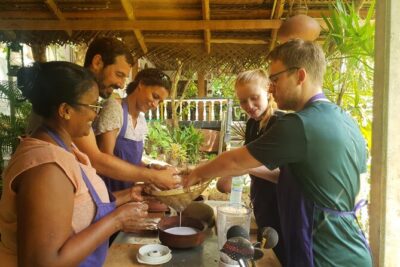
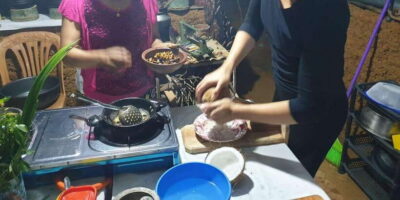
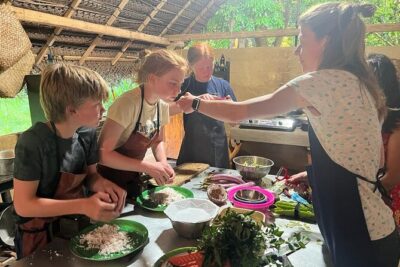
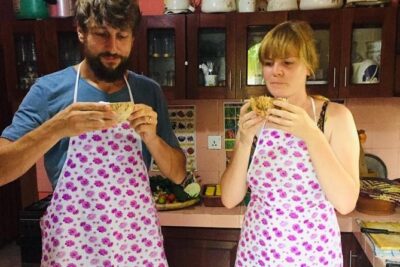
This is not a polished restaurant demonstration where you sit back and watch someone else do the work. You are there to chop, mix, season, cook, and eat. That difference matters because Sri Lankan food can seem mysterious when it arrives at the table with several curries, rice dishes, vegetables, coconut preparations, and spicy relishes all at once.
The class gives you a way to understand how those parts fit together. You learn the role of rice as a daily foundation, coconut as a common ingredient, and seafood as an important part of the national diet. You also hear how Sri Lanka’s position along the historic oceanic Silk Road brought new ingredients and cooking influences from foreign traders.
The setting in Kotapola adds a local feel. This is a chance to spend time with hosts in their own environment, learn about ordinary life, and share food at the same table. I find that more meaningful than simply ticking off another restaurant meal, especially if you want your food experience to connect with people and place.
A few more Mirissa trips to weigh up
- Mirissa: Cooking Class with Beer and Meal
★ 3.3 · 4 reviews - Ella: Traditional Sri Lankan Cooking Class
★ 4.9 · 788 reviews - Organic cooking class sigiriya (kumara & family)
★ 5.0 · 650 reviews
Pickup by tuk-tuk and the start of the visit
Hotel and villa pickup is included for properties in the stated area. The arrangement is to collect you by tuk-tuk around 30 minutes before the activity, giving you a short and distinctly Sri Lankan ride before the cooking starts.
The tuk-tuk transfer is useful, but you should give the operator clear hotel or villa details when booking. The information does not specify the exact pickup radius, so confirm that your accommodation falls within the service area. It also does not state the precise starting time, which means you need to check availability for the date you want.
Once you arrive, the focus shifts quickly to the food and the host. The guide speaks English, and the cooking lesson is designed around participation rather than a long introduction. Wear simple clothing that lets you work comfortably, and avoid arriving after drinking. That is a sensible safety rule in any working kitchen.
Cooking seven or eight Sri Lankan dishes
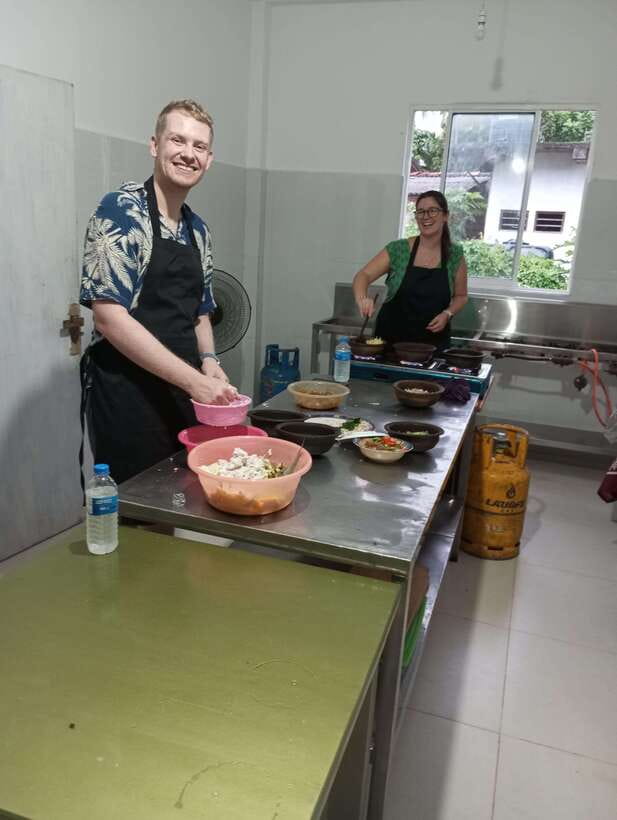
The number of dishes is one of the strongest parts of the class. A recent session prepared seven dishes in roughly an hour and a half of active cooking, while another prepared eight dishes during the full visit. The exact menu can vary, but you should expect a spread rather than one single recipe.
That range lets you see how a Sri Lankan meal is assembled. Rice may provide the base, while vegetables, meat, coconut, herbs, and spices add different textures and levels of heat. Seafood is also important in Sri Lankan food, although the information does not promise a particular fish or seafood dish on every date.
You are not just handed recipes and sent home. The host explains the preparation and gives clear instructions as you work. That is especially useful for cooks who want to repeat the dishes later, since the key lesson is often knowing when and why to add an ingredient, not simply memorizing a list.
The session also works well for mixed diets. The host has asked about dietary needs and preferences before the activity, then prepared the kitchen accordingly. Tell the operator about restrictions in advance, and do not assume that a request made only after cooking starts can be handled easily.
Why rice, coconut, and spices matter
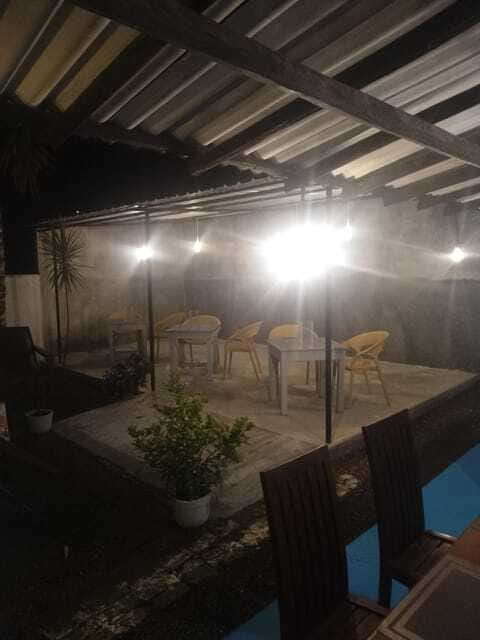
Sri Lankan food makes more sense once you understand its main building blocks. Rice comes in many forms and is central to meals across the country. Coconut is equally important, used in ways that can change the body and flavor of a dish.
Spices are not there only to make food hot. They build aroma, warmth, sweetness, bitterness, and depth. The lesson looks at the importance of spices and the combinations that give Sri Lankan food its particular character. You may find that this is the most useful part of the class if you want to cook at home, because it helps you understand the balance behind the dishes.
Sri Lanka’s food also reflects its location and past connections. Local traditions from the country’s ethnic communities developed alongside ingredients and ideas brought by traders moving across the ocean. That history appears at the table in the mixture of rice, coconut, seafood, vegetables, preserved fish, herbs, and spice blends.
The class will not turn into a formal history lecture, but the cultural context gives the cooking more meaning. You are learning why the food looks and tastes the way it does, not simply copying a restaurant menu.
Same island, a completely different kind of day:
- From Mirissa / Galle / Tangalle to Yala Safari & Drop- Ella
★ 4.6 · 124 reviews - Mirissa: Snorkeling Experience with Turtles
★ 4.5 · 123 reviews - YALA SAFARI TOUR from TANGALLE/HIRIKETIYA/MIRISSA/GALLE
★ 4.8 · 121 reviews - From Mirissa/Galle/Hikkaduwa: Udawalawa National Park Safari
★ 4.7 · 106 reviews
The spice question: ask twice, then taste carefully
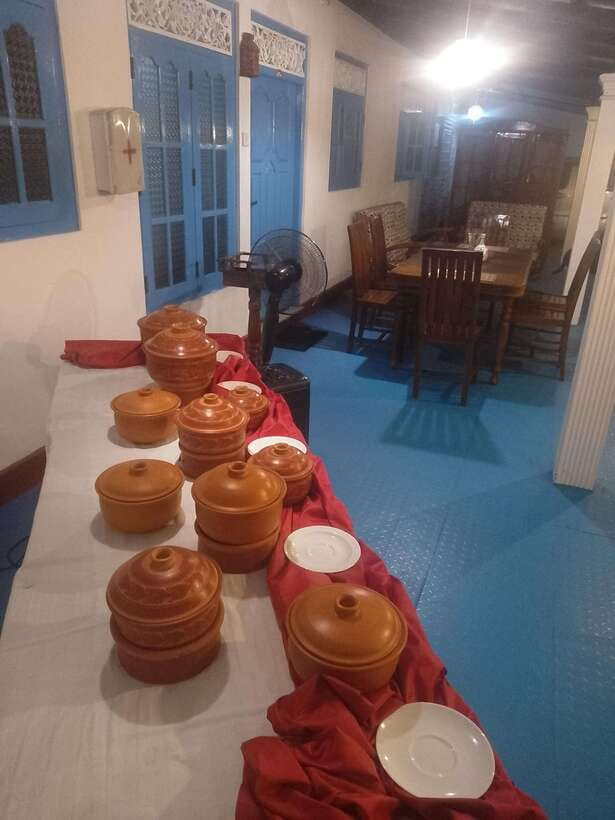
Spice is the one area where I would set expectations carefully. Sri Lankan cooking can be hot, and one session produced dishes that were too fiery for several people, even after they had asked for less spice. The result was disappointing because the food could not be enjoyed properly.
If you prefer mild food, say so clearly before the class and repeat it at the start. Use specific language such as mild or no chili if that reflects what you need. If you can handle some heat but not a lot, explain that too.
The host may be able to adapt the preparation, particularly when dietary preferences are shared ahead of time. Still, do not assume that every dish can be changed after the chili and spice mixture has been added. A careful approach is to ask which dishes will be hot and taste small amounts when possible.
For people who enjoy strong spice, this may be a plus. For anyone sensitive to heat, it is the main reason to approach the class with caution. The class is about traditional food, and traditional does not always mean mild.
Eating with the hosts after the cooking
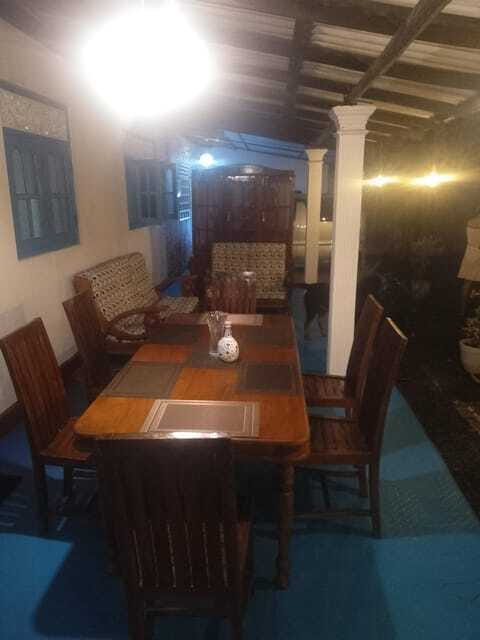
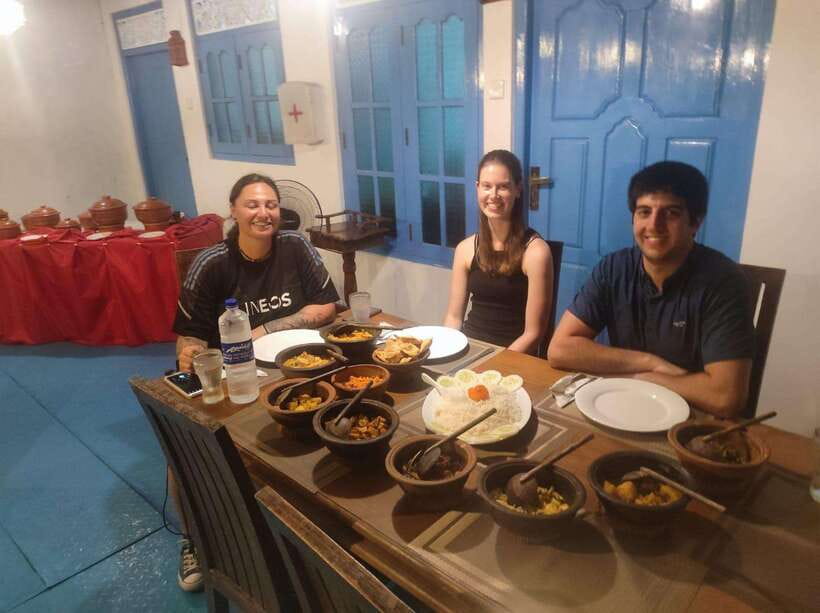
At the end, you sit down and eat the food you prepared. This is more satisfying than receiving a small sample while the host clears the kitchen. You can see how the dishes work together as a meal and compare the flavors you created.
The shared meal also gives you time to talk with your hosts about daily life in Sri Lanka. That personal exchange is one of the best reasons to choose a home-style cooking class instead of a standard restaurant meal. You have a natural conversation starter in front of you, and the food gives the visit a relaxed purpose.
The wording for what is included needs a little care. Meals and beverages are listed as not included, yet the activity clearly includes dining on your creations after cooking. Read that as no separate meal service or drinks package beyond the food made during the class. Bottled water is included, while personal expenses are not.
Is $50 a fair price?
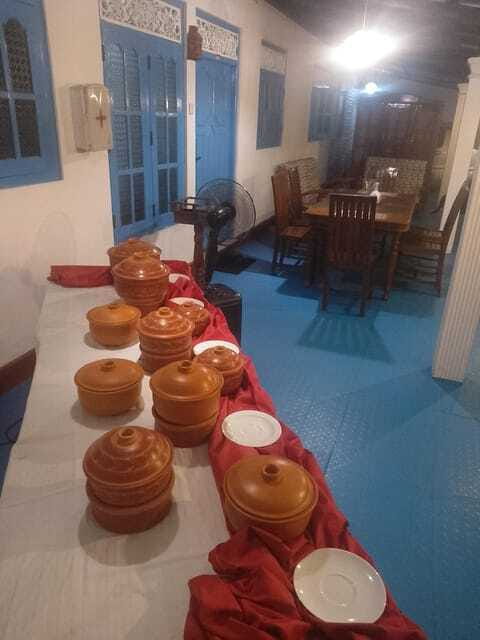
At $50 per person, the value depends on what you want from the afternoon. You are paying for a three-hour activity, an English-speaking guide, the cooking session, ingredients used in the class, the chance to eat the results, bottled water, and hotel or villa pickup and drop-off in the service area.
That is a reasonable package if you value contact with a local host and want to learn several dishes at once. A class covering seven or eight recipes offers more practical content than a short demonstration focused on one curry. Transport also saves you the trouble of arranging your own way to Kotapola.
The price is less compelling if you only want a cheap meal. This is not simply a restaurant lunch, and the cooking takes time and attention. You should book it for the activity, the instruction, and the personal connection, with the meal as the final reward.
Entrance fees are listed as included, though no separate sightseeing stops are described. I would not choose this class expecting a tour of several attractions. Its value is concentrated in the kitchen and the time spent with the hosts.
Who will enjoy this class most
I would recommend it to curious eaters, home cooks, couples, families who enjoy practical activities, and anyone who wants more contact with local life. You do not need advanced cooking skills. The format is based on clear instructions and active participation, so beginners can take part.
It is also a good choice if you want to understand Sri Lankan food before ordering it elsewhere. After preparing the components yourself, you will have a better sense of how rice, vegetables, coconut, meat, seafood, and spice fit into a full meal.
People with strict mobility needs should ask questions before paying. The activity information says wheelchair accessible in one place, but also lists wheelchair users and people with mobility impairments as unsuitable. The tuk-tuk transfer and cooking environment may create practical limits, so get a direct answer from the operator about access, seating, surfaces, and transfer arrangements.
You should also consider the menu. If you do not eat meat, seafood, or certain vegetables, ask what can be prepared before arrival. The host can account for dietary preferences when given notice, but the available details do not promise a fixed menu or specific substitutions.
Practical details that affect your day
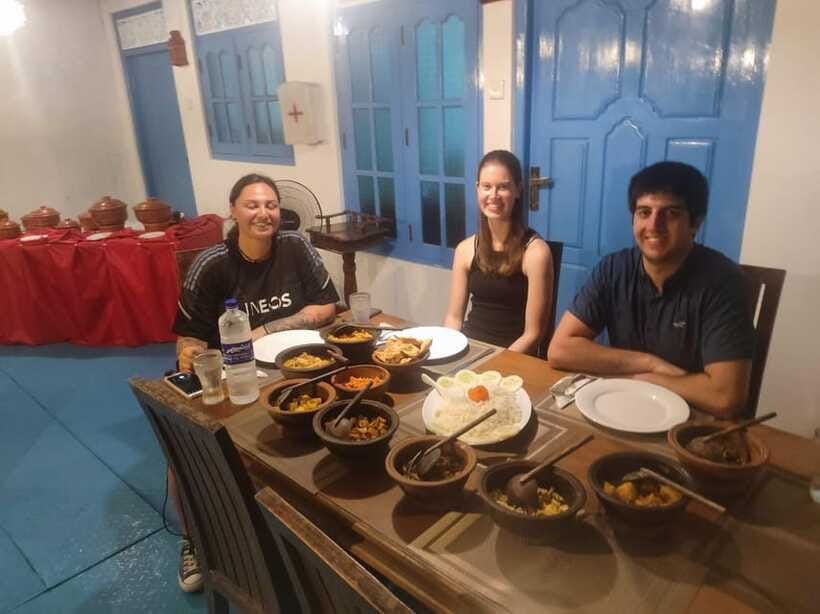
The class lasts three hours, although the active cooking portion can be shorter, with one recent session taking about an hour and a half to prepare the dishes before the meal and conversation. Plan enough time around it so you are not rushing to another appointment.
English is the listed tour language. The guide is described as professional and English-speaking, and Rnishani is named by one participant as an excellent cooking teacher. The name is useful when arranging details, though you should not assume she leads every session.
Wear clothing that is easy to work in. You may be handling vegetables, meat, spices, and other ingredients, so formal clothes are not practical. The safety note about not arriving drunk is direct but important. You are working around cooking equipment, knives, and hot food.
Free cancellation is available up to 24 hours before the activity for a full refund. You can also reserve now and pay later, which helps if your Sri Lanka plans are still changing. Check the available start times before booking because they are not fixed in the information provided.
My verdict: book it if the cooking matters
I would book this class if you want an active food experience, a broad introduction to Sri Lankan home cooking, and time with local hosts. Preparing seven or eight dishes, then eating together, gives the $50 price real value. The tuk-tuk pickup and English instruction make the outing easier, too.
I would pause if you need strict control over spice, have mobility limitations, or want a fixed menu confirmed in advance. Ask about mild preparation, ingredients, access, and the exact pickup area before committing.
For most food-focused visitors staying near Kotapola, this is a worthwhile way to spend three hours. Go ready to work, bring a clear request about chili, and think of the meal as part of a cooking lesson rather than the main product.
FAQ
Where does the Sri Lanka cooking class take place?
The class takes place in Kotapola, Sri Lanka.
How long does the cooking class last?
The stated duration is three hours. The active cooking portion may take less time, with one session preparing seven dishes in about one and a half hours before the rest of the visit.
What is included in the $50 price?
The price includes an English-speaking guide, entrance fees to all stated sites, bottled water, and hotel or villa pickup and drop-off in the service area. Meals, beverages, and personal expenses are not separately included.
Is hotel pickup available?
Yes. Pickup is available from hotels or villas around the stated area, with tuk-tuk collection planned about 30 minutes before the activity.
Can I cancel for a full refund?
You can cancel up to 24 hours in advance for a full refund. Reserve-now, pay-later booking is also available.
Is the activity wheelchair accessible?
The information is inconsistent. It identifies the activity as wheelchair accessible but also says it is not suitable for wheelchair users or people with mobility impairments. Contact the operator directly to confirm your specific access needs before booking.
Just added around Mirissa
- Snorkeling Trip from Polhena Beach, Matara, Sri Lanka★ 3.8 · 11 reviews
- Scuba Diving in Mirissa★ 5.0 · 4 reviews
- Mirissa: Whale & Dolphin Watching Trip with Private Transfer★ 4.1 · 6 reviews
- Mirissa: Whale Watching Cruise★ 3.1 · 5 reviews
- Mirissa: Whale & dolphin Watching Boat Tour with Breakfast★ 4.0 · 8 reviews
- Mirissa: Cooking Class with Beer and Meal★ 3.3 · 4 reviews
- All Inclusive Mirissa Whale and Dolphin Watching Boat Ride★ 4.5 · 29 reviews
- All Inclusive Mirissa Whale & Dolphin Watching + Snorkeling★ 3.9 · 3 reviews
Cooking Classes, compared.
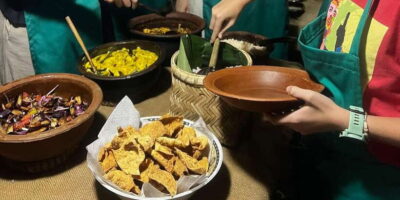
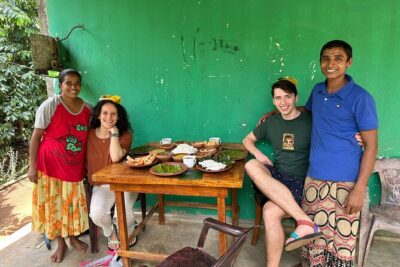
Organic cooking class sigiriya (kumara & family)
Read our review →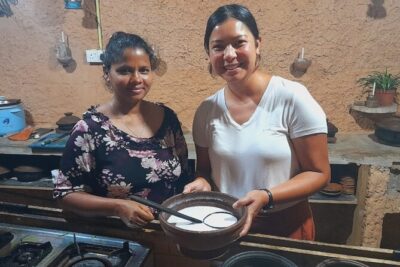
Sri Lankan Cooking Class with Neranji at Homestay
Read our review →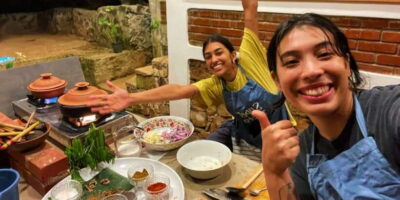
Browse the lists this tour appears in