
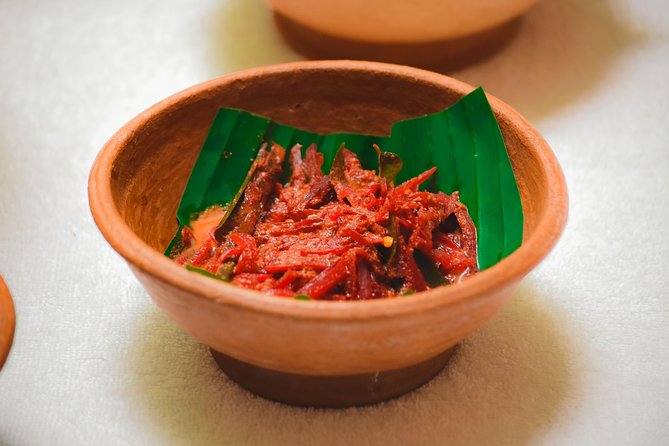
Reviewed · COOKING CLASSES
Vegan Cooking Class Colombo with Market Tour
The best part of this Colombo experience happens before you reach the stove. You walk through a local market, learn how to judge vegetables and spices, then use those ingredients in a private, hands-on class. Clay-pot cooking gives the lesson a useful local touch, since the porous pots help food cook slowly and retain moisture.
I like the one-to-one instruction and the chance to shape the menu around your tastes. I also like that you make several dishes from scratch, including spice pastes, curries, sambol, and leafy mallum. The main drawback is practical: the information about pickup is not fully consistent, so you should confirm transport and the exact meeting point before booking.
Key points at a glance
- Market shopping comes first: Learn how to choose vegetables, spices, and other ingredients before cooking them.
- Private instruction: Your group receives direct help from the chef rather than watching a large demonstration.
- Clay pots add local character: Slow cooking in seasoned earthenware is part of the lesson.
- A full Sri Lankan meal: The menu can include rice, several curries, sambol, mallum, papadum, fruit, tea, and buffalo curd with honey.
- Menu flexibility: Tell the provider about dietary needs when booking, and discuss your preferred dishes.
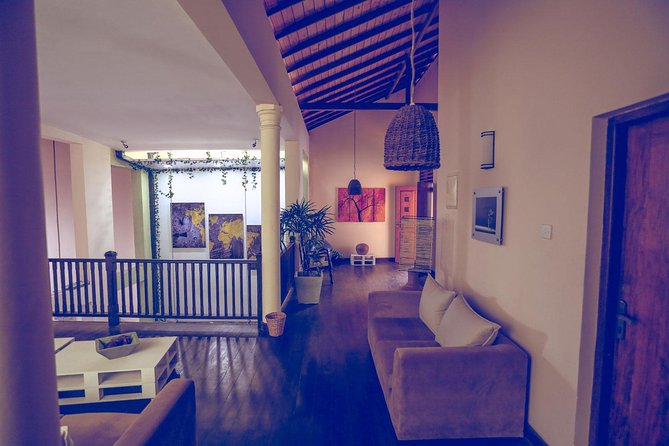
- Five hours in a quieter Colombo setting: The villa is near Diyawanna Lake and Sri Lanka’s Parliament area, away from the city center.
Why the market visit matters before you cook
Sri Lankan food depends on small choices made before anything reaches the pan. The right coconut, leafy greens, eggplant, potato, or spice blend can change the final dish. A market visit gives you a better sense of what local cooks look for instead of treating ingredients as anonymous items on a recipe card.
You can expect to walk through a local market with the guide and learn how to select vegetables and other cooking supplies. The experience is described as similar in feel to a European eco shop, though the larger point is practical: you get to see how fresh food is chosen for a Sri Lankan kitchen.
This is also the part that helps with the language barrier. Rather than trying to identify unfamiliar produce alone, you have a local person explaining what each item is and how it is used. For anyone who has stared at a pile of leafy greens and had no idea which one belongs in a mallum, that help is worth paying for.
The market portion is not just a sightseeing stop. It connects the food on your plate with daily shopping habits. You learn that Sri Lankan cooking is not only about adding curry powder. It is about selecting fresh ingredients, balancing coconut and spice, and using different cooking methods for different textures.
A few more Colombo trips to weigh up
- Colombo Cooking Class
★ 5.0 · 151 reviews - Market Tour and Hands-On Cooking Class Colombo
★ 5.0 · 140 reviews - Cooking Class Sri Lanka with Locals
★ 5.0 · 101 reviews
A welcome drink and a villa setting
The experience begins with freshly made fruit juice or a herbal drink. You then have time to refresh yourself and prepare for the market visit. This slower start should suit you if you prefer a cooking class that feels like a visit to a home rather than a quick restaurant demonstration.
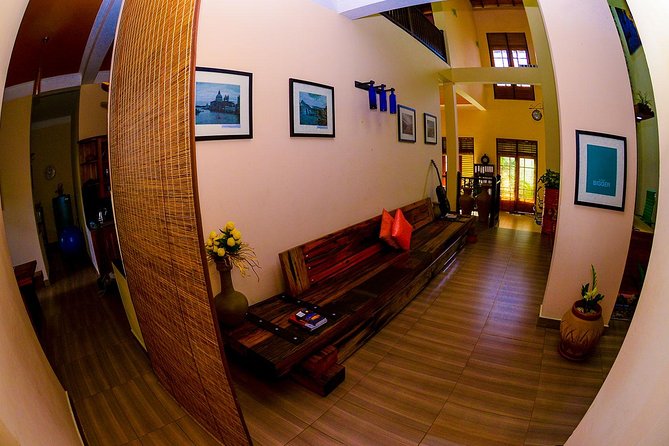
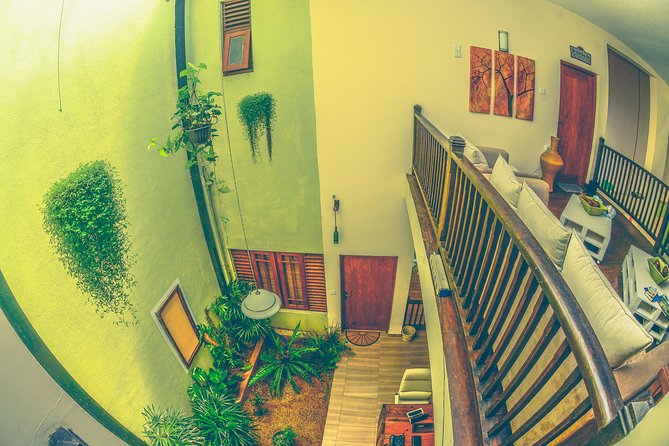
The villa is in the Sri Jayawardenepura Kotte area, near Sri Lanka’s Parliament, the Immigration Office, and Diyawanna Lake. It is about 9 kilometers from central Colombo and near the expressway exit toward Colombo Airport. The setting is described as a green part of the capital, with bird sounds replacing some of the city noise.
That location has two sides. It can make the class feel calmer and more personal, but it is not in the heart of central Colombo. Traffic can affect transfer times, and the exact duration of any ride depends on the time of day. If you are working around a flight, cruise departure, or a tight sightseeing plan, leave a generous margin.
The experience is scheduled from 9:30 a.m. to 3:30 p.m. every day, with the activity lasting about five hours. The schedule gives you enough time for the market and cooking without forcing every step into a rushed morning.
The hands-on cooking class
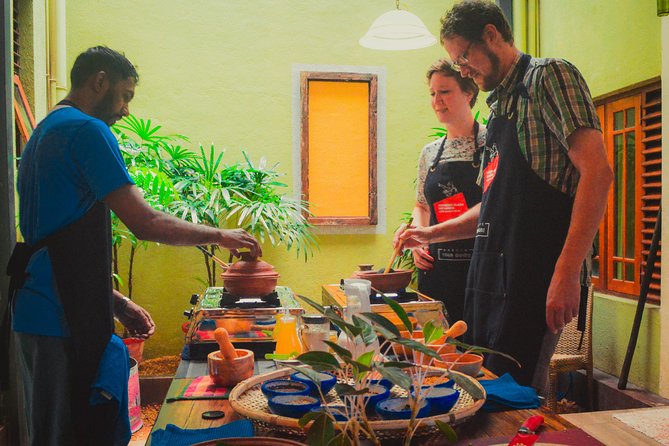
The strength of the lesson is the amount of practical work you can expect to do. The class is private, so your group receives direct instruction from the chef. That matters for Sri Lankan cooking because the key steps are often about texture, timing, and smell rather than exact measurements.
The class is designed to cover food prepared from scratch. You may work on sauces, spice pastes, fillings, and appetizers, as well as the main dishes. This gives you more useful skills to take home than a class where most ingredients have already been measured and prepared.
You can ask questions as you cook, and the chef and helper are available to explain techniques and offer recipe tips. That direct exchange is especially useful when you want to repeat the food later. Sri Lankan recipes often use familiar ingredients in unfamiliar combinations, so seeing the process is more helpful than simply receiving a printed list.
The menu includes several components:
- One rice choice: white rice, yellow rice, or brown rice
- Sri Lankan dhal curry
- Sri Lankan coconut sambol
- Potato curry
- Fried mushroom
- One leafy mallum, such as gotukola, mugunuanna, gova, kankun, or aguna kola
- Papadum
- Tropical fruit
- Buffalo curd with honey
- Tea or coffee
The menu also lists Sri Lankan chicken curry, but this is a vegan cooking experience. If you want the class to remain fully vegan, confirm that the chicken dish will be replaced with a plant-based option. The same applies to the mention of local beer, which is not included and may not fit every diner’s preferences.
Understanding rice, curry, sambol, and mallum
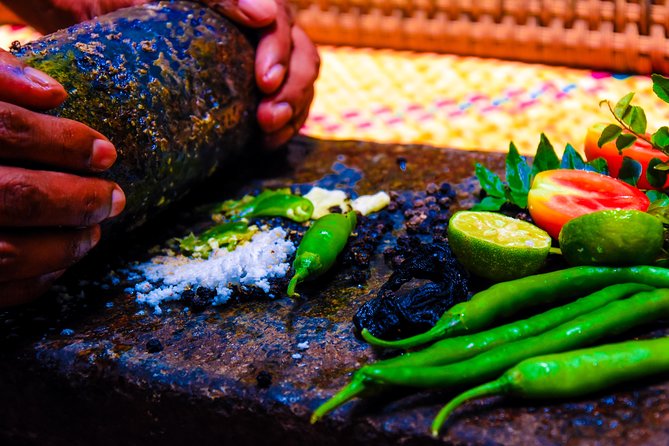
A Sri Lankan meal is not one large curry served with rice. It is a group of small dishes that work together. The rice provides a mild base, while curries, sambol, greens, and crisp papadum bring different levels of heat, richness, freshness, and crunch.
Dhal curry is a useful introduction because it shows how a simple ingredient can become a deeply seasoned dish. Coconut sambol gives you a fresh, spicy contrast. Potato curry offers a softer, more comforting texture, and fried mushroom adds another plant-based option with a different bite.
Mallum is one of the most interesting parts of the menu. This leafy preparation can use gotukola, mugunuanna, gova, kankun, or other greens. You get to see how local cooks turn leaves into a seasoned side dish rather than treating them as a plain salad.
The choice of rice also changes the meal. White rice is the simplest option, yellow rice brings color and added seasoning, and brown rice gives a firmer, more substantial base. If you already eat a lot of curry, ask which rice best balances the dishes you are preparing.
Dessert keeps the meal simple and local. Buffalo curd with honey gives you a tangy, creamy finish, while tropical fruit adds a lighter end to the class. Tea or coffee rounds things off.
Same island, a completely different kind of day:
- Colombo: Private Tuk-Tuk City Tour with All Entry Fees
★ 4.9 · 2,154 reviews - Sri Lanka Personal Tour Driver in private vehicle
★ 5.0 · 747 reviews - Colombo Tuk Tuk City Tour -Sightseeing Entry Fees & Food Included
★ 5.0 · 678 reviews - Udawalawe National Park: Elephant Safari with Expert Guide
★ 4.9 · 641 reviews
What clay-pot cooking adds
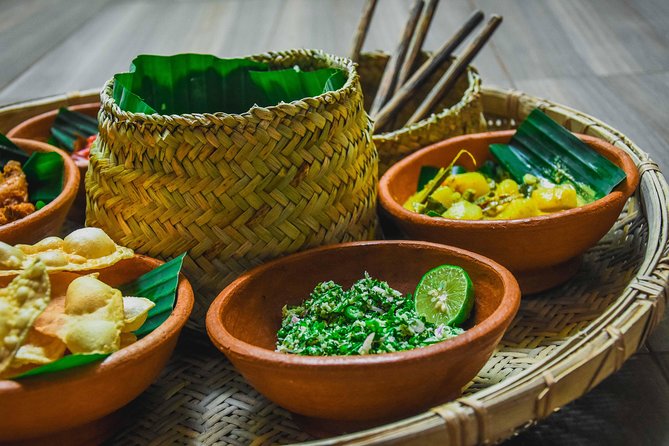
Cooking in clay pots is more than a decorative extra. Properly made and seasoned clay pots have porous walls that absorb and retain moisture. That makes them useful for slow cooking, since food is less likely to dry out during a long simmer.
For you, the value is in watching how the pot changes the process. The lesson shows why Sri Lankan cooks still use an old form of pottery for certain dishes, especially food that benefits from gentle, slow heat. The result is meant to be tender and full of flavor.
Clay pots also need care. They are not simply interchangeable with modern metal cookware, and the cooking pace may feel slower. That is part of the point, but it may frustrate you if you expect a fast, highly polished cooking demonstration.
The class presents the pots as a traditional craft as well as a cooking tool. You get a clearer sense of how cooking methods shape taste, which is one reason this class offers more than a basic curry recipe.
Learning the secrets behind Sri Lankan spice mixes
Sri Lankan food has thousands of curry variations, and the differences do not come from one universal spice blend. Cooking style, ingredient choice, and technique can produce dishes with very different colors, smells, and flavors.
The chef’s role is to explain those differences in plain terms while you work. You may learn how a curry changes when you alter the spice balance, use a different cooking method, or prepare the ingredients in another way. This is valuable because many Sri Lankan recipes found online flatten the cuisine into one generic curry.
The class is also a good setting for questions. You can ask why a paste is ground a certain way, when an ingredient is added, or how to tell when a curry is ready. The available information specifically emphasizes that the chef and helper answer questions and share cooking advice, so you should use the private format to ask about substitutions and home-kitchen methods.
If you are new to South Asian cooking, do not worry about memorizing every spice on the first visit. Focus on the sequence: which ingredients are prepared first, how the mixture changes in the pot, and what signs show that the dish is ready.
How private instruction changes the experience
A private class usually costs more than a large group lesson, and this one is priced at $80 per person. The value depends on how much you want from the cooking itself. If you only want to eat a Sri Lankan meal, a restaurant is cheaper. If you want market guidance, several dishes, direct help, and recipes you can repeat, the price is easier to justify.
You have more control over the pace in a private setting. A beginner can ask for extra explanation, while an experienced home cook can focus on spice blends or technique. The menu can also be adjusted according to your tastes, though you should state dietary requirements when booking rather than waiting until the class begins.
The private format is particularly useful for families and small groups. Everyone can take part in the preparation instead of standing behind one person at a crowded counter. The class is described as fully hands-on, so expect to chop, mix, season, and cook rather than simply watch.
There is no indication that the class is suitable for every accessibility need, so contact the provider if you have mobility or other concerns. The requested dress code is smart casual, which is sensible for a market visit and kitchen work.
Timing, transport, and what the price covers
The five-hour duration includes the welcome, market visit, cooking session, and meal. The activity ends back at the meeting point at Travel Footprint in the Colombo area. The address provided refers to Sri Jayawardenepura Kotte, so check the map and exact pickup instructions carefully.
The details say pickup is offered, but the inclusions also state that hotel pickup and hotel drop-off are not included. Treat this as something to confirm before payment. Bottled water, light refreshments, tea or coffee, local taxes, and the professional guide are included. Alcoholic drinks are not included, and the listing specifically mentions local beer separately.
The villa description also refers to an overnight stay with free breakfast. Because the activity information separately identifies a five-hour class and does not clearly list lodging among the inclusions, confirm whether accommodation is part of your booking or simply part of the venue’s wider offering.
The experience is booked around 30 days ahead on average. That suggests you should reserve early if you need a particular date, especially for a private class. Confirmation is provided at booking, and cruise passengers must provide ship, docking, disembarkation, and re-boarding details.
Free cancellation is available up to 24 hours before the start time. Changes or cancellations inside that window are not accepted for a refund. The class requires good weather, so a weather cancellation results in a different date or a full refund.
Who will get the most from this class
I would choose this experience if you want to understand how Sri Lankan food is built, not simply sample it. The market visit, ingredient selection, clay pots, and from-scratch preparation give you several useful layers in one outing.
It suits:
- Vegans and vegetarians who confirm the menu in advance
- Couples seeking a private food activity
- Families who want children or relatives to take part
- Home cooks who want repeatable Sri Lankan recipes
- First-time visitors who need help identifying local vegetables and spices
- Cruise passengers who can allow enough time for traffic and transfers
You may want another option if you dislike market visits, prefer a central Colombo location, or want a short demonstration with no kitchen work. The class is also not ideal for a tight airport connection unless your transport plan is firmly arranged.
Should you book the Colombo vegan cooking class?
Book it if you value participation over polish. The strongest features are the private format, the market instruction, and the chance to prepare a full meal from basic ingredients. Clay-pot cooking and leafy mallum add details you are unlikely to get from a standard restaurant meal.
At $80 per person, it is fair value for a five-hour private experience that includes refreshments, ingredients, instruction, and multiple dishes. Before booking, confirm the exact meeting point, transport, accommodation details, and the replacement for the listed chicken curry if you need a strictly vegan menu.
FAQ
How long does the cooking class last?
The experience lasts approximately five hours. Operating hours are listed as 9:30 a.m. to 3:30 p.m., Monday through Sunday.
Where does the experience start and end?
It starts at Travel Footprint in the Colombo area, at the provided Sri Jayawardenepura Kotte address. The activity ends back at the meeting point.
Is the cooking class private?
Yes. Only your group participates, and the private format provides direct instruction from the chef.
Is hotel pickup included?
The information says pickup is offered, but it also says hotel pickup and hotel drop-off are not included. Confirm the exact transport arrangement with Ceylon Rustic Guide before booking.
Is the food fully vegan?
The experience is described as a vegan cooking class, but the menu also lists Sri Lankan chicken curry and local beer. Tell the provider your dietary requirements at booking and confirm that every dish will be vegan.
What food will I learn to prepare?
The choices include white, yellow, or brown rice, dhal curry, coconut sambol, potato curry, fried mushroom, one leafy mallum, and papadum. Dessert options include buffalo curd with honey and tropical fruit, followed by tea or coffee.
Are drinks included?
Bottled water, light refreshments, and coffee or tea are included. Alcoholic drinks, including beer, are not included.
What is the cancellation policy?
You can cancel at least 24 hours before the start time for a full refund. Cancellations or changes made less than 24 hours in advance are not accepted, and poor weather may lead to a new date or a full refund.
More Markets in Colombo
- Colombo Cooking Experiance with Explore Market
★ 4.7 · 33 reviews - Colombo: Local Market Tour & Cooking Demo with Lunch
★ 4.6 · 3 reviews - Galle: Cooking Class at a Local Home and Market Tour
★ 5.0 · 47 reviews - Negombo Private Tour: Market, Temples & Canal
★ 4.9 · 15 reviews
More Food in Colombo
- Colombo Local Food Tour by Tuk Tuk – All Inclusive
★ 4.9 · 261 reviews - Colombo Express Food Tour with 9 + Tastings
★ 5.0 · 200 reviews - The 10 Tastings of Colombo With Locals: Private Street Food Tour
★ 4.5 · 71 reviews - Colombo tuk tuk city tour -Entry Fees, and food Included
★ 5.0 · 55 reviews
Just added around Colombo
- Sri Lanka 03 night 04 days budget tour package★ 5.0 · 27 reviews
- 3 hour cooking experience★ 5.0 · 8 reviews
- 4 Days Amaizing Classic Mini Tour Sri Lanka★ 5.0 · 16 reviews
- 3 Days Tour to Kandy Nuwara Eliya & Sigiriya from Colombo★ 4.5 · 28 reviews
- 3-Day Heart of Sri Lanka, Kandy, Wonder 8 Sigiriya, Nuwara Eliya-Little England★ 5.0 · 3 reviews
- 3 Days Tour to Kandy, Nuwara Eliya & Sigiriya★ 4.0 · 4 reviews
- Rustic taste & Cultural tales Food Tour Colombo★ 5.0 · 43 reviews
- 2 Nights All Inclusive Treehouse Safari in Yala with transfers★ 5.0 · 4 reviews
Cooking Classes, compared.
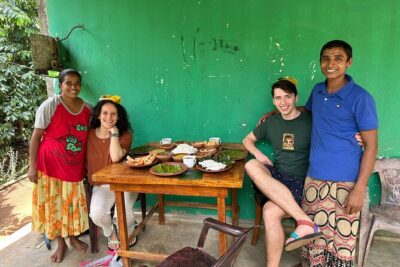
Organic cooking class sigiriya (kumara & family)
Read our review →
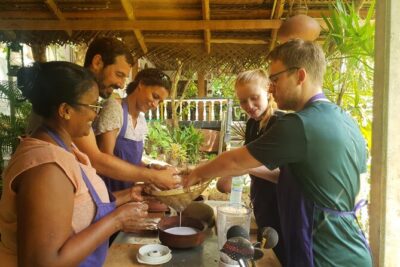
Sri Lankan Cooking Class with Neranji at Homestay
Read our review →
Browse the lists this tour appears in