
Reviewed · COOKING CLASSES
Ella: Sri Lankan Cooking Class with Neranji at Homestay
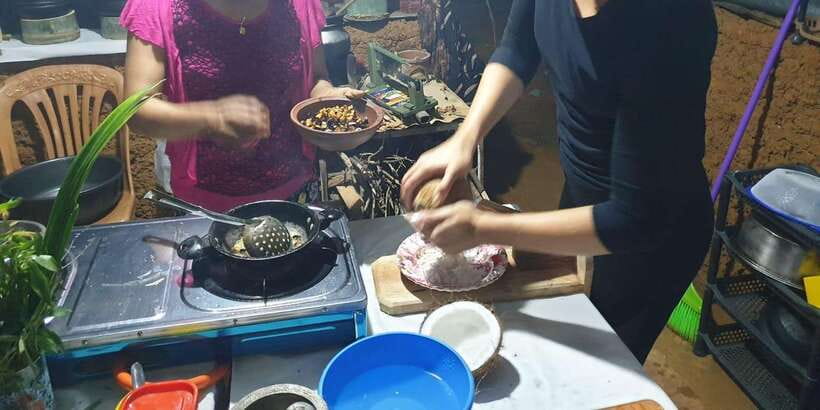
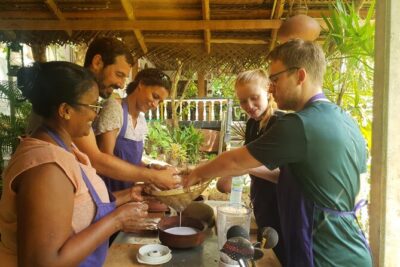
Sri Lankan cooking makes perfect sense once you see it prepared at home. At Neranji’s kitchen in Ella, you chop, season, stir, and learn how coconut milk, fresh produce, and toasted spices turn simple ingredients into a full rice-and-curry meal. I especially like the hands-on format and the chance to learn old methods, including making coconut milk from scratch.
I also like the warm, family-run setting and the practical follow-up: you receive recipes and spices so you can cook the meal again. The main consideration is that this is held at a homestay, not a polished cooking school, and transport is not included. If you have food allergies, this class is not suitable.
Key points to know before booking
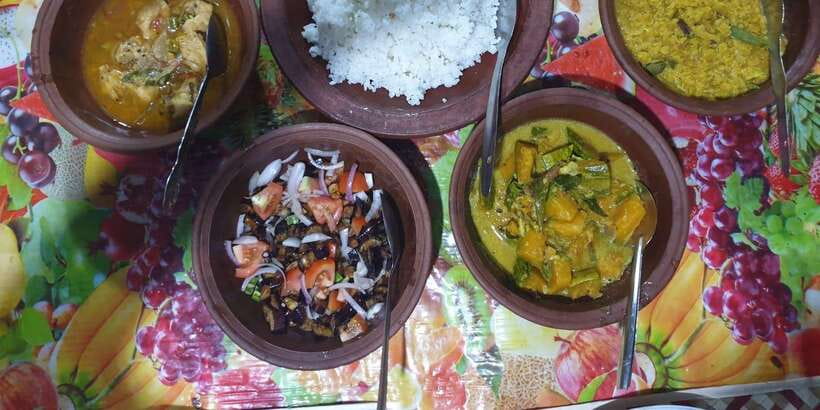
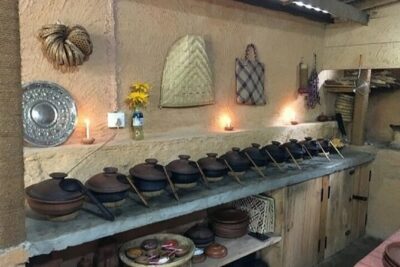
- Cook in Neranji’s home kitchen: This is a local family experience in Ella, with an outdoor kitchen and a relaxed, welcoming atmosphere.
- Prepare several dishes: Depending on the session, you might make dhal, potato, pumpkin, beans, fish, or chicken curry, plus sambols, salad, papadom, and roti.
- Learn traditional techniques: Neranji can show you how to clean rice, make coconut milk, use local spices, and combine older cooking methods with modern tools.
- Ask early for special dishes: Banana flower, jackfruit, sweet onion, and mango curries require 24 hours of advance notice for ingredients.
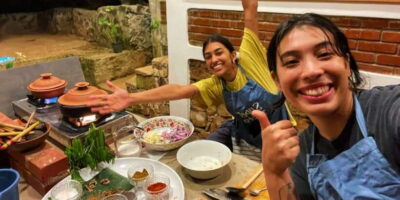
- Eat what you cook: The class ends with a shared meal, often including several curries and rice, so plan on this replacing lunch or dinner.
- Small, but not always tiny: The stated limit is 10 people, though one session had 12 participants, so ask about the expected group size if that matters to you.
Cooking Sri Lankan food in Ella, not just watching it
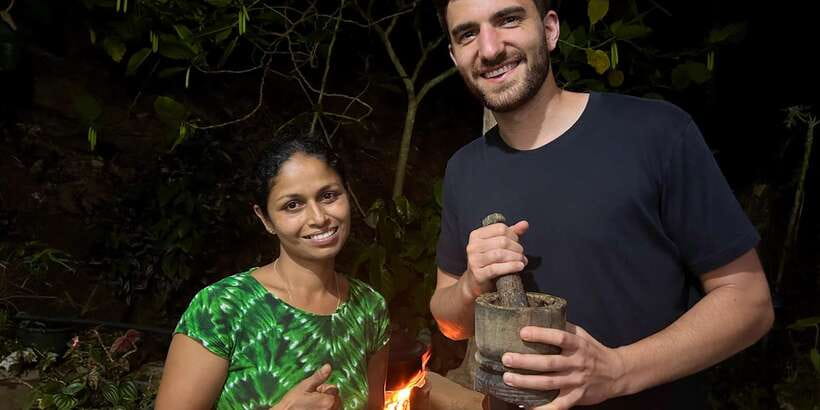
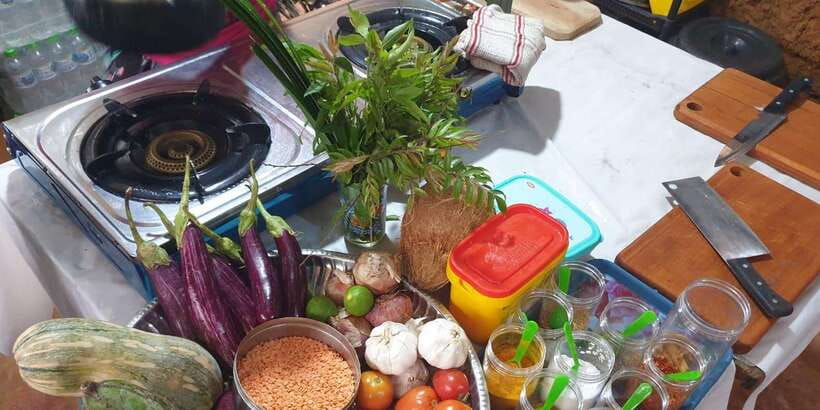
The appeal here is simple: you do not sit at a counter while someone else prepares dinner. You join Neranji in her home kitchen and help make the food from the first chopping to the final serving.
That matters in Sri Lanka, where a curry is less about one fixed recipe than about the choices made along the way. You learn how ingredients are cleaned, cut, seasoned, and cooked, along with the small adjustments that give a dish its balance. Neranji explains the process in English and Sinhala, and her teaching style is patient and clear.
You may work on three curries and a salad, or take part in a larger spread of dishes. Past menus have included dhal, pumpkin curry, potato curry, beans, fish, chicken, eggplant salad, carrot sambol, coconut sambol, papadom, and coconut roti.
The menu changes with the produce available. That is a strength, not a weakness. Seasonal ingredients make the meal feel connected to Ella rather than copied from a standard tourist menu. It also means you should not expect every listed dish at every session.
A few more Ella trips to weigh up
- Ella: Traditional Sri Lankan Cooking Class
★ 4.9 · 788 reviews - Ella : Cooking class with amazing Spice Garden Tour
★ 5.0 · 239 reviews - Ella Sri Lanka : Mom’s Kitchen Cooking class
★ 5.0 · 113 reviews
The kitchen lessons that make the class worthwhile
Neranji’s instruction goes beyond adding curry powder to a pot. You learn about the spices and ingredients used in Sri Lankan homes, and how their quantities affect the final taste.
One especially useful lesson is making coconut milk from scratch. Coconut is central to many Sri Lankan dishes, and seeing how it is prepared helps explain why the finished curries taste different from versions made with canned coconut milk.
You might also learn how to clean rice, work with traditional kitchen tools, and use older cooking methods alongside modern equipment. That mix gives the class practical value. You see the traditional approach, but you also learn how to adapt it to a kitchen outside Sri Lanka.
I like that the instruction appears flexible rather than rigid. Spice levels can be adjusted to suit the group, and Neranji can explain substitutions for ingredients that may be hard to find in Western supermarkets. That is exactly the sort of help you need if you plan to cook the recipes at home.
The class is participatory, but do not expect every person to have an individual stove or separate workstation. In a shared homestay kitchen, the group prepares dishes together. For some people, that is part of the fun. If you want a highly structured professional cooking lesson with individual equipment, this may feel informal.
Choosing your menu in advance
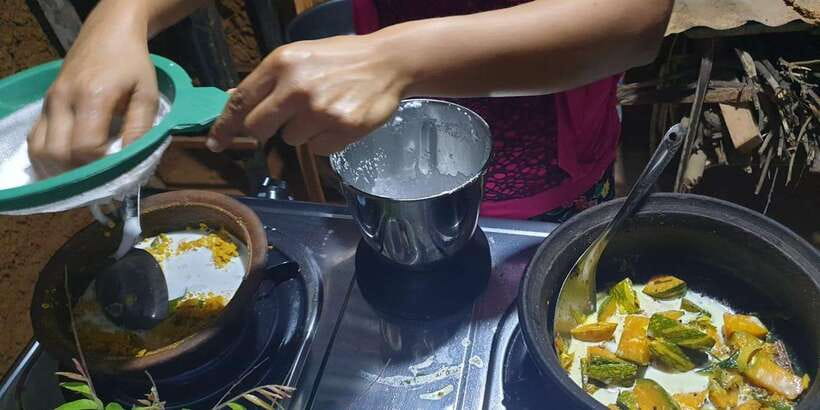
The regular choices cover familiar Sri Lankan staples. Potato, dhal, pumpkin, beans, fish, and chicken curries offer a useful introduction to the everyday rice-and-curry table. Eggplant salad, carrot sambol, coconut sambol, and papadom add contrast in texture and flavor.
Coconut roti is another good choice. It gives you a chance to work with a simple dough and one of Sri Lanka’s most loved ingredients. Several sessions have included coconut roti alongside curries, and it is a practical dish to recreate at home.
For something less common, ask about Neranji’s special dishes before you arrive. These can include:
- Banana flower curry
- Jackfruit curry
- Sweet onion curry
- Mango curry
- Coconut roti
The special options need 24 hours to arrange the ingredients. Do not wait until you walk into the kitchen if one of these is the main reason you are booking. Send the request by email or include it at booking.
The class can also work well for vegetarians and vegans, according to the experience details and participant feedback. Still, you should confirm your preferred menu when booking, especially if your diet is strict. The stated restriction is food allergies, for which the class is not suitable.
From preparation to a shared meal
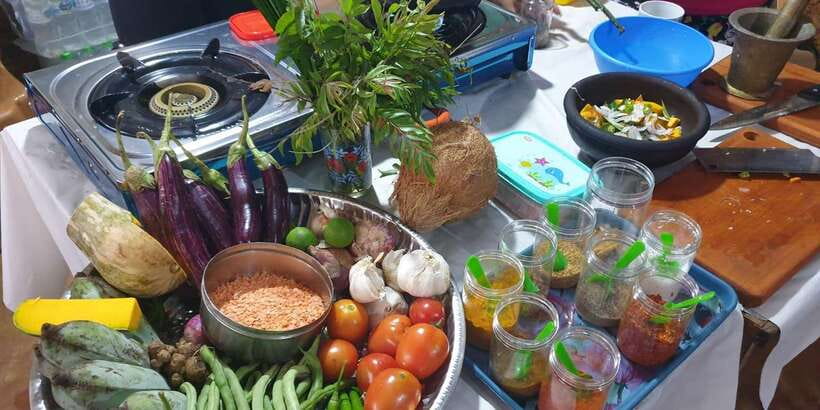
The cooking normally takes about two to three hours. A morning session can lead into lunch, while an evening session becomes dinner. One session beginning at 10:30 a.m. finished in time for lunch, and another lasted a little over two hours.
The pace is relaxed. You learn a step, help with preparation, and watch the dish develop. Since several curries may cook at once, there is time to ask questions and learn about the ingredients rather than rush through a short demonstration.
At the end, everyone sits down to eat the food prepared during the class. This is not a token tasting. The menu can produce a full meal, and the combination of rice, curries, sambols, and salad gives you a proper introduction to how Sri Lankan food is served.
The shared table is also part of the social experience. You may cook with other people staying in and around Ella, then chat with them over the meal. A group session had several separate parties working together, which made the dinner a natural way to meet people from different countries.
That social side is a benefit if you enjoy informal conversation. It may be less appealing if you want a private class for just your own group. Ask about the session size before booking if privacy is important.
Same island, a completely different kind of day:
- Ella: Drop to Tangalle/Hiriketiya/Mirissa/Galle & Yala Tour
★ 4.9 · 518 reviews - Ella: Little Adam’s Peak, Nine Arches Bridge & Waterfalls
★ 4.9 · 402 reviews - ELLA: Drop to Tangalle/Hiriketiya/Mirissa/Galle & Yala Tour
★ 4.1 · 336 reviews - From Ella: Drop to Tangalle/Hiriketiya/Mirissa & Yala Safari
★ 4.8 · 296 reviews
Why the homestay setting matters
The cooking takes place at Neranji’s home, with an outdoor kitchen and views from the cooking area. The setting is a major part of the experience. You are not being moved through a tourist attraction or a restaurant kitchen. You are entering a family space where food, hospitality, and daily life come together.
That also supports a female-run local business and family. Your payment does more than cover a meal and instruction. It helps sustain a small local enterprise built around sharing Sri Lankan culture.
The setting does come with trade-offs. A home kitchen may be compact, and group activity can feel less controlled than a commercial culinary studio. You may share tools and preparation tasks rather than work alone. For me, that is a fair exchange for the local feel, but it is worth knowing before you book.
Neranji’s husband, Nishantha, has helped with transport after late sessions, including dropping people back across Ella. That kind gesture appears to happen in some cases, but transportation is not included in the activity, so you should arrange your own way to and from the meeting point.
Getting there and planning the timing
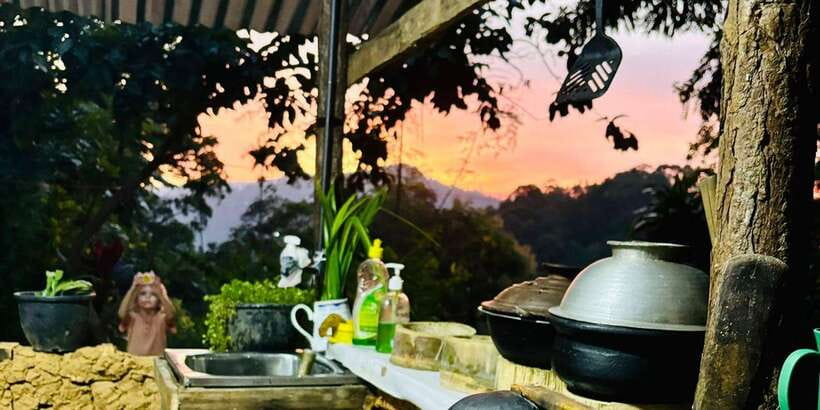
The meeting point can vary by the option booked. Check the exact details after selecting your session, and do not assume that transport from your hotel is part of the price.
The class lasts two to three hours, but allow extra time for getting there, eating, and returning to your accommodation. An evening session may finish late enough that you will want a clear plan for the journey back.
The booking terms are useful for flexible itineraries. You can cancel up to 24 hours in advance for a full refund, and you can reserve a place while paying later. Starting times depend on availability, so check the date and time that suit your plans in Ella.
The group limit is listed as 10 people. One recent session had 12, so the actual number may occasionally be a little higher. If you prefer a quieter lesson, a morning booking may be worth asking about. One morning participant had the class to their own group, though that cannot be guaranteed.
What you take home besides a full stomach
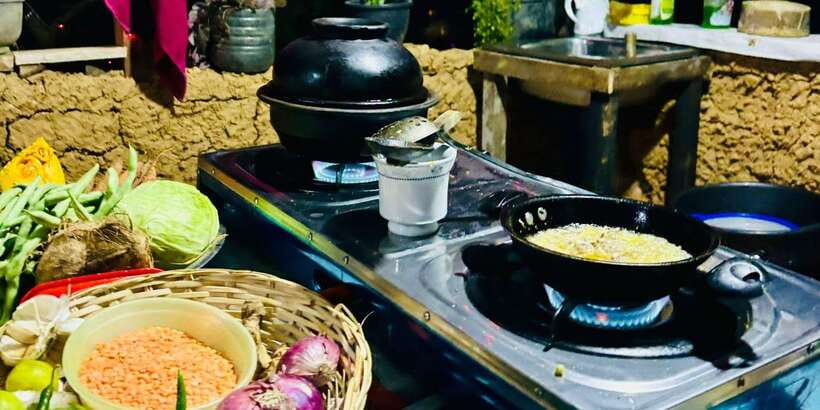
The class includes recipes for the dishes prepared. You can also take home special spices and ingredients, which makes the experience more useful than a meal you remember only through photographs.
The recipes are meant to help you reproduce the food in your own kitchen. Neranji can explain which local ingredients can be replaced with products found in Western supermarkets, and she has shared recipes by WhatsApp when requested.
That follow-up is a small but important detail. Sri Lankan cooking often depends on ingredients that are unfamiliar outside the country. Having the recipe, spice guidance, and substitution advice gives you a better chance of making a convincing version at home.
You may also leave with a better sense of how to taste as you cook. The class explains the balance of spices and the preparation tricks behind the finished dishes, rather than treating the recipe as a list of fixed measurements.
Is $19 good value?
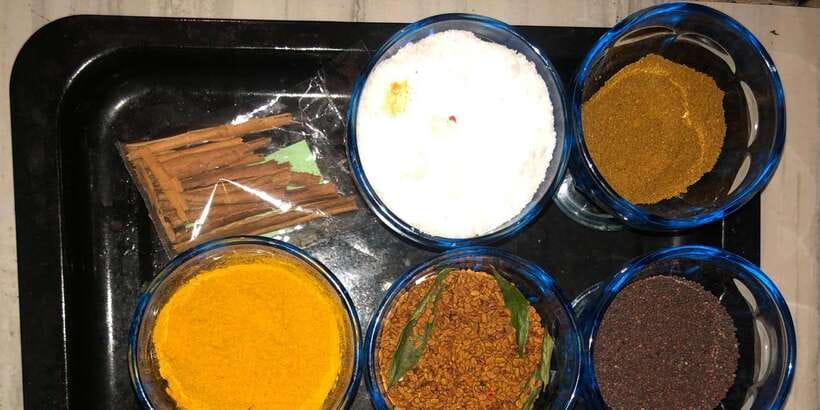
At $19 per person, this is a strong value for a two-to-three-hour activity that includes instruction, multiple dishes, a full shared meal, recipes, and spices to take home.
The price looks even better if you use the class as your main lunch or dinner. You are paying for an activity and a substantial meal in one booking, with the added benefit of learning something you can use later.
Transport is the main extra cost to keep in mind. It is not included, and the meeting point may vary. You should also remember that the special dishes require advance ingredient planning, so they are not automatically part of the standard price.
The value is less about the number of recipes and more about the setting and teaching. If you only want to eat Sri Lankan curry, a restaurant will be quicker. If you want to understand how the food is made, meet the cook, and take the method home, this offers much more.
Who will enjoy this class most?
I would recommend it to food-focused visitors, curious home cooks, couples, families, and solo people who enjoy meeting others. It suits you especially well if you want a cultural activity that feels personal and practical rather than staged.
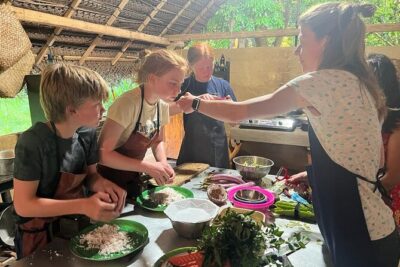
Families can take part together, and one family of five found the activity a highlight of its time in Sri Lanka. Vegetarians and vegans are welcome, but confirm the dishes you want in advance.
It is also a good choice for people who are new to Sri Lankan food. The class covers familiar vegetables and basic curries while introducing ingredients such as coconut, local spices, jackfruit, and banana flower.
You may want to skip it if you have food allergies, dislike group cooking, or want a polished school with individual stations. The home setting is the attraction, but it also means the format is casual and shared.
Should you book Cook with Neranji?
Yes, if you want to do more than order curry in Ella. Neranji’s class combines local food, clear instruction, a family setting, and a generous meal for $19. The most useful parts are the practical details: making coconut milk, learning traditional methods, adjusting spices, and getting recipes and ingredients for your own kitchen.
Book at least 24 hours ahead if you want banana flower, jackfruit, sweet onion, or mango curry. Confirm the meeting point, plan your own transport, and ask about group size if you prefer a quieter session.
For an easy, social introduction to Sri Lankan home cooking, this is one of Ella’s better-value activities. You leave with dinner in you, recipes in hand, and a much clearer idea of why Sri Lankan curries taste the way they do.
FAQ
Where does the Sri Lankan cooking class take place?
The class takes place in Neranji’s home kitchen at a homestay in Ella. The cooking area is described as an outdoor kitchen, and the exact meeting point may vary depending on the option booked.
How long does the cooking class last?
The experience lasts two to three hours. Starting times vary, so you need to check availability for your chosen date.
What food can I learn to cook?
Possible dishes include potato, dhal, pumpkin, beans, fish, or chicken curry, along with eggplant salad, papadom, carrot sambol, coconut sambol, and coconut roti.
Can I request a special Sri Lankan dish?
Yes. Special dishes include banana flower curry, jackfruit curry, sweet onion curry, mango curry, and coconut roti. You must request a special dish at least 24 hours in advance so the ingredients can be arranged.
Is the food included?
Yes. You eat and enjoy the dishes prepared during the class. The class can include several curries, salads, sambols, rice, roti, or other selected dishes.
Are recipes and ingredients included?
Yes. You receive recipes for the dishes prepared and special spices and ingredients to take home.
Is transportation included?
No. Transportation to and from the cooking class is not included. The meeting point may vary, so check the details for your selected option and arrange your own transport.
Is the class suitable for people with food allergies?
No. The activity is specifically listed as unsuitable for people with food allergies. Vegan and vegetarian participants are welcome, but should confirm their preferred dishes in advance.
Just added around Ella
- Zip Lining in Ella★ 4.5 · 16 reviews
- YALA BLOCK 5 & 6 (Weheragala & Lunugamwehera) Safari Tour★ 4.8 · 30 reviews
- Yala Block 5: Private Morning or Evening Safari★ 4.3 · 4 reviews
- Sri Lanka private tour package 10 Days. and luxury hotel★ 5.0 · 3 reviews
- Sri Lanka Private 10-Day Round Tour Car, Guide, Hotels, Food★ 4.8 · 10 reviews
- Private cooking class – Personalized classic menu★ 5.0 · 5 reviews
- Haputale:Glorious Tuk Tuk Ride to Lipton’sSeat & Tea Factory★ 5.0 · 6 reviews
- Get a private driver for day tours around Sri Lanka★ 5.0 · 18 reviews
Cooking Classes, compared.
Organic cooking class sigiriya (kumara & family)
Read our review →
Browse the lists this tour appears in