
Reviewed · COOKING CLASSES
Ella: Traditional Sri Lankan Cooking Class
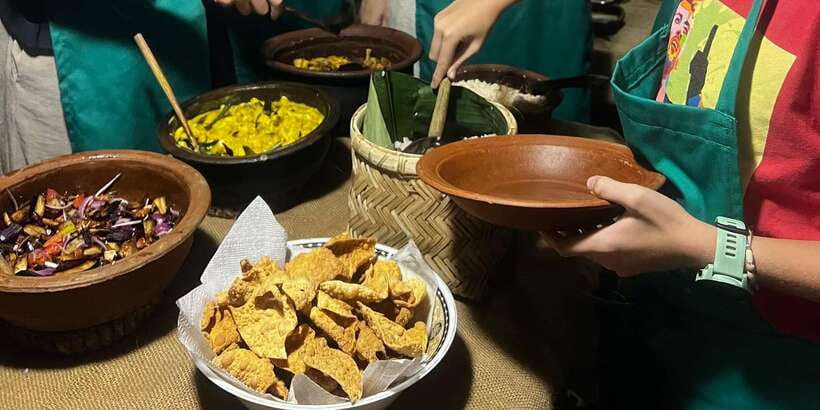
Ella’s Chamathka Cooking Class turns a meal into the main event. You work with Ranjani, often called Ranji, in an open-air kitchen, using fresh produce and old-style tools to prepare Sri Lankan favorites such as dhal curry, coconut sambol, rice, curry, hoppers, and string hoppers. Then you eat what the group has made from a banana leaf.
I like the traditional methods, including coconut preparation and hands-on spice work. I also like the generous, sociable meal, which can include several dishes and enough food for seconds. The main consideration is the format: everyone cooks together at one station, so this suits you if you enjoy shared instruction more than working alone at a private cooktop.
Key points to know before booking
- Ranjani teaches more than recipes: She explains spices, ingredients, cooking methods, and their traditional health uses.
- The kitchen is open-air: You cook with greenery around you and better ventilation than in a closed room.
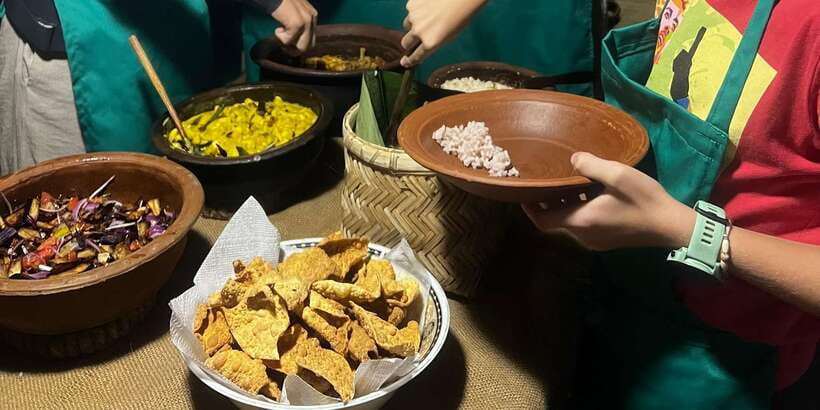
- The meal is the payoff: Expect a shared feast, often including dhal, chicken or vegetable curry, aubergine, sambol, papadam, rice, or other local dishes.
- This is a group class: The stated maximum is eight people, though one session was reported as larger, so participation can vary.
- Recipes come by WhatsApp: You can take the Sri Lankan cooking home, with digital recipes sent after class.
- Allow extra time: The official length is two hours, but the meal and relaxed pace can make it closer to two and a half hours.
What happens when you arrive at the Ella cooking class
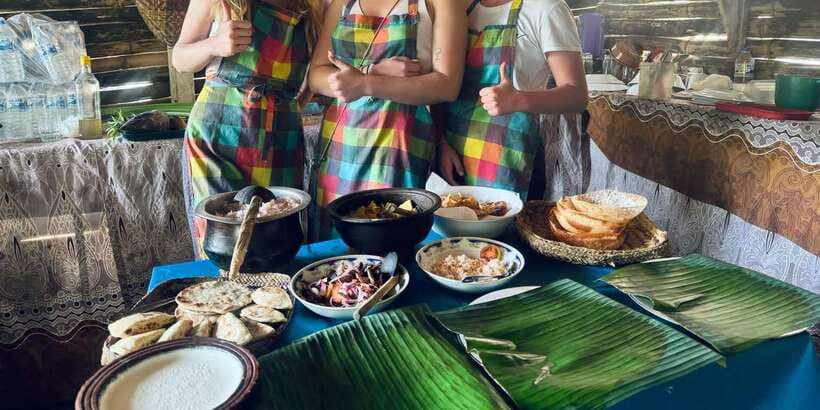
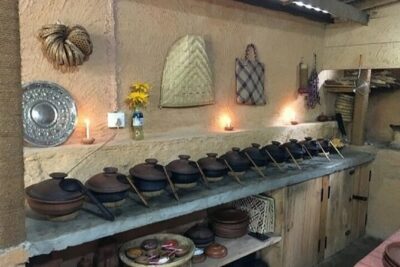
Check in with staff at Chamathka Cooking Class, where Ranjani welcomes you into an open-air kitchen. The setting is simple and traditional rather than polished like a cooking studio. That is part of the appeal. You get to see how food is prepared in a working home-style kitchen, with fresh ingredients laid out before the cooking begins.
The open sides help with air flow, especially when chilies, onions, and spices hit the heat. You also get a view of the surrounding greenery while you work. Bring a relaxed attitude, because this is not a tightly staged television demonstration. It has the feel of being invited into someone’s cooking space.
Many sessions begin with tea and biscuits before the main work starts. That welcome matters because it gives the group time to meet and settle in. English and Singhalese are offered, and the small-group design is intended to keep the class personal.
The normal start times are 11:00 AM and 5:00 PM. If those do not fit your day, the provider may adjust the time when contacted in advance. The evening class makes a good rainy-day plan in Ella, and it can also fill a gap after a morning walk.
A few more Ella trips to weigh up
- Ella: Sri Lankan Cooking Class with Neranji at Homestay
★ 5.0 · 276 reviews - Ella : Cooking class with amazing Spice Garden Tour
★ 5.0 · 239 reviews - Ella Sri Lanka : Mom’s Kitchen Cooking class
★ 5.0 · 113 reviews
Fresh ingredients and the logic behind Sri Lankan cooking
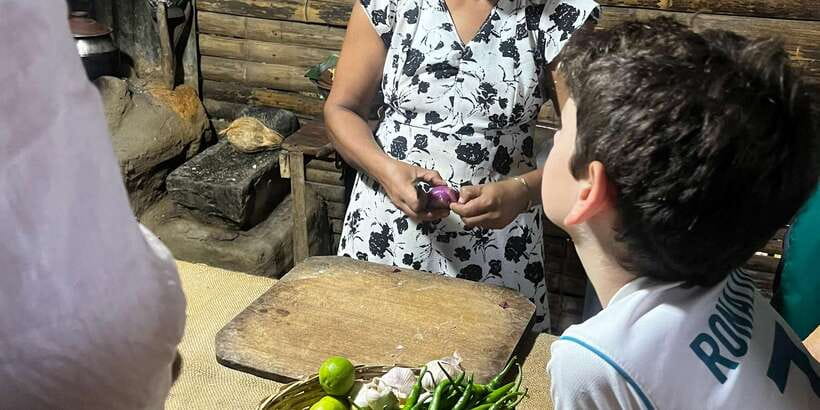
Ranjani begins by introducing the ingredients. This is where the class gains much of its value. Instead of treating spices as a list of items to copy, she explains how they are used and why they matter in the finished dish.
You can expect discussion of herbs, spices, garden produce, coconut, and other fresh ingredients. Several sessions have included lessons on the traditional preparation of coconut, including grating it and making coconut milk. These are useful skills because coconut milk gives Sri Lankan curries their body, while freshly prepared coconut can change the texture and flavor of sambol.
Ranjani also talks about traditional ideas concerning the health benefits of ingredients. Treat this as cultural food knowledge rather than medical advice, but it adds an interesting layer to the lesson. You learn why certain spices and herbs are valued in Sri Lankan home cooking, not just when to add them to a pot.
The class is particularly useful if you have wondered why Sri Lankan food can taste so layered without relying on heavy sauces. The answer lies in the order of cooking, the treatment of coconut, the balance of spice, and the separate preparation of several small dishes.
The hands-on cooking format, and what you actually do
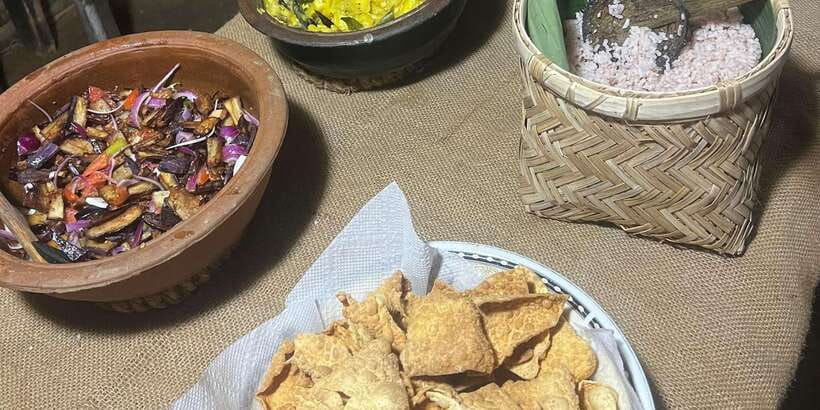
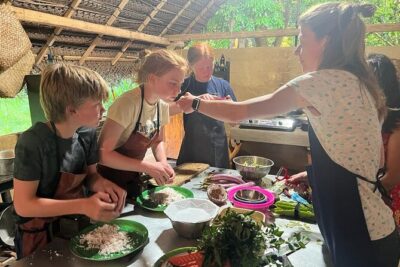
This is a shared cooking class, not a row of private workstations. Ranjani demonstrates the more difficult techniques, then invites people to chop, mix, season, grate, stir, and help with other tasks.
That format creates a friendly social mood. You cook as a group, taste as you go, and see how separate dishes come together into one meal. If you are traveling alone, it is an easy way to meet people over a practical activity. If you are a couple or family, you can share the work instead of each person following an isolated recipe.
The tradeoff is hands-on time. You will participate, but you may not personally cook every dish from beginning to end. With a full group, you might wait for your turn at some stages. One particularly useful review of the format made the point clearly: this is ideal if you enjoy learning from a host at one shared station, but less suitable if you want an individual kitchen and a plate made entirely by you.
The stated group limit is eight people. Actual group size may not always be identical, and one session was described as having 13 participants. A larger group can feel crowded, though other sessions still gave everyone a turn. If personal cooking time is your top priority, contact the provider ahead of time and ask about the expected group size.
The dishes you may prepare in two hours
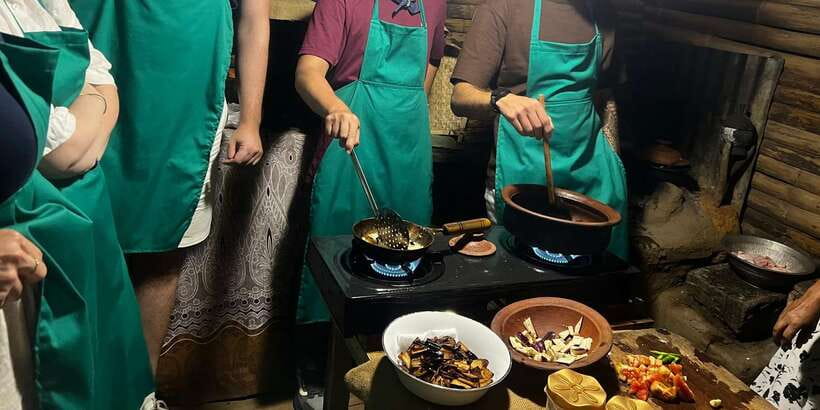
The exact menu is not fixed in the information provided, so you should not book expecting one guaranteed set of dishes. The class can include several of the following:
- Dhal curry
- Chicken curry or vegetable curry
- Rice and curry
- Coconut sambol
- Aubergine salad
- Papadam
- Hoppers
- String hoppers
- Honey roti
That range gives you a good introduction to the structure of a Sri Lankan meal. Dhal provides a soft, spiced base. Curry adds a deeper sauce and, depending on the menu, meat or vegetables. Sambol brings a fresh, sharp contrast. Papadam supplies crunch.
Hoppers are bowl-shaped pancakes, usually associated with Sri Lankan breakfasts and light meals. String hoppers are delicate pressed rice noodles. Both show how different techniques can produce very different textures from simple staples.
Honey roti adds a sweeter note and changes the rhythm of the meal. Preparing several dishes also helps you understand that Sri Lankan cooking is not simply one curry poured over rice. It is a collection of flavors and textures served together.
You may also see traditional tools and methods that are less common in European kitchens. Coconut preparation can involve old-fashioned equipment, and some demonstrations use a machete-like tool for working with ingredients. This is not a modern shortcut-based class, which is precisely why it feels useful for understanding the food.
Same island, a completely different kind of day:
- Ella: Drop to Tangalle/Hiriketiya/Mirissa/Galle & Yala Tour
★ 4.9 · 518 reviews - Ella: Little Adam’s Peak, Nine Arches Bridge & Waterfalls
★ 4.9 · 402 reviews - ELLA: Drop to Tangalle/Hiriketiya/Mirissa/Galle & Yala Tour
★ 4.1 · 336 reviews - From Ella: Drop to Tangalle/Hiriketiya/Mirissa & Yala Safari
★ 4.8 · 296 reviews
The shared banana-leaf meal
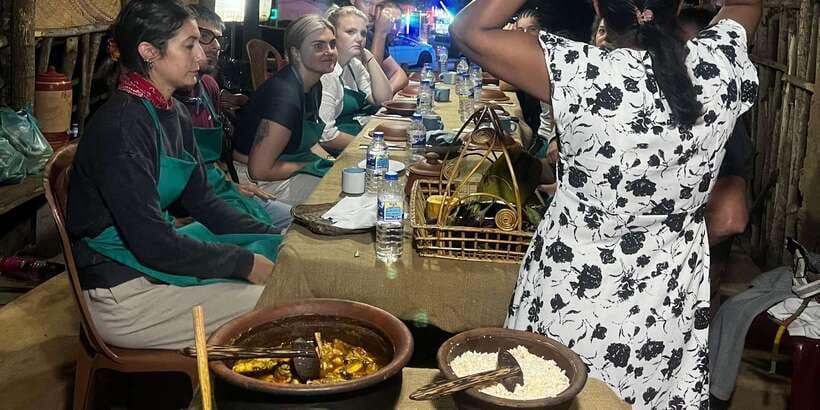
Once the cooking is finished, you sit down and eat together. The meal is served on banana leaves, a practical local tradition that reduces the need for plates and washing up. It also changes the feeling of the meal: you are not just sampling a dish in a classroom, you are sitting down to a Sri Lankan-style spread.
The strongest part of the experience is the amount and quality of food. Several menus have included five dishes, and portions can be generous enough for seconds. Dhal, curries, sambol, rice, aubergine, papadam, and other sides can create a full feast rather than a small tasting.
This is also where the shared format pays off. The food was prepared collectively, so everyone has a reason to discuss what worked, which spice surprised them, and what they want to recreate at home. Bottled water is included, and welcome tea and biscuits may be served at the start.
Do not rush this final part. The official duration is two hours, but eating a large meal takes time. If you have a train, transfer, or another fixed plan, leave a buffer of about 30 minutes. One session ran closer to two and a half hours because there was plenty to eat and the host kept the pace relaxed.
Why the ingredient lessons are worth your time
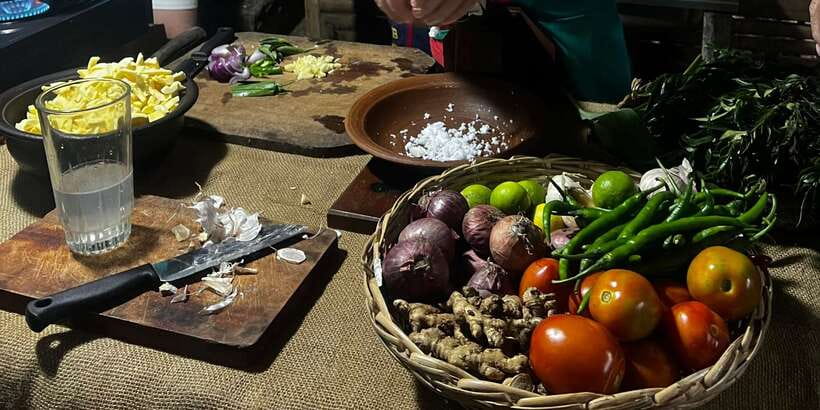
The cooking class is not only about following instructions. Ranjani explains how ingredients are used, how they affect the body according to local traditions, and how cooking methods change the result.
That background helps you make sensible substitutions at home. Sri Lankan ingredients may not be easy to find everywhere, so the recipes are chosen with home cooking in mind. You can ask about ways to recreate the dishes after returning home, and digital recipes are sent through WhatsApp after the class.
This follow-up is a real advantage. A cooking lesson can fade quickly if you leave with only a memory of what happened. The WhatsApp recipes give you a reference for repeating the dhal, curry, sambol, or other dishes later. Some participants also received a cookbook PDF when they asked for one, though you should confirm what will be sent with your provider.
The class also works well for vegetarians and vegans. Vegetarian food is central to the menu, and dietary needs have been accommodated, including a vegan participant who could eat everything except one dish. Tell the provider about your diet before the session so the menu can be handled clearly.
Price, timing, and practical value
At $19 per person, this is a strong-value activity if you want both instruction and dinner. You are paying for the teacher, fresh ingredients, the cooking lesson, the finished meal, bottled water, and recipes afterward. A meal alone may cost less, but it would not teach you how to reproduce it or show you the traditional preparation methods.
The value improves if you are hungry. You are not receiving a tiny sample at the end. Several sessions produced enough food for generous portions, and some people had leftovers. The class also replaces a restaurant meal, making the price easier to justify.
Transportation to the meeting point is not included. You need to arrange your own way to Chamathka Cooking Class. Check the meeting details carefully and plan extra time, especially for the 5:00 PM session.
Free cancellation is available up to 24 hours before the activity for a full refund. You can also reserve now and pay later, which helps if your Ella plans depend on weather or transport. Starting times can be flexible if you contact the provider ahead of time.
The main drawbacks to consider
The class is not ideal for every kind of cook. You will not necessarily choose the menu, and you will not each prepare a separate plate at an individual station. If you want a precise, technical course with detailed measurements and solo practice, this may feel informal.
The open-air kitchen is part of the charm, but weather can affect the session. One class continued successfully in difficult weather, though conditions made the work harder. You should expect a working kitchen, not an air-conditioned room.
Group size is another variable. The advertised maximum is eight, but reports of a larger session suggest that numbers can occasionally differ. A bigger class may mean less time with the knife, pan, or mixing bowl. On the other hand, the group setting is part of the social experience and can make the meal more fun.
Finally, allow more than the advertised two hours. The lesson itself may fit that schedule, but a welcome drink, several dishes, questions, and the final meal can stretch the visit. I would avoid booking a tight onward connection.
Who should book this Ella food experience?

I would choose this class if you want to understand Sri Lankan food through a local kitchen rather than only eating it in restaurants. It suits curious cooks, couples, solo visitors, families, and anyone looking for a social evening activity.
It is especially useful for you if:
- You want recipes you can use at home.
- You enjoy learning about spices and traditional food practices.
- You like several small dishes rather than one main course.
- You are happy to share a workstation.
- You want a rainy-day activity in Ella.
- You need a vegetarian or vegan-friendly option, arranged in advance.
I would think twice if your main goal is private instruction, advanced culinary technique, or complete control over the menu. The class is warm and practical, but it is not designed as a professional chef course.
Should you book Chamathka Cooking Class?
Yes, if you value a generous meal, local methods, and a friendly host more than a polished cooking-school setup. Ranjani’s explanations of spices, coconut, health traditions, and home-style cooking add substance to the two hours, while the banana-leaf meal gives the experience a clear local character.
Book it with three expectations: you will cook as a group, the menu may vary, and the session may last longer than two hours. With those points in mind, $19 buys more than dinner. It gives you a practical look at how Sri Lankan food is built, plus recipes to try once you are home.
FAQ
How much does the cooking class cost?
The class costs $19 per person.
How long does the activity last?
The listed duration is two hours. You should allow around two and a half hours because the meal and relaxed pace may extend the visit.
Where do I check in?
Check in with staff at Chamathka Cooking Class.
What time does the class usually start?
Classes normally start at 11:00 AM or 5:00 PM. The provider may be flexible if you contact them in advance.
Who teaches the class?
The experience provider is Ranjani, often called Ranji. Instruction is available in English and Singhalese.
What dishes might I learn to make?
Possible dishes include hoppers, rice and curry, string hoppers, honey roti, dhal curry, chicken curry, aubergine salad, coconut sambol, and papadam. The exact menu can vary.
Is the meal included?
Yes. Fresh ingredients, the cooking class, the finished meal, an instructor, and bottled water are included.
Are transportation and transfers included?
No. Transportation to the meeting point is not included.
How do I receive the recipes?
Recipes are sent digitally through WhatsApp after the class.
Just added around Ella
- Zip Lining in Ella★ 4.5 · 16 reviews
- YALA BLOCK 5 & 6 (Weheragala & Lunugamwehera) Safari Tour★ 4.8 · 30 reviews
- Yala Block 5: Private Morning or Evening Safari★ 4.3 · 4 reviews
- Sri Lanka private tour package 10 Days. and luxury hotel★ 5.0 · 3 reviews
- Sri Lanka Private 10-Day Round Tour Car, Guide, Hotels, Food★ 4.8 · 10 reviews
- Private cooking class – Personalized classic menu★ 5.0 · 5 reviews
- Haputale:Glorious Tuk Tuk Ride to Lipton’sSeat & Tea Factory★ 5.0 · 6 reviews
- Get a private driver for day tours around Sri Lanka★ 5.0 · 18 reviews
Cooking Classes, compared.
Organic cooking class sigiriya (kumara & family)
Read our review →
Sri Lankan Cooking Class with Neranji at Homestay
Read our review →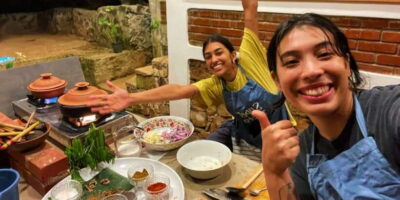
Browse the lists this tour appears in