
Reviewed · COOKING CLASSES
Authentic Sri Lankan Cooking Class in Mirissa
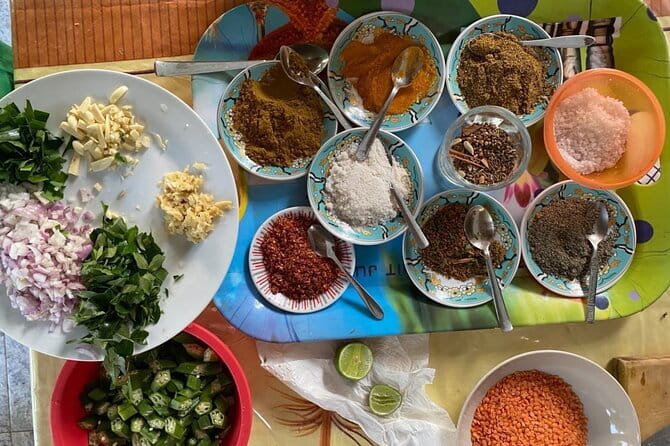
Sri Lankan cooking is best learned with your hands, and this small family-run class gives you plenty to do. You begin by choosing fresh ingredients, then prepare four dishes with Nona and Indra before sitting down to eat rice, curries, and crisp papadams. I like the personal setting and the freedom to choose dishes rather than follow a fixed menu.
I also like that the cooking happens in an outdoor kitchen and garden, with room for conversation, laughter, and a little dancing if the mood takes you. The main consideration is that solo bookings are not accepted, and the 4:00 pm start may clash with other late-afternoon plans.
Key points
- Choose four dishes: Pick from chicken or fish curry, dhal, pumpkin, beans, aubergine, mushrooms, potatoes, okra, leafy greens, and coconut sambol.
- Shop before cooking: Learn about the ingredients and their flavors, with some sessions including a trip by tuk-tuk to a local vegetable stand.
- Small groups: The class accepts a maximum of six people, which keeps the cooking fairly personal.
- Eat what you make: Your dishes come with a generous serving of rice and crispy papadams.
- Family-style setting: The kitchen and garden feel more like a home visit than a formal cooking school.
- Practical timing: Allow about three hours, beginning at 4:00 pm and ending back at Indra Restaurant in Mirissa.
A Three-Hour Introduction to Sri Lankan Rice and Curry
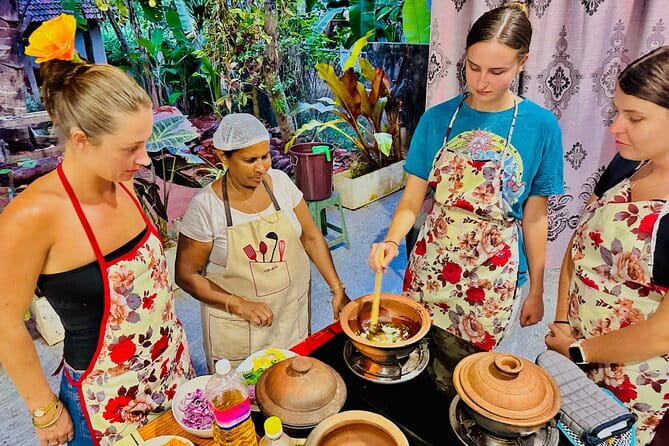
This class is built around a simple idea: the best way to understand Sri Lankan food is to make several dishes at once. Rather than focusing on one elaborate recipe, you work through a group of curries and vegetable preparations that show how a Sri Lankan meal fits together.
You can choose four dishes from the available list. Options include chicken or fish curry, dhal, pumpkin curry, green beans, aubergine fry, leafy greens, mushrooms, potatoes, okra, and coconut sambol. The exact vegetable choices depend on what is available that day, so you get some flexibility rather than a rigid menu.
That matters because Sri Lankan cooking is not just one curry placed beside a mound of rice. A good plate balances creamy dhal, a sharper sambol, a dry vegetable dish, and a richer curry. You get a better feel for that balance by preparing several small dishes than by making one large recipe in isolation.
The class begins at 4:00 pm and lasts about three hours. That timing makes sense for a late meal, but you should plan your afternoon around it. This is not a quick demonstration followed by a tasting. You are there to help prepare the food, learn the steps, and eat the finished meal.
A few more Galle trips to weigh up
- Sea waves sri lankan cooking class
★ 5.0 · 467 reviews - Galle Unawatuna Cooking Class
★ 5.0 · 142 reviews - Galle Fort cooking class
★ 5.0 · 60 reviews
Meeting Nona and Indra at Indra Restaurant
The meeting point is Indra Restaurant, at WFX5+XMF in Mirissa, Sri Lanka. The activity ends at the same place, so you do not need to arrange a separate return transfer after dinner.
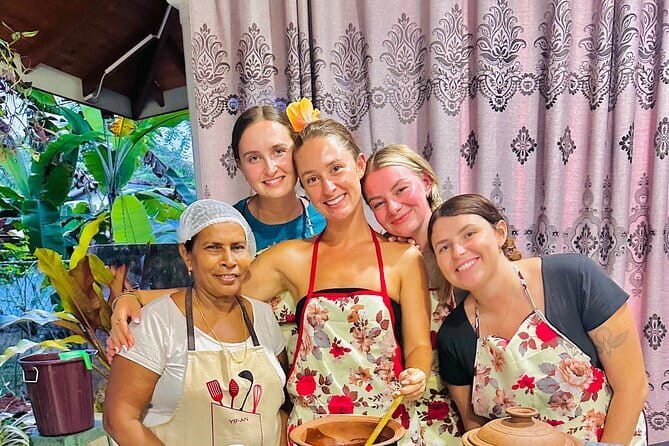
Nona and Indra lead the experience, with Prabodi also involved in hosting some sessions. The tone is informal and family-like. That is useful if you want a class where you can ask questions freely and work at an easy pace, rather than one that feels like a professional kitchen exam.
You do not need advanced cooking skills. The class is hands-on, but it is designed for ordinary home cooks. You can expect the hosts to explain and show each step, then let you take part. The emphasis is on learning by doing, not on producing restaurant-perfect food.
That relaxed approach is one of the strongest reasons to book. If you are nervous about cooking unfamiliar food, you should find the format forgiving. If you already cook often, you may want to ask questions about the spice combinations, cooking order, and how the same ingredients can be used in different dishes.
Shopping for Fresh Ingredients in Mirissa
The first practical part of the experience is shopping for ingredients. You learn about the produce, its flavors, and where it fits into the meal before cooking starts. In some sessions, the hosts take participants by tuk-tuk to a vegetable stand, while other descriptions refer more generally to shopping together at a local shop.
This short outing gives the class a useful local connection. You are not simply handed a tray of premeasured ingredients. You get to see the produce that will shape the meal and have a say in which vegetables you prepare.
The day’s supply affects your choices. The class offers a broad menu, but not every vegetable will necessarily be available every day. That is not a flaw. Sri Lankan home cooking often follows the market and the garden, so the changing selection is part of the point.
If you have dietary preferences, this is the time to explain them. The menu includes several vegetarian dishes, and you may choose another vegetable if it is available that day. The information provided does not promise a separate allergy menu, so anyone with a serious allergy should contact the provider before booking.
Choosing Four Dishes From a Flexible Menu
The menu is broad enough to suit different tastes. You can choose a meat or fish curry, then add dhal and vegetable dishes to build a balanced plate. Or you can focus on vegetarian food, with pumpkin, green beans, aubergine, mushrooms, potatoes, okra, leafy greens, and coconut sambol available as possible choices.
Here is what each category brings to the meal:
- Chicken or fish curry: This is the choice for a richer, more substantial centerpiece. The exact protein depends on your selection and availability.
- Dhal or lentils curry: A familiar Sri Lankan staple, useful for learning how a soft lentil curry supports the other dishes.
- Pumpkin curry: A sweeter vegetable option that helps balance sharper or hotter flavors.
- Green beans curry: A simple way to add a fresh vegetable dish to the plate.
- Aubergine fry: A dry preparation with a different texture from the saucier curries.
- Green leaf salad or stir fry: A lighter vegetable choice, depending on the preparation used that day.
- Mushrooms dry curry: A meat-free dish with a firmer, more savory character.
- Potato curry: A filling and familiar choice that works well with rice.
- Okra dry curry: A chance to try a vegetable preparation that may be less familiar to you.
- Coconut sambol: A bright, coconut-based accompaniment that adds contrast to the curries.
The description specifies four dishes, although some sessions may teach more if time and the group allow. You should treat four as the reliable expectation. The number is enough to give you variety without turning the class into a long kitchen shift.
Same island, a completely different kind of day:
- Whales and Dolphins Watching-Luxury Super Grade Cruiser(Hotel Pick up offered)
★ 5.0 · 1,268 reviews - Galle: Traditional Gems & Jewellery Workshop with Transfers
★ 4.9 · 539 reviews - Galle Fort Walking tour
★ 4.9 · 285 reviews - Snorkeling with Turtles in Mirissa
★ 5.0 · 268 reviews
Learning the Rice, Curries, and Side Dishes
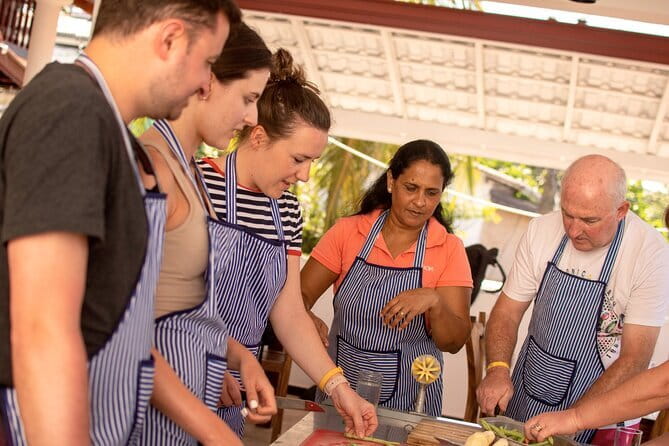
Rice is not an afterthought here. The hosts specifically teach the secrets of making good rice, then serve it with the dishes you prepare. That may sound basic, but rice carries the curries, absorbs sauces, and affects how the whole meal feels.
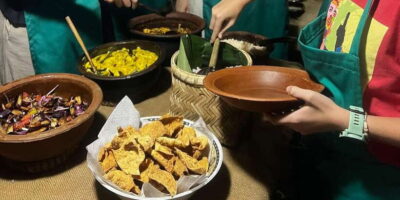
The class also includes crispy papadams, which add crunch to an otherwise soft meal. Together, rice, papadams, curries, vegetables, and sambol create the full plate. You are learning the structure of a Sri Lankan meal, not just a handful of isolated recipes.
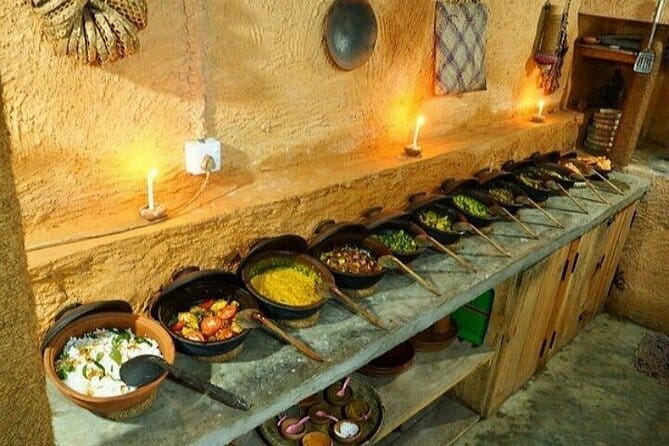
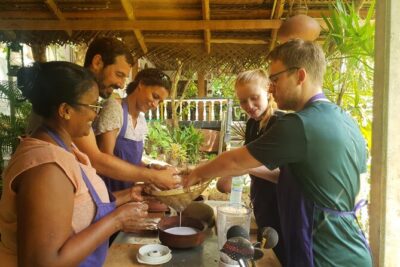
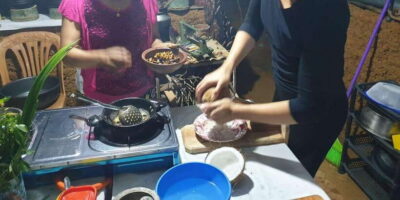
The cooking space is outdoors and set in a garden. You should expect a casual setting rather than a polished school kitchen with individual workstations. For many people, that is a plus. The garden setting gives the class a peaceful, home-based feel, and the small group size should make it easier to see what is happening.
There is also a social side to the cooking. The class has been described as a place for conversation, laughter, and dancing, not only chopping and stirring. If you want a quiet technical lesson with little interaction, this may feel more sociable than expected. If you enjoy meeting your hosts and sharing a meal, it is part of the appeal.
Sitting Down to a Generous Sri Lankan Meal
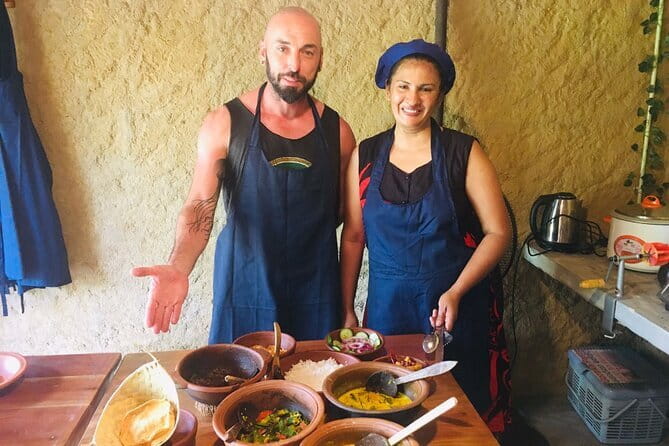
After the cooking, you eat the food you helped prepare. Every selected dish is served with a generous portion of rice and crispy papadams, so you should arrive hungry.
The meal is valuable because it lets you taste the relationship between the dishes. A curry can seem strong on its own, but change when mixed with rice, dhal, sambol, or a dry vegetable preparation. You can compare the textures and see why several modest dishes make a more interesting meal than one oversized serving.
This is also where the class feels different from a standard restaurant meal. At Indra Restaurant, you can order Sri Lankan food, but in the class you see the steps that create it and understand the choices behind the plate. You leave with a better chance of recreating something similar at home.
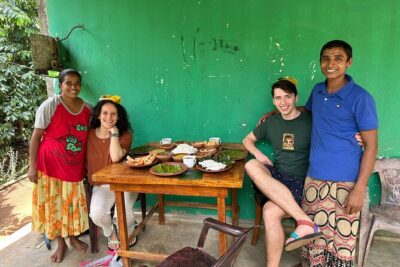
The food is the main reward, but the setting matters too. You are eating in the same relaxed environment where you cooked, with the hosts nearby. That makes the final meal feel like part of a family gathering rather than a separate dining service.
Why the Small Group Size Matters
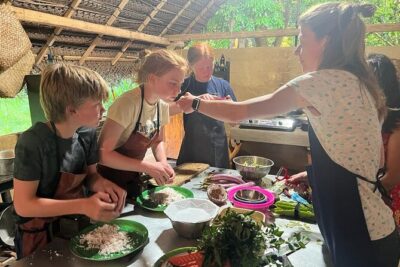
The maximum group size is six people. That is a strong number for a hands-on cooking class. With a large group, you might spend much of the time watching someone else chop or waiting for a turn. Here, you have a better chance to take part in several stages of the meal.
The size also affects the mood. The class can feel personal without requiring a private booking. One session included only one other couple alongside the participants, which gives you an idea of how intimate the experience can be when bookings are light.
There is one firm limitation: the minimum booking is two people. Solo visitors cannot book at this time. Couples, friends, and small family groups are the best fit, while solo visitors should look for another class or arrange to join someone they know.
Because the group is small, the experience may also depend on the mix of people attending. A lively group can lead to plenty of conversation and fun. A quieter group may produce a calmer class. Either way, the family setting keeps the experience informal.
Is $30 a Fair Price?
At $30 per person, this is priced as more than a meal and less than a full-day food tour. The value comes from the combination of shopping, instruction, hands-on preparation, and dinner.
You are getting about three hours of activity, four dishes of your choice, rice, and papadams. The hosts also provide access to their kitchen and garden, plus guidance from people who cook this food as part of daily life. If you planned to buy a similar meal at a restaurant, you would not get the ingredient shopping or the cooking practice.
The price is especially fair if you care about learning. You are paying for a useful skill as well as food. The class should appeal to you if you want to remember Sri Lanka through something you can prepare after returning home.
It is less compelling if you only want a fast dinner. The start time is fixed, the class takes roughly three hours, and you are expected to participate. Someone looking for the cheapest possible meal should simply eat at a local restaurant instead.
Practical Details Before You Book
The activity uses a mobile ticket, and booking confirmation is provided at the time of booking. The meeting point is Indra Restaurant in Mirissa, and the class starts at 4:00 pm. It returns to that same meeting point.
The class is near public transportation, and service animals are allowed. The supplied information does not provide a detailed accessibility description for the garden kitchen, so contact the provider if you need specific arrangements.
You can cancel for a full refund if you do so at least 24 hours before the start time. Cancellations or changes made less than 24 hours before the experience are not refunded or accepted, and the cut-off follows local time.
One practical tip is to keep the late afternoon clear. The shopping and cooking are both part of the experience, so arriving late could mean missing the ingredient selection or an important preparation step.
Who Will Enjoy This Cooking Class Most?
I would choose this for couples and small groups who want a personal food experience in Mirissa. It is a good match for curious eaters, home cooks, and anyone who would rather spend an evening with local hosts than sit through a formal demonstration.
Vegetarians have plenty of possible choices, though the exact produce depends on the day. Meat and fish eaters can choose a chicken or fish curry and add several vegetable dishes around it.
Families may enjoy the friendly mood, but remember that the group is capped at six and solo bookings are not accepted. The class also suits beginners because you do not need strong cooking skills to take part.
I would think twice if you dislike group activities, cannot eat the listed ingredients, or need a guaranteed private class. The experience is built around shared cooking and a family-style atmosphere, and the available menu can change with the day’s produce.
Should You Book the Mirissa Cooking Class?
Book it if you want more than a recipe card. The shopping, flexible menu, garden kitchen, small group, and shared meal combine into a useful introduction to Sri Lankan home cooking. I especially like that you choose four dishes and get to see how rice, curries, dry vegetables, sambol, and papadams work together.
The main limits are clear: you need at least two people, you must allow about three hours, and the 4:00 pm start leaves little room for other plans. For a couple or small group with an open evening, $30 is a sensible price for both dinner and a practical cooking lesson.
If you want to meet Nona, Indra, or Prabodi, cook in a relaxed family setting, and leave knowing more about Sri Lankan food than you did at breakfast, this is an easy experience to recommend.
FAQ
Where does the cooking class start?
It starts at Indra Restaurant, WFX5+XMF, in Mirissa, Sri Lanka.
What time does the class begin?
The class starts at 4:00 pm.
How long does the activity last?
The cooking class lasts approximately three hours.
How many people can join?
The activity has a maximum of six participants.
Can I book if I am traveling alone?
No. The experience requires a minimum booking of two people and does not accept solo bookings.
What is included in the meal?
You prepare four selected dishes, or another available vegetable choice, and eat them with a generous portion of rice and crispy papadams.
Just added around Galle
- Kanneliya Rain Forest Tour★ 5.0 · 10 reviews
- Yala National Park Private Safari (All Inclusive) From Mirissa★ 4.5 · 4 reviews
- Galle Day Tour with Turtle Hatchery & River Boat Safari★ 5.0 · 4 reviews
- Yala Safari Drive From Galle, Weligama, Mirissa & Dickwella★ 5.0 · 7 reviews
- Yala National Park Private Safari trip from Galle/Unawatuna/Mirissa★ 5.0 · 12 reviews
- Whale Watching Experience in Mirissa★ 4.5 · 6 reviews
- Whale Watching Mirissa Ultimate Tour in Sri Lanka with Breakfast★ 4.5 · 6 reviews
- From: Ella – YALA Safari – Drop off: Arugam Bay / Arugambay★ 5.0 · 3 reviews
Cooking Classes, compared.
Organic cooking class sigiriya (kumara & family)
Read our review →
Sri Lankan Cooking Class with Neranji at Homestay
Read our review →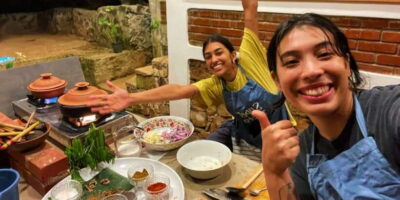
Browse the lists this tour appears in