
Reviewed · WORKSHOPS
Galle : Traditional Jewellery making workshop
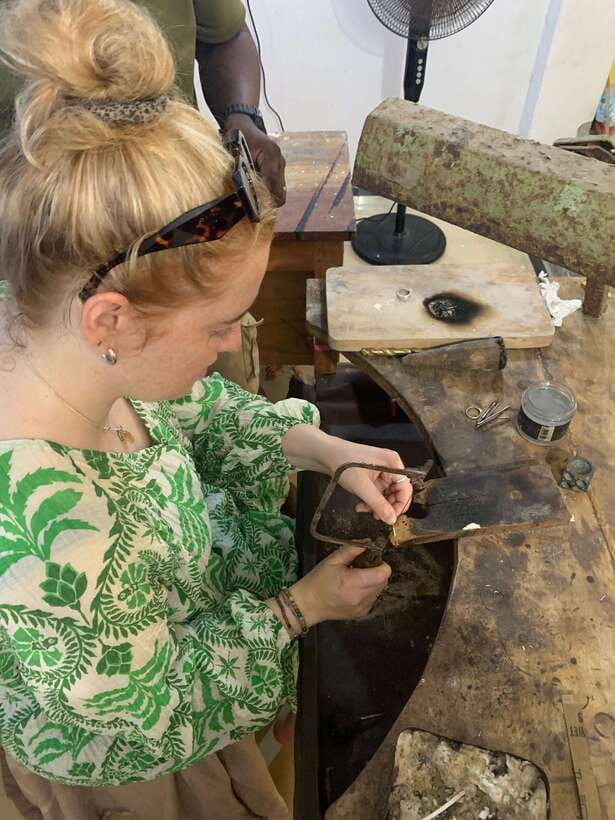
A day in a Sri Lankan family jewellery workshop gives you something a jewellery shop cannot: a close look at how metal, stone, design, and patient handwork become a finished ring. In Kotapola, you learn from an artisan with more than 40 years of experience, see how genuine stones are assessed, and take home a handcrafted silver ring.
I like two things here. First, the workshop is personal, often held in the family home with only your private group present. Second, the finished piece can reflect your own design wishes, and some visitors have made matching rings or brought photographs for the artisan to copy. The drawback is that your hands-on role may vary. You might help with several stages, but you may also spend long stretches watching the master do work that requires years of skill.
Key points to know before you book
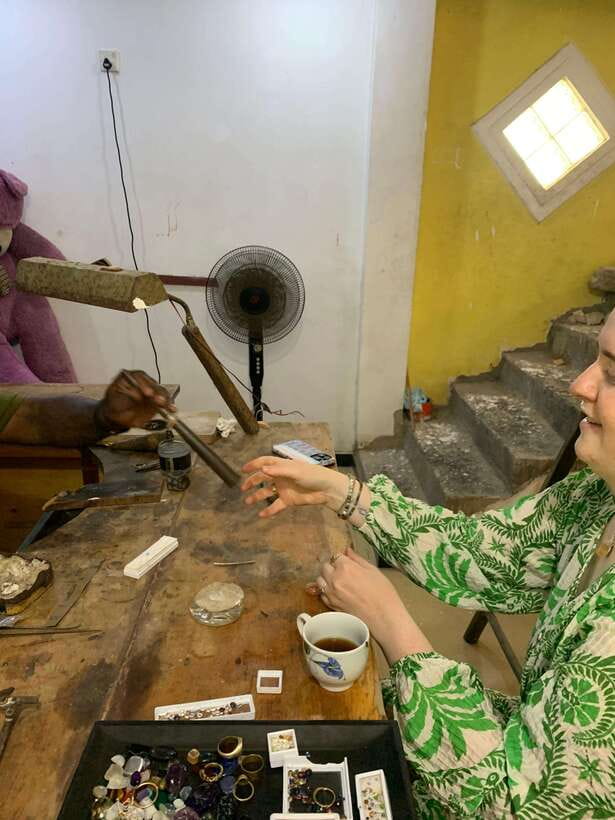
- A family-run workshop in Kotapola: You are directed to the artisan’s home, rather than taken through a large commercial jewellery showroom.
- A lesson in Sri Lankan gemstones: You learn how to spot genuine stones and understand what affects their value, but gemstones are not included in the $71 price.
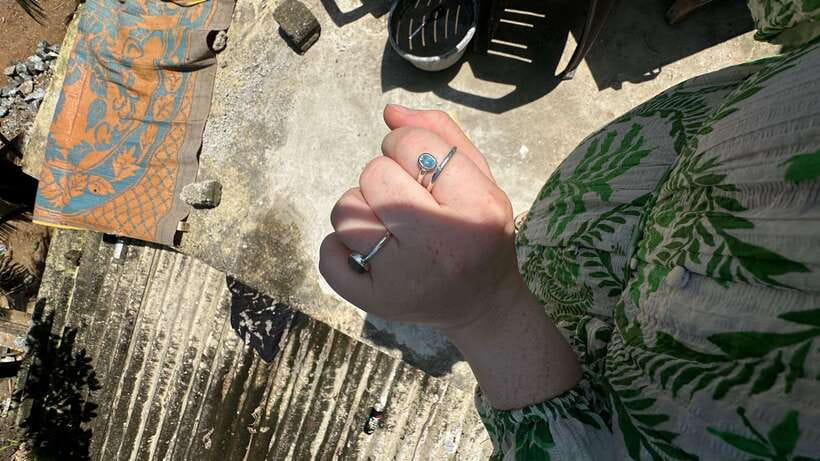
- A finished silver souvenir: The complimentary silver ring is included, while gold, gemstones, or more elaborate designs may cost extra.
- A private, English-language session: The workshop is designed for a private group, with explanations in English and personal guidance throughout the day.
- A full day with variable participation: You may work with tools and materials at some stages, though the artisan completes delicate or highly technical jobs.
- A practical access warning: The information gives conflicting details about wheelchair access, while also stating that the workshop is not suitable for people with mobility impairments. Confirm this directly before booking.
A family workshop rather than a jewellery showroom
The setting is part of the appeal. Your meeting point is not a fixed public shop in central Galle. The local artisan directs you to his house in Kotapola, where the jewellery work takes place as a family business.
That makes the day feel more like a visit to a working home workshop than a standard craft demonstration. Father and son may work together, and the family takes part in explaining the process and looking after you. Air conditioning and plenty of water have been provided during the day, which matters in Sri Lanka’s heat, especially if you are spending several hours watching metalwork.
You go by your own vehicle unless transportation is arranged from your location. That means you need to allow time for the journey to Kotapola and make sure you have clear directions from the host. The meeting arrangement is flexible, but it is not as simple as walking up to a marked attraction.
The private-group format is a real advantage if you want to ask questions, discuss a design, or take your time choosing a souvenir. It also means this is not a quick stop. You are setting aside a full day, with starting times based on availability.
A few more Galle trips to weigh up
- Galle: Traditional Gems & Jewellery Workshop with Transfers
★ 4.9 · 539 reviews - Sea waves sri lankan cooking class
★ 5.0 · 467 reviews - Galle Unawatuna Cooking Class
★ 5.0 · 142 reviews
Learning how Sri Lankan jewellery begins
The workshop starts with context. The artisan explains Sri Lanka’s gemstone trade and the range of stones associated with the country. You learn basic ways to distinguish a genuine stone from an imitation, along with the factors that affect value.
This part is useful even if you do not buy a stone. Sri Lankan jewellery shops can be confusing for a first-time buyer, and a short lesson in authenticity gives you better questions to ask later. You will not become a professional stone grader in one day, but you will understand why colour, clarity, cut, and treatment matter.
The teaching is not limited to a sales pitch. The point is to show how a stone fits into the wider process of making jewellery. You can ask about the design, the metal, and the way the stone is set. The explanations are given in English, and Malik has helped translate and explain the artisan’s work for visitors.
There is an important price distinction here. No gemstones are included in the base cost, and the complimentary item is a silver ring. If you want gold or a gemstone added to your own design, you may pay extra. The additional cost is not fixed in the supplied details, so ask for the price before choosing a stone or precious metal.
From a design idea to a ring
The creative part depends on what you want made. You can discuss a design with the artisan, and you may bring a photograph of a ring as a reference. One visitor brought two fairly difficult designs and received rings closely matching the pictures. That suggests the workshop can handle more than a basic tourist souvenir, but you should keep your expectations sensible.
An intricate ring takes skill, tools, and time. The artisan has decades of experience, and some stages are too delicate or exacting for a first-time maker. You are not entering a classroom where you independently produce a finished jewel from start to finish.
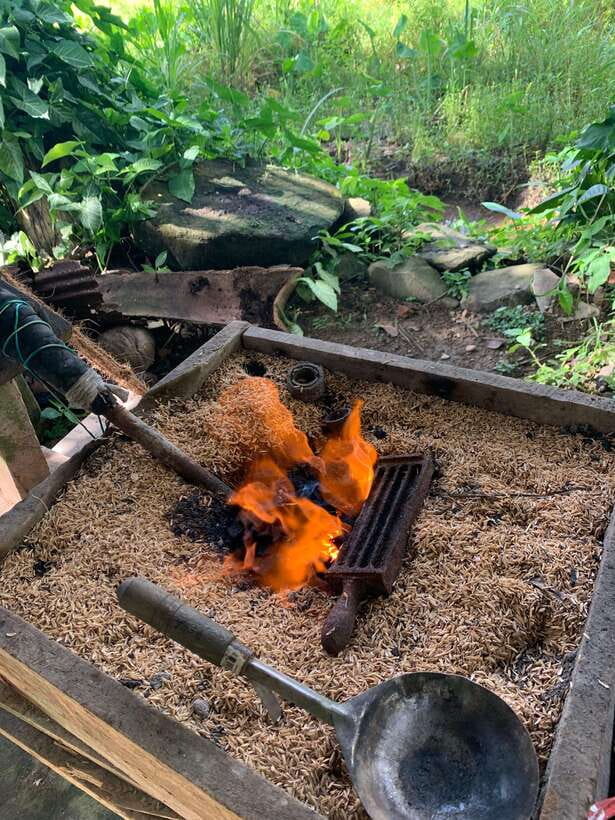
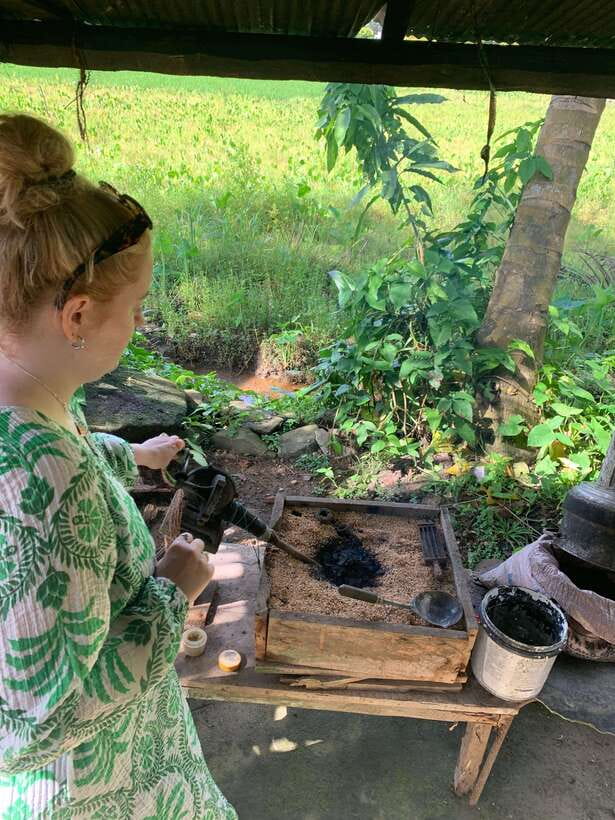
Instead, think of your role as a guided collaboration. The artisan explains each stage and may let you take part in practical work. Depending on the design, you might help smelt the silver, use a rolling mill, shape the metal, or work on other stages under close instruction. At other points, you watch while the artisan handles the precision work.
This balance is the main point to understand before booking. If you want a highly technical jewellery lesson with constant tool use, you may find the day more observational than expected. If you want to understand the process, contribute where practical, and leave with a well-made ring, the arrangement makes much more sense.
The tools, heat, and patient handwork
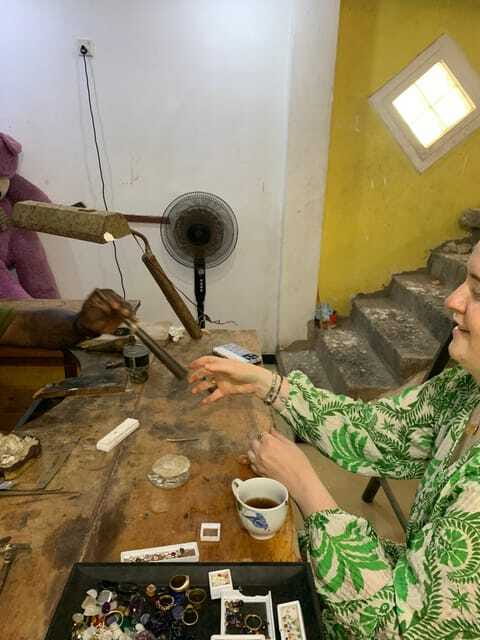
The appeal of the workshop comes from seeing ordinary-looking metal change shape through a series of careful steps. The artisan demonstrates the stages involved in turning silver into a wearable piece, explaining what is happening as the work moves forward.
Using a rolling mill, for example, helps show how metal can be reduced and shaped before it becomes part of a ring. Smelting silver gives you a direct sense of the heat and control involved. These are not decorative demonstrations. They show why handmade jewellery takes time and why a master craftsman’s role remains central.
You should wear comfortable clothes and shoes suitable for a workshop. Flash photography is not allowed, so bring a camera if you want photographs, but use it without flash and follow the family’s instructions. The workshop environment is practical rather than polished, which is exactly why sensible clothing is better than your finest holiday outfit.
The day’s pace will depend on your design and the stages required. A simple ring may not involve the same amount of work as a more complex piece. Ask early how much of the process you will be able to handle yourself, particularly if hands-on participation is the main reason you are booking.
Same island, a completely different kind of day:
- Whales and Dolphins Watching-Luxury Super Grade Cruiser(Hotel Pick up offered)
★ 5.0 · 1,268 reviews - Galle Fort Walking tour
★ 4.9 · 285 reviews - Snorkeling with Turtles in Mirissa
★ 5.0 · 268 reviews - Whale Watching Mirissa with ( WWC )
★ 5.0 · 252 reviews
Choosing a gemstone or paying for an upgrade
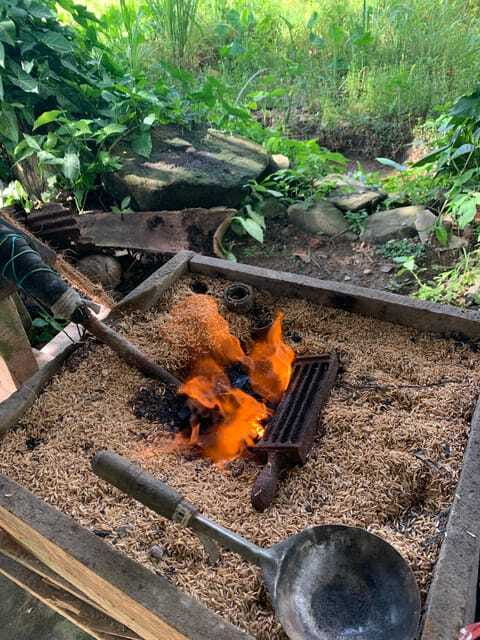
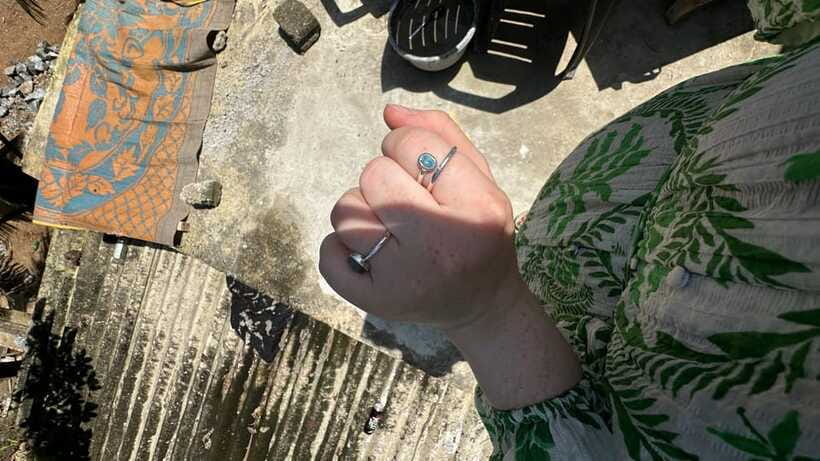
The included silver ring gives you a clear base value. You receive a handmade souvenir without having to purchase a stone. That keeps the advertised price easier to understand and protects you from feeling pressured to buy something expensive.
You can also choose to spend more. Gold and gemstones are available at an extra cost, according to the workshop information and visitor experience. This can make the day more personal, especially if you already want a particular stone or are marking a special occasion.
Still, treat the extra purchase as optional. You do not need to buy a gemstone to benefit from the lesson on identification and value. If you do choose one, confirm the stone, metal, final price, and design before work begins.
This is also where the experience differs from a simple craft class. You are learning about a marketable product in a country known for gemstones, and you may decide to create a more valuable piece. That can be worthwhile, but it requires a clear budget. The $71 fee covers the workshop and materials for the session, not a precious stone.
What the $71 price really covers
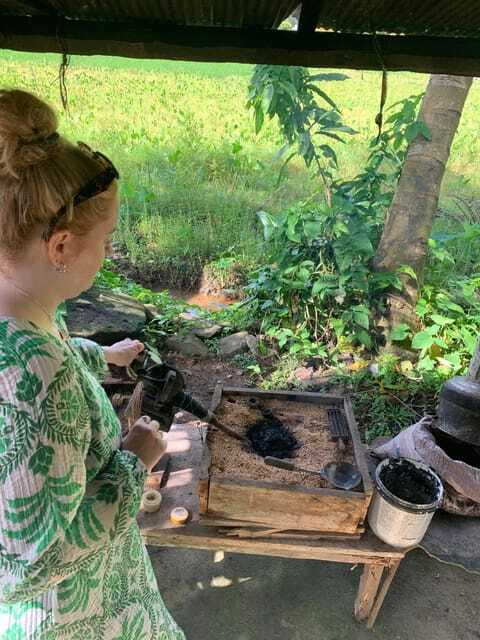
At $71 per person, this is not the cheapest way to fill a day in Sri Lanka. Transportation, meals, drinks beyond the welcome drink, and gemstones are not included. If you are comparing it with a short museum visit or a quick demonstration, the cost looks high.
The value improves if you want three things at once: personal instruction, a cultural meeting in a working family home, and a finished silver ring. Materials for the session are included, as is the complimentary ring, so you have a tangible souvenir rather than only photographs and memories.
The private-group setting also changes the calculation. You are not paying for a large group lecture. You have room to discuss your own design and ask questions directly. For couples, the experience can be especially worthwhile because you can make matching rings or create pieces connected to a shared trip.
The extra-cost system needs care. Gold and gemstones can increase the final bill, so decide how much you want to spend before you arrive. If your budget is fixed, stick with the included silver ring and treat gemstone selection as a lesson rather than a purchase opportunity.
Getting there and spending the day comfortably
You use your own vehicle to reach the meeting point, and the host directs you to the family home. Transportation can be arranged from your location if needed, but you should confirm the price and pickup details in advance because transport is not included in the stated fee.
There is no meal included, so carry food or plan around the workshop. A welcome drink is provided, and water and air conditioning have been available during the session, but the activity information specifically excludes meals and drinks beyond the included welcome refreshment.
The full-day duration makes planning important. Do not place this immediately before a timed flight, train, or another fixed tour. Starting times depend on availability, and the work may take much of the day, especially if you request a particular design.
Children under 10 cannot participate. The workshop is best suited to adults and older children who can listen carefully around tools, heat, and delicate materials.
Who will enjoy this most
I would recommend this to anyone who likes jewellery, small-scale craft, or meeting a family that still works through a traditional trade. It is also a strong choice if you want a souvenir with a personal story rather than a ready-made item bought from a rack.
Couples have a natural reason to book. Matching rings are possible, and the private setting gives you time to discuss designs without a crowd around you. A person celebrating a birthday, anniversary, or special trip may also value the chance to leave with a custom piece.
You should be comfortable with a slow, focused day. This is not a sightseeing tour with several stops. You spend your time in one workshop, watching demonstrations, asking questions, and taking part where the artisan allows.
The activity may not suit you if you dislike jewellery shopping, have limited time, or expect to make every part of the piece alone. It is also not suitable for children under 10 or people with mobility impairments.
There is conflicting accessibility information: one part of the activity details says wheelchair accessible, while another says the workshop is not wheelchair accessible and is unsuitable for people with mobility impairments. Contact Ceylon Eco Love Tours before booking if access is important to you, and ask about the route, entrance, seating, and workshop floor.
The small details that make the day worthwhile
The strongest part of the experience is the direct contact with the artisan’s work. You see the father and son working together, and you get a sense of a family trade passed between generations. One artisan is described as having nearly 50 years of experience, while another account gives more than 40 years, so you can safely expect a very seasoned craftsman at the centre of the session.
The family setting also brings useful human touches. Clear communication about reaching the house, a cool workshop, and regular water help make a long day easier. These details are not the headline attraction, but they matter when you are spending hours on a craft project.
I also like that the souvenir is not presented as an afterthought. The silver ring is made with care, and the workshop explains the work behind it. You leave with a better understanding of why a small ring can involve so many stages.
For the best result, arrive with a clear idea of what you like. Bring a photograph if you have one, but be open to the artisan adjusting the design to suit the metal and the available technique. Ask about the included silver ring and any extras before work starts. That simple conversation keeps the day relaxed and the final cost clear.
Should you book this Kotapola jewellery workshop?
Book it if you want a private, family-run craft experience and you would value a handmade silver ring from your time in Sri Lanka. The gemstone lesson, English guidance, and chance to help with parts of the process give the day more substance than a standard souvenir stop.
Think twice if you want a short activity, a fully independent jewellery class, or a tour with meals and transport built in. The $71 price is fair for a full day of personal attention and a finished silver piece, but it becomes less of a bargain if you add costly gold or gemstones without setting a budget.
My practical choice would be to book the workshop for the silver ring and the lesson, then decide about an added stone only after you understand the options and price. Confirm transportation, your expected hands-on role, and accessibility before you go. If those points suit your plans, this is a memorable way to connect a piece of jewellery with the people and skills behind it.
FAQ
Where does the jewellery workshop take place?
The workshop takes place at the local artisan’s house in Kotapola, Sri Lanka. The host directs you to the home, and you can travel there in your own vehicle.
Is transportation included?
No. Transportation to and from the workshop is not included. The host can arrange transportation from your location if needed, so confirm the details before booking.
What is included in the $71 price?
The price includes a welcome drink, a hands-on jewellery-making session, an English-speaking artisan’s guidance, all materials needed for the session, and a complimentary silver ring.
Are gemstones included?
No. Gems are not included. You may be able to choose a gemstone or gold for an additional cost, but confirm the price before agreeing to any upgrade.
Can I make my own ring?
You can take part in the jewellery-making process with guidance from the artisan. The amount of hands-on work depends on the design and stage of production, and the artisan completes delicate or highly technical work.
Is the workshop held in English?
Yes. The instructor language is English. Malik has also translated and explained the artisan’s process during the workshop.
Can children participate?
Children under 10 years old are not permitted to participate.
Is the workshop wheelchair accessible?
The supplied activity details conflict on this point. One section says wheelchair accessible, while another says the workshop is not wheelchair accessible and is unsuitable for people with mobility impairments. Contact Ceylon Eco Love Tours to confirm access before booking.
Just added around Galle
- Galle: Traditional Sri Lankan Cooking Class★ 5.0 · 21 reviews
- Galle: Sri Lankan Cuisine Cooking Experience★ 5.0 · 5 reviews
- Galle Fortt Guided Walking Tour with a Local★ 4.9 · 33 reviews
- From Colombo: Day Trip to Galle City, Koggala and Unawatuna★ 4.2 · 3 reviews
- Galle: All Inclusive City & Fort Guided Cycling tour★ 3.6 · 3 reviews
- Bentota: All Inclusive Galle Dutch Fort & Madu River Safari★ 4.2 · 6 reviews
- Adam’s Peak Night Hike Experience [One Day & ALL INCLUSIVE]★ 5.0 · 14 reviews
- GO WILD! Double Safari Day Trip (Yala & Udawalawe) – Private & All Inclusive★ 5.0 · 23 reviews
Workshops, compared.
Organic cooking class sigiriya (kumara & family)
Read our review →
Traditional Gems & Jewellery Workshop with Transfers
Read our review →
Sri Lankan Cooking Class with Neranji at Homestay
Read our review →
Browse the lists this tour appears in