
Reviewed · COOKING CLASSES
Galle: Traditional Sri Lankan Cooking Class
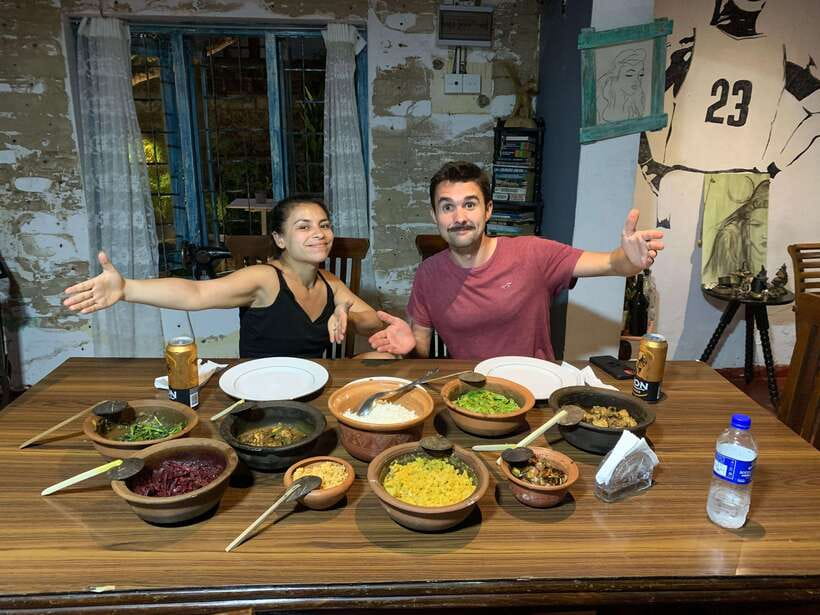
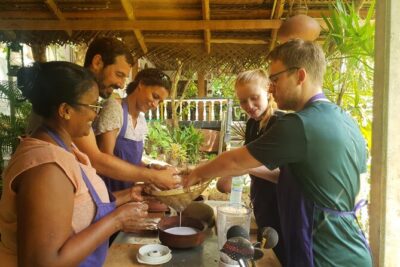
Sri Lankan cooking comes alive in a family kitchen, not a polished studio. You may help prepare as many as eight dishes, including vegan options on request, while Malik, his mother, or Chef Manogi guides the work and explains the spices.
I like the warm family setting, where a welcome drink such as watermelon juice starts the visit, and I like the chance to learn how spice mixes are made. The finished meal includes dessert, often something like buffalo curd with treacle.
One thing to understand before booking: this is a hands-on cooking demonstration with your help, not a class where you prepare every dish alone from start to finish. The cooking moves quickly, and finding the home in Kotapola may take a phone call.
Key Points to Know Before You Book
- A real family kitchen: You cook in the host family’s home rather than in a purpose-built cooking school.
- Eight dishes may be possible: Vegan menus can be arranged, with fresh local ingredients and several spice mixes.
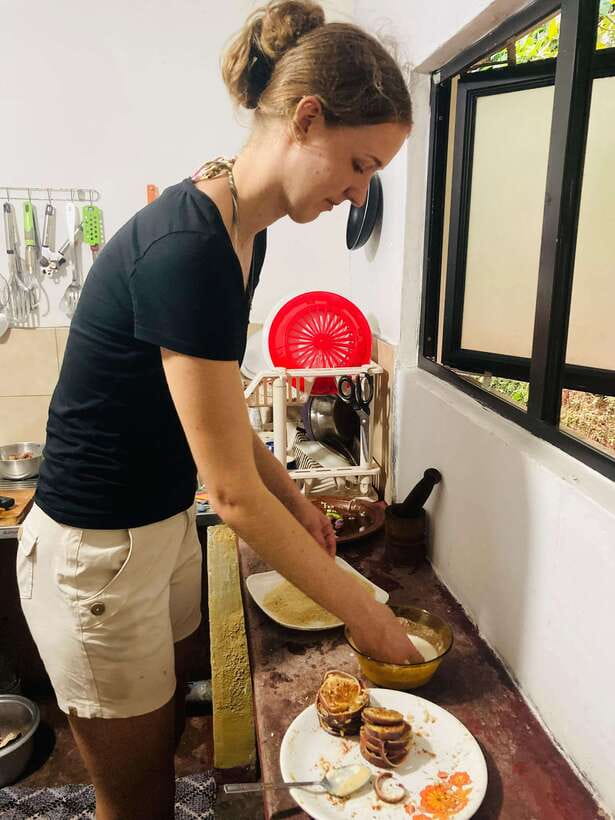
- You assist with the main cooking: Expect chopping, shopping, adding spices, and other tasks while the chef handles much of the cooking.
- A full meal is included: Your three-hour session ends with lunch or dinner, followed by dessert.
- Private and English-speaking: The class is for a private group, with an English-speaking instructor.
- Good value at $40: The price covers instruction, ingredients, equipment, a welcome drink, the meal, and dessert.
A Family Kitchen Instead of a Cooking Studio
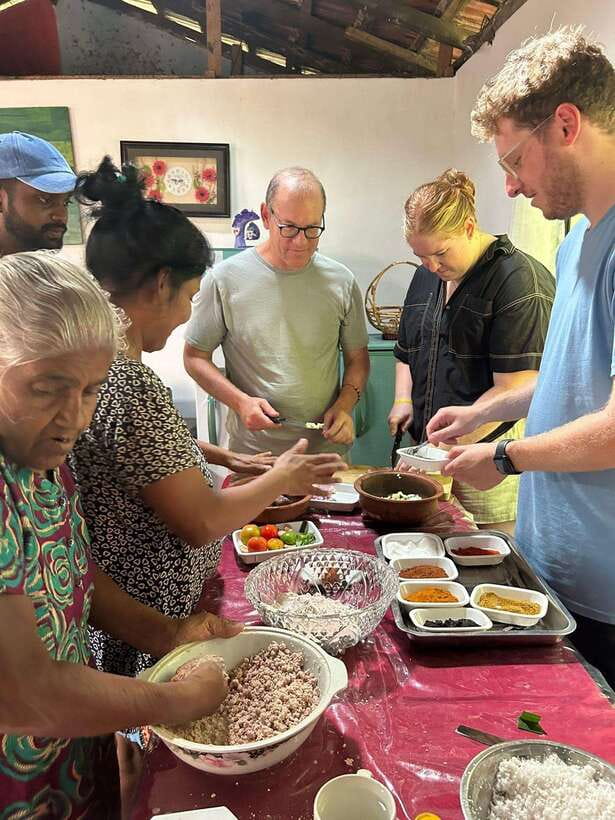
The setting is the main reason to choose this experience. You are welcomed into a local home in Kotapola, where the kitchen is part of family life rather than a room built for tourists.
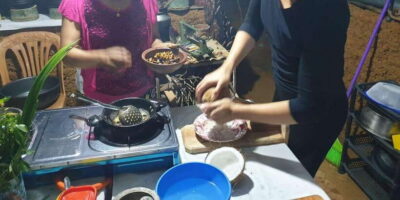
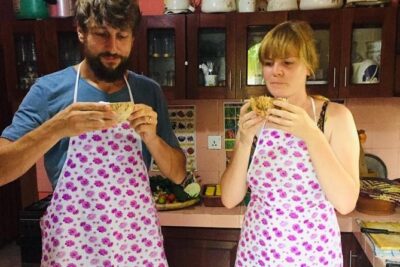
That changes the feel of the class. You are not simply watching a chef prepare a set menu behind a counter. You are working beside local hosts, asking questions, handling ingredients, and seeing how food is prepared in an everyday home setting.
Malik and his mother are named as hosts in one account, while another singles out Chef Manogi. The exact host may depend on the day, but the pattern is clear: expect a personal session led by local cooks who take pride in their food and enjoy explaining it.
The family welcome is part of the experience. You may be offered a refreshing drink on arrival, with watermelon juice mentioned as one example. It is a small touch, but it gives the class a relaxed start before the chopping and spice work begin.
The home setting also means you should keep your expectations practical. This is not a restaurant kitchen with a fixed lesson plan visible from the moment you arrive. The pace and layout may feel more informal, and that is part of the charm.
A few more Galle trips to weigh up
- Sea waves sri lankan cooking class
★ 5.0 · 467 reviews - Galle Unawatuna Cooking Class
★ 5.0 · 142 reviews - Galle Fort cooking class
★ 5.0 · 60 reviews
What Happens During the Three Hours
The class lasts about three hours, with starting times available when you book. You should arrive 15 minutes early, especially since the meeting point can be difficult to locate without help.
Once you arrive, the session begins with introductions and a welcome drink. You then move into the food preparation, using ingredients and equipment supplied for the class.
The exact menu is not listed in advance, so you should not book expecting a particular curry or dessert unless the host confirms it. You can, however, expect traditional Sri Lankan dishes made with local ingredients, aromatic spices, and tropical vegetables.
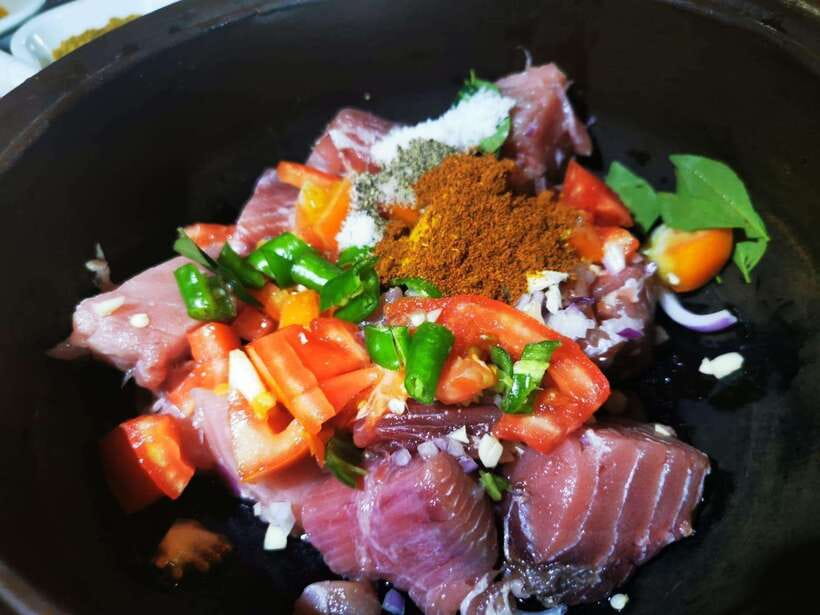
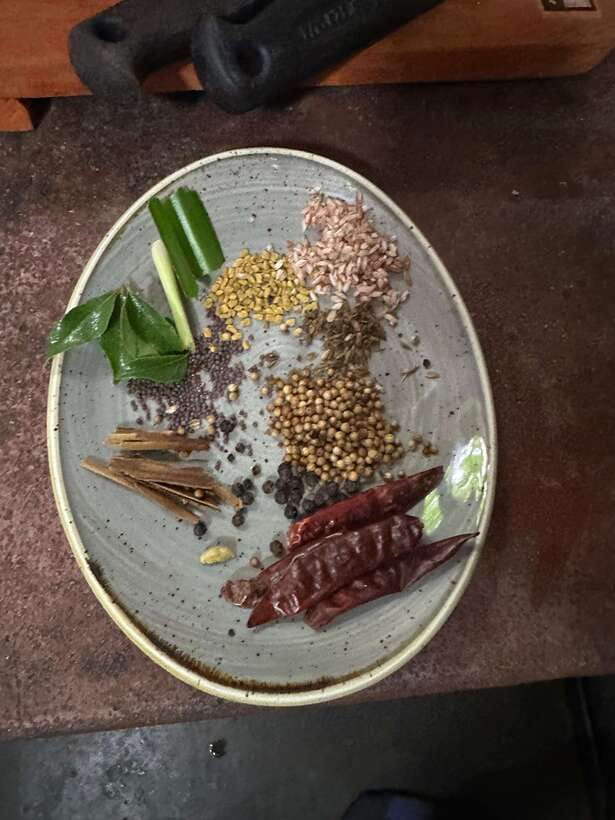
The work may include cutting ingredients, helping with shopping, adding spices, and preparing spice mixes. These tasks are useful because they show you the building blocks of Sri Lankan cooking rather than only presenting a finished plate.
The session is also flexible enough to handle dietary requests. A vegan menu was prepared when requested, with eight different dishes made during one private class. You should send any dietary restrictions or allergies ahead of time, rather than waiting until you arrive.
The most important point is the cooking style. You are assisting the chef, and the main part of the cooking may be done by the host. One participant specifically found that the food preparation moved quickly and that the class was not a slow, step-by-step lesson in which the student handled every dish alone.
I see this as a strength for some people and a limitation for others. You get to taste a broad meal and learn from an experienced cook, but you may not leave knowing that you personally cooked each dish without help.
Learning the Spices Behind Sri Lankan Food
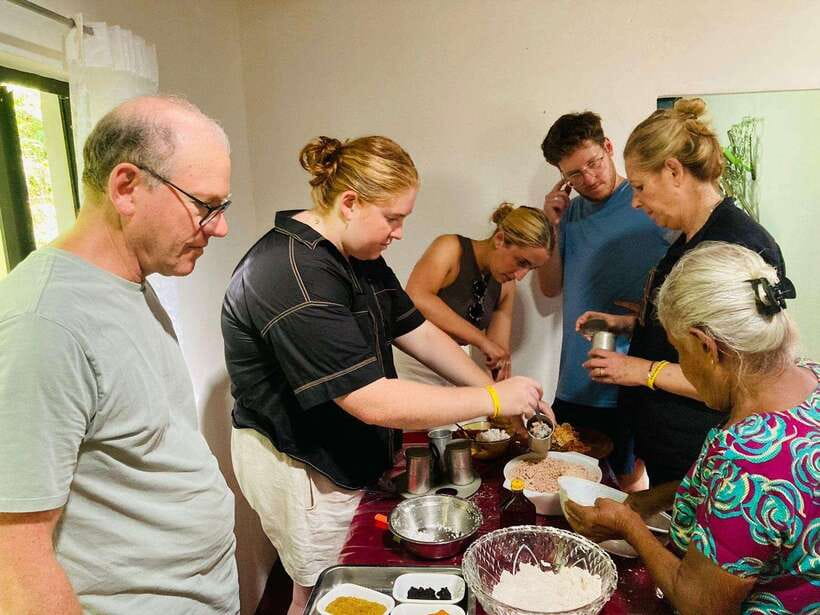
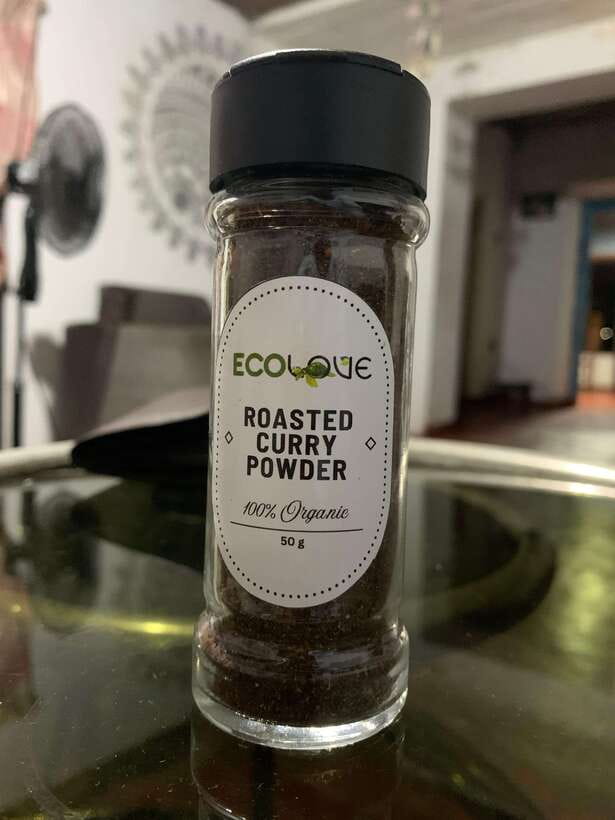
Sri Lankan food depends on how spices are combined, toasted, ground, and added. The class gives you a chance to learn about those combinations while the dishes are being made.
The value is not only in identifying ingredients. Your host can explain how each one fits into the dish and why it matters to the final flavor. You may handle spice blends yourself, which makes the lesson easier to remember when you return home.
The session also connects food with local culture. Ingredients are discussed in the context of Sri Lankan cooking, rather than treated as a list of items to copy into a recipe book.
Do not expect a formal lecture on culinary history. The teaching appears to happen through conversation and practical work, as you cut, season, stir, and taste. That informal approach suits the family setting and keeps the three hours active.
If you are new to South Asian cooking, this is a friendly way to learn how much flavor comes from seasoning rather than from one heavy sauce. If you already cook Sri Lankan food, the useful part may be seeing another family’s methods and spice combinations.
The Meal You Sit Down To Eat
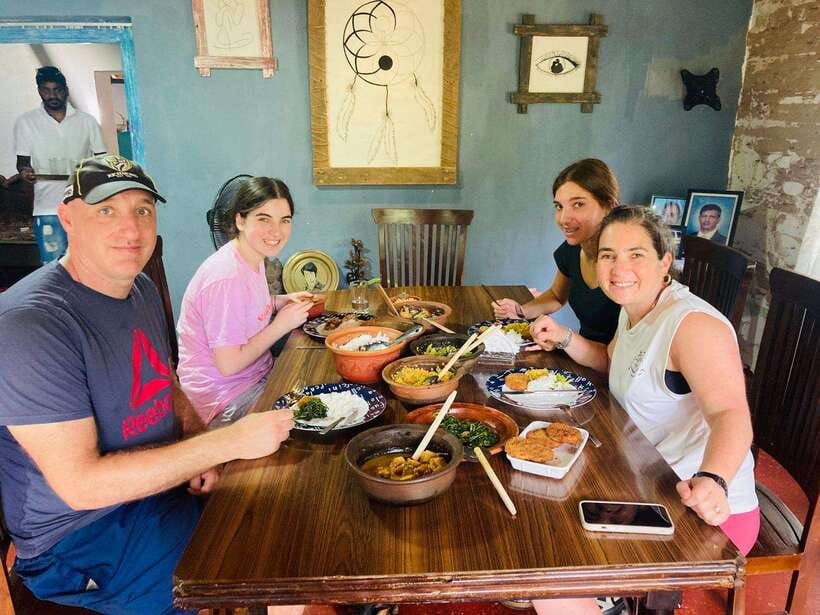
At the end, you eat the food prepared during the session. Lunch or dinner is included, along with desserts, so you should arrive hungry.
That advice is worth taking seriously. The menu may contain several dishes, and one vegan session produced eight different plates. A full meal after three hours of preparation is much more substantial than a quick tasting.
Dessert may include buffalo curd with treacle, a classic Sri Lankan combination that gives the meal a cool, creamy finish after the spices. It is a fitting end to a class focused on local ingredients.
The food is also where the value of the session becomes clearest. For $40 per person, you are not paying only for a recipe lesson. The fee includes a local culinary expert, ingredients, cooking equipment, a welcome drink, a prepared lunch or dinner, and dessert.
A restaurant meal could cost less, depending on where you eat. But it would not include the family interaction, the preparation, or the explanation of the ingredients. On the other hand, if you mainly want to learn technical cooking skills, a more formal school could offer more individual practice.
Same island, a completely different kind of day:
- Whales and Dolphins Watching-Luxury Super Grade Cruiser(Hotel Pick up offered)
★ 5.0 · 1,268 reviews - Galle: Traditional Gems & Jewellery Workshop with Transfers
★ 4.9 · 539 reviews - Galle Fort Walking tour
★ 4.9 · 285 reviews - Snorkeling with Turtles in Mirissa
★ 5.0 · 268 reviews
Why the Private Group Format Matters
This is a private group experience, which is useful for couples, families, and small groups who want to ask questions without competing for the instructor’s attention.
A private booking can also make dietary planning easier. The vegan menu was prepared on request, though you should still give advance notice for allergies and restrictions.
The family format is especially suited to people who value conversation. You are not simply moving from one cooking station to another. You are spending time in a local home, with the chance to ask about food and daily customs as the meal comes together.
The trade-off is that a private family class may be less standardized than a commercial cooking school. The host, menu, pace, and amount of work you do can vary. That is not a problem if you want a personal cultural visit, but it matters if you want a tightly structured lesson.
The instructor speaks English, so basic explanations and questions should be possible. The experience is also listed as wheelchair accessible, though you may want to confirm the practical details of entering and moving around the particular home before booking.
Getting to the Meeting Point in Kotapola
Hotel pickup and drop-off are not included. You need to make your own way to the meeting point in Kotapola, and the location may be easier to find through a map.
If you have trouble, an English-speaking local can give directions by phone. I would save the meeting details before leaving your hotel and keep your phone charged. Arriving 15 minutes early gives you time to deal with any confusion without cutting into the cooking session.
The location is described as Galle in the activity information, while the specific location is Kotapola. Check the map carefully before booking, especially if you are staying in another part of the Galle area.
This is one of the few practical drawbacks. A hotel transfer would make the experience simpler, particularly for visitors unfamiliar with local roads. Since transport is not included, factor in your own travel time and cost when judging the total value.
The Right Expectations for a Cooking Class
You should book this experience if you want food, family contact, and a taste of local life in one outing. It is especially suitable for couples and private groups who would rather cook in a home than attend a standard workshop.
It also works well for food lovers who want to try several dishes. The possibility of a broad vegan meal is a plus, and the inclusion of dessert means the class is not just a short demonstration.
You may want to choose another type of class if your main goal is to master every recipe independently. Here, the host does much of the main cooking, while you assist with preparation and seasoning. You will learn useful methods, but you may not personally complete each dish.
The class suits beginners because you do not need to arrive with advanced cooking skills. Comfortable clothes and shoes are recommended, since you will be working in a kitchen. You should also avoid eating a large meal beforehand.
The experience has received a 5 out of 5 rating from 21 ratings, with particular praise for the hosts, the family atmosphere, the food, and the chance to learn about local ingredients. The strongest pattern is simple: people value the warmth of the welcome as much as the cooking itself.
Price, Flexibility, and Practical Value
At $40 per person, the price is fair for a three-hour private experience that includes food and instruction. You receive the ingredients, equipment, welcome drink, main meal, and desserts, so there should be few extra costs during the session beyond your transport and personal spending.
The value improves if you are interested in cultural contact, not just eating. A restaurant can give you a good Sri Lankan meal, but this class gives you time with a local family and a better sense of how the meal is put together.
The value is less clear for someone who wants a highly technical lesson. Since the chef handles much of the cooking, you are paying partly for the host’s skill and hospitality rather than for three hours of solo practice.
Booking is flexible. You can reserve now and pay later, and cancellation is free up to 24 hours before the start time for a full refund. Those terms are helpful if your Sri Lankan route is still changing.
Should You Book This Sri Lankan Cooking Class?
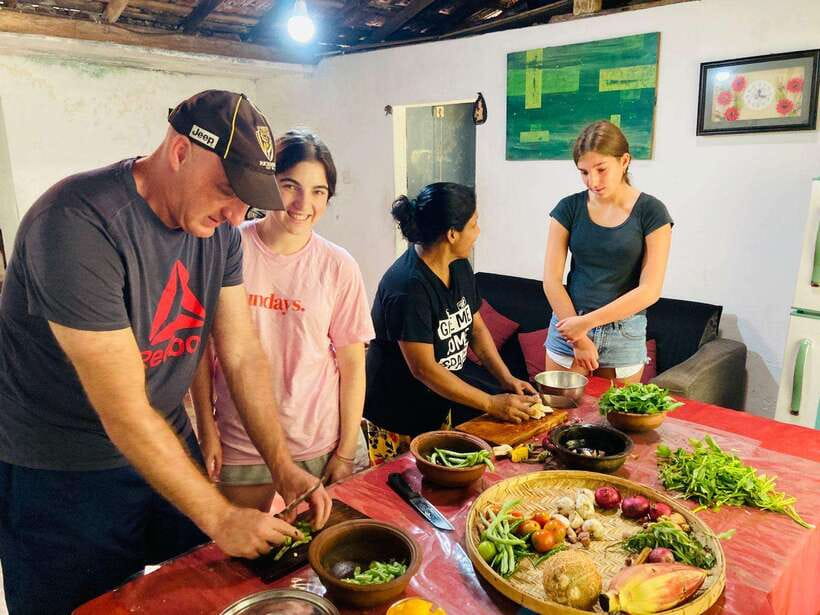
Book it if you want a warm, personal encounter built around food. The local kitchen, fresh ingredients, spice preparation, generous meal, and family welcome give the experience a genuine feel that a staged cooking studio may not match.
Go in expecting to assist rather than run the entire kitchen. If that suits you, $40 buys a satisfying three-hour visit with a full meal and dessert, plus practical insight into Sri Lankan cooking.
I would make this a strong choice for couples, private groups, vegetarians, vegans who give advance notice, and anyone who values local conversation. I would be more cautious for serious home cooks seeking a strict lesson plan or for anyone who does not want to arrange their own transport to Kotapola.
FAQ
Where does the cooking class take place?
The class takes place in Kotapola, Sri Lanka, in a local family kitchen associated with the Galle activity.
How long does the experience last?
The cooking session lasts three hours. You should arrive 15 minutes before the scheduled start.
What is included in the $40 price?
The price includes a local culinary expert, cooking ingredients, equipment, a welcome drink, lunch or dinner with the food you prepare, and desserts.
Can I request a vegan menu?
Yes. Vegan dishes can be arranged if you request them in advance. One session included eight vegan dishes made with fresh local ingredients.
Do I cook every dish myself?
No. You assist with tasks such as cutting, shopping, adding spices, and preparing spice mixes, while the chef handles much of the main cooking.
Is transport from my hotel included?
No. Hotel pickup and drop-off are not included. You can use the map to find the meeting point, and an English-speaking local can provide directions by phone if needed.
Just added around Galle
- Galle: Sri Lankan Cuisine Cooking Experience★ 5.0 · 5 reviews
- Galle : Traditional Jewellery making workshop★ 4.9 · 34 reviews
- Galle Fortt Guided Walking Tour with a Local★ 4.9 · 33 reviews
- From Colombo: Day Trip to Galle City, Koggala and Unawatuna★ 4.2 · 3 reviews
- Galle: All Inclusive City & Fort Guided Cycling tour★ 3.6 · 3 reviews
- Bentota: All Inclusive Galle Dutch Fort & Madu River Safari★ 4.2 · 6 reviews
- Adam’s Peak Night Hike Experience [One Day & ALL INCLUSIVE]★ 5.0 · 14 reviews
- Galle/Mirissa: Yala & Udawalawe Safari Day Trip with Picnic★ 4.7 · 21 reviews
Cooking Classes, compared.
Organic cooking class sigiriya (kumara & family)
Read our review →
Sri Lankan Cooking Class with Neranji at Homestay
Read our review →
Browse the lists this tour appears in