
Reviewed · COOKING CLASSES
Galle: Sri Lankan Cuisine Cooking Experience
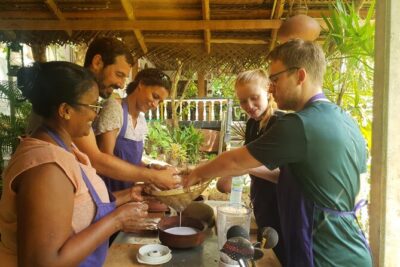
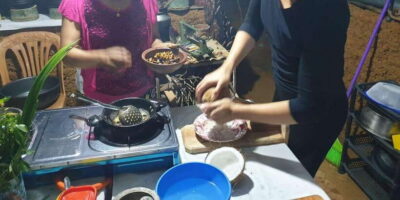
The best part of this three-hour cooking class is that you work in a family kitchen, not a polished restaurant classroom. You light an oil lamp, receive flowers, prepare traditional Sri Lankan food with your hosts, then eat it from a banana leaf. It feels like a meal with a family, because that is exactly the point.
I like the hands-on jobs here: grinding fresh coconut for sambol and rolling roti by hand. I also like the private-group setup, which gives you room to ask questions and work at your own pace. The main thing to consider is transport. Getting to Galle House in Kotapola is not included, so you must arrange your own way there.
Key points at a glance
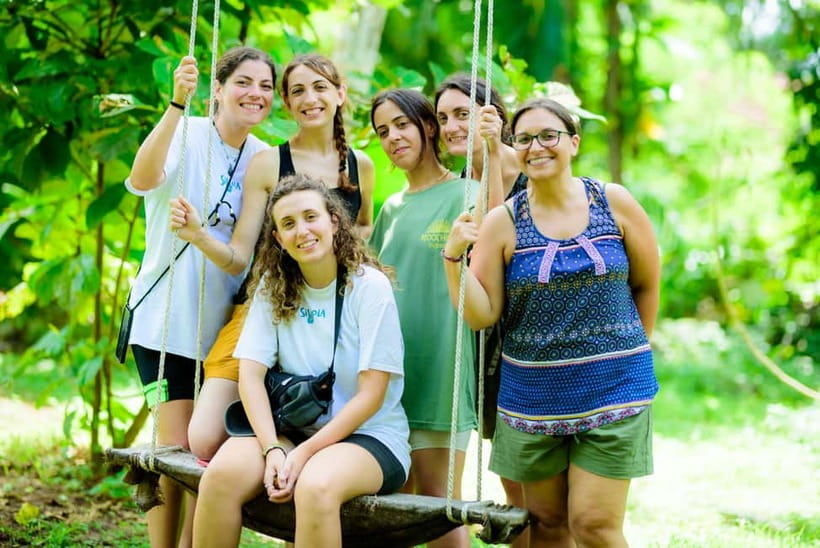
- A real family kitchen: Prepare food alongside local hosts rather than watching a chef work from a distance.
- A warm cultural welcome: Begin with an oil-lamp lighting ceremony and a flower bouquet.
- Fresh coconut sambol: Grind coconut yourself, an important part of making this classic Sri Lankan side dish.
- Hands-on roti making: Roll the dough by hand and learn through doing.
- Banana-leaf meal: Eat the food you helped prepare with your hands, with utensils available if requested.
- Private three-hour format: The activity is in English and designed for a private group.
Entering the family kitchen in Kotapola
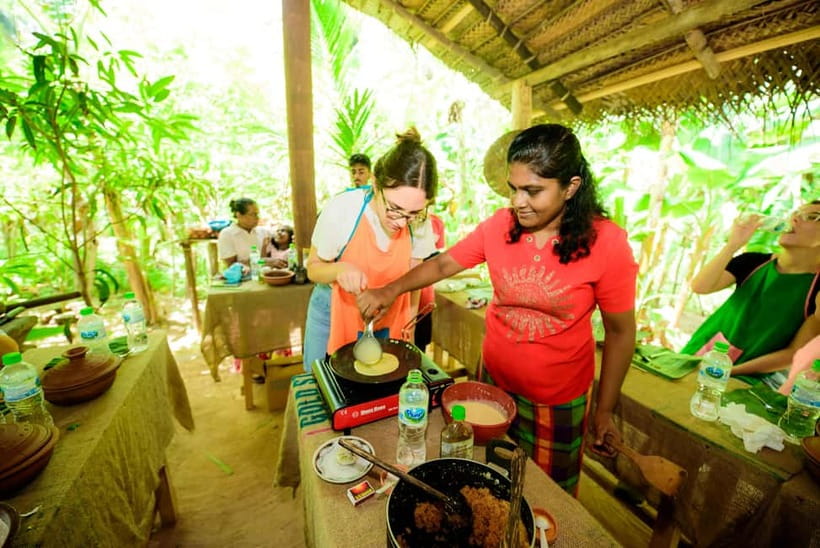
This class gives you a useful way to meet Sri Lanka through food. You are not simply handed a plate of curry and told what is in it. You take part in the work, from preparing ingredients to shaping the bread, then sit down with the family who helped guide you.
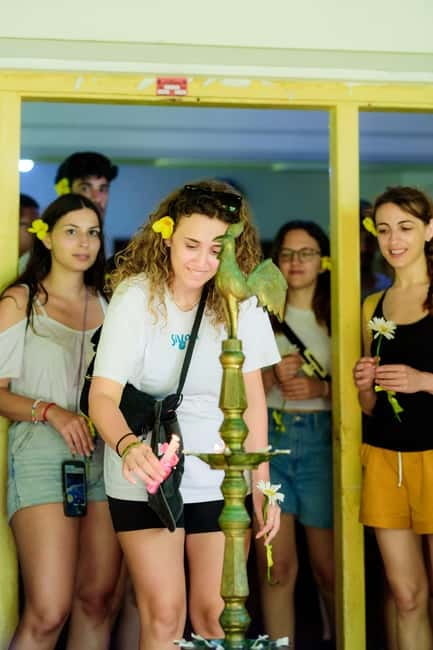
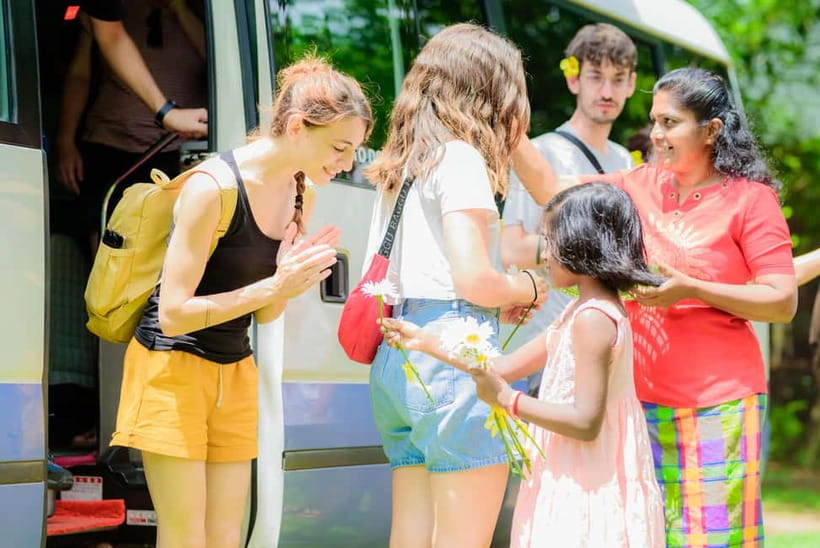
Your welcome at Galle House begins with a traditional oil-lamp lighting ceremony. You also receive a flower bouquet. These details take only a little time, but they set the tone: this is a personal welcome, not a quick check-in before a cooking demonstration.
The location is listed as Kotapola, in the Galle area. The activity does not include transport, so check the route carefully before booking. You are asked to send a message and confirm the date before the booked day, which is especially important if you need directions or want to clarify your arrival plans.
A few more Galle trips to weigh up
- Sea waves sri lankan cooking class
★ 5.0 · 467 reviews - Galle Unawatuna Cooking Class
★ 5.0 · 142 reviews - Galle Fort cooking class
★ 5.0 · 60 reviews
Lighting the lamp before the cooking begins
The opening ceremony adds a cultural layer to the meal. Lighting an oil lamp is a familiar traditional gesture in Sri Lanka, and here it gives the class a clear beginning. You are welcomed first as a visitor, then invited into the family kitchen.
I like this order. It avoids rushing straight into chopping and mixing. You have a moment to meet your hosts and settle into the setting before the practical work starts.
The flower bouquet is another small but thoughtful touch. It makes the arrival feel ceremonial without turning the activity into a formal performance. If you prefer food activities that include local customs as well as recipes, this beginning adds real value.
Still, you should know what this is and what it is not. It is a home-based cultural activity with cooking at its center. It is not a long sightseeing tour around Galle, and no other attraction is included in the three-hour schedule.
Grinding coconut and preparing sambol
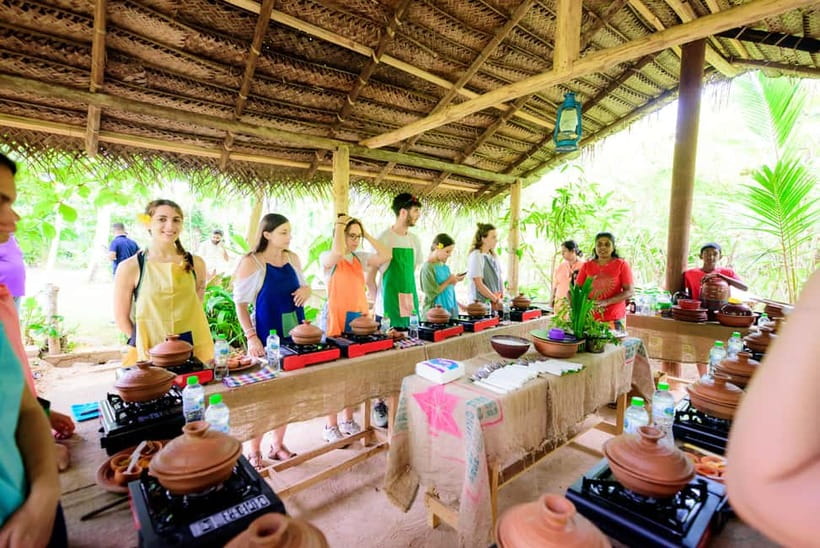
The most memorable task may be grinding fresh coconut for sambol. This is the kind of job that can disappear from a restaurant meal, where the finished dish simply arrives in a bowl. Here, you handle an ingredient and take part in the preparation.
Sambol is a familiar part of Sri Lankan food, often served alongside rice and other dishes. Fresh coconut gives it body and texture. Working with it yourself helps you understand how a simple side dish can be central to a meal.
You can expect your host to explain the ingredients and preparation steps in English. That matters because cooking classes are only as useful as the instructions. The available information specifically highlights clear explanations of both ingredients and methods, and the hosts Malika and Sanuth are named as part of the family welcome.
This is also a good activity for curious eaters who want to ask questions. You can learn what each ingredient does, how the food is put together, and how the separate dishes fit into the final meal. The class is practical rather than academic, so you learn with your hands in the ingredients.
Rolling roti by hand
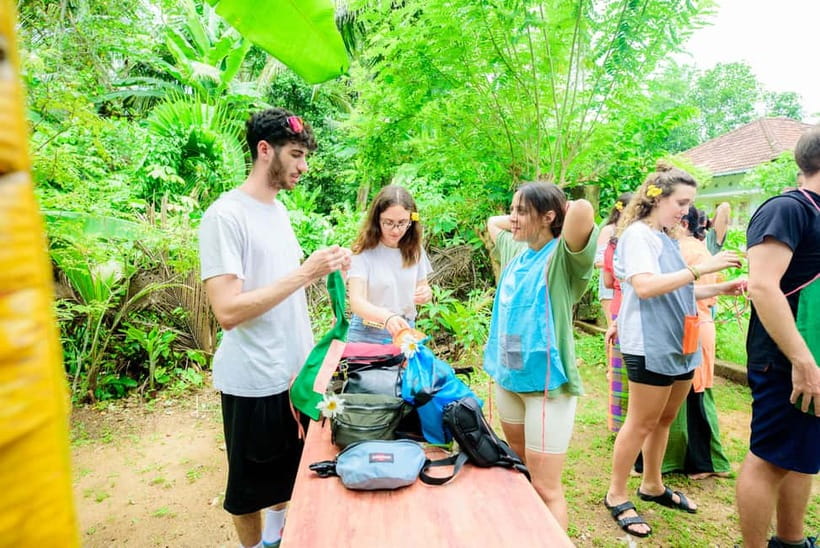
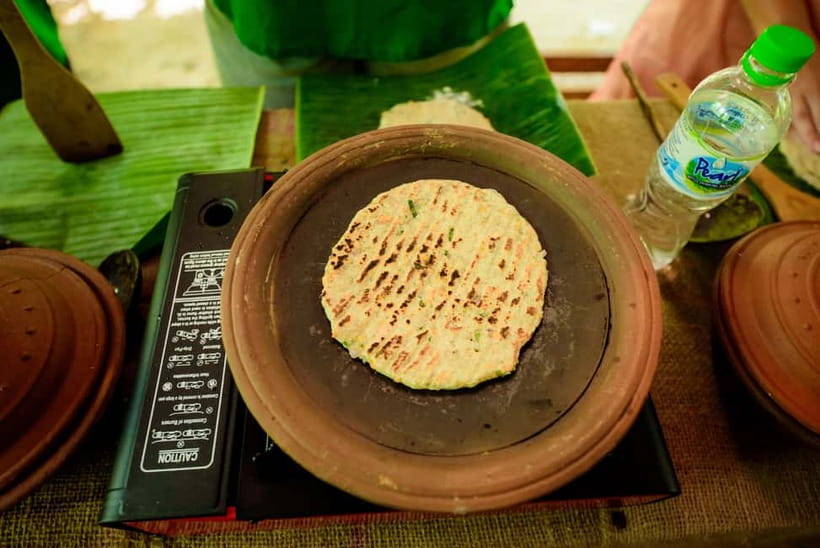
Roti adds another tactile part to the lesson. You roll it by hand, which makes this more than a demonstration where the host does all the work. The task is simple enough to be approachable, but it gives you a clear sense of how the bread is prepared before it reaches the table.
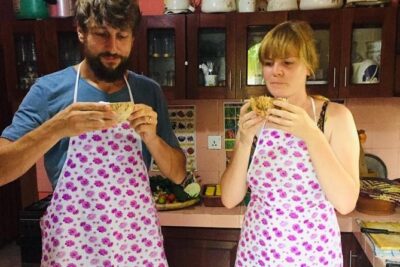
You should wear comfortable clothes suitable for cooking. An apron is provided when the lesson starts, but the apron will not replace sensible clothing. Cooking in a family kitchen can be more relaxed than working in a school, so come ready to participate rather than remain perfectly spotless.
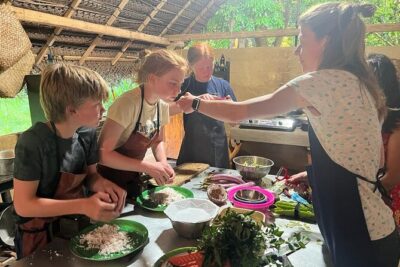
A hands-on task also helps children take part. One family specifically included a four-year-old child, and the hosts were described as welcoming and accommodating. That makes this a reasonable choice for families, although the activity is still a cooking lesson, so adults will need to help younger children with the work.
Same island, a completely different kind of day:
- Whales and Dolphins Watching-Luxury Super Grade Cruiser(Hotel Pick up offered)
★ 5.0 · 1,268 reviews - Galle: Traditional Gems & Jewellery Workshop with Transfers
★ 4.9 · 539 reviews - Galle Fort Walking tour
★ 4.9 · 285 reviews - Snorkeling with Turtles in Mirissa
★ 5.0 · 268 reviews
Sharing the meal on a banana leaf
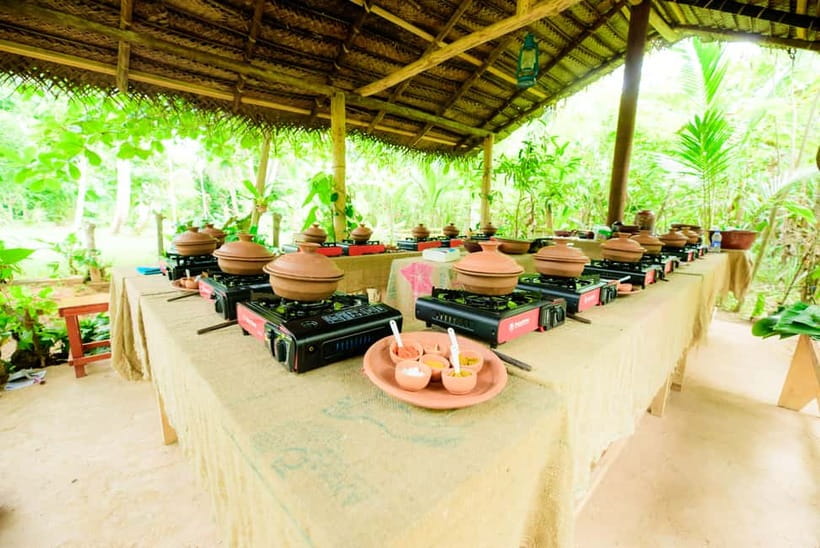
Once the dishes are ready, you sit down to eat with the host family. The meal is served in the traditional way on a banana leaf, and eating with your hands is part of the experience.
If you have never eaten this way, your host can help you get comfortable. You use your fingers to bring the food together, and the banana leaf becomes your plate. Utensils are available on request, so you do not have to force yourself into a custom that feels uncomfortable.
I like the fact that you eat the food you prepared. That gives the class a satisfying finish. You can connect the work of grinding, rolling, and preparing with the tastes on the leaf in front of you.
The shared meal also gives you time for stories and laughter with the family. This is where the private format matters most. Instead of being moved along with a large group, you have a more personal setting for conversation.
Do not expect the meal to be a separate restaurant stop with a long menu. It is the final stage of the lesson and a shared family meal. That is its strength, but it may not suit you if you want a formal dining setting or a wide choice of dishes.
What the three-hour schedule means for you
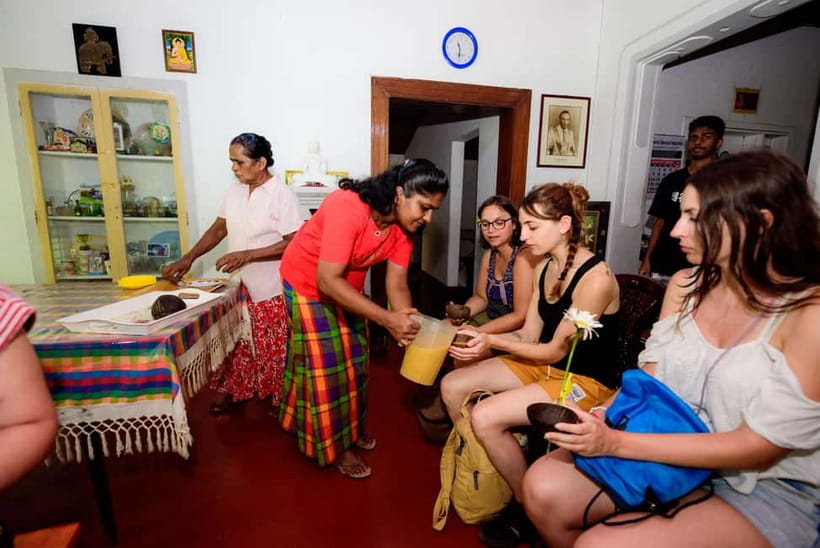
Three hours is a sensible length for this type of class. It allows time for the welcome, cooking, explanations, and meal without taking up a full day of your holiday.
The pace should feel more complete than a quick one-hour demonstration. You can take part in multiple tasks, including coconut preparation and roti making, then enjoy the finished food. You are not spending the whole morning or afternoon on a long organized outing.
Starting times are not fixed in the information provided. You need to check availability for the date you want. Contacting the host at least one day ahead is also part of the instructions, so do not leave the confirmation until the last minute.
The activity is conducted in English. That makes it practical for English-speaking visitors who want explanations as they cook. It is also a private group, which is useful if you are traveling as a family, couple, or small group and prefer not to share the kitchen with strangers.
Is $40 good value?
At $40 per person, this class is priced above a basic meal, but you are paying for more than food. The price includes the cooking lesson, all ingredients, the hands-on time with a local host, the welcome ceremony, the flower bouquet, and the meal shared with the family.
The strongest value comes from the personal format. A restaurant meal can show you what Sri Lankan cooking tastes like. This class shows you some of the work behind it and gives you a chance to ask about the ingredients as you prepare them.
The value is also better if you care about local contact. You are spending several hours in a family setting rather than making a brief stop for a photo or a plate of food. The hosts’ warmth and clear explanations are central to the activity, so the quality of the visit depends as much on the conversation as on the recipes.
The price does not cover transportation or personal expenses. Add the cost of reaching Galle House in Kotapola when you set your budget. If you are already nearby, $40 can be a fair price for a private, food-centered cultural activity. If you need a costly transfer just to reach the kitchen, the overall value will depend on your group size and transport arrangements.
Who will enjoy this class most
I would choose this for you if you want to meet local people through an ordinary household activity. It fits visitors who enjoy learning by doing, asking questions, and eating food in the way it is traditionally served.
It is also a good match for families. The private format gives you more flexibility than a large group, and the hosts have welcomed a four-year-old child. Younger children may not take part in every step, but they can be included in the family setting.
Food lovers will get the most from the session, especially if you want to understand coconut sambol and roti rather than simply taste them. You do not need to be an experienced cook. The focus is on participation and explanation, not on producing restaurant-quality food under pressure.
This may be less suitable if you want a sightseeing-heavy day, a modern cooking studio, or a class with a long list of dishes and advanced techniques. The available details identify traditional Sri Lankan dishes, but they do not provide a fixed menu. If you have allergies, dietary restrictions, or strong dislikes, message the host before the date so you can ask what can be adjusted.
Small practical details that make a difference
Wear clothing you can cook in. An apron is supplied, but comfortable clothes remain the sensible choice.
Eating with your hands is part of the class. You can request utensils, so you have a choice. If this is your first time eating from a banana leaf, use the opportunity to try the traditional method, but do not feel embarrassed about asking for help.
Transportation is your responsibility. The activity takes place at Galle House in Kotapola, and no pickup or drop-off from Galle is included. Plan this before the day rather than assuming a transfer will be arranged.
The class is in English and for a private group. That makes it easier to ask questions, particularly when you are learning the difference between ingredients or trying a technique for the first time.
Cancellation is flexible up to 24 hours before the activity for a full refund. You can also reserve now and pay later, which helps if your Sri Lanka schedule is still shifting. You still need to send a message and confirm the date at least one day ahead.
The warmest part is the time at the table
The cooking tasks give the class its structure, but the shared meal gives it its character. You have worked beside the hosts, and then you sit down together with the result. Stories and laughter can flow more naturally at this point than during the formal lesson.
That social side received the strongest praise in the available comments. The family welcome, kindness, and willingness to explain the food were repeatedly singled out. One family with a young child found the hosts especially accommodating, while another described the day with Malika and Sanuth as the best part of a Sri Lanka trip.
Those comments point to the main reason to book. You are not just collecting a recipe. You are being welcomed into a home setting for a few hours, with food as the common language.
The experience is still modest in scope. You will not tour several villages or cover every part of Sri Lankan cuisine. But a focused afternoon or morning can be more satisfying than a packed schedule if what you want is a real conversation and a meal made together.
Should you book the Galle cooking experience?
Book it if you want a personal, family-based food experience near Galle, especially if grinding coconut, rolling roti, and eating from a banana leaf sound more appealing than a formal restaurant meal.
The $40 price makes sense for a private three-hour class with ingredients, a welcome ceremony, instruction, and a shared meal. Just arrange your own transport to Kotapola and confirm the date at least one day ahead.
Skip it if you want a fixed restaurant-style menu, extensive sightseeing, or a professional culinary school setting. For everyone else, this is a friendly way to spend part of your Galle visit, with the strongest value coming from the family welcome and the chance to cook side by side with local hosts.
FAQ
Where does the cooking class take place?
The activity takes place at Galle House in Kotapola, Sri Lanka.
How long does the experience last?
The cooking experience lasts three hours.
What is included in the price?
The price includes the traditional Sri Lankan cooking class, hands-on time with a local host, all cooking ingredients, the shared meal, the oil-lamp welcome ceremony, and a flower bouquet.
Is transportation included?
No. Transportation to and from Galle House is not included, so you need to arrange your own transport.
Is the class conducted in English?
Yes. The instructor language is English.
Can I eat with utensils instead of my hands?
Yes. Eating with your hands is part of the traditional experience, but utensils can be provided upon request.
Can I cancel the booking for a refund?
Yes. You can cancel up to 24 hours in advance for a full refund. You can also reserve now and pay later.
Just added around Galle
- Galle: Traditional Sri Lankan Cooking Class★ 5.0 · 21 reviews
- Galle : Traditional Jewellery making workshop★ 4.9 · 34 reviews
- Galle Fortt Guided Walking Tour with a Local★ 4.9 · 33 reviews
- From Colombo: Day Trip to Galle City, Koggala and Unawatuna★ 4.2 · 3 reviews
- Galle: All Inclusive City & Fort Guided Cycling tour★ 3.6 · 3 reviews
- Bentota: All Inclusive Galle Dutch Fort & Madu River Safari★ 4.2 · 6 reviews
- Adam’s Peak Night Hike Experience [One Day & ALL INCLUSIVE]★ 5.0 · 14 reviews
- GO WILD! Double Safari Day Trip (Yala & Udawalawe) – Private & All Inclusive★ 5.0 · 23 reviews
Cooking Classes, compared.
Organic cooking class sigiriya (kumara & family)
Read our review →
Sri Lankan Cooking Class with Neranji at Homestay
Read our review →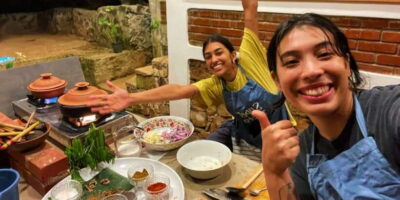
Browse the lists this tour appears in